
Best Car Sealant: A Buying Guide to Long-Lasting Paint Protection
Disclosure: We may earn a commission when you buy through links on this page, at no extra cost to you. As an Amazon Associate we earn from qualifying purchases. Learn more

If your car's paint looks dull and streaky just weeks after you waxed it, you're not doing anything wrong. Traditional wax simply doesn't hold up to rain, sun, and daily driving for very long. A car sealant is built to close that gap: a synthetic, polymer-based formula that bonds to the clear coat and keeps protecting the paint for months instead of weeks. This guide breaks down how sealants actually perform against wax, which application type fits your routine, what separates a good formula from a weak one, and where a sealant fits next to a ceramic coating so you can make a confident choice.
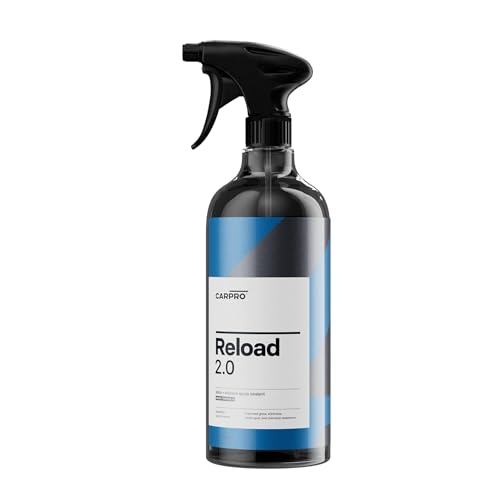
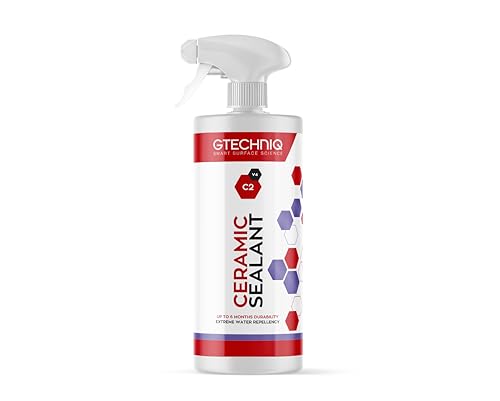
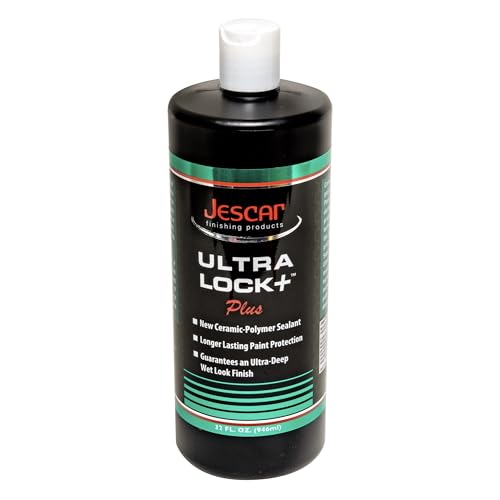
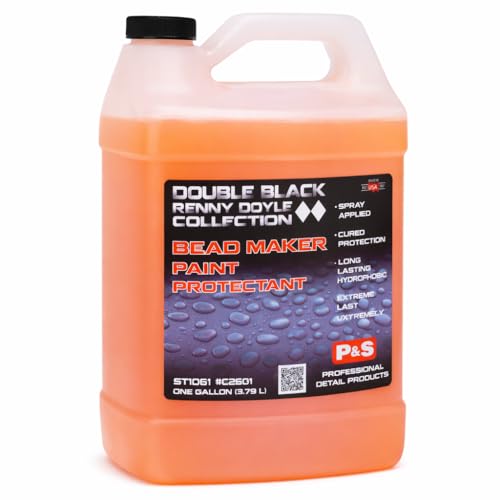

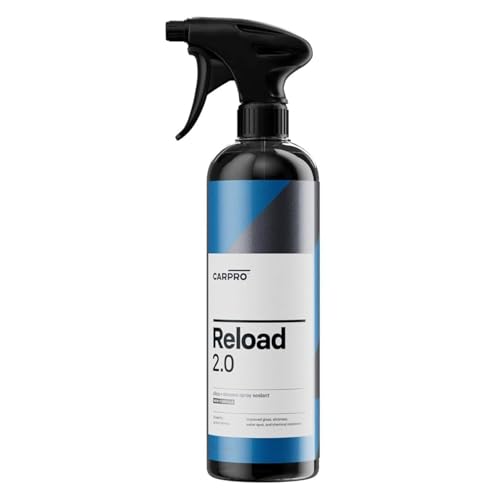
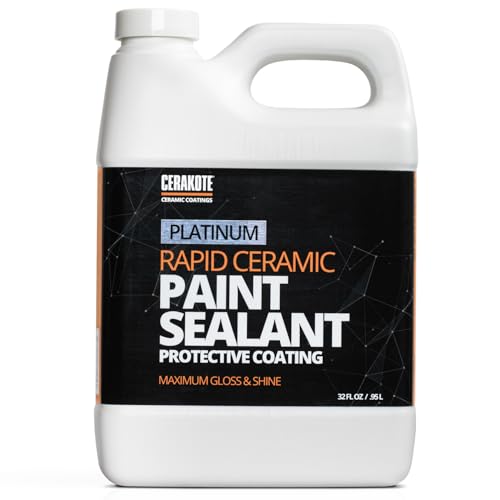
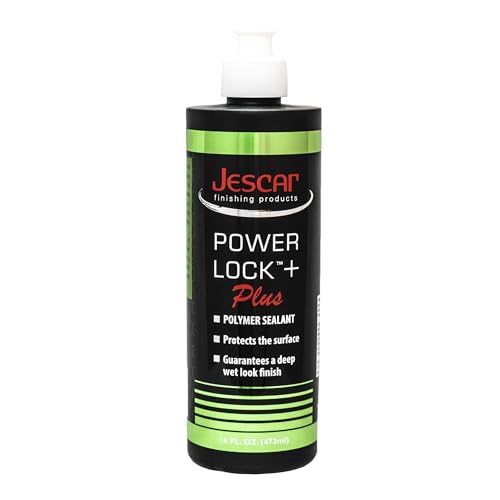
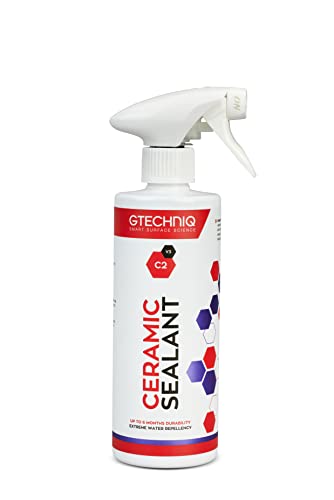
![[Black] 2 Pack Professional Automotive Seam Sealer, Paintable Quick-Set Polyurethane Auto Body](https://images-na.ssl-images-amazon.com/images/I/51rYdoPRb-L.jpg)

How Long Does a Car Sealant Actually Last Compared to Wax?
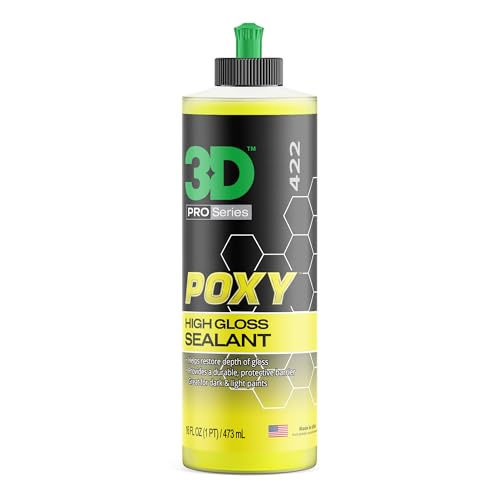
Carnauba wax gives paint a warm, deep glow, but that glow starts breaking down within a few weeks of exposure to sun and washing. A synthetic sealant lasts noticeably longer because it forms a harder, more chemically stable layer rather than a soft natural film. Most traditional liquid and paste sealants hold up for three to six months under normal driving and washing conditions, while lighter spray formulas tend to fall closer to the six to eight week range.
Climate and storage matter as much as the product itself. A car that sits outside in direct sun and gets washed weekly will burn through protection faster than one kept in a garage and washed less often. If durability is the main reason you're switching from wax to a sealant, expect a real gain, but plan on reapplying two or three times a year rather than treating it as a one-and-done job.
Spray, Liquid, or Paste: Matching the Application Type to Your Routine
Sealants come in three basic formats, and the right one depends on how much time you're willing to spend versus how long you want the protection to hold.
Spray Sealants for Quick Touch-Ups
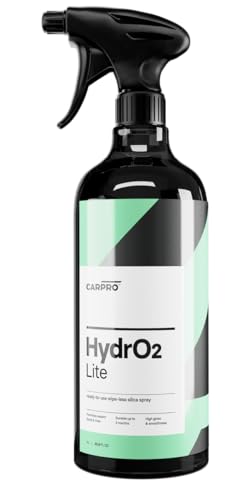
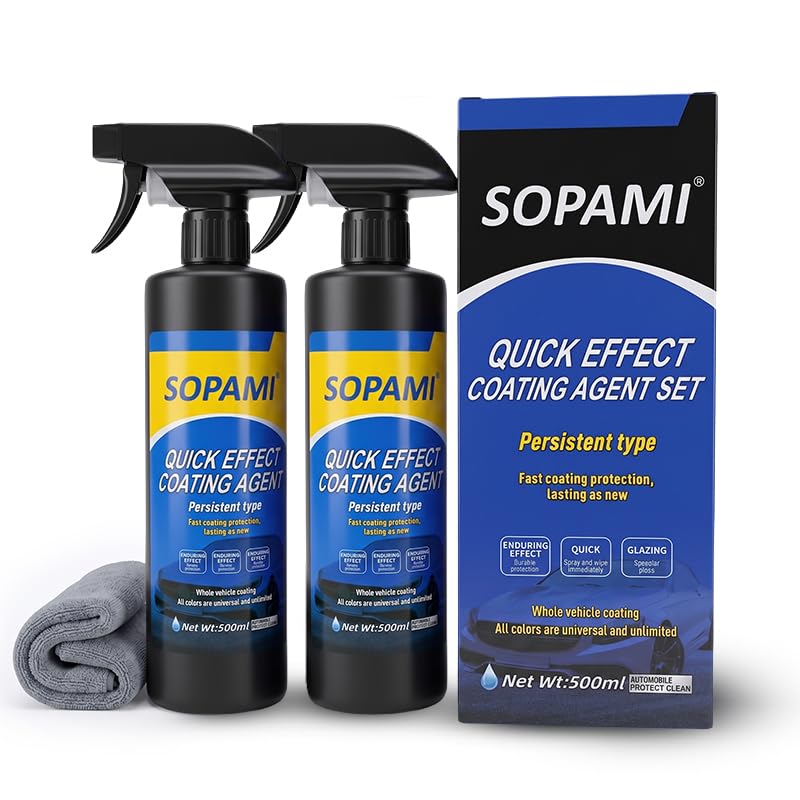
Spray sealants are the easiest option: mist it on, wipe it off, done in a few minutes per panel. They're forgiving of uneven coverage and can usually be applied in partial sun without streaking badly. The trade-off is shorter durability, since the thin layer they leave behind wears away faster than a liquid or paste. They're a good fit for maintaining protection between full applications or for a quick refresh before a road trip, ideally paired with a wipe-down of the interior using a portable car vacuum cleaner so the whole car gets attention at once.
Liquid and Paste Sealants for Maximum Durability
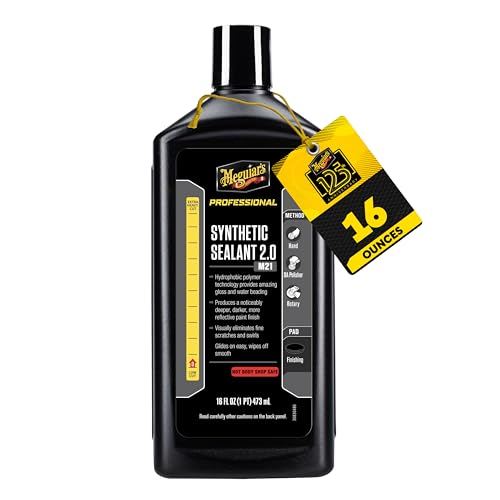
Liquid sealants applied with a foam or microfiber applicator, and paste sealants worked in by hand, both cure into a thicker, more durable film. They take longer to apply and buff off, and most need to be worked in small sections to avoid the product drying too hard to remove cleanly. In exchange, they consistently outlast spray formulas by a couple of months, which makes them worth the extra effort if you're not planning to reapply often.
Getting the Prep and Cure Right
Whatever format you choose, the paint has to be clean before the sealant goes on, or you'll just be locking dirt and old wax residue under a fresh layer. A thorough rinse, ideally starting with something with real pressure like an electric pressure washer, loosens grit before you move to hand washing so you're not grinding particles into the clear coat while you clean. Let the paint dry completely, apply in a shaded area out of direct sun, and give the product the full cure time listed on the bottle before it gets rained on or driven through a car wash.
What to Look for in a Car Sealant's Formula
Not every bottle labeled "sealant" performs the same way, and picking a good car sealant comes down to a few specific things worth checking before you buy.
Polymer and Resin Quality
The synthetic polymers in a sealant are what create the hard, glossy film, and higher quality resins bond more evenly and resist breaking down under heat. Cheaper formulas tend to wear unevenly, leaving streaky or dull patches well before the label's promised duration is up.
UV and Chemical Resistance
A sealant's main job is shielding the clear coat from ultraviolet rays and light chemical exposure, like bird droppings, tree sap, and road grime, so it doesn't etch into the paint. Look for products that specifically mention UV inhibitors and resistance to acidic contaminants, since generic "shine enhancer" formulas often skip this protective chemistry entirely.
Ease of Application and Removal
A sealant that hazes too quickly or bonds too aggressively to trim and rubber seals turns a simple job into hours of scrubbing. Read reviews for mentions of easy buffing and minimal residue on plastic trim, especially if you're applying it by hand rather than with a machine polisher.
Car Sealant vs Ceramic Coating: Do You Need Both?
Ceramic coatings bond at a molecular level and can protect paint for a year or more, sometimes several years, which is well beyond what any sealant offers. That durability comes with a real trade-off though: proper ceramic coating application usually requires paint correction first and a lot more prep time, and it costs significantly more than a bottle of sealant.
A sealant applied on top of a cured ceramic coating is generally safe and can add a bit of extra slickness and gloss between full coating maintenance, as long as you use a sealant that's labeled compatible with ceramic coatings. If you're not ready to commit to a full coating, a good sealant applied every few months is a practical middle ground between casual waxing and a professional-grade coating.
Frequently Asked Questions
How long does a car sealant last on a car?
Most sealants last three to six months, with spray formulas on the shorter end and liquid or paste sealants lasting longer. Climate, wash frequency, and storage conditions all affect how quickly it wears off.
Can you put a car sealant over a ceramic coating?
Yes, as long as the coating has fully cured and the sealant is labeled safe for use over ceramic coatings. It won't add years of protection, but it can boost gloss and slickness between maintenance applications.
Do you still need to wax after applying a sealant?
No, waxing over a sealant isn't necessary and can actually shorten how long the sealant lasts by adding a softer layer on top. Most people choose one or the other rather than layering both.
Is a spray sealant as good as a liquid or paste sealant?
Spray sealants are easier and faster to apply but generally don't last as long as liquid or paste versions. They're better suited to quick maintenance between full applications than as your only protection.
How often should you reapply a car sealant?
Two to three times a year covers most driving and climate conditions. Cars parked outside in intense sun or washed very frequently may need touch-ups more often.
Can you apply a car sealant in direct sunlight?
It's best avoided. Heat makes the product cure too fast, which usually leaves streaks or a hazy finish that's harder to buff out. Work in shade or during cooler parts of the day.
What's the real difference between a sealant and a ceramic coating?
A sealant forms a protective film that wears away gradually over months, while a ceramic coating bonds chemically to the paint and lasts years with far more resistance to chemicals and scratching. Coatings also require more involved prep and application.
Making the Right Call for Your Paint
A car sealant is the practical middle ground for anyone who wants protection that outlasts wax without committing to the cost and prep work of a ceramic coating. Match the format to how much time you're willing to spend, pay attention to the formula's UV and chemical resistance, and give it proper prep and cure time, and a good sealant will keep your paint looking sharp for months at a stretch.