Best Car Vinyl Wrap Tool Kits for DIY Installers
Disclosure: We may earn a commission when you buy through links on this page, at no extra cost to you. As an Amazon Associate we earn from qualifying purchases. Learn more

Wrapping your own car with vinyl can save a lot of money compared to a professional install, but the result depends almost entirely on the tools in your hands. The best car vinyl wrap tool kits combine a few specific items: squeegees with the right edge, a heat gun with precise temperature control, sharp cutting tools, and enough felt or microfiber to keep the film clean while you work. Skipping any one of these usually shows up later as a bubble, a scratch, or a seam that lifts within a few weeks. This guide walks through what belongs in a solid kit, how to judge quality before you buy, and the small technique details that separate a smooth finish from a frustrating weekend.

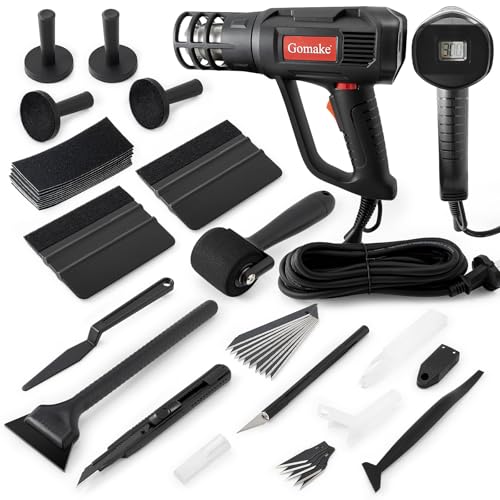
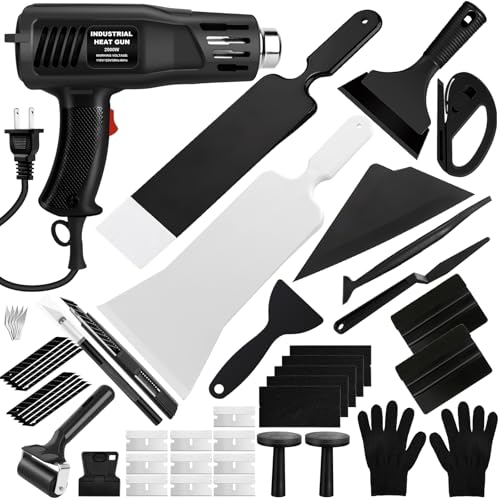
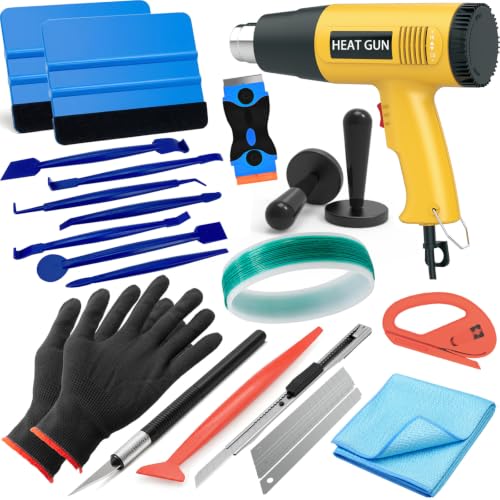
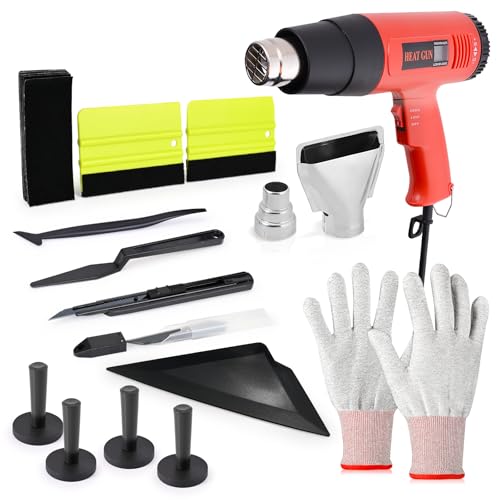
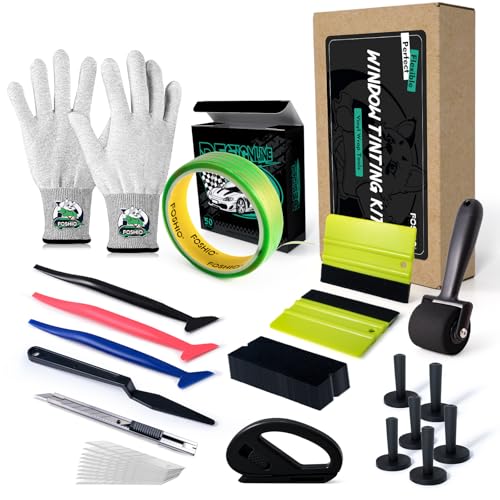
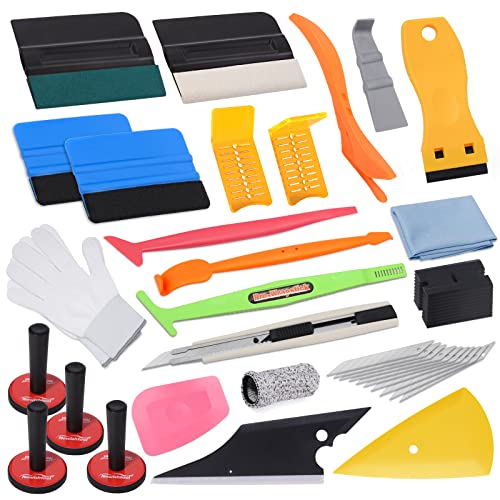
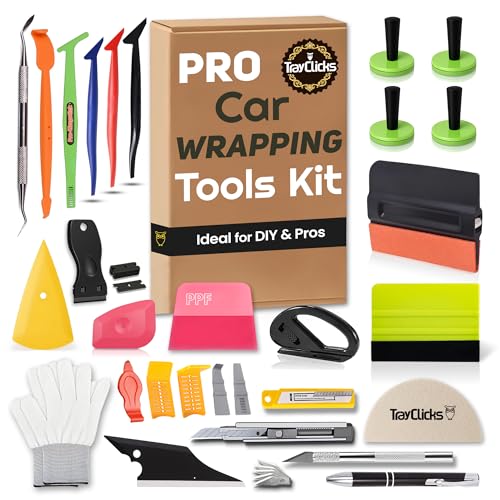
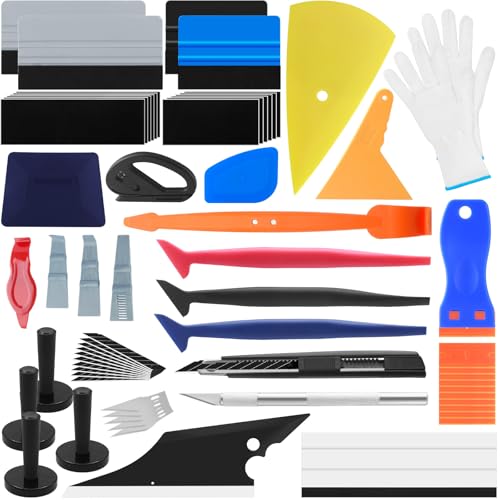
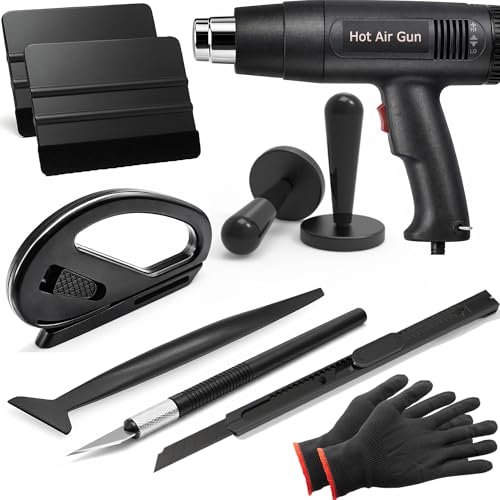
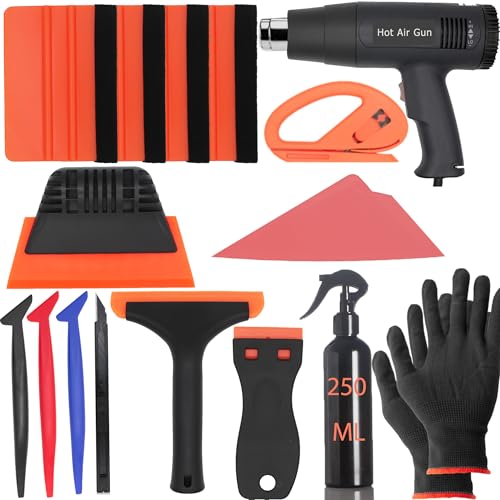
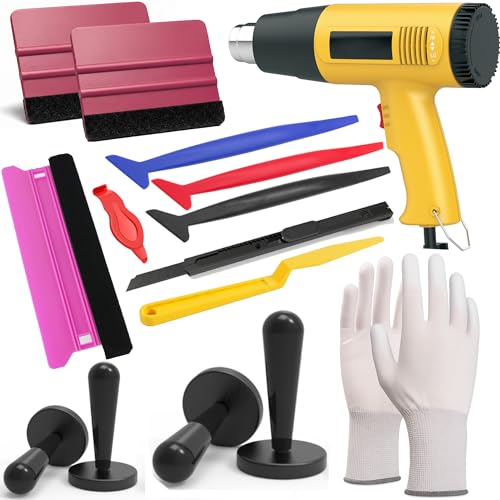
What's Inside a Complete Car Vinyl Wrap Tool Kit
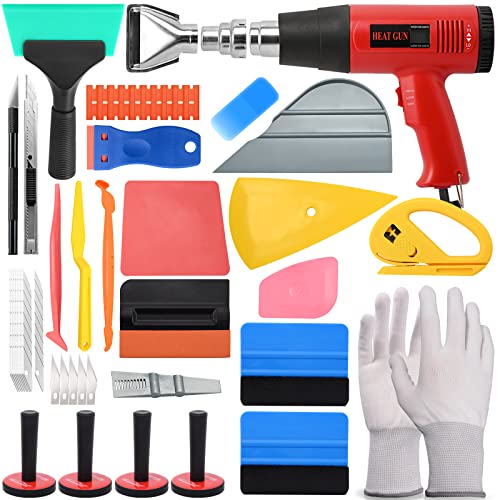
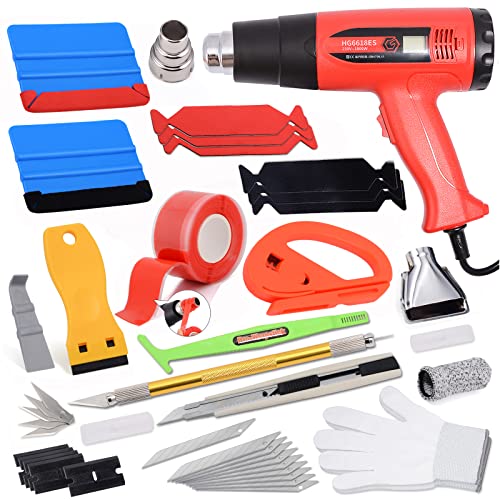
A well-rounded kit covers three jobs: prepping the panel, positioning the film, and finishing the edges. Most home installers end up needing the same core group of items no matter which vehicle they are wrapping.
- A felt-edge or hard-card squeegee, usually in more than one size for flat panels and tight curves
- A heat gun with adjustable settings for softening and stretching the film
- A cutting tool, such as a snap-blade knife or a vinyl knife with a depth guard
- Application tape or masking tape for marking panel lines and holding film temporarily
- An edge sealer or primer for panel edges where the film tends to lift
- Lint-free microfiber cloths and isopropyl alcohol for surface cleaning
- A tape measure, cutting mat, and a spray bottle for wet application methods
- A few small magnets to anchor film on metal panels while you position it
Some kits bundle all of this together, while others focus on just the application tools and leave prep supplies to be bought separately. Either way, checking the list above against what a kit actually includes will tell you quickly whether it is complete or just a starter set.
Choosing the Right Squeegee and Heat Gun
Squeegees and heat guns do most of the work during installation, so their quality matters more than anything else in the kit. A felt-edge squeegee glides over film without marking it, which makes it the safer choice for large panels and metallic finishes. A hard-card edge gives more pressure for stretching film into curves, but it can scratch certain films if it is used carelessly or without a lubricant.
Heat guns vary widely in how precisely they control temperature. A model with a digital readout and a narrow adjustment range lets you hold a steady temperature instead of guessing from a dial marked low, medium, and high. That precision matters because vinyl film reacts fast to heat, and a few degrees too many can cause shrinkage, discoloration, or bubbling that shows up days after installation. When comparing kits, look closely at the heat gun spec sheet rather than assuming any gun in the box will do, since this single component often separates the best car vinyl wrap tool kits from mediocre ones.
How to Use Your Wrap Tools for a Smooth Finish
Technique matters as much as tool quality. The general sequence is to warm a small section of film just enough to make it pliable, lay it against the panel, then squeegee outward from the center in overlapping strokes to push out air and water. Reheating and re-squeegeeing the same spot repeatedly is one of the fastest ways to overstretch the film and create thin, shiny patches known as stretch marks.
Working in a space with stable temperature and low humidity helps the adhesive behave predictably, and a wet application with a mild soap and water solution gives you extra time to reposition film before it grabs the panel. Edges and curves should be tackled last, once the flat sections are locked in, using gentle heat and firm but even pressure rather than force.
Full Kit vs Buying Tools Separately
Bundled tool kits tend to work out cheaper than buying each item on its own, and they remove the guesswork of matching squeegee hardness or heat gun wattage to the film you plan to use. For a first wrap job, a bundled kit is usually the more practical route since it guarantees the pieces work together.
Buying tools separately makes more sense once you already know which items wear out or underperform. A squeegee that is too soft for your film, for instance, might be worth upgrading on its own rather than replacing an entire kit. Either approach is reasonable, but new installers generally get more consistent results starting with a complete set rather than piecing one together from guesses.
DIY Wrap Mistakes These Tools Help You Avoid
Most wrap failures trace back to a tool problem rather than the film itself. A hard-edge squeegee used without care can leave fine scratches across a matte or satin finish, which is why many installers keep a felt-edge option on hand for sensitive films. Running a heat gun too hot, or holding it in one spot too long, is the leading cause of bubbling, warping, and premature fading.
Dull or oversized blades tend to leave jagged edges instead of clean cuts, and skipping edge primer on panels with sharp lips often leads to lifting corners within the first few weeks. Working without gloves can also leave oil and fingerprints under the film that become visible once it sets. Each of these mistakes is avoidable with the right tool and a bit of patience.
Frequently Asked Questions
What tools do I need to vinyl wrap a car myself?
At minimum, you need a squeegee, a heat gun, a cutting tool, cleaning supplies, and some form of application tape. Most home installers also add edge primer, gloves, and a spray bottle for wet application to make the process easier.
What temperature should a heat gun be set to for vinyl wrap?
Most vinyl films soften well within a moderate heat range, though the exact number depends on the film brand and thickness. Checking the film manufacturer's guidance and using a gun with precise temperature control is safer than guessing based on feel alone.
Can I use a hair dryer instead of a heat gun?
A hair dryer rarely gets hot enough to properly activate vinyl adhesive or stretch the film into curves. It might work for very minor touch-ups, but a dedicated heat gun with adjustable settings gives far more consistent results.
Is a felt-edge or hard-edge squeegee better for vinyl wrap?
A felt-edge squeegee is generally safer for beginners and for delicate finishes since it will not scratch the film. A hard-edge squeegee offers more stretching power for curves but requires more care and often a lubricant to avoid marking the surface.
Do magnets damage car paint during a wrap?
Magnets used for vinyl wrap work are typically covered or padded and are meant to sit on the film itself rather than bare paint. Used correctly, they hold film in place without scratching the panel underneath.
How do I avoid bubbles when applying vinyl wrap?
Bubbles usually come from trapped air or moisture that was not pushed out during the initial squeegee pass. Working in overlapping strokes from the center outward, and using a wet application method for tricky panels, helps prevent most bubbles before they set.
Are DIY vinyl wrap tools reusable for future projects?
Yes, squeegees, heat guns, and cutting tools can generally be reused across multiple wrap jobs as long as they are cleaned and stored properly. Blades and some cloths are the main consumable items that need periodic replacing.
Putting Your Tool Kit to Work
A good set of tools will not guarantee a flawless wrap on the first attempt, but it removes most of the avoidable problems that trip up new installers. Choosing one of the best car vinyl wrap tool kits and taking the time to learn basic technique gives any home mechanic a realistic shot at a clean, lasting finish.