
Best Car Cameras 360: 2026 Surround View Buying Guide
Disclosure: We may earn a commission when you buy through links on this page, at no extra cost to you. As an Amazon Associate I earn from qualifying purchases. Learn more
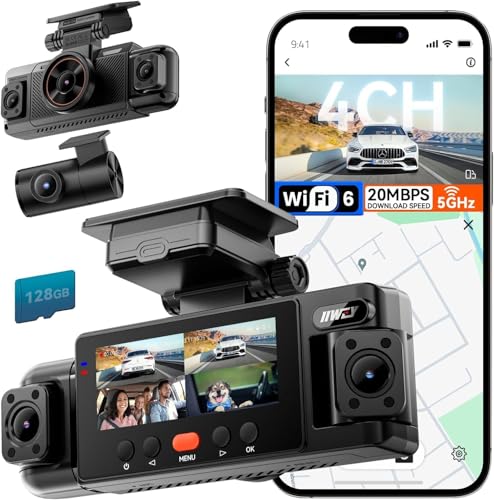
360 car cameras record all around your vehicle for parking, driving, and evidence. Compare coverage, video quality, and parking modes to choose a system.
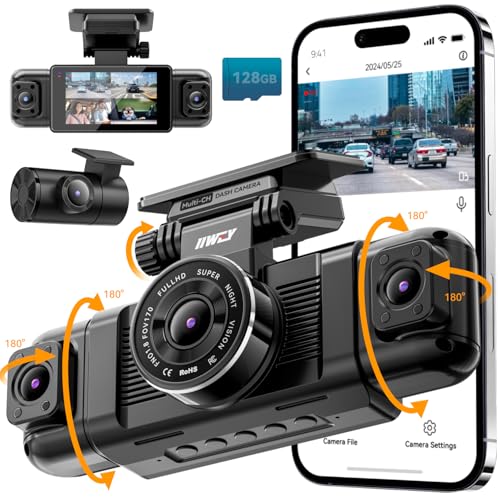
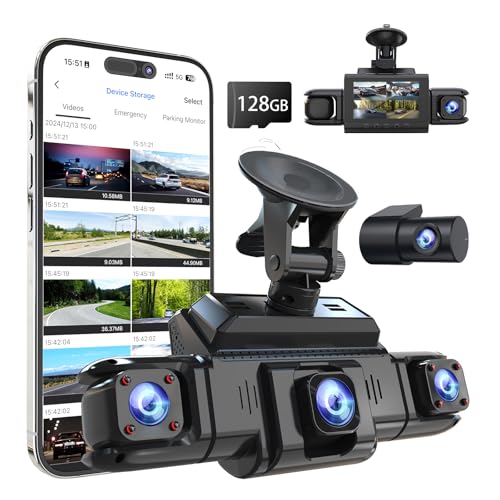
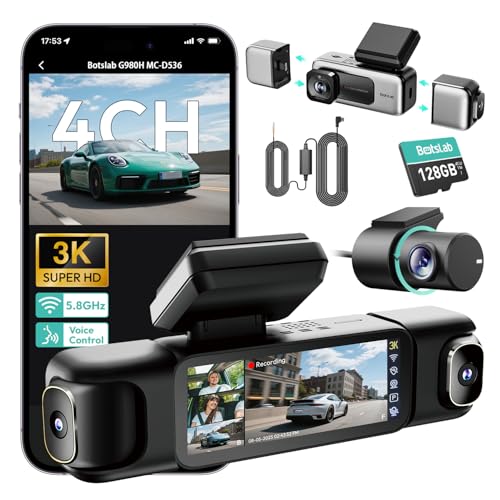
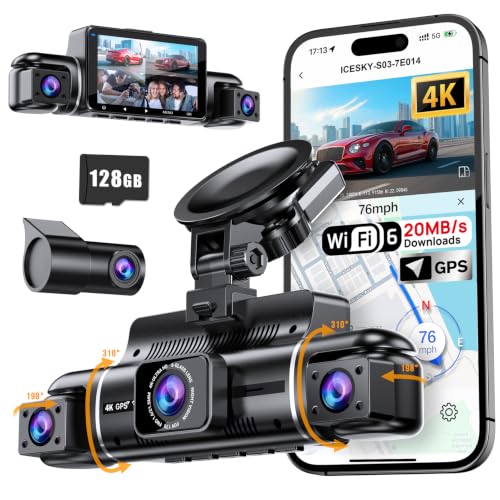
The best car cameras 360 systems record in every direction at once, covering the front, rear, and sides of your car. That full coverage helps with parking, narrow streets, and disputes after an incident, since no angle goes unrecorded. The product table above compares 360 camera system types side by side.
True 360 systems differ from single dash cameras. Some use several cameras stitched into a bird eye view for parking, while others use a single 360 degree lens on the roof or windscreen. Each approach has strengths: stitched systems show parking lines clearly, while single lens systems record everything with simpler wiring. This guide explains both, plus video quality, storage, and parking modes.


Who Should Buy a 360 Car Camera
City drivers and owners of large vehicles gain most. Parking in tight spaces, navigating narrow streets, and watching blind spots all get easier with a surround view. Fleet owners and rideshare drivers value full coverage for incident evidence and passenger disputes.
Parents of new drivers and owners of expensive cars also benefit, since a full record protects against false claims and hit and run damage. If you park on the street overnight, a parking mode that records bumps and movement adds real security. Casual drivers with a garage and quiet roads may find a front and rear dash camera enough.
System Types Explained
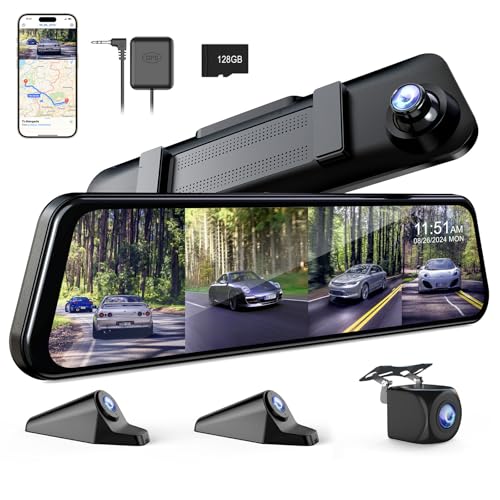
Stitched surround view systems use four or more cameras, usually front, rear, and one under each mirror, combined into a bird eye view on a screen. They excel at parking, showing kerbs, lines, and obstacles around the car. They need professional installation and calibration, since camera positions must align precisely.
Single lens 360 cameras use one panoramic lens to record all directions at once. They install simply, often on the windscreen or roof, and record everything for evidence. They show less parking detail than stitched systems and can distort edges, but they cost less and suit drivers who prioritise recording over parking assistance.
Video Quality and Storage
Video quality decides whether footage is useful. Look for at least 1080p per direction, good night performance, and wide dynamic range for bright and dark scenes together. Night quality matters most, since many incidents happen in low light. Check sample footage at night before you buy, not just daytime clips.
Storage uses memory cards or built in storage, with loop recording that overwrites the oldest footage. Larger cards keep more history, and a card rated for continuous writing lasts longer. An incident lock button or automatic impact sensor protects important clips from overwriting. Cloud backup suits fleet users but adds subscription cost.
Parking Mode and Installation
Parking mode records while the car is off, triggered by motion or impact. It needs a hardwire kit or a battery pack, since it draws power when parked. Set voltage cutoffs so the system never drains your car battery flat. Motion sensitivity settings prevent endless clips from passing traffic.
Professional installation suits stitched systems, since camera alignment and wiring through doors and mirrors take skill. Single lens systems often install with a suction mount and a power cable, which most owners can manage. Check local laws on recording and data use, especially for audio recording and for cameras that film private property.
A Final Check Before You Order
Before you order, decide whether parking assistance or incident recording matters more, since that choice decides between a stitched surround view system and a single lens panoramic camera. Stitched systems excel at parking with a bird eye view but need professional fitting and calibration, while single lens systems record everything with simpler fitting but show less parking detail. Be honest about your main need before you spend.
Check video quality at night from real sample footage, since many incidents happen in low light and daytime specs hide weak night sensors. Look for wide dynamic range, good low light performance, and readable number plates in dark clips. Check the memory card requirements too, since continuous recording needs cards rated for constant writing, and cheap cards fail early.
Finally, check parking mode power needs and local recording laws. Parking mode needs a hardwire kit with voltage cutoff or a battery pack, and audio recording or filming private property may face legal limits where you live. Research the rules for your area, and buy from a seller who can explain installation options for your car model.
Getting the Most From Your Choice
Once your system arrives, test it thoroughly in your real conditions: day, night, rain, and parking garages, checking that number plates stay readable and that the bird eye view aligns with real kerbs and lines. Adjust camera angles and sensitivity settings during the first week, since factory defaults rarely suit every car and street. Keep test clips to compare after adjustments.
Build a footage habit: check that loop recording works, that impact clips lock correctly, and that you know how to save and share a clip from your phone or computer. An incident is the wrong time to learn your camera software, so practice saving a clip in daylight. Format the memory card regularly as the maker recommends, since fragmented cards cause recording gaps.
Maintain the system by cleaning lenses often, especially in winter road salt and summer insects, since dirty lenses ruin night footage first. Check mounts and cables after rough roads, and update firmware when the maker releases fixes for recording or parking mode. A clean, updated, well tested system protects you far better than an ignored one.
Related Buying Guides
To compare a 360 system with simpler options, read our guides to the best car cameras, the best car dashboard cameras, and the best car dash cameras. For parking help alone, the best reverse cameras for cars may be enough.
Frequently Asked Questions
What is the difference between a 360 camera and a dash camera?
A dash camera usually records only the front, or front and rear, while a 360 car camera system records in every direction at once. Stitched systems combine several cameras into a bird eye view for parking, while single lens systems record a panoramic view for evidence. A 360 system costs more and covers blind spots and side impacts that a dash camera misses, which matters for parking and disputes.
Do 360 car cameras help with parking?
Yes, stitched surround view systems help greatly with parking, since the bird eye view shows kerbs, lines, and obstacles around the whole car. They suit tight spaces, large vehicles, and drivers who struggle with blind spots. Single lens 360 cameras record everything but show less parking detail, so they help less for precise manoeuvring. Choose a stitched system if parking assistance is your main goal.
How good is 360 car camera video at night?
Night quality varies widely and matters most, since many incidents happen in low light. Look for good low light sensors, wide dynamic range, and infrared or low light modes where offered. Check sample night footage before you buy, not just daytime clips. Clean lenses regularly, since dirt and condensation ruin night footage faster than day footage, and check that number plates stay readable in the dark.
Will parking mode drain my car battery?
Parking mode draws power while the car is off, so it needs a hardwire kit with a voltage cutoff that stops recording before the battery goes flat. A dedicated battery pack avoids car battery drain entirely but adds cost. Set motion sensitivity carefully to avoid endless clips from passing traffic. If you park for weeks at a time, disable parking mode or use a battery pack to protect your car battery.
Can I install a 360 car camera myself?
Single lens 360 cameras often install simply with a suction mount and a power cable, which most owners can manage. Stitched surround view systems need professional installation, since cameras mount under mirrors and in bumpers, and the system needs precise calibration. Wiring through doors and trim takes skill and risks damage if done poorly. Budget for professional fitting when you choose a stitched system.
Final Thoughts
Choosing the best car cameras 360 means deciding between parking help and recording coverage. Stitched systems excel at parking with a bird eye view, while single lens systems record everything with simpler fitting. The product table above can help you compare system types side by side. Check night footage, size your storage, and set parking mode carefully for your battery.


