
Best Car Cameras for 2026: Budget, Midrange, and Premium Tiers
Disclosure: We may earn a commission when you buy through links on this page, at no extra cost to you. As an Amazon Associate I earn from qualifying purchases. Learn more
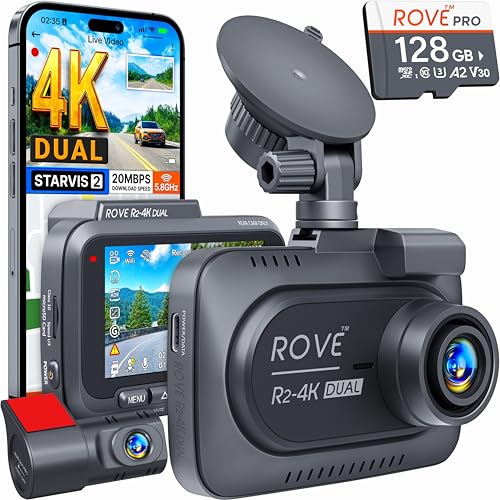
See what the best car cameras cost at each tier, what the extra money buys in channels, night footage and power protection, and what a full install adds.
Car camera prices run from pocket money to a full weekend of wages, and the gap is not just resolution: channels, night sensors, installation and power protection all hide inside it. Choosing the best car cameras for your budget means pricing the whole setup, not the box. This guide breaks down what each tier really includes, which features earn their money, and the honest limits of what any camera in your windshield can do. The product table above lines the tiers up side by side.
Every figure here is a total cost figure, counting the memory card, the wiring kit and, where most owners need it, professional installation. A camera that looks cheap can end up costing the most once a flat battery and a tow truck join the bill.

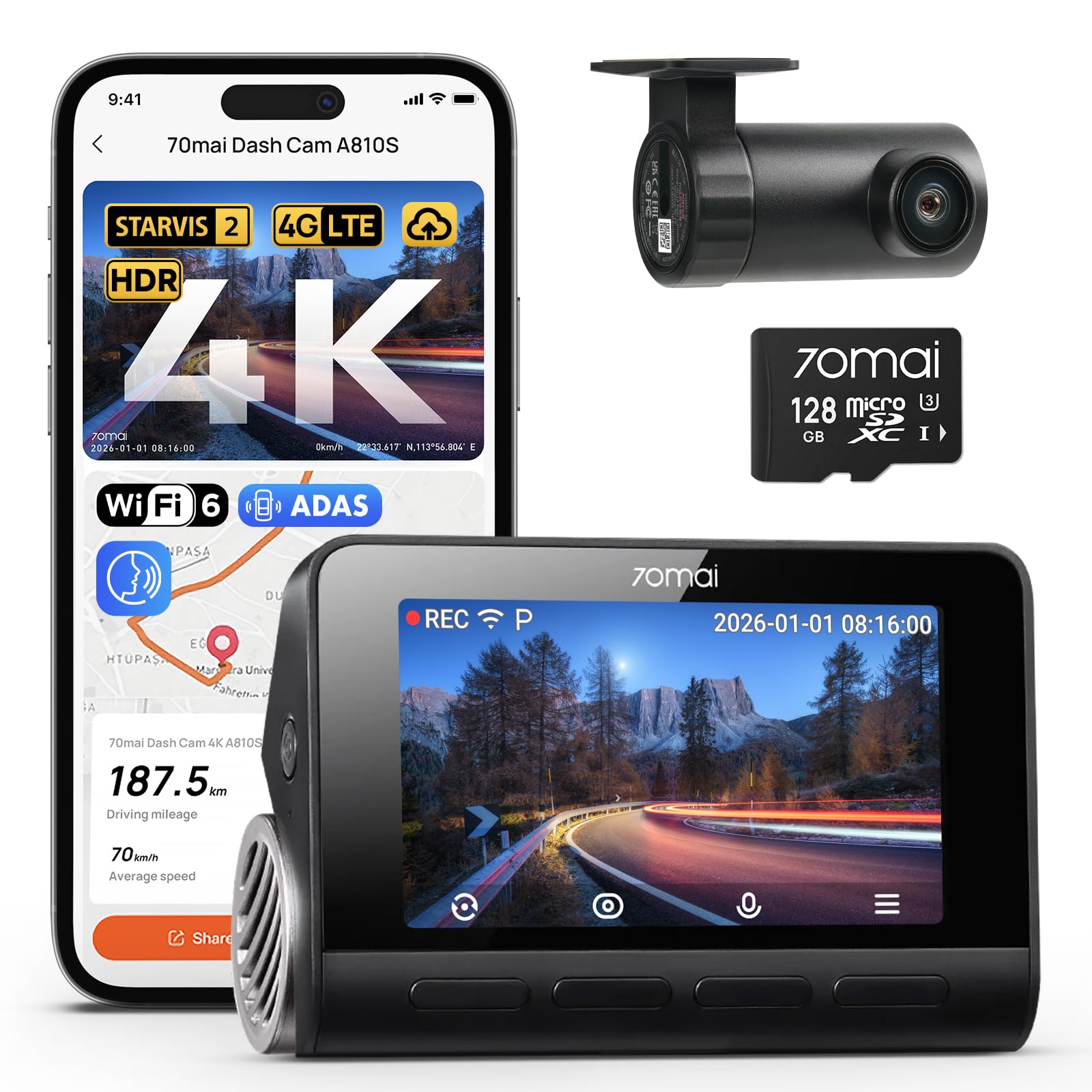
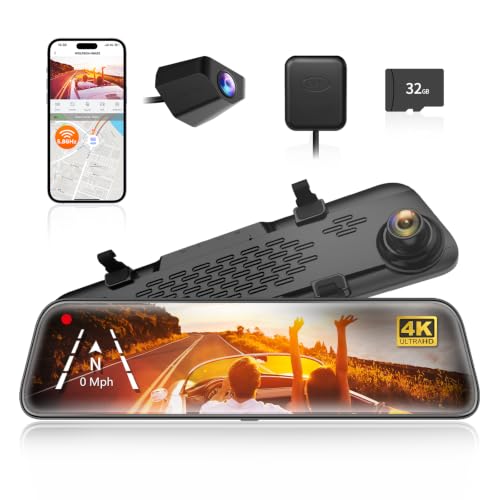
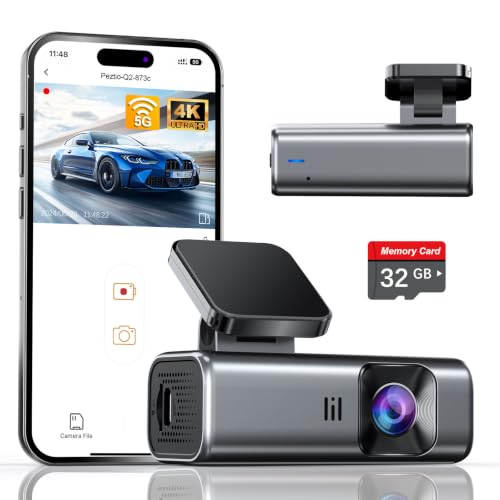


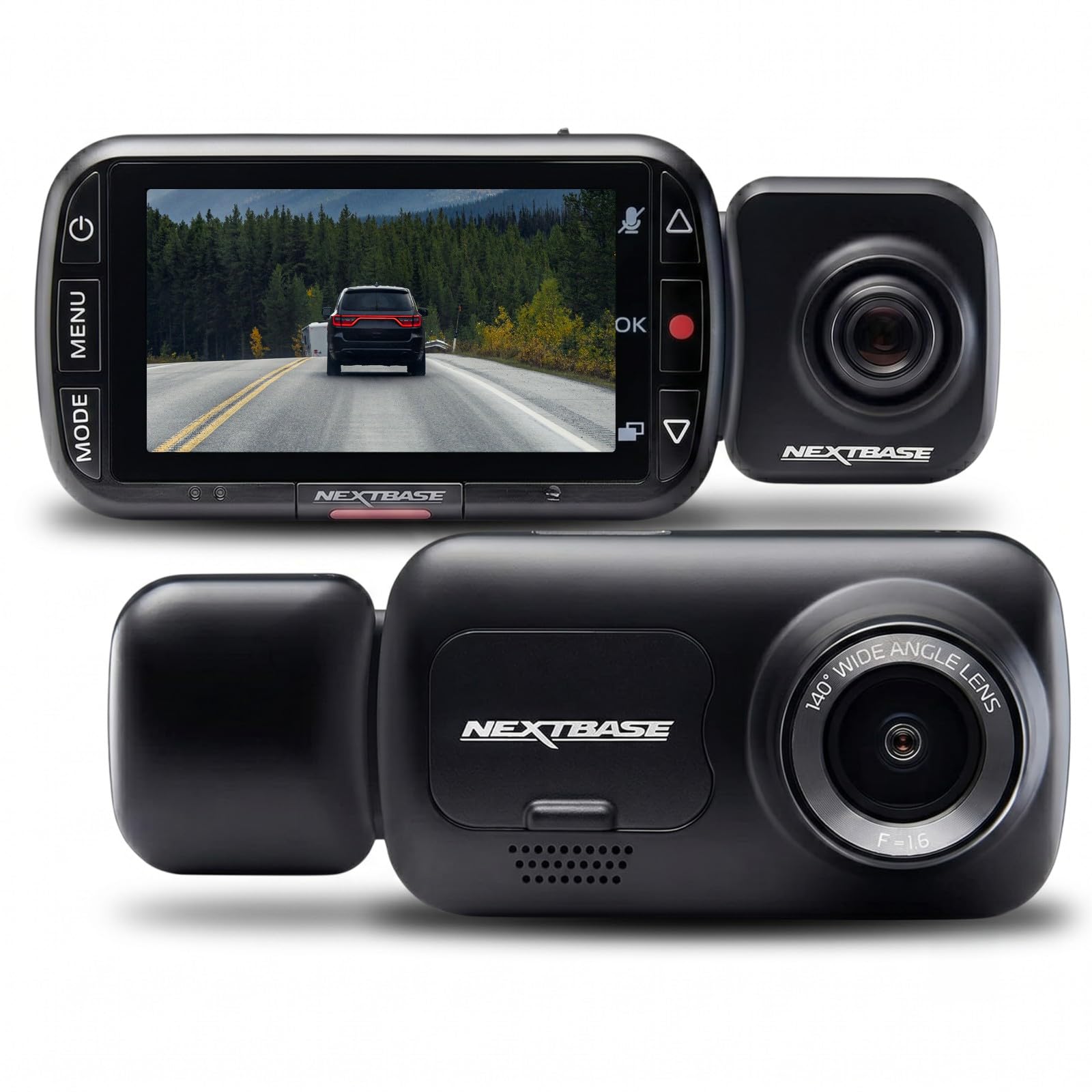
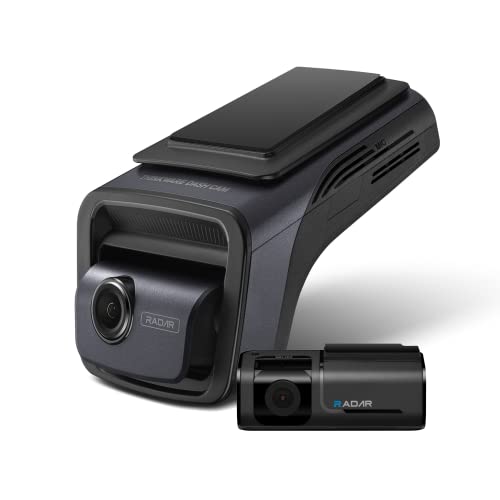

Three Setups Drivers Actually Buy
Budget follows setup, and setup follows risk. Most drivers end up with one of these three arrangements, so price them in this order before comparing individual model lines.
A Single Front Facing Camera
The entry setup is one camera behind the mirror recording the road ahead, and for many drivers it is genuinely enough. Expect about $60 to $150 including a suitable memory card. Coverage is honest but partial: it shows what happened in front of you, not the car that clipped your rear quarter in a parking lot. Our guide to the best car dashboard cameras compares the mounting and screen styles inside this class. Choose it for a first camera, a second car, or a simple commute where front evidence covers your main worry.
Installation is a cable tucked along the headliner and a plug in the power socket, which most owners manage in under an hour. That simplicity is part of the value: nothing about this setup should scare a first time buyer.
Front and Rear Pairs
Adding a rear channel is the step most drivers describe as the real upgrade, because rear impacts are common and hard to argue without footage. Installed totals usually land around $150 to $300, with the rear cable run through the cabin trim adding either your afternoon or a fitter fee. The rear camera also watches the car while parked when paired with the right power kit. Resolution on the rear channel is often lower than the front, which is normal at this money and fine for context and plates at close range.
This is the setup to price first for family cars and new drivers. It covers the two directions nearly every claim argues about, without paying for cabin views most households never review.
Full Coverage With Cabin and Backup Views
The top setup adds a cabin facing camera and a dedicated reversing view, covering rideshare work, teen drivers and tight parking in one system. Hardware runs about $250 to $500, and installation can add about $100 to $250 where wiring into reverse lights and trim panels is involved. Dedicated reversing views from the best reverse cameras for cars class trigger with the gear selector and show guide lines a dash camera rear channel usually lacks. The gain is completeness; the cost is wiring complexity and more footage to manage.
Buy this tier for a reason you can name, such as passenger work or a learner in the family. Bought without one, it becomes expensive insurance against arguments that never happen.
What Your Money Gets You at Each Price Tier
Tiers below are installed totals, card and fitting included. If you are still learning the naming you will meet in listings, our guide to the best car dash cameras explains the terms before you spend anything.
Budget Tier: Under About $100 All In
Budget buys a single front camera, 1080p class recording and basic loop storage, and it beats having nothing by a wide margin. What you give up is night clarity, rear coverage and graceful parking features; cheap power adapters and bundled cards are the usual failure points at this level. Spend the small extra on a proper endurance card even here, because a failed card quietly turns the whole purchase into decoration. This tier suits older cars, spare vehicles and anyone testing whether a camera fits their routine.
Midrange Tier: About $150 to $350 Installed
Midrange is where the setup becomes a system: front and rear channels, stronger night sensors, GPS logging on many models and parking modes with voltage protection. Footage quality jumps most at night, where plates stay readable further into the dark. Most family cars and daily commuters should shop here, because the tier covers the common claim situations without paying for cabin views or cloud services they will never open. Installation is the swing cost at this level, so get the fitting quote before choosing the exact model line.
Premium Tier: About $400 and Up Installed
Premium money buys coverage and convenience rather than magic: three channels, the best current night sensors, cloud alerts where offered and cleaner installs with hidden wiring. It also buys better reversing help, and our guide to the best backup cameras for cars shows how dedicated displays compare with mirror and screen integrations. Choose this tier for rideshare income, high value vehicles or teen drivers, where the extra angles answer questions the cheaper tiers leave open. Everyone else is paying for polish.
Features Worth Paying For (and Ones to Skip)
Night Recording and Plate Readability
Night performance is the feature worth real money, because a large share of disputed incidents happen after dark. Makers advertise night modes loudly, but the honest test is whether plates stay readable at following distance in street light, which depends on sensor sensitivity and restrained image processing. Over sharpened footage looks crisp in adverts and smears moving plates. Pay for proven sensor classes and honest sample footage; skip branded night vision labels that promise a clarity a windshield camera cannot deliver.
Resolution, Frame Rates and Loop Recording
Resolution steps from 1080p to 1440p to 4K buy detail at distance, with diminishing returns once the windshield, heat shimmer and compression have their say. Frame rate matters less for evidence than for smooth motion at highway speed. Loop recording, which overwrites the oldest files, matters more than either: confirm the camera locks the minutes around an impact automatically and that locked files cannot be overwritten. Skip slow motion modes and still photo features entirely, since they add menu clutter and nothing to an insurance claim.
Lens Angle and the Image Sensor
Wide lenses see more of the junction and less of any one car: maker figures of 140 to 170 degrees describe the diagonal view and always bend straight lines at the edges. A view near the middle of that range balances context and plate size for most cars. Sensor quality decides how that view looks at dusk, which is why two cameras with identical resolution headlines can produce very different evidence. Skip ultra wide fisheye claims, because distortion shrinks distant plates exactly where you need them largest.
Power Draw and Parking Mode
Parking mode is the feature most likely to hurt you if bought carelessly. A camera sipping power all night can flatten a weak battery by morning, so the kit matters: hardwire setups with a voltage cutoff that stops recording before the battery reaches starting risk are the safe pattern. Dedicated camera battery packs cost more and isolate the car battery entirely. Motion and impact triggered modes sip less than always on recording. Pay for the cutoff or the pack, and skip parking mode run straight from a basic adapter.
Size, Mounting and the Screen Question
A camera you notice is a camera you will eventually remove, so size and mounting deserve budget attention. Adhesive mounts hold firmer than suction cups through summer heat, and compact bodies hide behind the mirror where they block nothing. Screens help aim the lens and review clips at the roadside, while screen free designs rely on a phone app and stay smaller. Pay for a mount and form that suit your windshield and climate; skip swivel gimmicks and decorative housings that draw eyes in parking lots.
What Car Camera Footage Can and Cannot Do
Be clear about the bargain any car camera offers. Footage is evidence, and evidence cuts both ways: the same clip that proves another driver ran the light also records your speed, your lane discipline and your rolling stop earlier that morning. Insurers and police treat footage as one account among several, not a verdict, and a camera never prevents the crash it records. Buy one to settle arguments, not to win them automatically.
Use it safely and legally. Never touch, adjust or review a camera while driving; set it before you move and check clips only when parked. Recording rules vary by place, and audio recording is restricted more tightly than video in many areas, so check local law and, for rideshare work, your platform rules, since platforms set their own consent and signage expectations for passengers. Parking mode needs the voltage protection described above, endurance memory cards are consumables that wear out and need replacing, and a backup view assists your mirrors and shoulder checks rather than replacing them.
Choosing Car Cameras for Your Situation
Where the Money Goes
Read the phrase as a total cost question. Across every tier the money lands in the same four places: the sensor that decides night footage, the extra channels that decide coverage, the power kit that decides whether parking mode is safe, and the installation that decides whether wiring stays hidden and reliable. A buyer who funds those four in order gets more from a midrange setup than a buyer who spends the same total on a flagship front camera and a bargain card.
Long Term Costs to Factor In
The camera is the first payment, not the last. Endurance cards wear under constant rewriting and should be budgeted as a replacement every year or two, sooner in hot climates where cabin heat cooks them daily. Hardwire kits, longer rear cables and professional fitting are one time costs that follow the car, while a camera battery pack is a consumable with a life of a few years. Add a second mount and card if the camera will move between vehicles, and think twice about permanent adhesive on a car you plan to sell soon.
Warranty length on the camera itself is the final line. Cheap units with short cover can cost more per year of service than midrange ones, which is the quiet arithmetic behind most tier advice. Subscription plans belong on this list too: on models that offer cloud storage and phone alerts, those services often stop working when the plan lapses, so count the yearly fee as part of the tier you are really buying.
Car Cameras: Your Questions Answered
Will a car camera drain my car battery while parked?
It can, which is why the power setup matters more than the camera. Parking mode draws a small current all night, and a weak or old battery may not recover by morning. A hardwire kit with a voltage cutoff stops recording before the battery reaches the level needed to start the engine, and a dedicated camera battery pack avoids the car battery entirely. If your car sits unused for days at a time, choose the pack or skip parking mode.
Do I need a rear camera as well as a front one?
For most drivers, yes: it is the upgrade that changes what footage can prove. Rear impacts and parking knocks are among the most common incidents, and a front camera shows only your reaction to them. The rear channel adds cable routing or a fitting cost, which is why it belongs in the first purchase rather than a later retrofit. Single front coverage still beats none, so buy front only rather than delaying altogether.
Can car camera footage be used with my insurer or the police?
Usually yes, and handlers often welcome clear footage because it settles fault faster than statements alone. Keep the original file unedited, note the time quickly since camera clocks drift, and hand over copies rather than the card itself. Rules on recordings differ by place, and footage can also be used by the other side, so share it with your insurer first and let them judge how it helps your claim.
How big a memory card does a car camera need?
Size decides how far back your loop reaches before overwriting. A 128 GB endurance card typically holds many hours of front footage and far less on a three channel system, which is the honest way to compare. Bigger is not always better, since some cameras cap the card size they accept, so check the maker limit before buying. Format the card in the camera monthly to keep the file system healthy.
Is a cheap car camera better than using my phone?
Yes for this job, even at budget prices. A phone gives excellent video but ties up the device you need for calls and directions, overheats in a sunny windshield, and stops recording when anything interrupts it. A cheap dedicated camera starts with the engine, loops without attention and survives heat that shuts phones down. Spend the saved money on a proper endurance card instead, and the budget setup becomes genuinely dependable.
Final Thoughts
Three decisions carry a car camera purchase: how many channels your risks need, whether the night sensor is honest, and whether the power setup protects the car as well as the claim. The product table above lays the tiers side by side so the trade offs are easy to weigh. Everything beyond those three is convenience, and convenience can wait for the next car. Fund them in order and the best car cameras for your budget stop being the most expensive box and become the setup still working on the one bad day that matters.


