
Best Car Booster Pack: 2026 Jump Starter Buying Guide
Disclosure: We may earn a commission when you buy through links on this page, at no extra cost to you. As an Amazon Associate I earn from qualifying purchases. Learn more

A car booster pack can restart a dead battery without another car. Compare peak amps, battery size, safety features, and extras to pick a reliable pack.
A dead battery always happens at the worst moment, which is why the best car booster pack earns its place in the boot. A booster pack, also called a jump starter, delivers a burst of power to crank an engine without another car or a tow. The product table above compares booster pack sizes and features side by side.
Modern booster packs are far smaller than the heavy units of the past, with lithium batteries that hold a charge for months and fit in a glovebox. They also charge phones, power small devices, and often include a torch. This guide explains peak amps, engine size matching, safety features, and care, so your pack works on the day you actually need it.


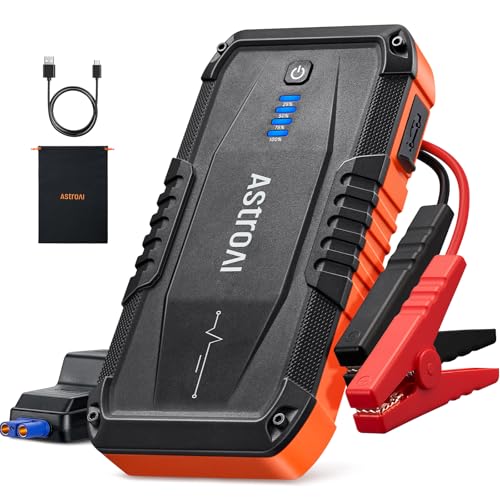
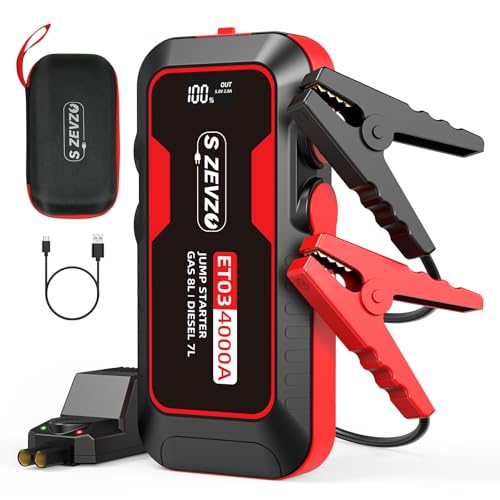

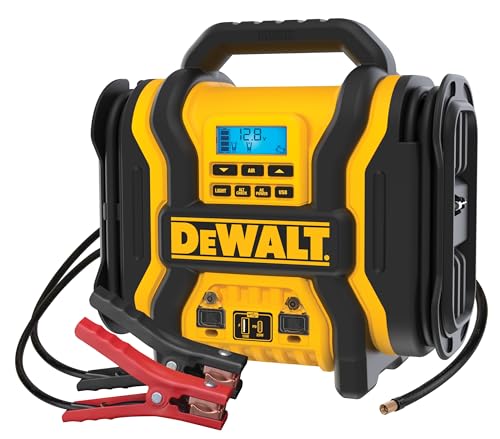


Who Should Carry a Booster Pack
Every driver benefits, but some need one more. Older cars, cars with ageing batteries, and cars parked for weeks at a time face dead batteries often. Cold climates drain batteries faster, and short trips that never fully recharge the battery add to the risk. Diesel owners need stronger packs, since diesel engines demand more cranking power.
Remote travellers, rural drivers, and anyone who drives alone at night gain real peace of mind from a pack. A booster pack also helps others: you can assist a stranger without manoeuvring two cars nose to nose. Keep it charged and accessible, not buried under luggage.
Peak Amps and Engine Size
Peak amps describe the maximum burst a pack can deliver, and they should match your engine. Small petrol cars often start with 400 to 700 peak amps, while larger petrol engines need 700 to 1000. Diesel engines and large trucks need 1000 to 2000 peak amps or more. Check the maker guidance for your engine size and fuel type rather than guessing.
Battery capacity, measured in milliamp hours, decides how many jump attempts and phone charges a pack gives. A larger capacity suits larger engines and multiple uses. Note that peak amps sell packs, but sustained cranking amps and battery quality decide real performance, so favour reputable makers with clear specs over inflated claims.
Safety Features That Matter
Safety features protect you and your car electronics. Reverse polarity protection stops damage if you clip leads backwards, and spark proof clamps prevent sparks when connecting. Over current, over voltage, and short circuit protection guard the pack and the car. A clear indicator for correct connection helps in the dark or rain.
Clamp quality matters too. Solid, well insulated clamps grip battery terminals firmly and resist corrosion. Short, thick cables deliver power better than long, thin ones. A sturdy case protects the pack in a boot full of shifting gear.
Care and Keeping It Ready
A booster pack only helps if it holds charge. Check the charge every two to three months and top it up, since lithium packs self discharge slowly. Store it in moderate temperatures, not in extreme heat or freezing cold for long periods, which degrade the battery. Keep the clamps clean and the cables untangled.
Learn the jump procedure before you need it: connect red to positive, black to a solid engine earth point, start the car, then remove leads in reverse order. Read your pack manual and your car manual, since some cars have special jump points or sensitive electronics. If a battery repeatedly dies, have it and the charging system tested, since a pack treats the symptom, not the cause.
A Final Check Before You Order
Before you order, check your engine size and fuel type against maker guidance, since diesel engines and large petrol engines need far more peak amps than small petrol cars. An undersized pack may click helplessly on a cold morning, while an oversized pack costs more and weighs more but starts almost anything. When in doubt between two sizes, choose the stronger pack, since jump power matters most on the worst day.
Compare safety features carefully: reverse polarity protection, spark proof clamps, over current and short circuit protection, and a clear correct connection indicator. These features protect you and your car sensitive electronics, especially on modern cars with complex systems. Read user comments about clamp quality, since flimsy clamps slip off terminals at the worst moment.
Finally, check the pack extras against your real needs: USB charging for phones, a torch for night use, a 12 volt output for accessories, and a sturdy case that survives a boot full of shifting gear. Extras add cost and weight, so favour the extras you will actually use on trips and in emergencies, not a long feature list you will never open.
Getting the Most From Your Choice
Once your pack arrives, charge it fully and practice the jump procedure in daylight on your own car, following both the pack manual and your car manual. Learn where your battery terminals and earth points are, and note any special jump points for your model. A practice run in daylight makes a real jump at night in rain far less stressful.
Build a quarterly check habit: inspect the charge level every two to three months, top it up, check clamps for corrosion, and untangle cables. Store the pack where you can reach it quickly, not buried under luggage, and keep the manual with it. A pack that lives charged and accessible earns its place, while a pack forgotten flat in a boot is just weight.
If your car battery dies repeatedly, have the battery and charging system tested rather than relying on the pack every week. A failing alternator, a parasitic drain, or an ageing battery needs fixing, and a pack only masks the problem until the day it cannot start the car at all. Use the pack as a safety net, not as a substitute for maintenance.
Related Buying Guides
If you are still choosing a format, our pages on the best booster pack, best car jump pack, and best car jump starter pack compare the same kind of unit, while the battery booster pack and car battery booster guides add detail on capacity and clamps.
Frequently Asked Questions
What size booster pack do I need for my car?
Match peak amps to your engine: small petrol cars often start with 400 to 700 peak amps, larger petrol engines need 700 to 1000, and diesel engines and trucks need 1000 to 2000 or more. Check the maker guidance for your engine size and fuel type. Larger capacity also gives more jump attempts and phone charges. When in doubt, choose a stronger pack, since an undersized pack may fail on a cold morning.
How do I use a car booster pack safely?
Connect the red clamp to the positive battery terminal and the black clamp to a solid, unpainted engine earth point away from the battery. Switch the pack on, start the car, then remove the black clamp first, then the red. Use a pack with reverse polarity and spark proof protection, and read your car manual for special jump points. Never connect clamps to damaged or leaking batteries, and keep hands clear of moving engine parts.
How often should I charge my booster pack?
Check the charge every two to three months and top it up, since lithium packs self discharge slowly over time. Store the pack in moderate temperatures, not in extreme heat or freezing cold for long periods. Many packs show charge with indicator lights or a display. A pack that sits dead for a year may not recover, so a simple quarterly check keeps it ready for the day you need it.
Can a booster pack charge my phone?
Yes, most booster packs include USB outputs that charge phones, tablets, and other small devices, which is handy on trips and during power cuts. Charging phones uses capacity, so top the pack up after heavy phone use if you want full jump power ready. Keep a charging cable with the pack, and note that phone charging does not affect the jump clamps, which stay ready for the car.
When should I replace a car battery instead of boosting it?
Replace the battery if it dies repeatedly, struggles to crank even when charged, shows swelling or leaking, or is older than four to five years. A booster pack treats a flat battery, not a failed one. Have the battery and charging system tested at a garage or parts shop, since a failing alternator or a parasitic drain will keep killing even a new battery.
Final Thoughts
Choosing the best car booster pack comes down to peak amps for your engine, real safety protection, and a charging habit that keeps it ready. Match the pack to petrol or diesel, favour solid clamps and clear indicators, and check the charge every few months. The product table above can help you compare sizes side by side. A charged pack in the boot turns a dead battery from a crisis into a short delay.


