
Best Booster Pack for Your Car: Jump Starter Buying Guide
Disclosure: We may earn a commission when you buy through links on this page, at no extra cost to you. As an Amazon Associate I earn from qualifying purchases. Learn more

A plain guide to choosing the best booster pack (portable jump starter) for your car, truck, or SUV: amps, safety, charging, and use.
A dead battery always picks a bad moment, and a portable jump starter lets you restart the engine without another car or a pair of cables. This guide explains how to choose the best booster pack for your vehicle, covering engine size, peak amps, safety features, and storage, so you buy one that works when you need it.
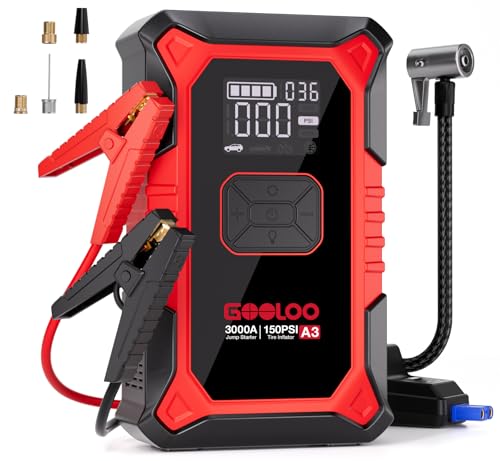
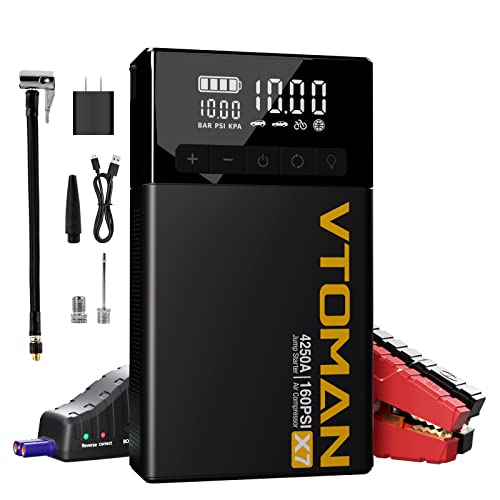
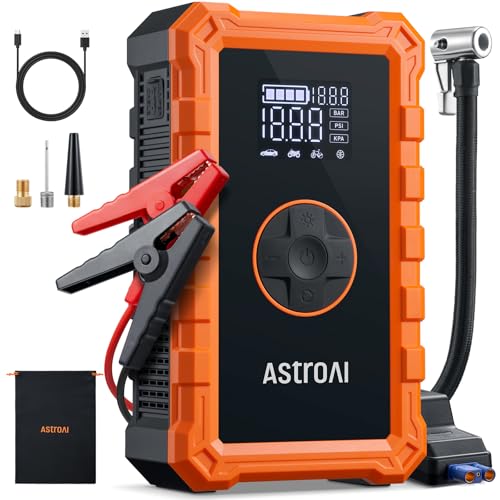
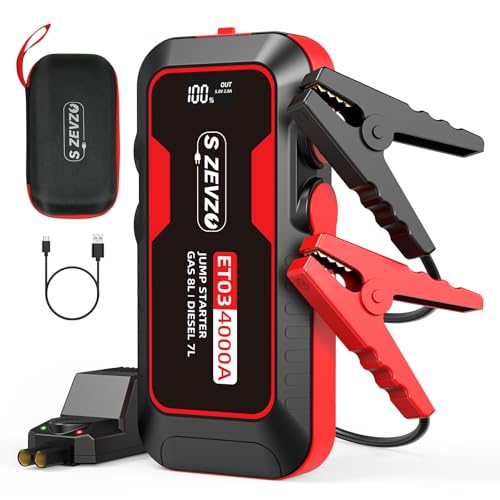
The product table below shows current options. The sections after it explain the numbers on the box, which type fits which driver, and how to use a pack safely.



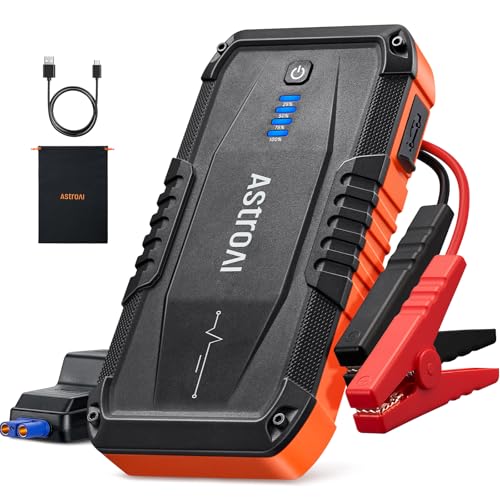
What a Booster Pack Does
A booster pack, also called a jump starter or jump pack, is a compact lithium battery with short heavy cables and clamps. You connect it to a flat car battery, start the engine, and disconnect. It replaces a second vehicle and long jumper cables, and most packs also work as a power bank for phones. A booster pack gives a one-time boost to start the engine. It does not repair a worn battery or a failing alternator.
Which Booster Pack Suits Which Driver
Everyday commuters
Drivers of small and midsize cars need a compact pack that fits in a glove box. A pack rated around 1,000 to 2,000 peak amps starts most four and six cylinder gas engines.
SUV, truck, and diesel owners
Larger gas engines and diesels draw far more current, especially in cold weather. Look for a pack with 3,000 peak amps or more, and check that the maker lists your engine size and fuel type.
Road trip and rural drivers
If you drive long distances or far from help, a pack with a built-in air compressor, flashlight, and USB ports adds real value. A flat tire and a flat battery are the two most common roadside problems.
Types of Booster Packs Compared
Before you pick the best booster pack, decide whether you need a compact starter, a compressor combo, or a heavy duty unit. The table summarizes the choice.
| Type | Best For | Typical Price |
|---|---|---|
| Compact lithium jump starter | Cars and small SUVs, glove box storage | About $40 to $100 |
| Jump starter with air compressor | Road trips and tire top-ups | About $60 to $150 |
| Heavy duty jump starter | Trucks, diesels, RVs, cold climates | About $120 to $300 |
Compact packs are the simplest and easiest to store. Compressor models are bulkier but cover two emergencies in one device. Heavy duty packs handle large engines and 12V/24V systems, at a higher price and size.
Key Features to Compare
Peak amps and engine size
Peak amps is the maximum burst a pack can deliver, and makers often list the largest engine it can start, such as a 6.5L gas or 3L diesel. Match that figure to your engine, then add some headroom. Peak amps alone can be inflated, so the engine rating is the more useful number.
Battery capacity
Capacity, shown in milliamp hours or watt hours, decides how many starts you get per charge and how much power remains for charging phones. Larger capacity means more weight.
Safety protections
Choose a pack with reverse polarity protection, spark-proof clamps, short circuit protection, and overcharge protection. These features stop the most common mistakes, such as clamping red and black to the wrong posts.
Cold weather performance
Lithium cells lose power in the cold. If winters are harsh where you live, look for a pack rated for low temperatures and keep it inside the cabin rather than in an unheated trunk when frost is forecast.
Extra features
A bright flashlight with an SOS mode, a digital display, and USB-C charging are useful. A tire inflator is worth paying for only if you do not already carry one.
How to Use a Booster Pack Safely
- Turn off the ignition, lights, and accessories in the stalled vehicle.
- Connect the red clamp to the positive battery terminal, then the black clamp to the negative terminal or bare metal on the engine, as the manual directs.
- Switch on the pack and wait for the ready indicator.
- Start the engine. If it does not start, wait about a minute before trying again.
- Once the engine runs, switch off the pack and remove the clamps in the reverse order.
Read the manual before you need it, and practice once in daylight. Never use a pack with damaged cables or a swollen case.
Charging and Storage
Charge the pack fully when it arrives, then top it up every two to three months, since lithium packs slowly lose charge on a shelf. Keep it away from extreme heat, because a hot closed car in summer is hard on the cells. Store it where you can reach it quickly, and recharge it after every use.
Common Mistakes to Avoid
- Buying on peak amps alone and ignoring the engine size rating.
- Choosing a compact pack for a large diesel engine.
- Leaving the pack uncharged for a year, then finding it flat during an emergency.
- Skipping the manual and clamping the cables in the wrong order.
- Expecting a booster pack to fix a battery that is simply worn out.
Choosing a Booster Pack by Budget
Packs under about $50 usually start small and midsize gas engines and offer basic clamps and a flashlight. Between about $50 and $100 you find larger capacity, better build, and sturdier clamps, which is where most drivers should look. Above about $120 the gains are heavy duty ratings, 12V and 24V support, and built-in compressors. Spend more only for a feature you will use, such as a larger engine rating.
How Long a Booster Pack Lasts
A good lithium pack lasts several years with light use. Heat and deep discharge shorten that life. Each time you use the pack, recharge it before storing it, and replace it if the case swells, the cables fray, or it no longer holds charge between top ups. Check the warranty length, since packs with longer coverage often use better cells.
Related Guides
For a close comparison, see our guides to the best battery booster pack, the best car booster pack, the best jump pack, and the best battery booster.
Frequently Asked Questions
Will a booster pack work on a completely dead battery?
Many packs have a manual override or boost button for a battery that reads near zero volts. If the vehicle starts and then fails again soon after, the battery or charging system may need a professional check.
How do I know what size booster pack I need?
Match the pack to your engine size and fuel type. Diesels and large gas engines need more current than small cars, and cold weather raises the demand. Pick a pack with headroom over the minimum.
Can a booster pack damage my car electronics?
A pack with proper safety protections greatly lowers the risk, but wrong clamp connections can still cause damage. Follow the manual order for connecting and removing the clamps.
How often should I charge a booster pack?
Top it up every two to three months and after every use, so it is ready when you need it. Check the charge indicator now and then.
Can I use a booster pack for other devices?
Most packs include USB ports for phones and small devices. Charging devices uses power you may need for a jump, so keep enough reserve in the pack.
Final Thoughts
The best booster pack is the one rated for your engine, equipped with solid safety protection, and charged when you need it. Check the product table above, match the engine rating to your vehicle, and keep the pack where you can reach it fast.


