
Best Car Battery Booster of 2026: Complete Buying Guide
Disclosure: We may earn a commission when you buy through links on this page, at no extra cost to you. As an Amazon Associate I earn from qualifying purchases. Learn more

Compare car battery booster types, peak amps, safety features and storage tips in this buying guide, so you can pick a unit that fits your vehicle.
A dead battery can turn a normal morning into a long wait for help, and a portable booster gives you a way to start your vehicle on your own terms. This guide explains how to choose the best car battery booster for your vehicle by looking at vehicle fit, starting power, safety features and storage habits, so you can compare options with confidence. Read through the key factors first, then check the product table above to narrow your shortlist.
Boosters come in several sizes and price bands, and the right choice depends more on your engine, your climate and how often you expect to use the unit than on any single headline number. The sections below walk through who benefits most, the features worth comparing, the main types on offer, and the care steps that keep a booster ready when you need it.


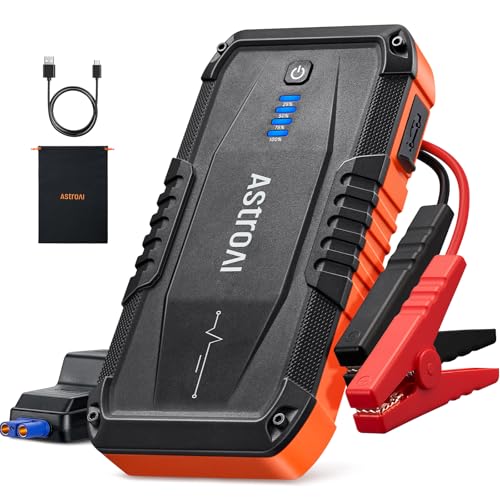
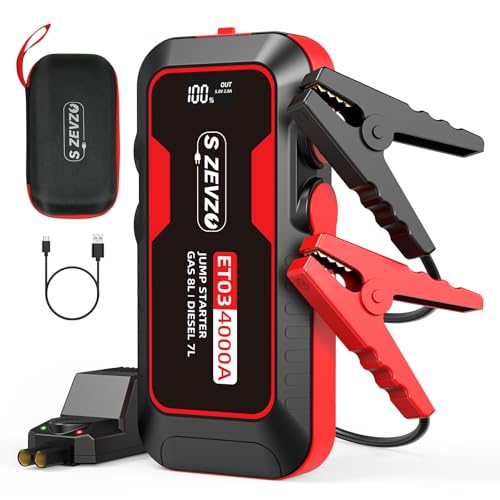

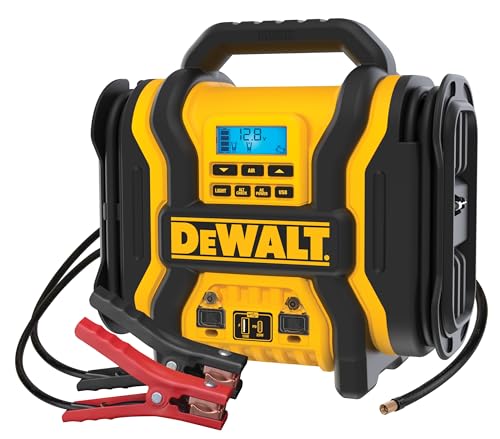


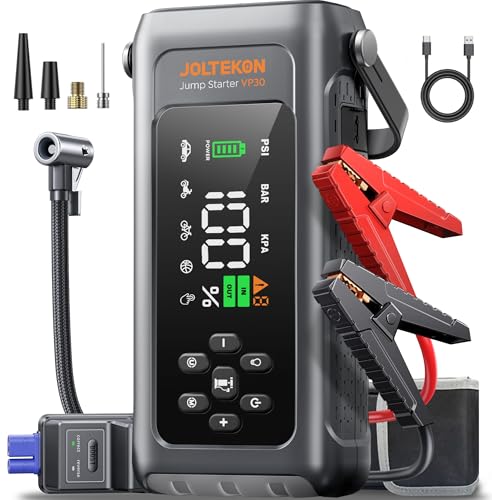
Who Benefits Most From a Portable Booster
A booster is not only for drivers with an old battery. It suits anyone who wants a backup plan for cold mornings, long parking periods, or trips far from a service station. The groups below cover the most common cases, and matching yourself to one of them makes the rest of the guide easier to apply.
Daily Commuters and City Drivers
Short trips and stop and go traffic can leave a battery partly charged, especially in winter when lights, heaters and heated seats draw extra power. A compact booster stored in the trunk gives a commuter a quick restart without waiting for roadside help. Look for a unit that is easy to carry, simple to connect, and clearly labeled so you can use it in poor light or bad weather.
Drivers in Cold Climates
Cold weather reduces a battery output and thickens engine oil, so starting takes more effort just when the battery is weakest. Drivers in cold regions should pay close attention to peak amps and cold cranking guidance from the maker, and should keep the booster itself charged and stored where it will not freeze for long periods. A unit with clear clamp indicators and protection against reversed connections is especially useful when hands are cold and patience is short.
Travelers and Outdoor Drivers
Long road trips, camping weekends and rural driving put you farther from help, so a booster doubles as peace of mind and as a power bank for a phone or a light. Travelers often value a unit with USB outputs, a built in flashlight and a sturdy case that survives life in a loaded trunk. Check the weight and packed size too, since a unit that is awkward to carry may end up left at home.
Key Features to Compare
Marketing pages tend to highlight one big number, but a good buying decision weighs several factors together. Use the factors below as a checklist, and give extra weight to the ones that match your vehicle and your driving pattern.
Vehicle Compatibility
Start with your vehicle, not with the booster. Check the engine type and size, whether the vehicle uses gasoline or diesel, and any guidance in the owner manual about jump starting. Larger engines and diesel engines generally need more starting power, while small gasoline cars can use a smaller unit. If you own more than one vehicle, choose a booster that covers the largest engine in the household, and confirm that the clamps fit your battery terminals comfortably.
For a broader look at booster sizes, see our guide to the best battery booster.
Starting Power
Peak amps describe the short burst a booster can deliver, and cold cranking amps describe starting ability in cold conditions. Compare these numbers only between units measured the same way, and treat very high claims with care when the maker gives no test conditions. For most small cars, a modest rating is enough, while trucks and larger SUVs benefit from a higher rating and a larger internal battery. Remember that a bigger number does not help if the clamps are weak or the cables are too short to reach both terminals easily.
Safety Features
Modern boosters include several protections that reduce the risk of a mistake. Reverse polarity protection warns you or blocks current when clamps are attached the wrong way round, spark proof design reduces sparking during connection, and over current protection guards against short circuits. These features matter most for new users and for use in the dark, so read how each protection works rather than assuming every unit offers the same level of cover.
If you want a unit focused mainly on jump starting, see our guide to the best car battery jumper. Keep batteries and boosters away from children, and store the unit where curious hands cannot reach it.
Ports and Extras
Many boosters double as a power bank, with USB outputs for phones and small devices, plus a flashlight with steady and flashing modes. These extras are genuinely useful on a trip, but they should not decide the purchase on their own. Judge the flashlight brightness, the number of ports and the charging speed as bonuses, and check whether the unit itself charges by USB or needs a separate wall adapter. An extra feature you never use adds cost and weight without helping you start a car.
Units that double as a power bank are also covered in our guide to the best battery booster pack.
Build Quality and Weather Resistance
A booster lives in a trunk or a garage, so it should survive bumps, dust and temperature swings. Look for a solid case, thick cables that stay flexible in the cold, and clamps that grip firmly without slipping off the terminals. Some units offer splash resistance or a sealed case, which helps if the unit is stored near wet gear. Read the maker guidance on operating temperature, and avoid leaving any booster in extreme heat for long periods.
Ease of Use
The best booster is one you can use correctly under stress. Clear labels, color coded clamps, a simple on and off control and a readable charge indicator all help. Some units add a display or voice prompts, while others keep controls to a single button. If several people in your household may use the unit, choose the simplest design that still covers your vehicle, and walk through the steps once in daylight before you ever need it in an emergency.
When wiring or vehicle electrics are unclear, power off the vehicle and ask a qualified technician for advice.
Types of Boosters by Spending Level
Rather than ranking individual products, it helps to think in spending levels. Each level suits a different mix of power, size and extras, and the right level depends on your engine and how often you expect to use the unit.
| Type | Best For | Typical Price |
|---|---|---|
| Budget and DIY options | Small gasoline cars and occasional use | About $50 to $90 |
| Midrange options | Most family cars and regular travelers | About $90 to $160 |
| Premium options | Larger engines, diesel vehicles and frequent use | About $160 to $280 |
Budget and DIY Options
Budget boosters suit drivers with a small gasoline car who want a basic backup for rare use. They are usually compact and light, with enough power for a standard engine and a single USB output. The trade off is a smaller internal battery, fewer extras and shorter cable length, so check clamp reach and charge indicators carefully. This level works well as a first unit, provided the power rating genuinely covers your engine.
Midrange Options
Midrange boosters cover most family cars, crossovers and light trucks, and they often add a stronger case, a brighter light and faster device charging. This level is a sensible default for households with two vehicles of different sizes, since one unit can serve both. Look for clear safety protections, a comfortable clamp design and a warranty that gives you confidence in the internal battery over several years of occasional use. Brand support also matters, so see our guide to the best car battery brands when comparing warranties.
Premium Options
Premium boosters offer the highest starting power, the largest internal batteries and the most complete safety and charging features. They suit larger engines, diesel vehicles, work vehicles and drivers who use the unit often or in harsh conditions. The extra size and weight are the main downsides, so measure your storage space before choosing. For most small car owners, premium power is unnecessary, but for a truck or a diesel SUV it can be the difference between a quick start and a failed attempt.
Setup and Care Tips
A booster only helps if it is charged, accessible and in good condition. The habits below keep it ready without much effort.
- Check your owner manual for jump starting guidance and battery specs before you buy, so the booster you choose matches your vehicle.
- Recharge the booster every three months, even if you have not used it, because internal batteries lose charge slowly in storage.
- Store the unit in a dry place at a moderate temperature, with cables neatly packed so clamps cannot short against metal objects.
- Inspect clamps and cables for cracks, corrosion or loose joints before each winter season, and replace a damaged unit rather than risking a poor connection. A tester can confirm whether the vehicle battery itself is weak, so see our guide to the best car battery testers before blaming the booster.
- After use, recharge the booster fully before putting it back in the trunk, and note the date so the next recharge is easy to remember.
- Power off the vehicle and unplug accessories before connecting or disconnecting, and ask a qualified technician if any step is unclear.
Frequently Asked Questions
How long does a car battery booster last?
A booster usually lasts several years when it is recharged regularly and stored at a moderate temperature. Its useful life depends on how often it is used, how deeply it is discharged and how well it is cared for. Recharging every three months, avoiding long periods in extreme heat or cold, and keeping clamps clean all help extend its life. If the unit no longer holds a charge or cannot start a vehicle it once handled easily, it is time to replace it rather than relying on it in an emergency.
Do I need professional installation for a car battery booster?
No, most portable boosters are designed for direct use without installation, since you simply connect the clamps to the battery terminals when needed. Read the maker instructions once before first use, and practice the steps in daylight so the process feels familiar. Professional help is still wise if your vehicle has unusual battery placement, if the manual warns against jump starting, or if you are unsure about any connection. In those cases, a qualified technician can confirm the right approach for your vehicle.
Will a car battery booster fit my vehicle?
Fit depends on engine size, engine type and terminal access rather than on the vehicle brand alone. Compare the booster peak amps and maker guidance against your engine, and check that the cables are long enough to reach both terminals without strain. Diesel engines and larger gasoline engines need more power, while small cars need less. If your battery sits in the trunk or under a seat, also check whether the clamp design and cable length suit that layout before you buy.
What specs matter most for a car battery booster?
Peak amps and cold cranking guidance matter most, followed by safety protections such as reverse polarity protection and spark proof design. Internal battery capacity affects how many starts you get between charges, while clamp quality and cable length affect how easy the unit is to use. Ports, lights and charging speed are useful extras but should not outweigh starting power and safety. Compare specs only between units that state their test conditions clearly, and be wary of claims that look far higher than similar sized units.
Can a car battery booster charge my phone?
Yes, most portable boosters include USB outputs that can charge a phone, a tablet or a small light during a trip or an outage. Check the output rating and the number of ports, since a single slow port may not suit a household with several devices. Using the booster as a power bank drains its internal battery, so recharge it fully afterward to keep it ready for a jump start. Treat device charging as a bonus feature, and keep starting power as the main buying criterion.
Wrapping Up
The right booster is the one that covers your largest engine, offers solid safety protections and stays charged in your trunk. Compare starting power and clamp design first, then weigh size, extras and price against how often you drive in cold weather or far from help. Keep the unit charged, check it each season, and keep it away from children. With those habits in place, the best car battery booster for your needs becomes a quiet backup you rarely think about until the morning it saves your day, so review the product table above before you order.


