
Best Car Jump Pack 2026 Buying Guide
Disclosure: We may earn a commission when you buy through links on this page, at no extra cost to you. As an Amazon Associate I earn from qualifying purchases. Learn more

Learn how to choose a car jump pack, from starting power and safety features to size, extra functions, charging habits and cold weather performance.
When a car will not start, the best car jump pack for your vehicle can turn a stressful wait into a quick fix, provided the pack matches your engine and is charged when you need it. Modern lithium packs are far smaller than old lead acid boosters, yet they still need careful matching to engine size and climate. The comparison table below gives a quick overview of the main choices before the detail that follows.
This guide focuses on practical choice: starting power, safety, size, extra features and storage habits. It is written for everyday drivers who want confidence without becoming battery experts.

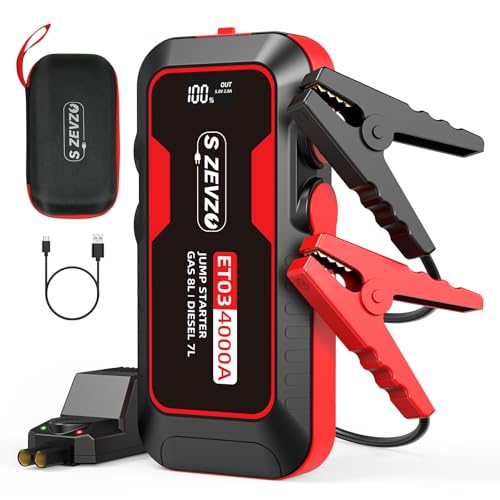

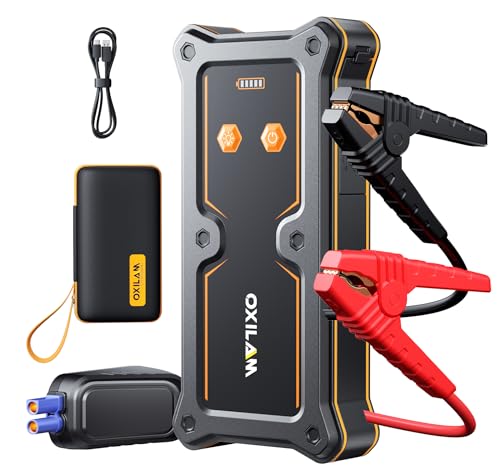

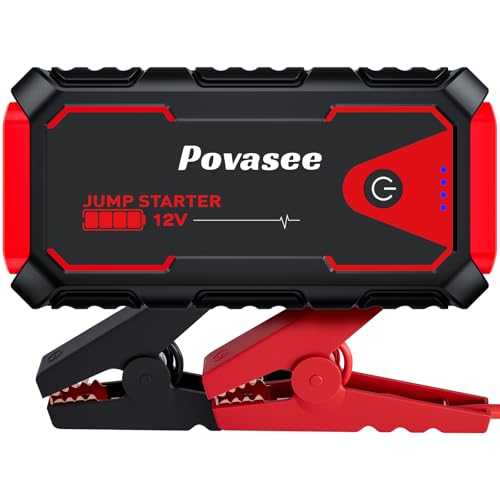

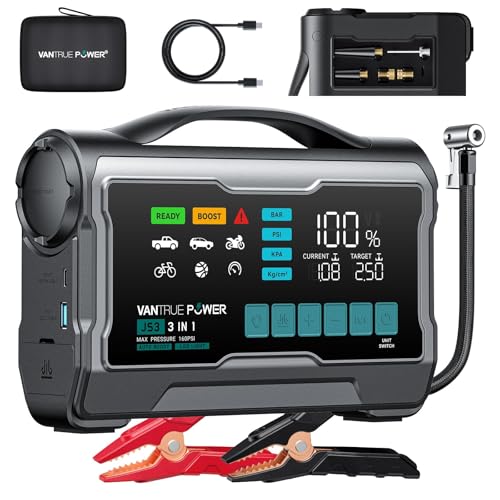
Who Should Buy a Car Jump Pack
These packs suit drivers who commute, travel, or park for long periods, and who want a backup that does not depend on another vehicle. They also suit households with several cars, older vehicles, or vehicles used seasonally. If you drive in cold weather or remote areas, a jump pack is especially reassuring.
They are less suitable for damaged, leaking, frozen or swollen batteries, where jumping is unsafe and a professional should be called. They also do not fix starter, alternator or wiring faults, so a car that repeatedly fails to start needs diagnosis. Seek help promptly if you notice smell, swelling, or visible battery damage.
Types of Car Jump Pack
Pocket size lithium packs
Pocket size packs are light enough for a glovebox and powerful enough for most small to midsize gasoline cars. They suit urban drivers who want minimal bulk and a pack they will actually carry. Check starting amps carefully, because tiny size can mean limited power for larger engines.
Midsize everyday packs
Midsize packs balance power, capacity and portability for family cars, SUVs and moderate diesel engines. They suit most households as a single shared emergency tool. They usually add USB charging and a flashlight, which helps during a night time breakdown.
Heavy duty and professional packs
Heavy duty packs offer higher starting power and tougher clamps for large engines, trucks and cold climates. They suit drivers of bigger vehicles and those who help others jump start. Expect more weight and cost, and confirm terminal compatibility before buying.
Key Features to Compare
Starting power versus engine
Starting power must suit your engine, with diesel and larger gasoline engines needing more amps than small gasoline cars. Maker guidance by vehicle class is more useful than a single peak number, because sustained starting current matters. Choose a margin above your minimum need, especially for cold weather.
Safety and ease of use
Safety features such as reverse polarity protection, spark proof clamps and clear instructions reduce risk when you are stressed or working in the dark. Look for clamps that are easy to attach with gloves and a display that confirms correct connection. A pack that is confusing to use will not help in an emergency.
Extra functions
Extra functions such as USB charging, a flashlight, or an air compressor can be genuinely useful, but they add size, weight and cost. Judge extras by your breakdown habits: a flashlight helps at night, USB helps on long waits, and a compressor helps with slow tire leaks. Do not let extras distract from starting power.
Cold weather and storage
Cold weather reduces battery performance, so a pack stored in a freezing car may deliver less power than expected. Keep the pack charged, store it within maker guidance, and bring it indoors in extreme cold if your routine allows. Regular charging matters more than any single feature for readiness.
Common Mistakes to Avoid
A common mistake is buying on peak amps alone without checking whether the pack suits a diesel engine or cold starts. Another is leaving a pack in a hot trunk for a year without charging, then finding it dead. A third is lending a pack without instructions, when a quick walkthrough would have prevented a wrong connection.
Budget and Long Term Value
Car jump packs range from budget pocket models to heavy duty units, and the right spend depends on engine size, climate and how often you travel. Most family cars are well served by a midsize pack, while large diesel owners should spend more for power headroom. Compare the pack price with a single roadside call out, which often costs more.
Getting the Most From Your Choice
Store the pack where you can reach it without emptying the trunk, keep the manual with it, and set a charging reminder every couple of months. Practice clamping on your own battery in daylight, and check for swelling or damage at each charge. If your car needs frequent jumps, book a battery and charging system test instead of relying on the pack.
A Closer Look Before You Buy
Think about the full breakdown scenario, not just the jump itself, because a flat battery often happens at night, in rain, or far from help. A flashlight, a charged phone, a reflective vest and a basic knowledge of your vehicle layout all matter alongside the pack. Keep these items together in an accessible spot, so a breakdown does not become a search through a packed trunk.
Also consider how the pack fits your household vehicles, because a pack bought for a small car may not start a larger family SUV or a diesel vehicle. If you own several vehicles, buy for the largest engine in the household rather than the smallest, or keep a note of which vehicles the pack can and cannot handle. That honesty prevents a false sense of security.
Finally, build a simple maintenance habit around the pack, such as checking charge on the first day of each season and after every use. A pack that is checked regularly will be ready when needed, while one forgotten in a trunk for a year often is not. Treat the pack like a smoke alarm: boring to maintain, invaluable when it works.
Check the pack against your specific vehicle before relying on it, including battery terminal type, engine size, and whether your car has any maker guidance about jump starting modern electronics. Some vehicles have specific jump points or procedures that differ from generic advice, and following them protects sensitive electronics. A few minutes reading your vehicle manual now prevents confusion and risk during a stressful breakdown later.
Related Guides Worth Reading
Several neighboring searches describe the same product under different names. See our guides to the best car jump starter pack, the best jump pack, the best car jump starter, the best battery jump pack, and the best jump starter pack for more detail on each angle.
Frequently Asked Questions
How is a jump pack different from jumper cables?
A jump pack carries its own battery, so you do not need a second vehicle to start your car. Jumper cables need a donor vehicle and more space to position cars. Jump packs are more convenient for solo drivers, while cables can be useful when a pack is flat or undersized.
Can I leave a jump pack in the car all year?
Yes, most packs are designed for car storage, but extreme heat and cold reduce performance and lifespan. Keep the pack charged, avoid the hottest part of a trunk in summer where possible, and check it regularly. In severe cold, bringing the pack indoors before a trip improves starting power.
How many jumps can one charge provide?
It depends on capacity, engine size and temperature, with most packs offering several attempts for a typical car. Large engines and cold weather use more energy per attempt. After a successful jump, recharge the pack promptly so it is ready for the next emergency.
Is it safe to jump start a modern car?
Yes, when you follow the maker instructions and use a pack with modern safety protections, but modern electronics still deserve care. Connect correctly, avoid damaged batteries, and stop if you see smoke, smell burning, or notice swelling. When in doubt, call a professional rather than risking damage.
What should I do after a jump start?
Drive for a reasonable period or have the battery and charging system tested, because a jump start does not recharge a weak battery fully. If the car struggles again soon, the battery may be failing or the alternator may not be charging. Repeated jumps are a warning sign, not a routine solution.
Final Thoughts
Choosing the best car jump pack comes down to a charged, correctly rated pack with safe clamps that you know how to use before an emergency. Use the product table above to compare pocket, midsize and heavy duty options, then match power to your engine and climate. Keep it charged, practice once, and let a professional investigate repeated failures.


