
Best Car Battery for Hot Weather: AGM and Fit Guide for 2026
Disclosure: We may earn a commission when you buy through links on this page, at no extra cost to you. As an Amazon Associate I earn from qualifying purchases. Learn more

What makes the best car battery for hot weather: sealed AGM design, group size, reserve capacity and simple summer habits that extend battery life.
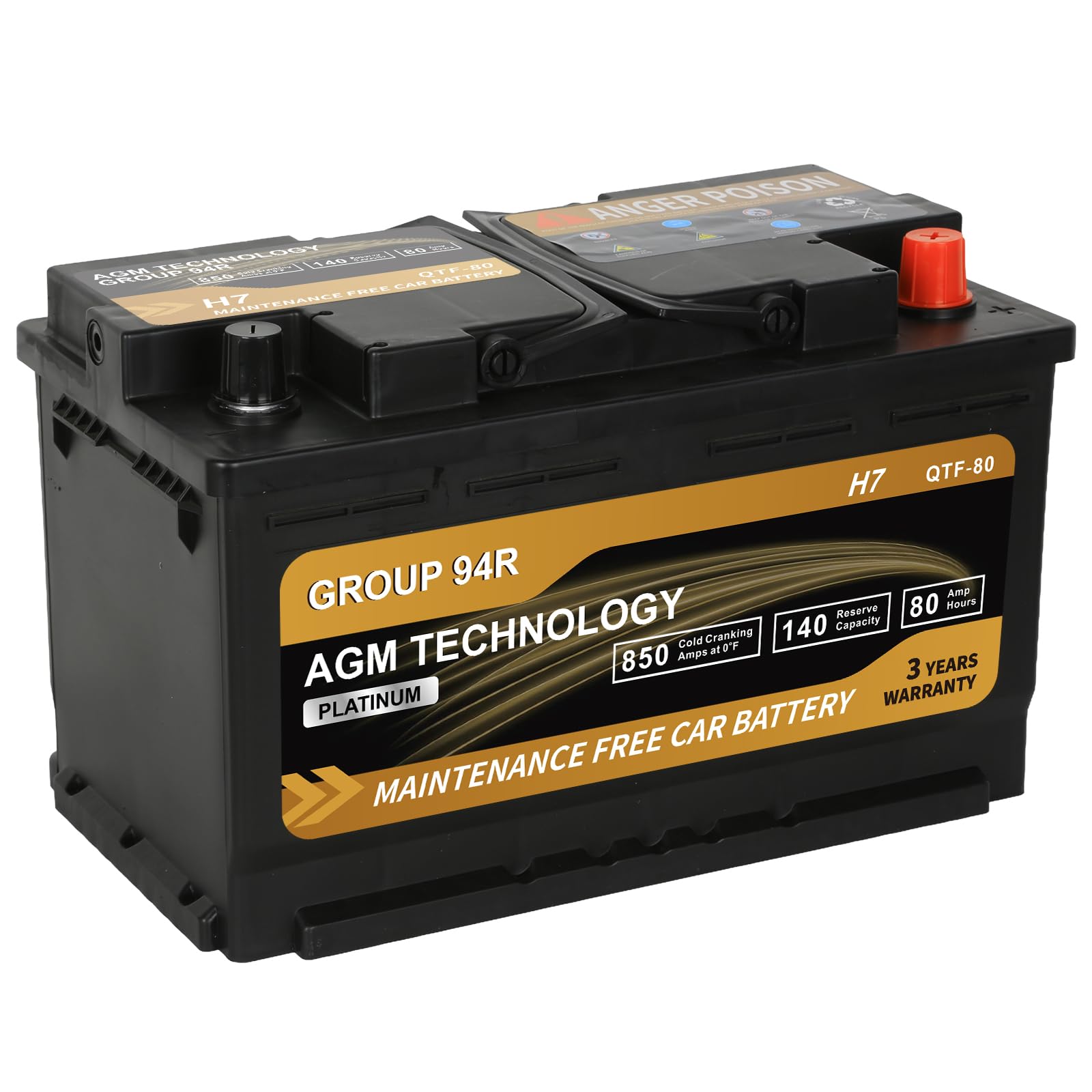
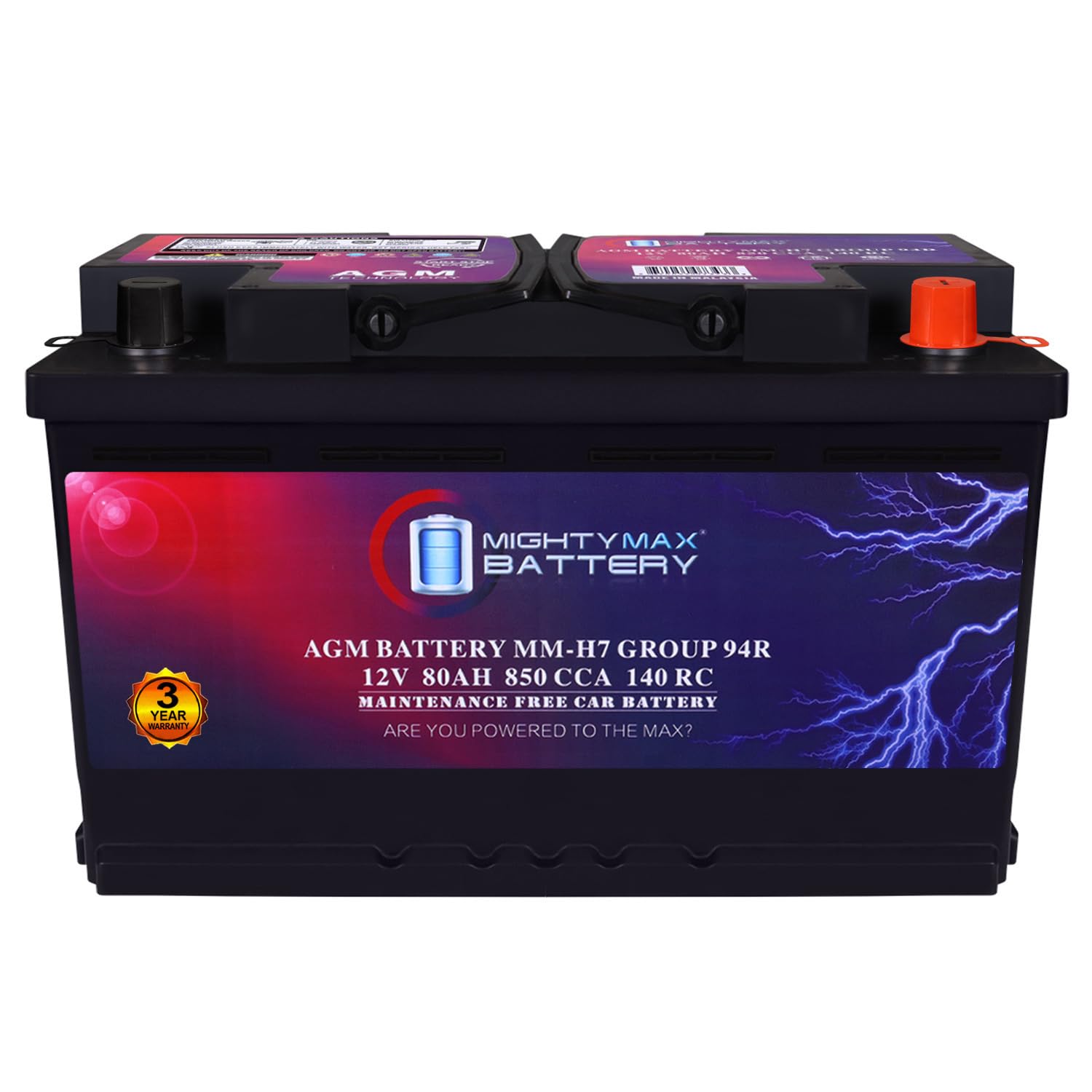
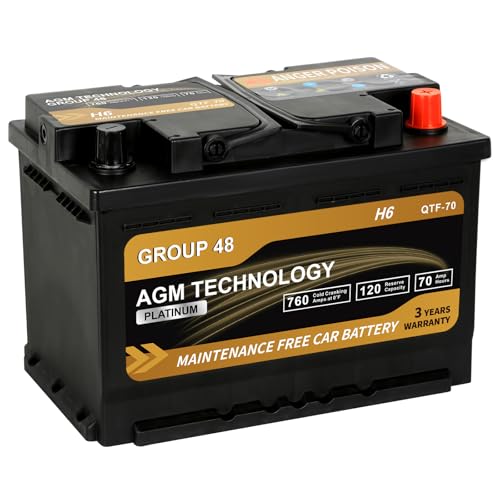
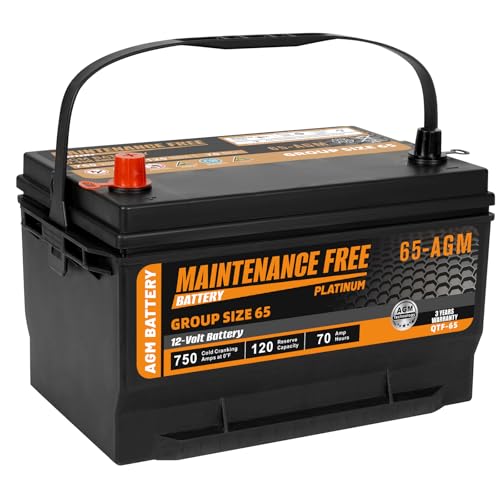
Heat shortens battery life faster than cold does, and it often does so without much warning. A battery that started your car fine in spring can fail on a summer afternoon after months of quiet damage under the hood. Choosing the best car battery for hot weather means looking past cranking power alone and focusing on chemistry, reserve capacity, and how well the battery handles constant heat. The product table above sums up the main types, and this guide explains how to match one to your vehicle.
Our guide to the best car battery covers general sizing basics. Here the focus stays narrow, on what heat changes and what it does not.




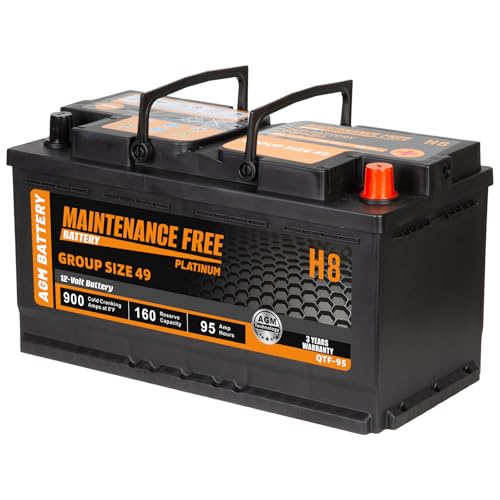
Battery Types Compared for Hot Climates
Two main types cover almost every passenger vehicle, and they handle heat in different ways. Lithium and deep cycle designs exist, but most cars need AGM or flooded. That difference matters more than the highest rating on the label.
AGM Batteries
AGM stands for absorbed glass mat. The acid is held in fiberglass mats between the plates instead of flowing freely, so the battery is sealed and loses very little water. That sealed design is a real advantage in heat, where water loss is a leading cause of early failure in open designs. AGM batteries also recharge efficiently and support vehicles with many electrical loads. They cost more, and our roundup of the best agm car battery options explains where that extra cost makes sense.
Flooded Lead Acid Batteries
A flooded battery is the traditional design, with liquid electrolyte covering the plates. It costs the least and works well in mild conditions, but heat speeds up evaporation through the vents and can leave plates exposed if the level drops. Some flooded models have removable caps so you can add distilled water. If you park outside in a very hot region, plan on checking the level more often. The detailed comparison in agm vs lead acid battery walks through cost, lifespan, and upkeep for both designs.
How We Chose the Criteria for This Guide
We judged battery types on five factors that matter most where summers are long and hot. Those factors are fit for your exact vehicle, resistance to water loss and plate damage, reserve capacity for accessory loads, ease of installation and upkeep, and warranty coverage. We relied on maker specifications and manual requirements, so you can check every point against your own documentation.
Who Should Buy Which Car Battery for Hot Weather?
Daily Commuters in Desert and Southern Heat
If you drive daily in places where summer temperatures stay above 100 degrees for weeks, heat is your main enemy, not winter starting. An AGM battery usually serves you best because its sealed case limits water loss during long, hot commutes. Pick the correct group size, choose a fresh unit, and keep the terminals clean. Your battery suffers most right after you park, when airflow stops and heat soaks the engine bay, so shade helps more than most drivers expect.
Drivers Who Park Outside Without Shade
A car parked on asphalt all day bakes its battery from morning to evening, even on days when you never drive it. That constant exposure speeds up self discharge and corrosion, so the battery may be weak after a vacation. A sealed AGM design with a strong warranty gives you margin against that slow decline. A battery insulation kit or heat shield, if your vehicle allows one, can also lower the temperature around the case.
Owners of Start Stop Vehicles and Cars With Heavy Electronics
Start stop systems restart the engine many times on a single trip, and large screens, powered seats, and strong audio systems draw current at every stop. That pattern demands a battery built for repeated cycling, which usually means AGM or an enhanced flooded design approved by the maker. Never replace an AGM battery specified by your manual with a basic flooded one just to save money, because the charging system expects the original type.
How to Choose the Right Car Battery for Hot Weather
Start with fit, then chemistry, then power ratings. Our walkthrough on how to choose a car battery covers the general process in more depth.
Size and Form Factor
Group size describes the outside dimensions of the battery, the position of its terminals, and how it is held down in the tray. Common sizes include group 24, 24F, 35, 47, 48, 51R, 65, and 94R, along with H6 and H7 on many newer vehicles. Your manual and current battery label both list the correct size. A battery that is too tall can touch the hood or strain the cables, and reversed terminals can leave cables too short. Always match group size before comparing ratings or prices.
Type and Chemistry
Once the size is settled, match the chemistry your vehicle was designed for. If your manual calls for AGM, buy AGM, because the charging voltage and the start stop demands are tuned for it. If your car came with a flooded battery and you live in a hot region, upgrading to AGM in the same group size is often worthwhile for its sealed case and cycling strength. Lithium should only be used when the maker confirms compatibility in writing.
Power and Performance Ratings
Cold cranking amps, often shortened to CCA, measure starting power in cold conditions. In a hot climate you still need to meet or slightly exceed the rating your manual requires, but paying far more for a much higher CCA figure brings little benefit, because heat, not cold, is what wears your battery out. Reserve capacity matters more for you. It tells you how long the battery can run essential loads if the alternator fails, and higher reserve helps when air conditioning, fans, and lights all run at once in slow traffic.
Features Worth Paying For
The features that earn their cost in heat are a sealed or low maintenance case, strong reserve capacity, and a long free replacement period in the warranty. A built in handle sounds minor, yet it makes removal far easier and safer given how heavy these batteries are. A visible date code matters too, since a battery that sat on a shelf for a year has already lost part of its life. Skip paying extra for extreme CCA figures your vehicle will never use.
Vehicle Compatibility and Installation
Compatibility goes beyond the tray. Check terminal type and position, the hold down style, and whether your vehicle needs a battery registration step after installation, as many newer models do. Installation is simple on most cars. Disconnect the negative cable first, then the positive, swap the battery, and reconnect in reverse order. Wear eye protection and keep metal tools off the terminals. If the case is swollen, cracked, or leaking, or if you smell a strong rotten egg odor, have a professional handle the job instead.
Warranty and How Much You Should Spend
Warranty length is a useful signal in hot regions, where weak batteries tend to fail early. Look for at least two to three years of free replacement coverage, and check whether the warranty is handled locally, since shipping a heavy battery back is rarely practical. On price, basic flooded batteries for small cars can cost under $100, many mainstream options fall at about $100 to $200, and AGM models often run about $200 to $300. Spending toward the top of that range makes sense for start stop vehicles and desert commuters, less so for a mild climate car you plan to sell soon.
What Matters Most in a Car Battery for Hot Weather
Heat speeds up the chemical reactions inside a battery. That sounds helpful, and starting is indeed easy in summer, but the same reactions corrode plates, break down the electrolyte, and raise self discharge while the car sits. This is why batteries in the hottest regions often last only about two to three years. Drivers used to northern winters may find the contrast in our guide to the best car battery for cold weather helpful, since cold slows reactions instead. In heat, freshness, chemistry, and shade matter more than raw cranking power.
Common Mistakes to Avoid
- Buying the wrong group size: a battery that does not sit flat or clamp down firmly will vibrate, and vibration shortens plate life.
- Ignoring the date code: a unit that has sat in storage for many months starts its life in your car already partly worn.
- Replacing AGM with basic flooded: the charging system and start stop demands of your vehicle were tuned for the original type.
- Chasing the highest CCA rating: power far above your manual figure does little in heat and often costs more for nothing you will use.
- Skipping the charging system check: an alternator that overcharges will cook a new battery in the same way it cooked the old one.
- Letting terminals corrode: heavy buildup raises resistance, strains the starter, and can leave you stranded even with a healthy battery inside.
How to Make Your Car Battery Last Longer in Heat
Small habits add up over a hot summer. Park in shade or a garage when you can, and keep drives long enough for the alternator to restore the charge used at startup, since repeated very short trips leave the battery partly charged. Keep the case top clean and the hold down snug. If your flooded battery has removable caps, check the electrolyte level at the start and middle of summer and add only distilled water when the level is low. The full lifespan picture in how long does a car battery last explains the other factors that shorten or extend service life. Have the battery load tested each autumn, so a weak unit is replaced on your schedule.
FAQs
What is the best car battery for hot weather?
For most drivers in hot regions, a sealed AGM battery in the correct group size is the strongest all around choice. It resists water loss, handles repeated cycling, and needs no fluid checks. A quality flooded battery can still suit a mild climate or a tight budget, as long as you check its water level.
What should I look for in a car battery for hot weather?
Look for the correct group size, a chemistry that limits water loss, reserve capacity that meets or beats your manual figure, and a fresh date code. One point many buyers miss is venting. Some vehicles route gases through a vent tube, and your replacement needs a matching vent port, or gases can build up in an enclosed trunk mounting location.
How long does a car battery last in hot weather?
Expect about two to three years in the hottest parts of the country, and longer where summers are moderate. A useful early warning sign is a starter that sounds slower on the first start of the day but normal later, which often means the battery is losing capacity overnight. Many parts stores test batteries for free, so a quick test can confirm the problem early.
How do you clean a car battery?
With the engine off, disconnect the negative cable first and keep it clear of the terminal. Clean corrosion from the terminals and clamps with a battery terminal brush, then reconnect and tighten the clamps firmly. A thin layer of dielectric grease helps slow new buildup. If white powder keeps spreading across the case top, have the charging voltage checked, because repeated heavy corrosion can point to overcharging.
Is an AGM car battery worth the extra cost in a hot climate?
Usually yes if you keep the vehicle for several years, park outside, or drive a start stop model. The higher price buys a sealed case, better cycling strength, and often a longer warranty, which spreads the cost over more years of service. It is harder to justify for a car in a mild area that already uses a flooded battery checked on schedule.
Final Thoughts
Match the group size in your manual, favor a sealed design if your summers are long and your car sleeps outside, and keep up with simple checks each season. Chosen that way, the best car battery for hot weather is the one built to lose the least to heat while meeting every requirement your vehicle sets. Look back at the product table above to compare types before you order.


