Agm vs Lead Acid Battery: Which Is Better in 2026?
Disclosure: We may earn a commission when you buy through links on this page, at no extra cost to you. As an Amazon Associate I earn from qualifying purchases. Learn more

Agm vs Lead Acid Battery: we compare the key differences, pros and cons side by side so you can decide which one is right for you.
When your car needs a new battery, the agm vs lead acid battery choice comes down to how your vehicle uses power and what the maker designed it for. Here is the quick answer. Choose AGM if your car has a start stop system, heavy electrical loads, or a factory specification that calls for AGM. Choose a conventional flooded battery if your car was built for one, your electrical demands are modest, and you want the lowest purchase price. The comparison table below sums up the main trade offs before the details.
One fact surprises many shoppers. AGM is itself a type of lead acid battery, built in a sealed format. The real contest is between that sealed design and the older flooded design with liquid electrolyte you can top up. Once you settle on a type, see our guide to the best car battery options for sizes and fitment.


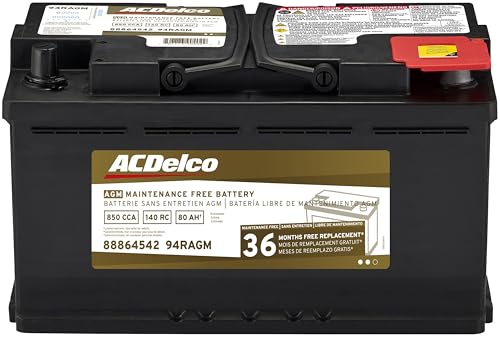
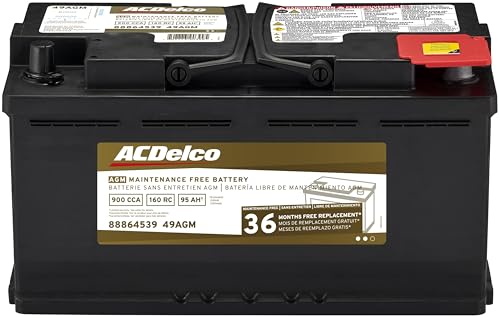
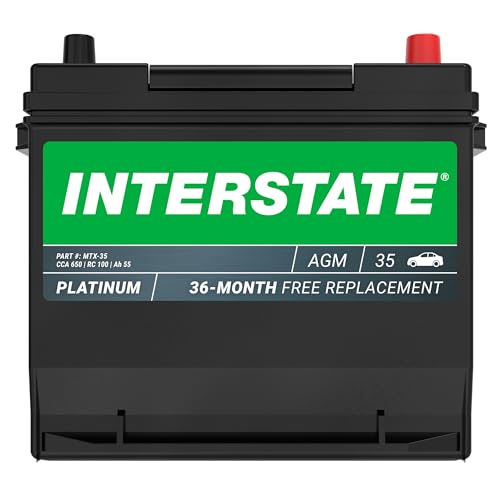

Agm vs Lead Acid Battery: Comparison Table
| Criteria | AGM | Flooded Lead Acid | Winner |
| Design | Sealed, electrolyte held in glass mats | Vented, liquid electrolyte, often with caps | Tie |
| Starting power | Strong, delivers high current with less voltage drop | Adequate for standard engines | AGM |
| Deep discharge tolerance | Better recovery from deeper discharge | Harmed more by deep discharge | AGM |
| Maintenance | No water top ups needed | May need distilled water checks | AGM |
| Typical service life | About 4 to 6 years | About 3 to 5 years | AGM |
| Price | About $180 to $350 | About $80 to $180 | Flooded |
| Charging needs | Needs a charger with an AGM setting | Tolerates basic chargers more easily | Flooded |
The table shows a clear pattern. AGM wins on power delivery, tolerance of discharge, and freedom from water checks. The flooded design wins on price and forgiving charging habits. Neither result matters if the battery does not match your vehicle, so compatibility comes first below.
What Is AGM? What Is a Lead Acid Battery?
AGM Overview
AGM stands for absorbent glass mat. Inside the case, thin fiberglass mats sit between the lead plates and hold the acid electrolyte like a sponge, so there is no free liquid sloshing around. The case is sealed and the battery is valve regulated, meaning a small valve releases gas only if pressure builds beyond a safe level. Because the plates are held under gentle compression, the design resists vibration well and can deliver strong bursts of current. AGM batteries are also mounted in more positions than flooded units, and some cars carry them inside the cabin or trunk, where a sealed case matters for safety.
Lead Acid Battery Overview
The conventional lead acid battery, usually called a flooded battery, is the design cars have used for generations. Lead plates sit submerged in a liquid mix of sulfuric acid and water inside a vented case. Many versions have removable caps so you can check the electrolyte level and add distilled water when it falls. This design is simple, widely available in nearly every group size, and easy to recycle through the same take back programs that accept AGM units. Its limits show up under vibration, deep discharge, and neglect, since low electrolyte exposes the plates and speeds up damage.
Key Differences
Compatibility With Your Vehicle
Start with your owner manual and the label on the battery you are replacing. If the car left the factory with AGM, replace it with AGM. Vehicles with start stop systems and regenerative braking charge the battery in short, strong bursts, and their charging profiles are tuned for AGM chemistry. Fitting a flooded battery in that role usually leads to short life and possible warning lights. The reverse swap is less risky. Many cars built for flooded batteries accept AGM as an upgrade, as long as the group size, terminal layout, and cold cranking amps match or exceed the original specification.
Physical fit matters just as much as chemistry. Measure the tray, confirm the hold down style, and check that the posts sit on the correct sides, since a reversed layout can leave cables too short. If your battery lives under a seat or in the trunk, choose a sealed design with the vent tube connection your car provides. Our optima redtop review shows how one compact AGM line handles fitment and terminal layout.
Performance
AGM batteries deliver current with lower internal resistance, so the starter motor spins faster and voltage sags less while cranking. That gap is most obvious on cold mornings, with large engines, and in cars loaded with heated seats and driver assist electronics. AGM also accepts charge faster, which suits short trips where a flooded battery may never quite refill. Flooded batteries still start ordinary engines reliably when healthy and correctly sized. Their weakness is partial charge use, since repeated short trips let sulfation build on the plates and cranking power fades sooner.
Ease of Use
For daily use, AGM asks less of you. There is no electrolyte level to check, no distilled water to add, and no acid residue creeping around the caps. You still need to keep the terminals clean and tight, and you still need a smart charger with an AGM mode for any bench charging, since the wrong voltage setting can dry the battery out. Flooded batteries reward owners who like simple checks. A quick look at the level and a top up with distilled water, never tap water, can stretch service life. The trade is your time and a little care around acid.
Durability
Durability is where AGM earns much of its price premium. The compressed mat construction holds the plates steady, so vibration from rough roads does less harm. AGM also tolerates deeper discharge and recovers better when a light drains the battery overnight. Heat remains the enemy of both designs, and batteries in hot climates often die years sooner than identical units in mild regions. Flooded batteries suffer most from neglect. Low electrolyte, loose hold downs, and repeated deep discharge each shorten life, and once a cell fails, the whole battery is done.
If long service life is your main reason for paying more, look closely at how each maker builds its premium AGM lines. Our diehard platinum agm review walks through one such line in detail, which can help you judge whether the added construction features are worth the cost for your driving pattern.
Warranty
Warranty terms follow the same price pattern. Flooded batteries commonly carry shorter free replacement periods, often about 1 to 3 years, sometimes followed by a prorated period. AGM lines more often offer about 3 to 4 years of free replacement, reflecting their longer expected life. Read the fine print before you buy. Coverage can shrink if the battery was fitted in the wrong application, such as a flooded unit in a start stop car, and most claims start with proof of purchase, so keep your receipt. For a look at how one premium AGM warranty is structured, see our interstate mtz review.
Price and Value
Price is the flooded battery strongest argument. A typical flooded unit costs about $80 to $180, while a comparable AGM often runs about $180 to $350. Value depends on how long each one lasts in your car and what a failure costs you. If an AGM lasts roughly a third longer and saves one roadside jump start or tow, the gap narrows fast. If you plan to sell the car within two years, or the car is an older model with light electrical loads, paying double for AGM rarely pays back. Match the spending to the time you will keep the vehicle.
Which Should You Buy?
Choose AGM If
Choose AGM if your manual specifies it, your car has a start stop system, or you run power hungry accessories such as winches, upgraded audio, or camping gear that draws from the starting battery. It also suits drivers who make many short trips, park outside in cold regions, or do not want to check electrolyte levels. Off road drivers benefit from the vibration resistance as well. Pick AGM when electrical demands are high, or when an early failure would cost you a workday or a trip.
Choose Lead Acid Battery If
Choose the flooded design if your car was built for one, your budget is tight, and your driving is mostly regular trips long enough to recharge the battery fully. It is also the sensible pick for an older vehicle you may not keep long. Just commit to the small chores it needs, keep the electrolyte covered, the case clean, and the hold down snug, and a flooded battery will serve you well.
Other Options to Consider
There is a middle path worth knowing about. Enhanced flooded batteries, often sold with the initials EFB, strengthen the standard flooded design for cars with basic start stop systems. They cycle better than a basic flooded battery and cost less than AGM, but they do not match AGM for deep discharge tolerance or sealed mounting. An EFB only makes sense if your car maker lists it as an approved option. Lithium starting batteries exist for racing builds, yet they need charging systems designed for them and cost far more.
FAQs
Is AGM better than a lead acid battery?
AGM is better for demanding vehicles, but it is not better for every car. It starts stronger, charges faster, and lasts longer under heavy cycling. A flooded battery is better value when the car was designed for one and the electrical load is light. The honest answer to the agm or lead acid battery question is that the right battery is the one that matches your vehicle specification and your budget, not simply the most expensive option on the shelf.
What is the main difference between AGM and lead acid batteries?
The main difference between AGM and lead acid battery designs is how the electrolyte is held. AGM traps the acid in fiberglass mats inside a sealed case, while a flooded battery keeps liquid acid free in a vented case with plates submerged in it. That single design choice explains most of the gaps in maintenance, vibration resistance, mounting freedom, and price that you see when you compare the two types side by side.
Which is easier to clean, AGM or a lead acid battery?
AGM is easier to clean because the sealed case keeps acid inside, so upkeep is mostly wiping dust off the case and clearing white or green corrosion from the terminals with a wire brush. A flooded battery adds cap area grime and occasional acid film to that same terminal work. Wear eye protection for either type, and if you ever see cracked cases or smell a strong rotten egg odor, stop cleaning and have the battery inspected, since both signs can point to damage or overcharging.
Which battery type lasts longer, AGM or flooded lead acid?
AGM usually lasts longer, about 4 to 6 years against about 3 to 5 years for a flooded battery in similar use. One factor the main sections did not stress is parked time with a small constant drain, from alarms and keyless entry systems. AGM lower self discharge rate means it weathers storage better, while a flooded battery left parked for months often needs a charge before it will start the car. A maintainer during storage helps both types.
Can you charge an AGM battery with a regular charger?
You can in a pinch with many modern chargers, but a charger with a dedicated AGM setting is the safer choice. AGM batteries need a slightly different voltage profile and they are less forgiving of overcharging, because lost water cannot be replaced in a sealed case. If your charger is an old unregulated unit, skip it for AGM and borrow or buy a smart charger. Flooded batteries tolerate basic chargers better, though a smart charger still gives a fuller, gentler charge for both types.
Final Thoughts
Neither design wins for every driver. AGM delivers stronger starts, faster charging, and longer life under hard use, while the flooded battery keeps costs low and care simple for cars built around it. Let your owner manual settle the chemistry first, then weigh price against how long you will keep the car. Whichever way the agm vs lead acid battery decision lands for you, use the product table above to double check the trade offs, confirm the group size and cold cranking amps, and buy from a seller with fresh stock and a clear warranty desk.