Best AGM Car Batteries: Group Size, CCA and Warranty Guide
Disclosure: We may earn a commission when you buy through links on this page, at no extra cost to you. As an Amazon Associate I earn from qualifying purchases. Learn more

The best agm car battery fits your group size and meets your cranking needs. Compare AGM types, warranty terms, cost and care.
A weak battery rarely fails at a convenient moment. It often shows up as a slow crank on a cold morning, a click instead of a start, or lights that dim at idle. Choosing the best agm car battery means matching the group size, terminal layout, and cranking power to your vehicle, then weighing reserve capacity, warranty, and cost. This guide explains each factor in plain terms so you can compare options with confidence.
AGM stands for absorbed glass mat. The electrolyte is held in fiberglass mats between the plates, so the battery is sealed, resists spills, and handles vibration better than a flooded design. Use the comparison table below to narrow your list, then read on for sizing, fit, and care.


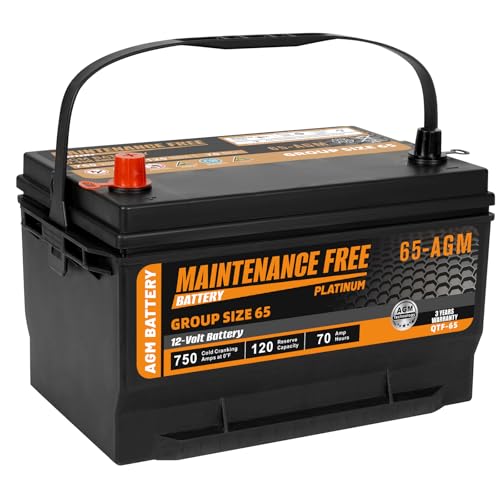
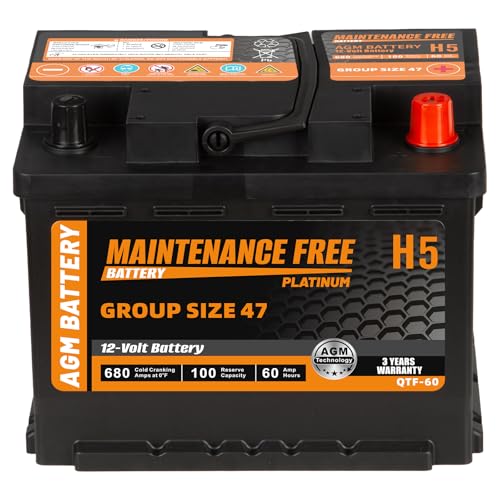
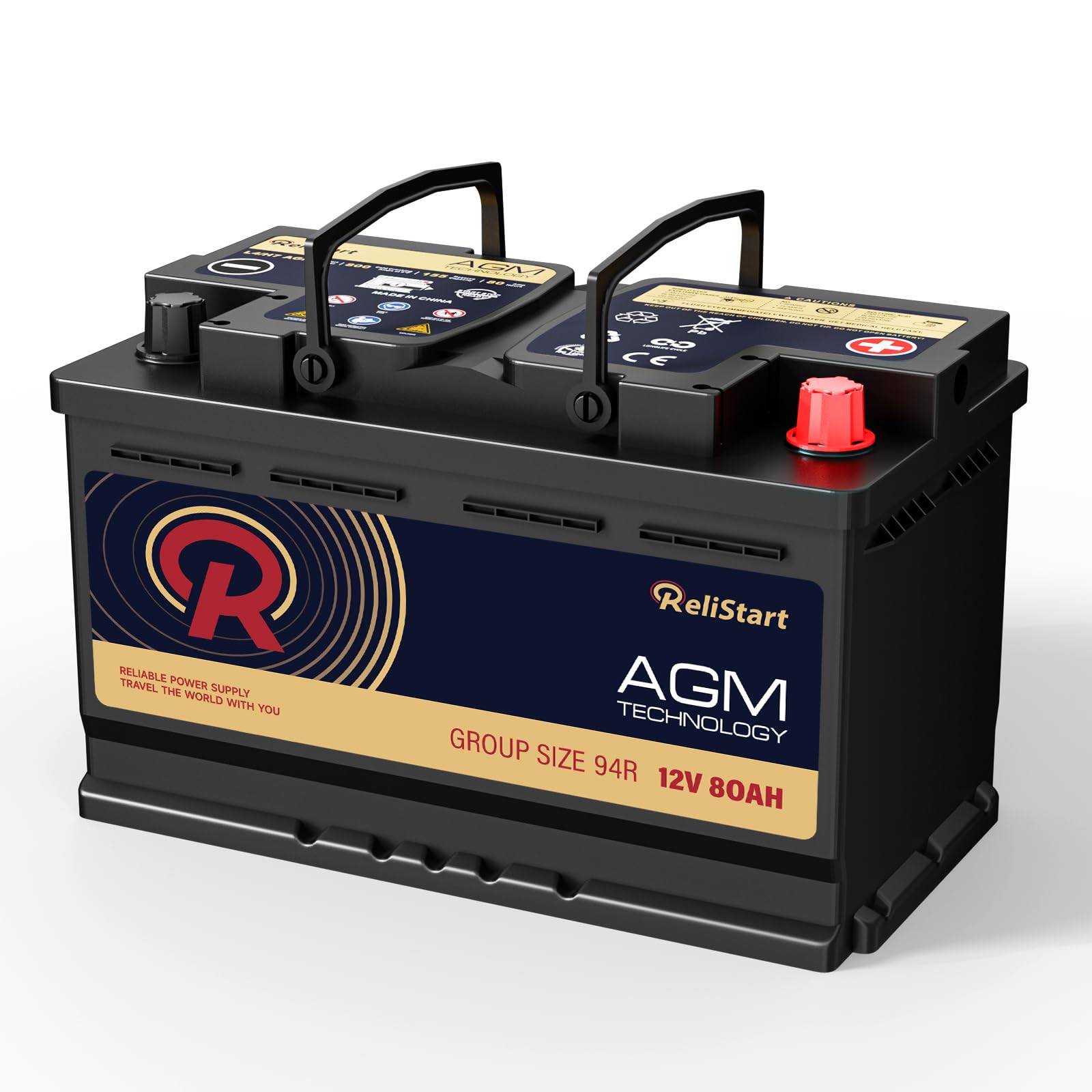
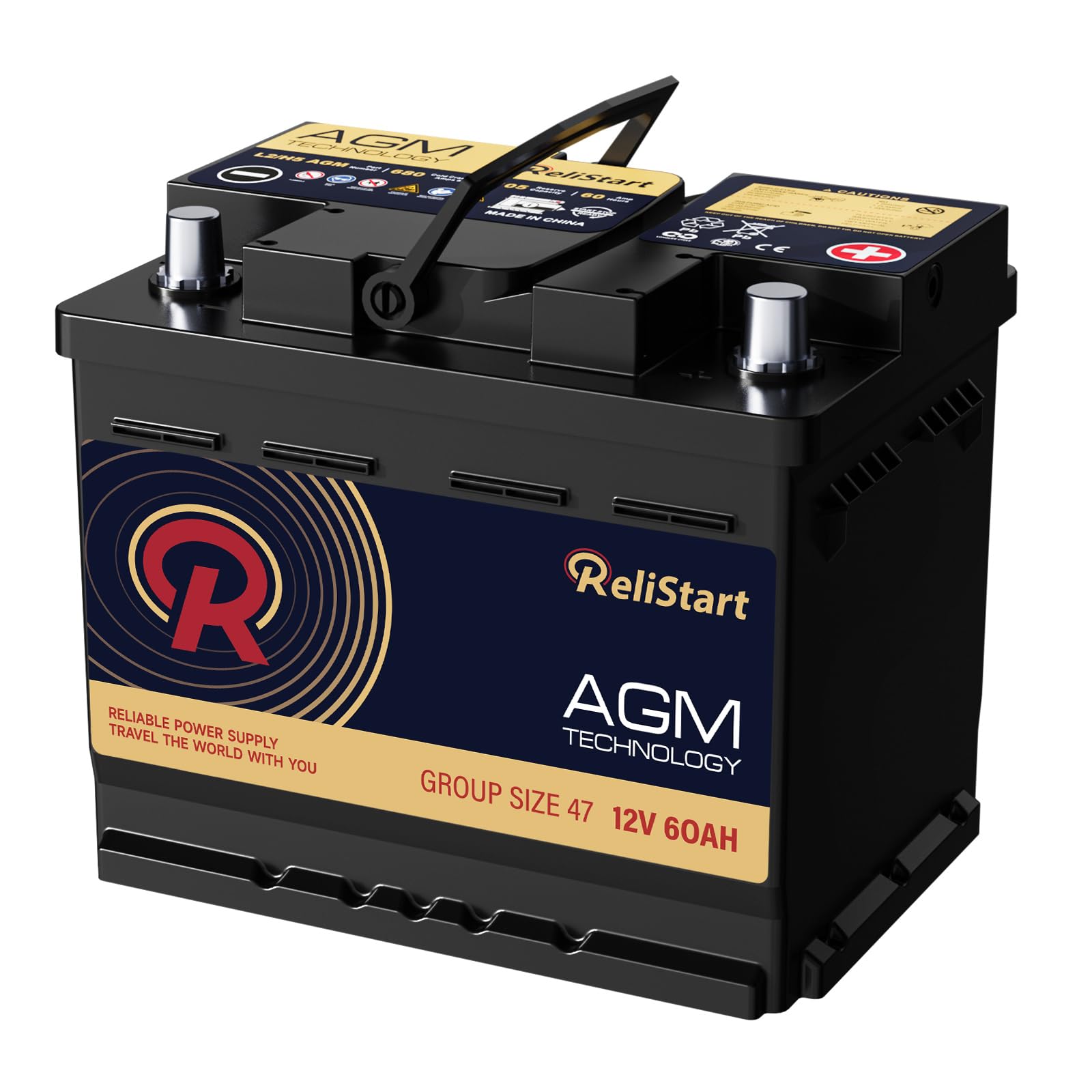
Who Should Buy an AGM Car Battery?
Drivers whose cars use start stop systems
Start stop systems shut the engine off at lights and restart it many times in one trip. That pattern demands frequent shallow discharge and quick recharge, which suits AGM construction well. If your owner manual calls for AGM, stay with AGM. Fitting a flooded battery in its place can shorten service life and confuse the charging system, since many such cars set charge rates for AGM only.
Drivers with heavy electrical loads
Heated seats, strong audio systems, winches, lights, and plugged in accessories all draw current when the engine is off or idling. AGM batteries accept charge quickly and deliver steady voltage under load, so they suit vehicles that carry extra equipment. If you run a powered setup for sound, our guide to the best car battery for car audio explains how reserve capacity matters for that use.
Drivers in harsh climates and rough use
Heat speeds up wear inside any battery, while cold raises the power needed to turn an engine over. AGM designs tolerate vibration on rough roads and hold charge well during parking. Drivers who face long winters should also read about the best car battery for cold weather, since cranking needs differ by climate.
AGM Battery Types Compared
Standard flat plate AGM
This is the most common form sold for cars, trucks, and SUVs. Flat plates sit in rectangular cells inside a familiar case shape, so fit matches standard trays and hold downs. It offers a good balance of cranking power, reserve capacity, and price for daily driving. For most vehicles that came with AGM from the factory, this type is the direct replacement choice.
Spiral wound AGM
In this design the plates are wound into tight cylindrical cells. The build resists vibration very well and can deliver strong cranking bursts for its size. Cases are often less conventional in shape, so tray space and cable reach need a closer check. Prices tend to sit higher than flat plate options of similar capacity.
Pure lead AGM
Pure lead plates allow thinner plates and more plate surface inside the same case. That can mean strong cranking power and solid reserve capacity in a compact footprint. These batteries usually cost the most of the three types. They make sense for demanding use or vehicles where space is tight but electrical demand is high.
How to Evaluate AGM Car Batteries
When you shop for the best agm car battery for your vehicle, start with fit, because a battery that does not match the group size or terminal position will not install correctly. Next compare cold cranking amps against the maker recommendation, and check reserve capacity if you run accessories with the engine off. Then look at warranty terms and the age of the battery on the shelf. For a wider view across chemistries, see our guide to the best car battery.
How to Choose the Right Car Battery
Size and form factor
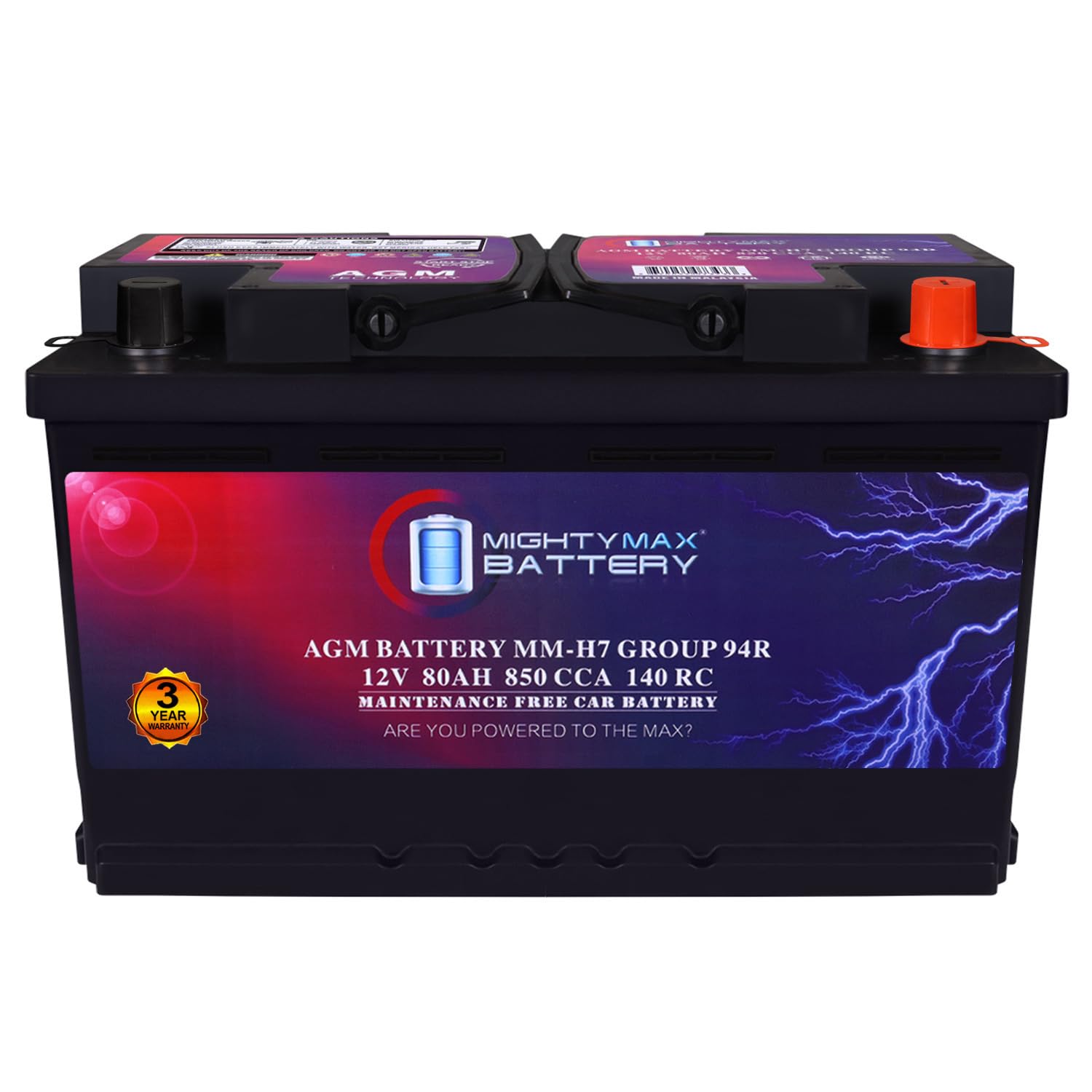
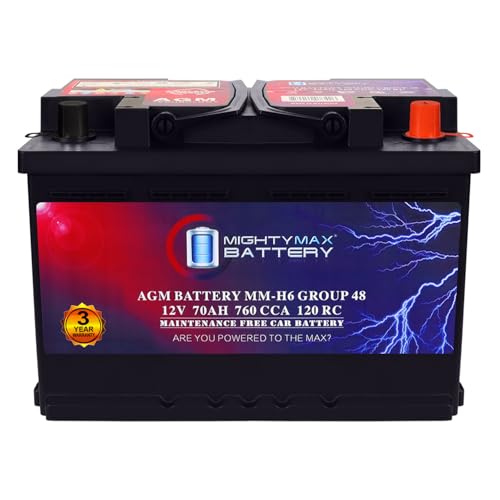
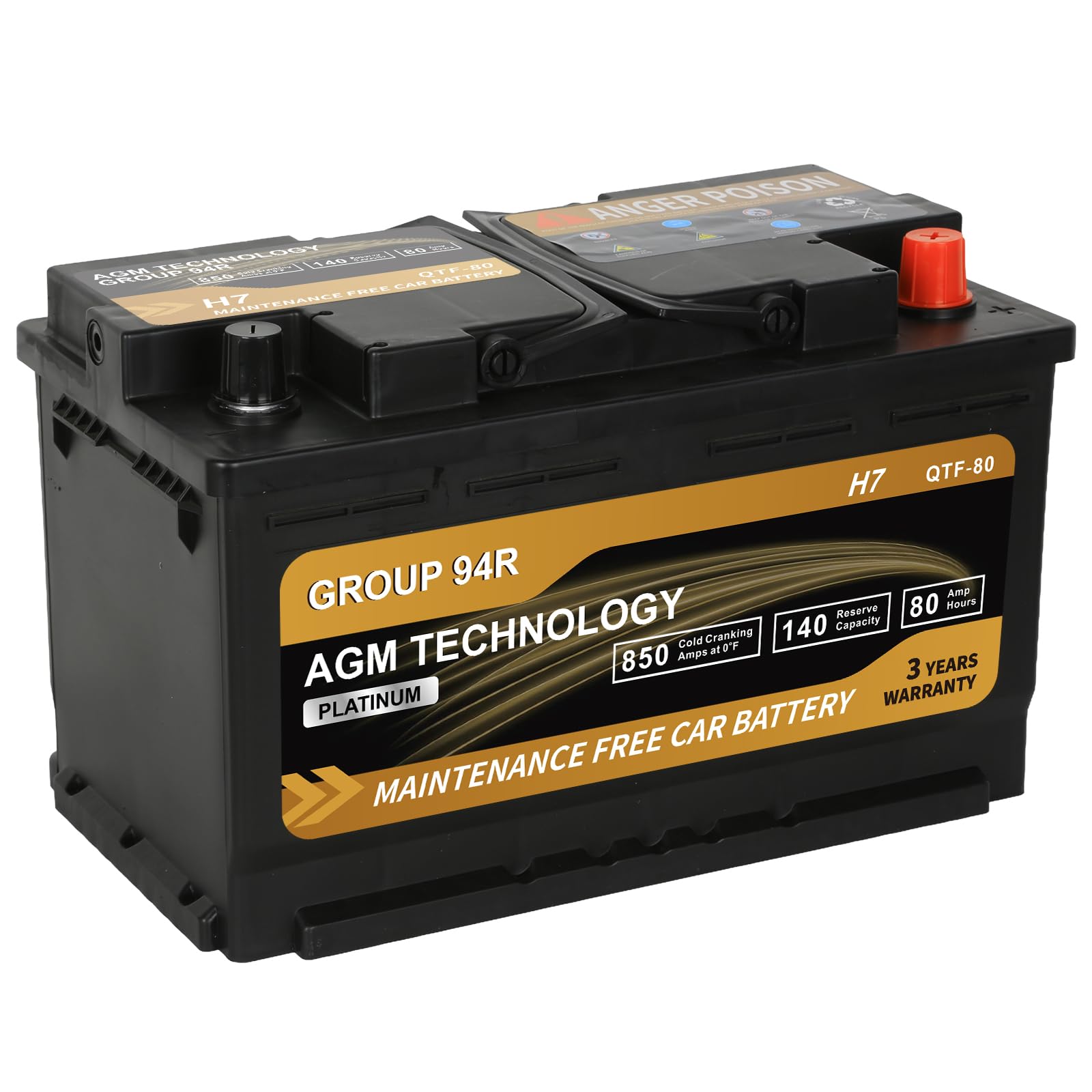
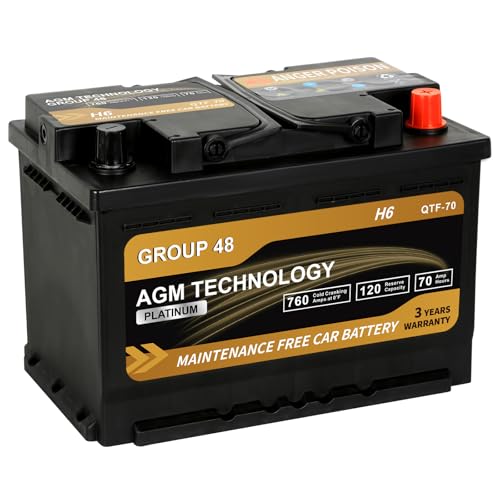
Group size describes case length, width, height, and terminal placement. Common sizes include group 24, 24F, 35, 47, 48, 51R, 65, and 94R, along with H6 and H7 labels used on many European models. The letter F or R signals reversed terminals, so a battery that looks right can still place the positive post on the wrong side. Check your manual or the label on the old battery before ordering.
Type
Your vehicle manual sets the starting point. Cars built for AGM or start stop use should keep AGM, while older cars built for flooded batteries can often upgrade to AGM if the charging voltage suits it. Lithium units cut weight a great deal but need specific charging and cold weather care. Our overview of the best lithium car battery covers that trade off. Deep cycle designs favor long slow discharge over strong cranking, so they fit auxiliary use more than starting duty.
Features worth paying for
Higher cold cranking amps help if winters are severe or your engine is large and hard to turn over. A longer free replacement period adds real value, since it covers the years when early failure is most costly. Sturdy handles and a clear date label are also worth having. Skip paying extra for cranking numbers far beyond what the maker asks for, because fit and freshness matter more.
Vehicle compatibility
Beyond group size, check the hold down style, tray clearance, and whether a battery sensor sits on the negative cable. Many newer cars need the new battery registered after fitting, so the alternator charges it at the right rate. Diesel engines and large V8 engines need more cranking power than small four cylinder cars. If your vehicle lists two approved group sizes, choose the one that matches your tray and cables exactly.
Installation
Park on level ground, switch everything off, and remove the negative cable first, then the positive. Lift the old battery straight up with two hands, clean the tray, fit the new unit, and secure the hold down firmly without crushing the case. Connect the positive cable first and the negative last, and tighten clamps so they do not twist by hand. Keep memory saver power in place if your car needs it, and take the old battery back for recycling.
Power and performance
Cold cranking amps measure the current a battery can deliver for 30 seconds at 0 degrees Fahrenheit while holding useful voltage. Cranking amps use a milder test, so compare like with like. Reserve capacity states how long a battery can run key loads if the alternator fails, given in minutes. For daily starting, meet the maker cranking figure first. For camping gear or audio, give reserve capacity more weight.
Warranty
Read the warranty as two parts. The free replacement period tells you how long a failed battery is swapped at no cost, while a prorated period only credits part of the price toward a new one. Keep the receipt and note the purchase date, since claims rely on proof and a load test. Also check what voids cover, such as damage from a faulty charging system.
How much should you spend?
Most car sized AGM batteries fall between about $150 to $300, with small sizes near about $100 to $150 and large or pure lead units above that range. Spending more usually buys higher reserve capacity, a longer free replacement period, or stronger cranking power in the same case. Set your budget after you confirm group size, then compare ratings and warranty within that short list.
AGM vs Other Car Batteries: Pros and Cons
Compared with flooded lead acid batteries, AGM units are sealed, need no water top ups, resist vibration, and recharge faster. They also cost more and need a charger with an AGM setting, since excess voltage can dry them out. The full agm vs lead acid battery comparison covers cost and lifespan. Lithium batteries weigh far less, but they cost much more and can limit cranking in deep cold without built in heating.
- AGM strengths: sealed case, strong vibration resistance, fast recharge, good support for start stop systems and heavy loads.
- AGM limits: higher price than flooded units, sensitive to overcharging, and heavier than lithium options of similar capacity.
- Flooded strengths: lowest purchase price and wide availability in nearly every group size.
- Lithium strengths: very low weight and long cycle life for accessory use, with higher upfront cost.
Common Mistakes to Avoid
- Buying by price alone and ignoring group size, so the battery will not sit flat in the tray or the cables will not reach.
- Choosing a reversed terminal layout by mistake, which can force stretched cables and raise the risk of a short.
- Replacing an AGM battery with a flooded one in a car that requires AGM, which can shorten life and upset charging behavior.
- Ignoring the date label and buying old stock, so part of the service life is gone before you even fit it.
- Charging an AGM battery on a flooded only setting, which can apply the wrong voltage and damage the plates.
- Leaving clamps loose after fitting, so starting current drops and heat builds at the terminal.
How to Make Your AGM Car Battery Last Longer
Drive long enough for the alternator to replace the charge used at starting. Repeated very short trips leave an AGM battery partly charged, and that state speeds up wear. If the car sits for weeks, use a smart maintainer with an AGM mode. Keep the case top clean and dry, since dirt and moisture can create a slow drain across the terminals. Test voltage if cranking slows, and fix charging faults early.
FAQ
Are AGM car batteries worth the extra cost?
They are worth it when your car requires AGM, uses start stop, or carries heavy electrical loads, because the sealed build and fast recharge match those demands. The value case rests on service length per dollar, not purchase price alone. A flooded battery that fails early in a demanding car can cost more over time once fitting time and a second purchase are counted.
How long does an AGM car battery last in normal use?
Many AGM car batteries serve about four to six years, though heat, short trips, and long periods sitting partly discharged can shorten that span. A garage kept car driven on longer trips often reaches the upper end. Our guide on how long does a car battery last explains the signs that show a battery is near the end, such as repeated slow cranks after a full charge.
Can you charge an AGM car battery with a normal charger?
Use a charger that lists an AGM mode. That mode limits voltage to the range the sealed design can accept and tapers current as the battery fills. A basic charger without voltage control can overcharge an AGM unit and vent gas that cannot be replaced, which cuts capacity for good. Charging slowly at a modest current is gentler than a fast boost for routine recovery.
How do you clean AGM car battery terminals?
Switch the car off, remove the negative cable first, and keep it clear of the post. Lift corrosion off with a terminal brush, wipe the posts and clamps clean, then refit and tighten each clamp. A thin smear of terminal grease after fitting slows new corrosion. If white deposits return within weeks, have the charging voltage checked, since excess voltage can drive gassing and corrosion.
Can an AGM car battery be fitted on its side?
Most AGM batteries can work in positions other than upright because the electrolyte stays held in the mats, and many makers allow side mounting for specific models. That said, the tray, hold down, and cable routing in a car are built for upright fitting, so keep the standard position unless the maker states otherwise for your exact case. Never mount a battery fully inverted.
What size AGM car battery does your car need?
Match the group size printed on the old battery label or listed in the owner manual, and confirm it again with the parts counter fit guide for your year and engine. Two trims of the same model can use different sizes when engines differ. If the old battery was a prior owner choice, trust the manual first, since a wrong size may have been fitted before you bought the car.
Final Thoughts
Good buying order is simple. Confirm group size and terminal layout, meet the maker cranking figure, then compare reserve capacity, freshness, and warranty within your budget. That approach will lead you to the best agm car battery for your car without paying for ratings you will never use. Before you order, look back at the product table above and check each finalist against your manual.