
Best Car Battery for Car Audio: AGM, Lithium and Fit Guide for 2026
Disclosure: We may earn a commission when you buy through links on this page, at no extra cost to you. As an Amazon Associate I earn from qualifying purchases. Learn more

What makes the best car battery for car audio: group size, reserve capacity, AGM versus lithium, and when a second battery makes sense.
A strong sound system asks more of your battery than starting the engine does. Bass notes pull heavy current in short bursts, and a tired battery answers with dimming lights, clipped sound, and slow starts. Choosing the best car battery for car audio means matching sustained power to your amplifier load, not just matching the battery that came with the car. The product table above sums up the main types.
Start with fit, then look at reserve capacity and chemistry. Those checks rule out most wrong choices before price enters the picture.


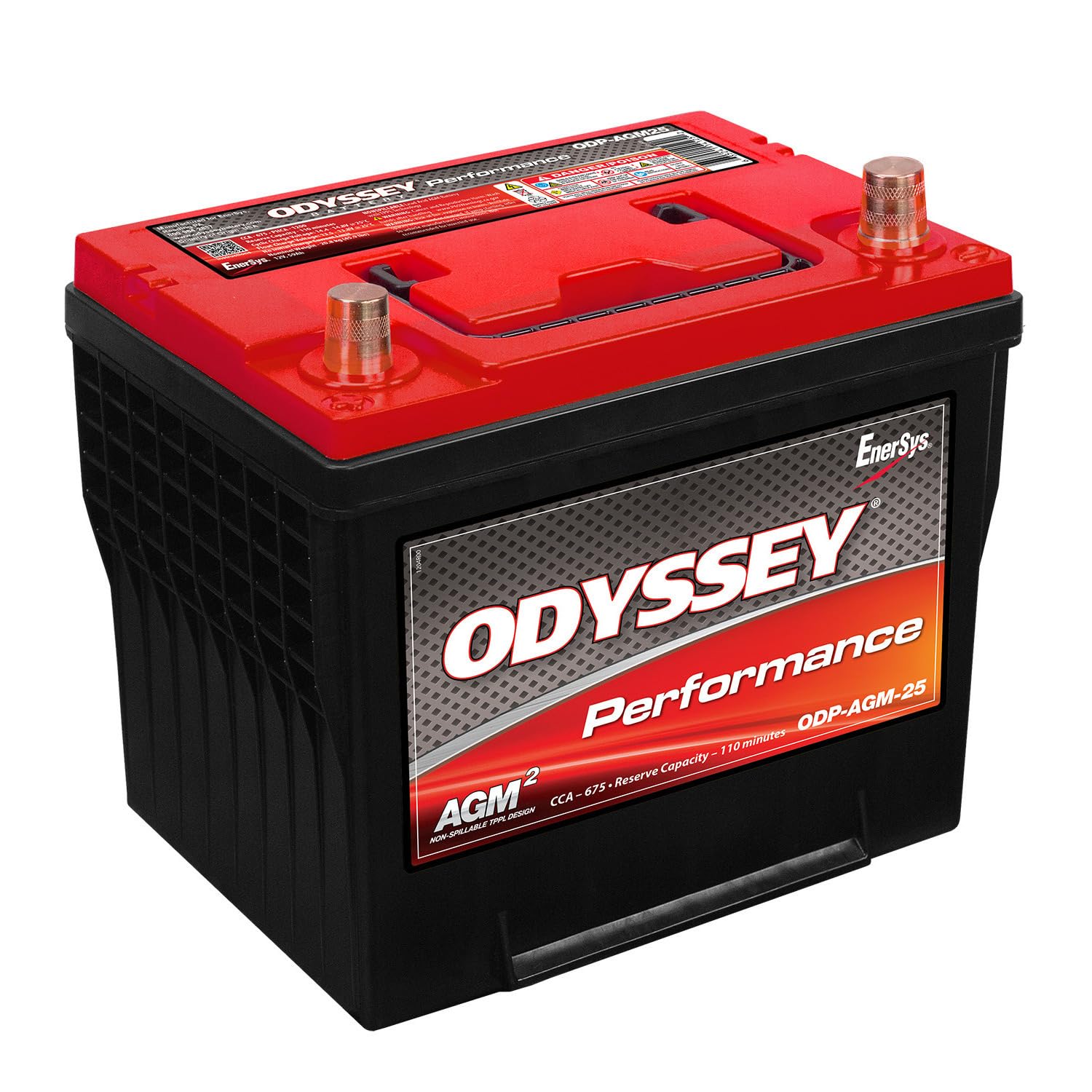
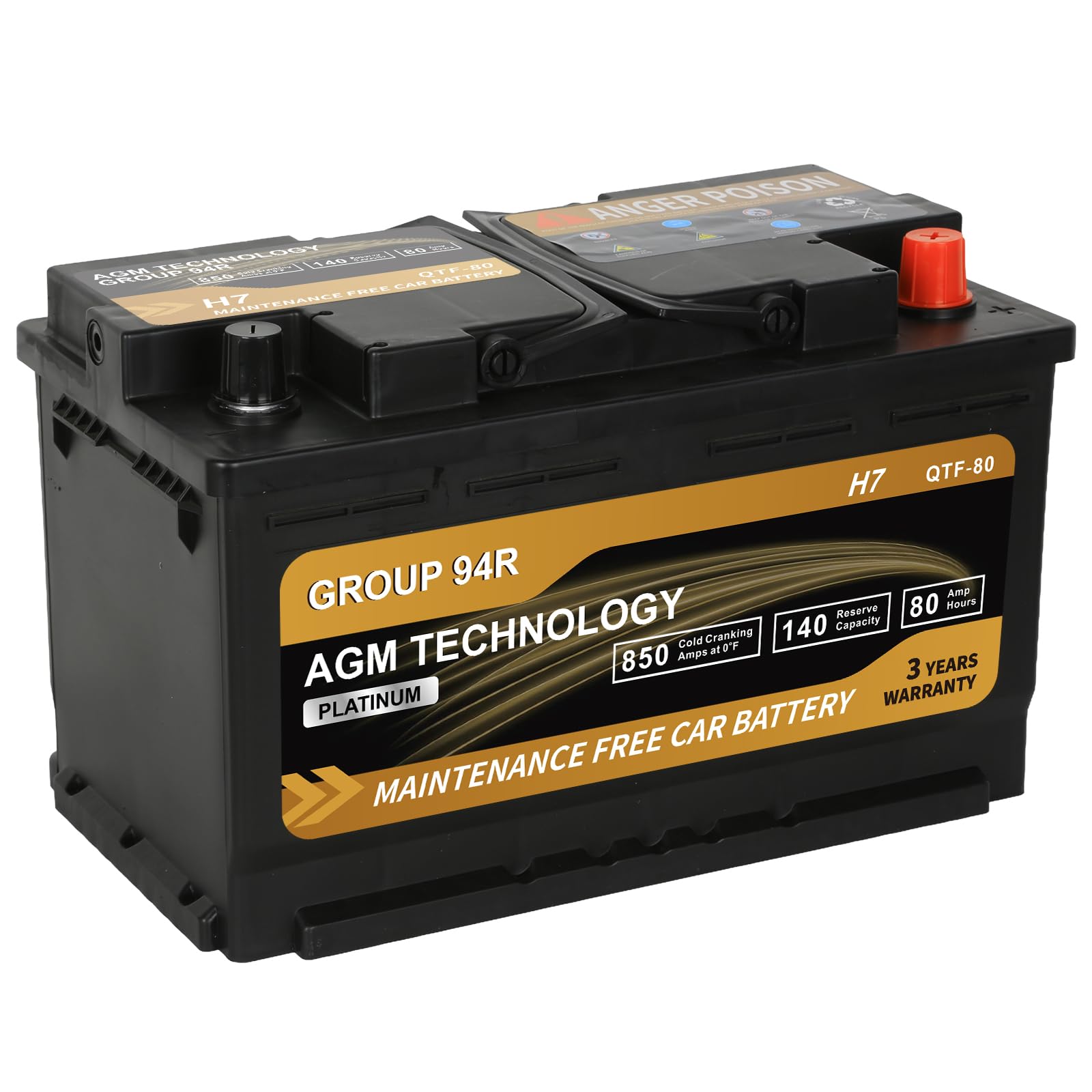

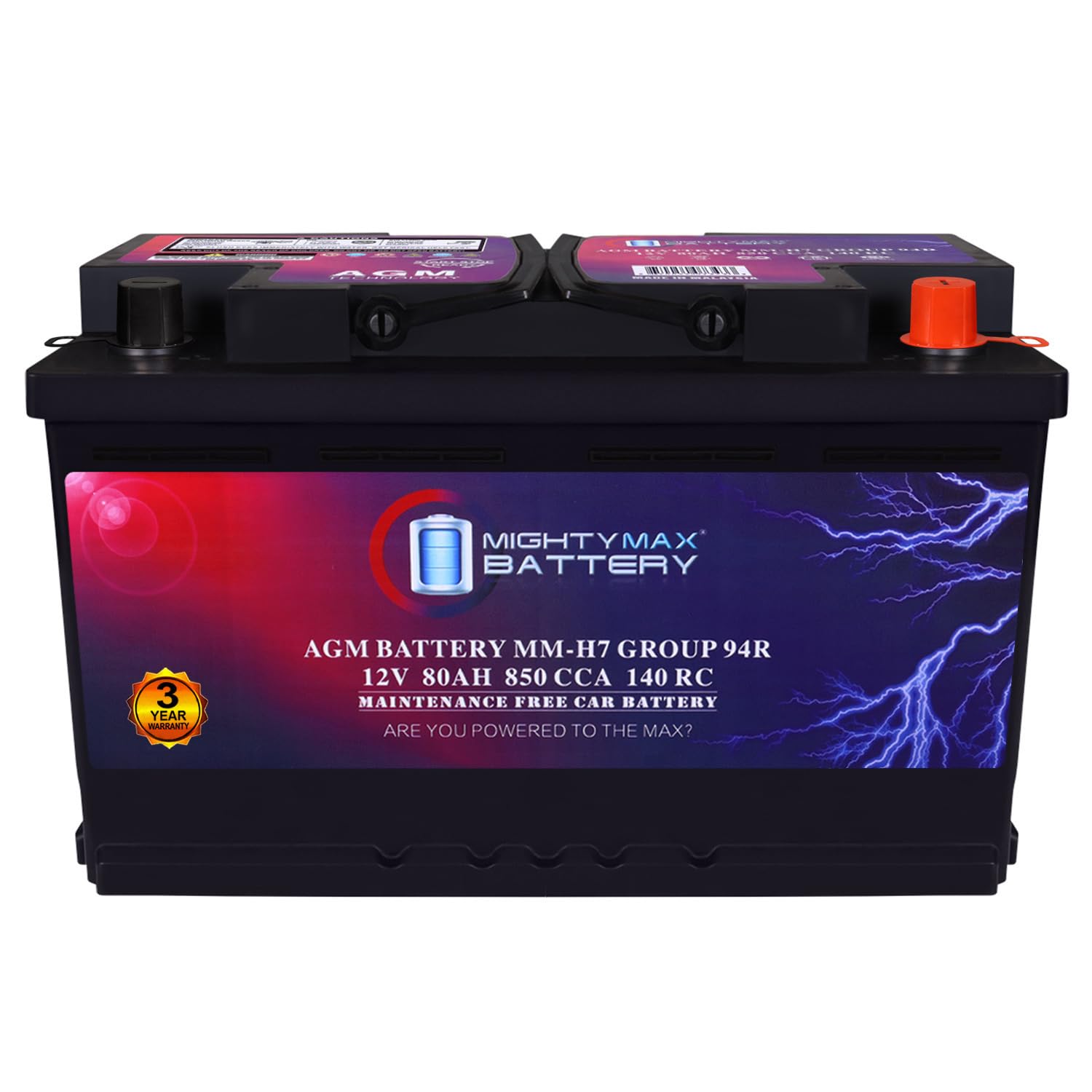
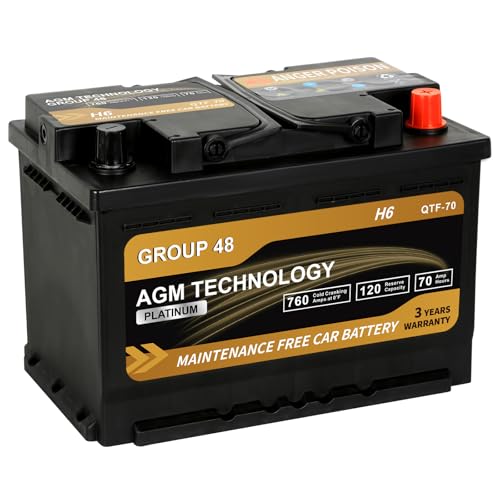
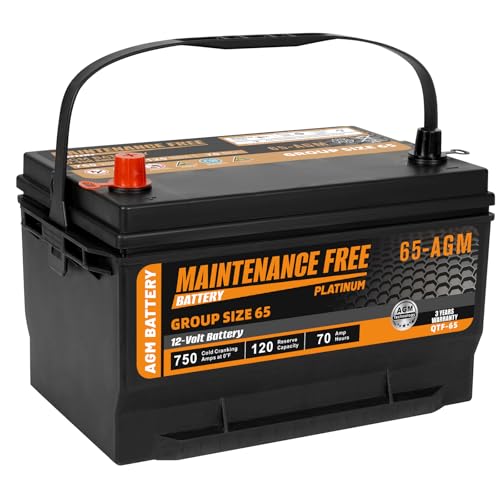
Battery Types Compared for Car Audio
Four chemistries cover nearly every build. Flooded lead acid batteries cost the least and work fine for a stock system or a small amplifier, but they vent gas, need water checks on serviceable models, and lose capacity faster when drained deeply. Our look at agm vs lead acid battery shows where each makes sense.
AGM batteries seal the electrolyte inside glass mats, so they resist vibration, recharge faster, and tolerate deeper discharge than flooded units. That mix suits most upgraded systems, and the best agm car battery options mount just like a standard battery. Lithium batteries weigh far less and hold voltage well under load, but they cost much more and need charging gear that suits lithium chemistry, as the best lithium car battery guide explains. Deep cycle designs favor long listening over cranking strength, so they fit better as a second battery than as your only battery.
Who Should Buy Which Type?
Daily Drivers With One Modest Amplifier
If your system adds a single amplifier and a small subwoofer to a car you drive every day, an AGM battery in the stock group size is usually the sweet spot. It starts the car reliably, handles short bass peaks without a big voltage sag, and needs no wiring changes, so you skip paying for capacity a normal commute never uses.
Listeners Who Play Music With the Engine Off
Tailgate and campsite listening drains a starting battery in ways short drives never repay. You need reserve capacity first, so look at AGM designs rated for deep discharge, or add a second battery in the trunk with an isolator between the two. The isolator stops the listening battery from pulling the starting battery down, so the engine still turns over when you leave.
Drivers Running Several Large Amplifiers
Big systems drawing well over a thousand watts need more than a single battery swap. At that level the alternator becomes the limit, because the battery only covers peaks while the alternator supplies the average load. Pair a strong AGM or lithium main battery with an upgraded alternator and proper power cable, and treat a second battery as support, not the whole answer.
Criteria Used to Compare Batteries for Car Audio
This guide weighs five things: fit with your vehicle, sustained power delivery, ease of installation, durability under vibration and heat, and warranty coverage. The comparison relies on maker specification sheets listing cold cranking amps, reserve capacity, and amp hours, because battery life depends heavily on climate and listening habits.
How to Choose the Right Battery for Your Sound System
Work through the checks below in order, since a battery that fails an early check never reaches the later ones. The general steps in how to choose a car battery apply here too, with added audio checks for amplifier draw and listening time.
Size and Form Factor
Group size sets the length, width, height, and terminal layout of the case, and common sizes include group 24, 35, 47, 48, 51R, 65, and 94R, along with H6 and H7 designations. Your owners manual and the label on the old battery both state the size. A case that is slightly too tall can touch the hood or defeat the hold down, and reversed terminals put the cables on the wrong side, so match the size exactly before comparing ratings.
Chemistry and Type
Chemistry decides how the battery behaves between starts. Flooded units suit stock systems on a tight budget. AGM units handle the repeated partial discharge that amplified music creates, and they are the default upgrade for most builds. Lithium units save weight and hold voltage under load, but they demand a compatible charger and dislike charging below freezing. Deep cycle designs trade cranking strength for long discharge, which fits a second battery better than the main starting role.
Power and Performance
Two ratings matter most for audio. Cold cranking amps tell you how strongly the battery starts the engine in cold weather, and your new battery should meet or beat the figure your vehicle maker specifies. Reserve capacity, stated in minutes, tells you how long the battery can run a load before voltage falls too low, and it predicts listening time and voltage stability. Amp hour ratings help most when sizing a second battery.
Vehicle Compatibility
Beyond group size, check terminal type and position, space around the tray, and any battery registration step your vehicle requires after a swap. Some newer cars, including many with automatic engine stop and start systems, specify AGM batteries from the factory, and fitting a flooded battery in their place can shorten its life. Also confirm your alternator charging voltage suits the chemistry you plan to install, since lithium needs the right charging profile.
Installation
Most swaps need only basic hand tools: disconnect the negative cable first, lift the old battery out, clean the tray, set the new battery in, secure the hold down, and reconnect the positive cable first. Save your radio presets beforehand, since power loss clears them on many cars. For a second battery, run fused cable of the gauge the amplifier maker specifies, routed away from sharp metal edges and exhaust parts.
Features Worth Paying For
Pay for reserve capacity above the minimum, a sealed case if the battery mounts inside the cabin or trunk, and terminals that resist corrosion. A carry handle sounds trivial until you lift a heavy battery out of a deep engine bay. Skip paying extra for cranking amps far beyond your vehicle specification, because surplus cranking power does nothing for your amplifier.
Warranty
Warranty terms split into a free replacement period and a longer prorated period on some models, while others offer free replacement only. Longer free replacement coverage, often two to four years on AGM designs, signals maker confidence and lowers your risk. Keep the receipt, because most claims need proof of purchase and a failed test at the store. A starting battery drained daily by long listening may not qualify.
How Much Should You Spend?
Flooded batteries for a stock system often cost under $100 to about $150. Mainstream AGM batteries for an amplified daily driver usually land at about $150 to $250. Premium AGM and entry lithium options run about $250 to $400, and dedicated lithium setups cost more again. Spend first on correct fit and enough reserve capacity. Money left over buys warranty length, which protects you longer than a small spec gain.
What Matters Most in a Battery for Car Audio
When you search for the best car battery for car audio, the deciding factor is stable voltage under load. A battery that sags hard on each bass hit starves the amplifier, and the amplifier answers with distortion long before it reaches its rated output. Reserve capacity and low internal resistance, both strengths of AGM and lithium designs, keep voltage steadier than a basic flooded battery.
The alternator still matters. It powers the system while you drive and refills the battery afterward, so a weak alternator makes even a new battery look bad. If your lights dim at idle with the system playing, have the charging system tested before blaming the battery alone. For a stock system, start with our guide to the best car battery and add the audio checks here only if an amplifier is part of the plan.
Common Mistakes to Avoid
- Buying on cold cranking amps alone, so you get strong starts but too little reserve capacity for your amplifier.
- Fitting a larger case that defeats the hold down, so vibration shortens the battery life within months.
- Adding a capacitor to hide voltage sag, so the real problem of an undersized battery goes unfixed.
- Mounting a vented flooded battery inside the trunk or cabin, where its gas has no safe path out.
- Running a second battery without an isolator, so both batteries drain together and the car will not start.
- Ignoring a weak alternator, so the new battery stays undercharged and fails early through no fault of its own.
Care and Maintenance
Keep the battery charged. Short trips and long listening sessions both leave it part full, and a battery left part full sulfates and loses capacity over time. A smart charger used monthly suits cars that sit unused, and it matters even more for a second battery. Check hold down and cable tightness every few months, because road vibration loosens hardware and a loose battery suffers internal damage.
Watch resting voltage with a basic meter. A healthy charged battery reads about 12.6 volts after sitting for several hours, and repeated readings near 12.2 volts warn that charging habits or the alternator need attention. For a wider look at service life, see how long does a car battery last. Recycle every old battery through a store or collection point, since lead and acid must never go in household trash.
FAQ
What is the best car battery for car audio?
For most drivers it is an AGM battery in the correct group size, with reserve capacity above the stock minimum. That answer changes if you plan to expand the system later. Extra reserve capacity now costs less than replacing an undersized battery next year, so size the battery for the setup you expect to run, not only the one installed today.
What should I look for in a battery for a car sound system?
Look for correct group size, enough reserve capacity, and a chemistry that tolerates partial discharge. One check many buyers miss is the date code on the case. Batteries lose charge in storage, so choose the freshest unit on the shelf, ideally one made within the past few months, and ask the store to test its voltage before you leave.
How long does a car battery last in a car with an amplified system?
Most car batteries last about three to five years, and heavy audio use pulls that figure toward the lower end. Heat matters as much as use: a battery in a hot engine bay ages faster than one in a cooler trunk. Frequent short trips shorten life further, because the alternator never fully replaces what starting and music took out.
Is an upgraded car battery worth it for car audio?
It is worth it when your current battery shows strain, such as dimming lights on bass notes, slow cranking, or voltage that drops fast during engine off listening. It is not worth it for a stock head unit and factory speakers, where a healthy standard replacement already covers the modest load. Spend on speakers first in that case, and revisit the battery when an amplifier arrives.
How do you clean a car battery?
Wear eye protection and gloves, disconnect the negative cable first, and scrub the terminals with a wire brush and a solution of baking soda in warm water. Keep the solution out of the vents, rinse with a little plain water, and dry everything before reconnecting. Tighten the clamps until they cannot twist by hand, and reconnect the positive cable last.
What is the most reliable car battery brand for car audio?
No single brand wins on reliability for every vehicle, because freshness, correct sizing, and charging health shape lifespan more than the label does. A better test is the warranty network behind the battery. A brand sold and serviced at stores near you makes a claim simple, while a rare import can leave you waiting weeks for a replacement.
Final Thoughts
Match the group size first, choose AGM for most amplified systems, and let reserve capacity guide the final call between similar options. The best car battery for car audio is the one that starts your car every morning and holds voltage steady when the music gets loud. Use the product table above to compare types against your group size and budget.


