
Best Car Battery Jumper 2026 Buying Guide
Disclosure: We may earn a commission when you buy through links on this page, at no extra cost to you. As an Amazon Associate I earn from qualifying purchases. Learn more

Learn how to choose a car battery jumper, from peak amps and battery type to safety features, clamps, size and charging for cars, trucks and seasonal use.
A flat battery rarely arrives at a convenient time, and the best car battery jumper gives you a way to start a vehicle without waiting for help or another car. A good jumper pack is compact enough to live in a boot, powerful enough for your engine, and safe enough to use under stress. The product table above gives a quick overview of the main choices before the detail that follows.
This guide explains peak amps, battery types, safety protections and clamp design, so you can match a jumper to your vehicle rather than buying on headline power alone. It also covers storage and maintenance, because a jumper that is flat when needed is no help at all.

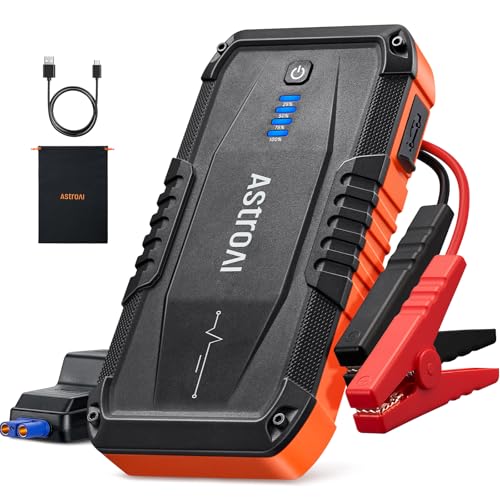
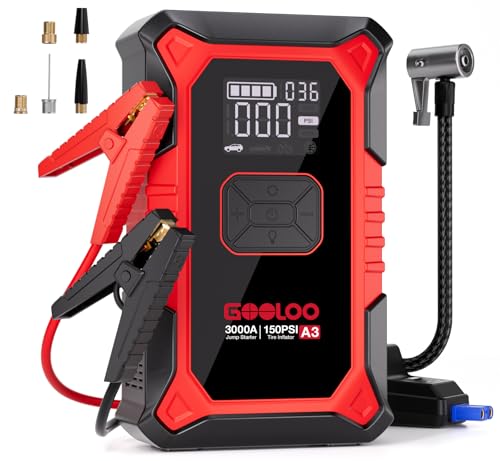
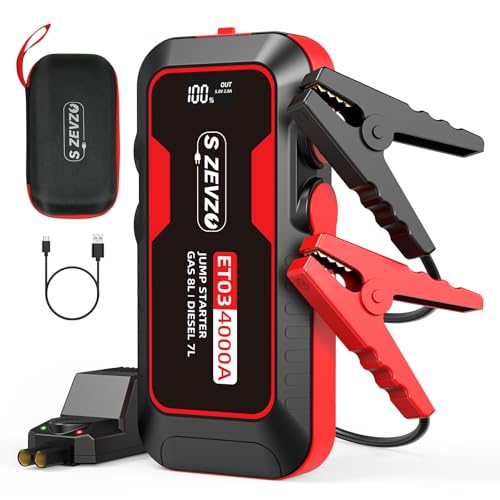
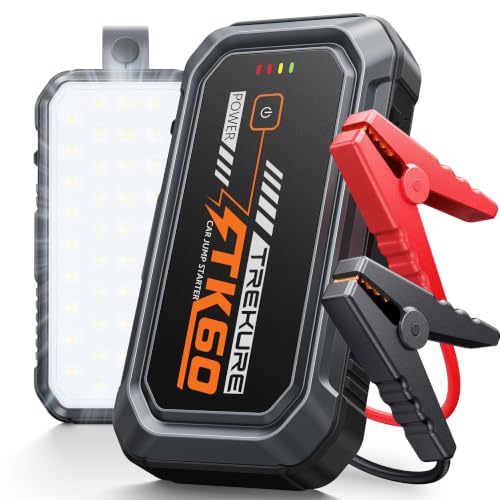


Who Should Buy Car Battery Jumper
These jumpers suit drivers who want self reliance for flat batteries, especially commuters, rural drivers, and owners of older vehicles or vehicles left standing for weeks. They also suit families with several vehicles and anyone who travels where help may be slow. If you have ever waited hours for a jump start, a pack in the boot is easy to justify.
They are a weaker fit for vehicles with a damaged, leaking, swollen or frozen battery, where jump starting is unsafe and professional help is needed. They also cannot fix a failed starter, alternator or wiring fault, so repeated flat batteries deserve diagnosis rather than repeated jumping. Seek professional help if a battery smells, leaks, or shows damage.
Types of Car Battery Jumper
Compact lithium jump packs
Compact lithium packs are small, light and easy to store, with enough power for most cars and small SUVs. They suit everyday drivers who want a pack that fits in a glovebox or boot corner. Check peak amps against your engine size, because compact does not mean universal.
Heavy duty jump packs
Heavy duty packs offer higher peak amps and larger capacity for diesel engines, trucks and larger SUVs. They suit owners of bigger vehicles and cold climates where starting demand is higher. Expect a larger, heavier unit, and confirm that clamps and cables suit your battery terminals.
Jump packs with air compressor or power bank
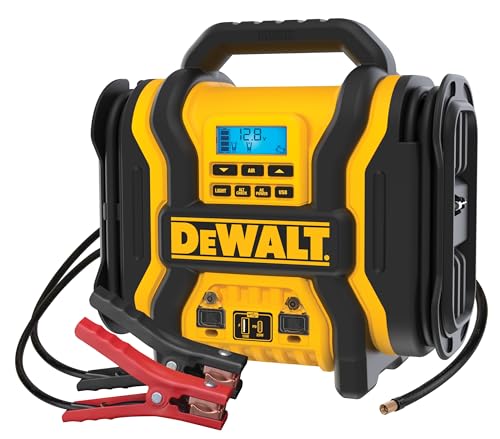
Combination packs add an air compressor, USB charging or a work light, which suits drivers who want one emergency tool for several jobs. They are handy for tyres and phone charging during a breakdown. Weigh added bulk against usefulness, since a larger pack may be left at home.
Key Features to Compare
Peak amps and engine match
Peak amps should match your engine type and size, with petrol cars needing less than diesel engines and larger vehicles needing more. Headline peak figures can mislead, so look at starting amps and maker guidance for your vehicle class. When in doubt, choose a pack rated above your minimum need rather than exactly at it.
Safety protections
Safety protections matter because jump starting involves high current and user stress, so look for reverse polarity, short circuit, over current and spark proof features. Clear clamp labels and an audible or visual warning help when you are working in poor light. Never bypass safety features, and read the manual before first use.
Clamps and cable length
Clamps should grip firmly, open wide enough for your terminals, and feel solid rather than flimsy. Cable length matters in tight engine bays, where short cables force awkward positioning. Test clamp fit on your battery in daylight, so a night time emergency does not become a learning exercise.
Capacity and storage
Capacity decides how many jump attempts you get and whether the pack doubles as a phone charger, while storage behaviour decides readiness. Lithium packs self discharge slowly but still need periodic charging, so set a reminder to top up every few months. Store the pack within its temperature guidance, not in extreme heat or cold.
Common Mistakes to Avoid
A common mistake is buying the cheapest pack without checking peak amps for a diesel or large engine, then finding it cannot start the vehicle. Another is storing a pack uncharged for a year and discovering it flat in an emergency. A third is connecting clamps in the wrong order or to damaged terminals, when reading the manual in advance would have prevented risk.
Budget and Long Term Value
Car battery jumpers range from affordable compact packs to pricier heavy duty and combination models, and value depends on engine size and use frequency. A midrange lithium pack suits most cars, while diesel and truck owners should budget for higher capacity. Consider the cost of a single callout, which often exceeds the price of a decent pack.
Getting the Most From Your Choice
Practise the connection steps in daylight on your own vehicle, and keep the manual and a torch with the pack. Charge the pack on a schedule, check clamps for corrosion, and replace a pack whose battery swells, holds little charge, or shows damage. If a vehicle repeatedly needs jumping, get the battery and charging system tested rather than relying on the pack.
A Closer Look Before You Buy
Think about where the pack will live in your vehicle and whether you can reach it without unloading luggage, because a pack buried under bags is useless in a dark car park. Choose a storage spot that is accessible, protected from extreme heat, and easy to remember under stress. A small case or pouch keeps clamps tidy and prevents terminals from shorting against metal objects in the boot.
Also consider who else might need to use the pack, including family members who drive the same car, and whether they know the connection steps. A quick walkthrough in daylight, plus the manual kept with the pack, prevents panic and wrong connections later. If several people share a vehicle, make sure everyone knows where the pack lives and how to check its charge.
Finally, think about winter readiness in particular, because cold weather is when flat batteries are most common and when lithium packs deliver less power. Check charge more often in winter, keep the pack as warm as practical, and consider a heavier duty pack if your winters are severe or your engine is large. Preparation in autumn prevents a cold morning emergency.
Related Guides Worth Reading
Related reading: our guide to best portable car battery jumper explains how that option compares, so you can place it beside best car battery jumper before you decide.
If your shortlist grows wider than best car battery jumper alone, best battery jumper is a useful next read for seeing the broader trade offs.
For context beyond this guide, see best car battery brands, which covers a closely related choice that many buyers weigh at the same time.
You may also want to read best car battery testers if that related category could suit your routine better than best car battery jumper.
A related guide, best portable battery jumper, adds detail on a neighbouring option that often appears on the same shortlist.
Frequently Asked Questions
Will a jump pack start a diesel engine?
Many heavy duty packs will, but compact packs may struggle with larger diesel engines, especially in cold weather. Check the maker guidance for diesel compatibility and peak amps before buying. For large diesel trucks, a heavy duty pack or professional help is the safer choice.
How do I use a car battery jumper safely?
Read the manual, wear eye protection if available, and connect clamps in the order the maker specifies, usually positive first and negative to a suitable ground point. Check for damage, leaks or swelling before connecting, and never jump a damaged battery. If anything looks or smells wrong, stop and seek professional help.
How often should I charge a jump pack?
Charge a lithium jump pack every two to three months even if unused, and after every use, because self discharge slowly reduces readiness. Keep it within the maker temperature guidance and avoid leaving it flat for long periods. A simple calendar reminder prevents the most common failure: a flat rescue pack.
Can a jump pack charge my phone?
Many lithium jump packs include USB outputs for phone charging, which is useful during a breakdown. Phone charging uses capacity, so keep enough charge for a jump attempt if your vehicle battery is weak. Check output power, because some packs charge phones slowly compared with a dedicated power bank.
What if jumping does not start the car?
If jumping does not work, the problem may be a failed starter, alternator, wiring fault, or a battery too damaged to accept a jump. Avoid repeated attempts that could overheat cables or damage electronics. Seek professional diagnosis, especially if warning lights, smoke, smell, or swelling are present.
Final Thoughts
The best car battery jumper is one rated for your engine, fitted with solid clamps and safety protections, and kept charged and ready in the boot. Use the product table above to compare compact, heavy duty and combination packs, then practise the steps before you need them. If flat batteries keep happening, get the vehicle checked, because a jumper treats the symptom, not the cause.


