Best Battery Booster of 2026: Complete Buying Guide
Disclosure: We may earn a commission when you buy through links on this page, at no extra cost to you. As an Amazon Associate I earn from qualifying purchases. Learn more

Compare battery booster capacity, size, safety features, and price in this plain English guide, and choose a reliable jump starter for your car or truck.
A dead battery always seems to happen at the worst moment, in a cold parking lot or before an early start. A best battery booster is a portable pack that lets you restart a vehicle without waiting for another driver or a tow truck, as long as you pick one with enough power for your engine. The product table gives you a quick overview of the picks, and the guide that follows explains capacity, safety, and size in plain language.
You do not need to be a mechanic to choose well. Match the booster to your engine size, check that the safety features suit a first time user, and pick a size you will actually keep charged and carry. This guide walks through each step, compares the main types, and ends with the care habits that keep a booster ready when you need it.


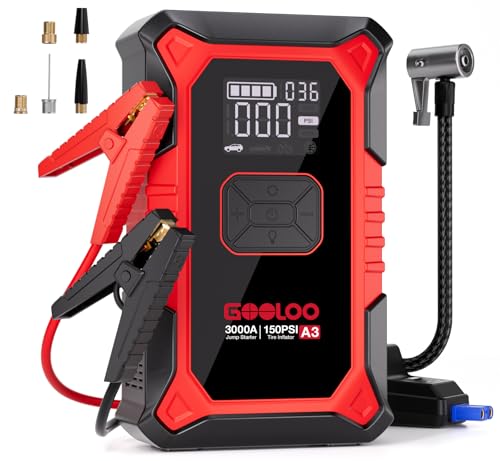
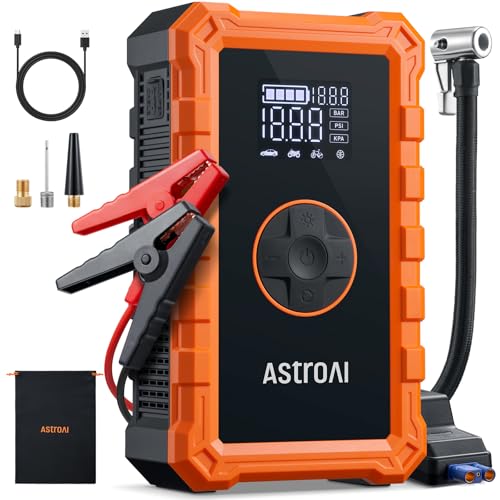

Spending Levels at a Glance
Rather than naming single models, this section groups boosters by what you get at each spending level. Use it to set a budget before you compare individual types in detail.
A Sensible Starting Point
Budget boosters suit small cars and occasional use. They usually offer modest peak amps, a basic set of clamps, and one USB port for charging a phone. They work well for a driver who wants emergency cover for a small sedan and does not mind a simpler feature set. Check the engine size rating carefully at this level, since a booster rated only for small gasoline engines may struggle with a larger motor.
The Comfortable Middle
Mid range boosters add stronger peak amps, better clamps, and extras like a flashlight or a second USB port. They suit most family cars, small SUVs, and light trucks, and they tend to hold a charge longer between uses. For many buyers this level is the best balance, because it covers a wider range of engines without the bulk and cost of the largest units. If you are unsure which level to pick, start here.
Room for Bigger Jobs
Premium boosters are built for larger engines, frequent use, and harsh conditions. They often include higher peak amps, sturdier cables, and extra outlets for accessories. They make sense for diesel owners, fleet drivers, and anyone who helps friends and family regularly. The trade off is size and weight, so make sure the unit still fits the storage space you have in mind before paying more.
How to Choose the Best Battery Booster: Buying Guide
This is the main part of the guide. Work through each factor in order, and you will end up with a shortlist that fits your vehicle and your habits.
Intended Use and Who It Is For
Start with the job. A commuter with a small sedan needs only modest power and a unit that lives in the trunk. A rural driver, a camper, or a tradesperson may need more capacity and a tougher build. For drivers who want a booster made for road use, see our guide to the best car battery booster. Think about how often you expect to use it, since a unit used once a year needs different care than one used every month.
Size, Weight, and Fit for Your Space
Boosters range from pocket sized packs to heavy units that feel like a small toolbox. Smaller packs are easy to store and carry, but they offer less power and fewer extra features. Larger units handle bigger engines and hold more charge, yet they take up real trunk space and weigh more. Measure your storage spot and lift the weight in your mind before buying, because a booster left at home helps no one.
Build Quality and Materials
Look for solid clamps that grip battery terminals firmly, thick cables that do not feel flimsy, and a case that survives being knocked around a trunk. Rubber bumpers and a sturdy handle matter more than glossy finishes. Read the maker guidance on operating temperature, since cheap cases can crack in extreme cold. A well built booster should feel reassuring in the hand, not hollow or rattly, and its buttons should work cleanly with gloves on.
Safety and Certifications
Safety features matter most for first time users. Reverse polarity protection stops damage if clamps are attached the wrong way, while spark proof clamps and over current protection add further layers of safety. Keep the unit away from children, and never use a damaged cable or a swollen battery pack. If anything looks swollen, cracked, or smells odd, stop using it and ask a qualified technician for advice. Always follow the maker instructions step by step, and power off and unplug the unit before storing it.
Key Performance Specs
Two numbers matter most. Peak amps describe the short burst the booster can deliver to crank an engine, while battery capacity, often given in milliamp hours, describes how much total energy it holds. Match peak amps to your engine size and type, since diesel engines usually need more cranking power than gasoline engines of the same size. Also check how many jump starts the maker claims per charge, and treat that figure as an estimate under ideal conditions rather than a promise.
Price vs Value
Budget units run about $50 to $100, mid range units about $100 to $200, and premium units about $200 to $350. Price alone does not tell you value, so weigh peak amps, safety features, and warranty together. A slightly dearer unit with strong safety protection and a longer warranty often costs less over time than a cheap unit that fails when you need it. Set your budget by engine size first, then look for the best safety and capacity within that band.
Warranty and Customer Support
A clear warranty signals that the maker stands behind the battery cells and electronics. Check how long the warranty lasts, what it covers, and whether support is easy to reach. Keep the receipt and register the product if the maker offers it, since that step often speeds up a claim. Read the warranty terms before buying, especially the rules about storage and charging, because neglecting the battery can void cover on some units.
Types of Battery Boosters
Boosters fall into a few broad groups. The table below compares them at a glance, and the paragraphs after it explain who each group suits.
| Type | Best for | Trade off |
|---|---|---|
| Compact pack | Small cars, glovebox storage | Less power for large engines |
| Full size pack | Family cars and SUVs | More weight and bulk |
| Heavy duty unit | Diesel and frequent use | Highest cost and size |
Compact Options
Compact packs are small, light, and easy to keep in a glovebox or small bag. They suit small gasoline cars and drivers who value portability above all else. Their limits show up with larger engines and cold weather, where a bigger burst of power helps. They also tend to offer fewer extra ports, so check charging options if you want to power a phone as well.
Budget Options
Budget boosters keep costs down by trimming extras rather than core power, though peak amps still vary widely. They suit occasional use and smaller engines, and they make a sensible first purchase for a careful buyer. Compare peak amps and safety features closely at this level, since the cheapest unit is not always the best value once protection and warranty are counted.
Premium Options
Premium boosters offer the strongest cranking power, the sturdiest clamps, and the most complete safety set. They suit diesel owners, larger trucks, and drivers who jump start vehicles often. They also tend to include extras like air compressors or multiple charging ports. The main downsides are size, weight, and cost, so confirm the unit fits your storage space before committing.
Care and Maintenance Tips
- Read the manual before first use. Charging steps, clamp order, and safety warnings vary by unit, and guessing can damage the booster or the vehicle.
- Clean and inspect regularly. Wipe the case and clamps, and check cables for cracks or loose connections every few months.
- Store in a dry place. Keep the booster away from damp, extreme heat, and direct sun, and keep it out of reach of children.
- Top up the charge often. Most makers suggest recharging every two to three months, even if the unit has not been used, so it is ready when needed.
- Register the product for warranty. Registration often speeds up support and reminds you of the warranty period if something goes wrong later.
Frequently Asked Questions
Are expensive battery boosters worth it?
They are worth it when your engine or usage demands more power than a budget unit can give. Larger engines, diesel motors, and frequent jump starts all benefit from higher peak amps and sturdier clamps. For a small car used in town, a mid range unit usually gives the same practical result for less money. Judge value by peak amps, safety features, and warranty together, not by price alone, and buy the level that matches your vehicle rather than the highest price tag.
How much should I spend on a battery booster?
Most drivers spend about $100 to $200 for a reliable mid range unit that covers a family car or small SUV. Budget units around $50 to $100 suit small cars and occasional use, while premium units around $200 to $350 suit larger engines and frequent use. Start by checking the peak amps your engine needs, then set your budget around the cheapest unit that meets that figure with solid safety protection. Spending more only makes sense when it buys power or durability you will actually use.
What features matter most when buying battery boosters?
Peak amps, safety protection, and clamp quality matter most, because they decide whether the unit starts your engine without risk. Reverse polarity protection and spark proof clamps protect first time users from common mistakes. After those basics, look at capacity, portability, and extras like a flashlight or USB charging. A flashlight helps at night, but it never makes up for weak clamps or low peak amps, so rank the core starting features first and treat extras as a bonus.
How long does a battery booster last?
A well kept booster often lasts several years, but its internal battery fades with age and with how it is stored. Heat, deep discharge, and long spells without charging all shorten its life. Topping up the charge every two to three months and storing the unit in a dry, moderate place slows that decline. When a booster no longer holds a charge or cranks as strongly as it once did, replace it rather than trusting it in an emergency, since a weak unit can leave you stranded.
How do I maintain a battery booster?
Maintenance is simple and mostly about regular charging and inspection. Recharge the unit every two to three months, even if you have not used it, and check cables and clamps for wear at the same time. Keep it clean, dry, and away from children, and power it off before storage. For drivers who also want a pack for tools and accessories, see our guide to the best battery booster pack. Finally, follow the maker storage temperature guidance, since extreme heat or cold can damage the cells over time.
Final Thoughts
The right booster is the one that matches your engine, fits your storage space, and includes the safety features you trust yourself to use. Start with peak amps, confirm the safety set, and then weigh size, capacity, and warranty. Remember that the best battery booster is the one that fits your vehicle, not a single model to chase, and the picks in the table are there to help you weigh the options side by side. A mid range unit covers most drivers well, while larger engines call for a stronger pack.
Keep the unit charged, inspect it regularly, and store it where you can reach it quickly. If you are ever unsure about a swollen pack, a damaged cable, or a vehicle that will not start after a proper jump attempt, ask a qualified technician rather than forcing repeated attempts. For more power options, see our guides to the best battery powered vacuums and the best battery blowers for related battery gear.