
Best Car Battery Testers of 2026: A Clear Buying Guide
Disclosure: We may earn a commission when you buy through links on this page, at no extra cost to you. As an Amazon Associate I earn from qualifying purchases. Learn more

Compare car battery testers by test type, display, safety features and vehicle fit, and learn how to read results before replacing a battery.
A car battery rarely fails without warning, and a tester can catch a weak one before it strands you on a cold morning. The best car battery testers measure voltage, cranking ability, and overall health, and they differ in test type, display, safety features, and the batteries they support. This guide explains how to read the results and choose a tester that suits your vehicles and your comfort with basic checks.
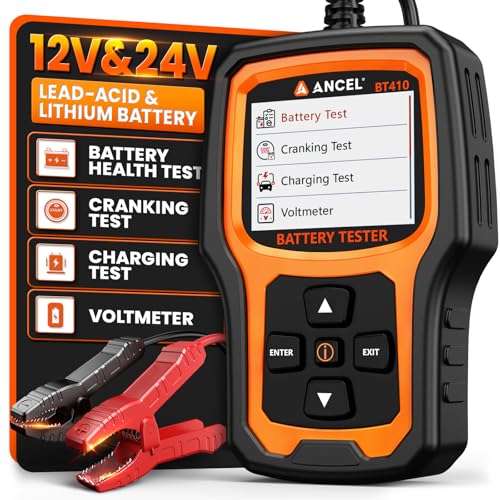
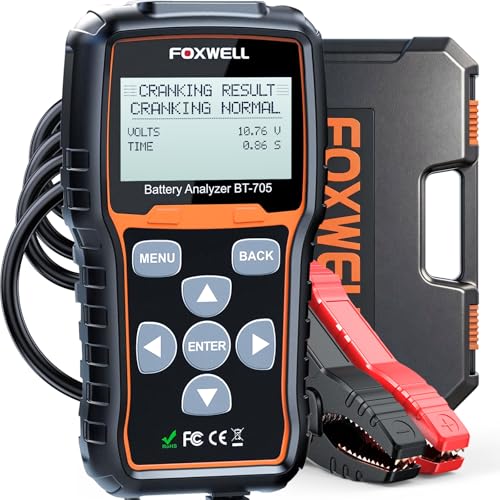
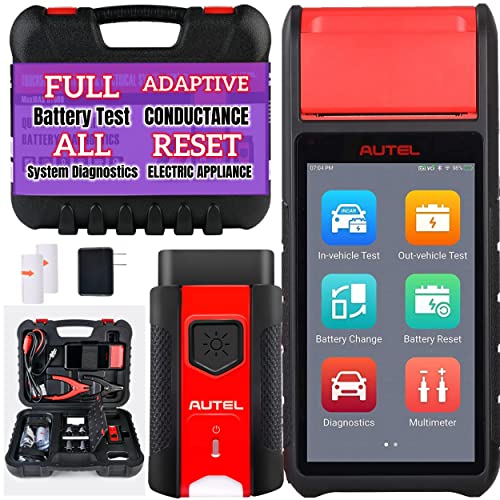
Voltage alone does not tell the full story, since a battery can show a healthy resting voltage yet fail under load. Load and conductance testers give a fuller picture by showing how the battery behaves when the starter demands current. The product table above lets you compare current models once you know which type you need.




Who Needs a Battery Tester
Testers suit home mechanics, owners of older cars, fleet owners, and anyone who wants to check batteries before winter or a long trip. They also help you avoid replacing a good battery when the real problem is a loose cable, a worn alternator, or a parasitic drain. They are not meant for the high-voltage packs in hybrid and electric vehicles, which need specialist tools and training. If you are unsure about working near a battery, ask a professional.
Types of Car Battery Testers
Voltage Checkers
Basic voltage testers show resting voltage and charging voltage cheaply. They are good for quick checks, such as confirming the alternator is charging, but they cannot reliably judge cranking health on their own.
Load Testers
A load tester applies a controlled load and watches how far the voltage drops, which shows cranking ability more honestly than a resting reading. They suit older flooded batteries, but they need correct settings and some care, because loading a weak or discharged battery can mislead you.
Conductance and Digital Analyzers
These measure internal resistance and estimate health and cranking amps without a heavy load. Most handheld digital testers work this way. They give clear pass, warning, or fail guidance, support AGM and start-stop batteries on many models, and suit regular seasonal checks.
Multifunction Testers
Some units test the battery, starter, and alternator together, and a few OBD2 scanners add a battery test. They suit home mechanics who diagnose charging problems, though they cost more and take a little learning.
Features to Compare
Battery Types and Voltage Range
Check that the tester supports your battery type, such as standard flooded, AGM, EFB, or gel, and the voltage range you need, usually 12 volts for cars and 24 volts for some trucks. A tester made for one type can misread another.
Display and Guidance
A clear screen showing voltage, estimated cold cranking amps, and a health result is easier to trust than a single light. Beginners benefit from plain pass, warning, or replace messages.
Safety and Build
Reverse polarity protection, solid clamps, and clear instructions reduce risk around batteries. Longer cables help in tight engine bays, and a sturdy case keeps the tester ready in a garage drawer.
Vehicle Compatibility
Check the battery size range and whether the tester handles stop-start systems. Some testers need a minimum charge level, often around 12.4 volts, to give a reliable result.
How to Test a Battery Properly
- Turn off the engine, lights, and accessories, and let the car sit for an hour so the surface charge fades.
- Clean the terminals if they show corrosion, then clamp the red lead to positive and the black lead to negative.
- Select the battery type and rated cold cranking amps from the label, then run the test and note the result.
- Run the cranking and charging checks if your tester has them, following the maker steps.
- Record the readings, so you can see a decline from one season to the next.
If a battery is swollen, leaking, cracked, or smells of sulfur, do not test it. Keep sparks and flames away, and ask a professional for help.
Reading Your Results
A fully charged healthy battery rests at about 12.6 volts. Readings near 12.4 volts suggest it is about three quarters charged, and 12.2 volts or lower means it needs charging before any test is reliable. With the engine running, a charging system usually shows roughly 13.7 to 14.7 volts at the battery. A figure far below that points to a weak alternator, while a figure well above it can mean an overcharging regulator that will cook a battery over time.
Conductance testers report cold cranking amps compared with the rating on the label. A battery that delivers well under its rated figure is losing capacity, even if it still starts the car today. Treat a warning result as a prompt to recharge and retest, and a replace result on a charged battery as a reason to shop for a new one. If the readings look healthy but the car still struggles to start, look at the starter, cables, and grounds before spending money on a battery.
Common Mistakes
- Trusting resting voltage alone for a health verdict.
- Testing a flat battery, which can give misleading results. Charge it first, then retest.
- Entering the wrong battery type or cold cranking rating, so the verdict comes out wrong.
- Ignoring dirty terminals, which can fake a weak battery.
- Skipping eye protection and ventilation when working near a battery.
Everyday Use and Care
Check the battery each autumn and again before long trips, since cold weather exposes weakness. Keep a short log of voltage and health readings. Clean terminals gently, coil the cables loosely, and store the tester dry. Replace a battery that tests weak after a full charge, and take old batteries to a recycling point rather than the household trash.
For related reading, see our guides to the best auto battery tester and the best small battery tester.
Car Battery Tester FAQ
How do I know if my battery is weak?
Slow cranking, dim lights, a battery warning light, and repeated jump starts can signal a weak battery. A load or conductance test gives a clearer answer than voltage alone.
Can I test a battery without removing it?
Yes. Most testers work with the battery in the car, with the engine and accessories off. Connect to the correct terminals and keep metal tools from bridging them.
What does a conductance test measure?
It measures how easily current flows through the battery, which relates to internal condition and cranking ability, and it estimates health without a heavy load.
Do testers work on AGM and stop-start batteries?
Many modern testers do, but not all. Check that your battery type is listed before you buy, since wrong settings misread results.
When should I replace a battery?
Replace one that tests weak after charging, shows swelling or leaks, or fails to hold a charge. Batteries also age out, so one that is four or five years old deserves a closer look.
Final Thoughts
Choose a tester that matches your battery types, shows clear guidance, and includes safety protection, then check your battery each season. The best car battery testers give you confidence before winter and long trips rather than guesswork on a cold morning, so compare your shortlist in the product table above.


