
Best Car Audio Speakers for Clarity of 2026: Complete Buying Guide
Disclosure: We may earn a commission when you buy through links on this page, at no extra cost to you. As an Amazon Associate I earn from qualifying purchases. Learn more

Learn how to choose the best car audio speakers for clarity with guidance on tweeters, crossovers, sensitivity, fit, and setup for clean, detailed sound.
Muddy vocals and blurred instruments make long drives tiring, even at modest volume. The problem is rarely the music itself. Factory speakers smear detail because one cone is asked to cover bass, voices, and cymbals all at once. Choosing the best car audio speakers for clarity means giving each frequency range a driver that can handle it cleanly.
This guide explains the tweeter, crossover, and sensitivity choices that shape clear sound, plus the fit and wiring checks that protect your purchase. Use the product table above to compare sizes and designs as you narrow your shortlist.


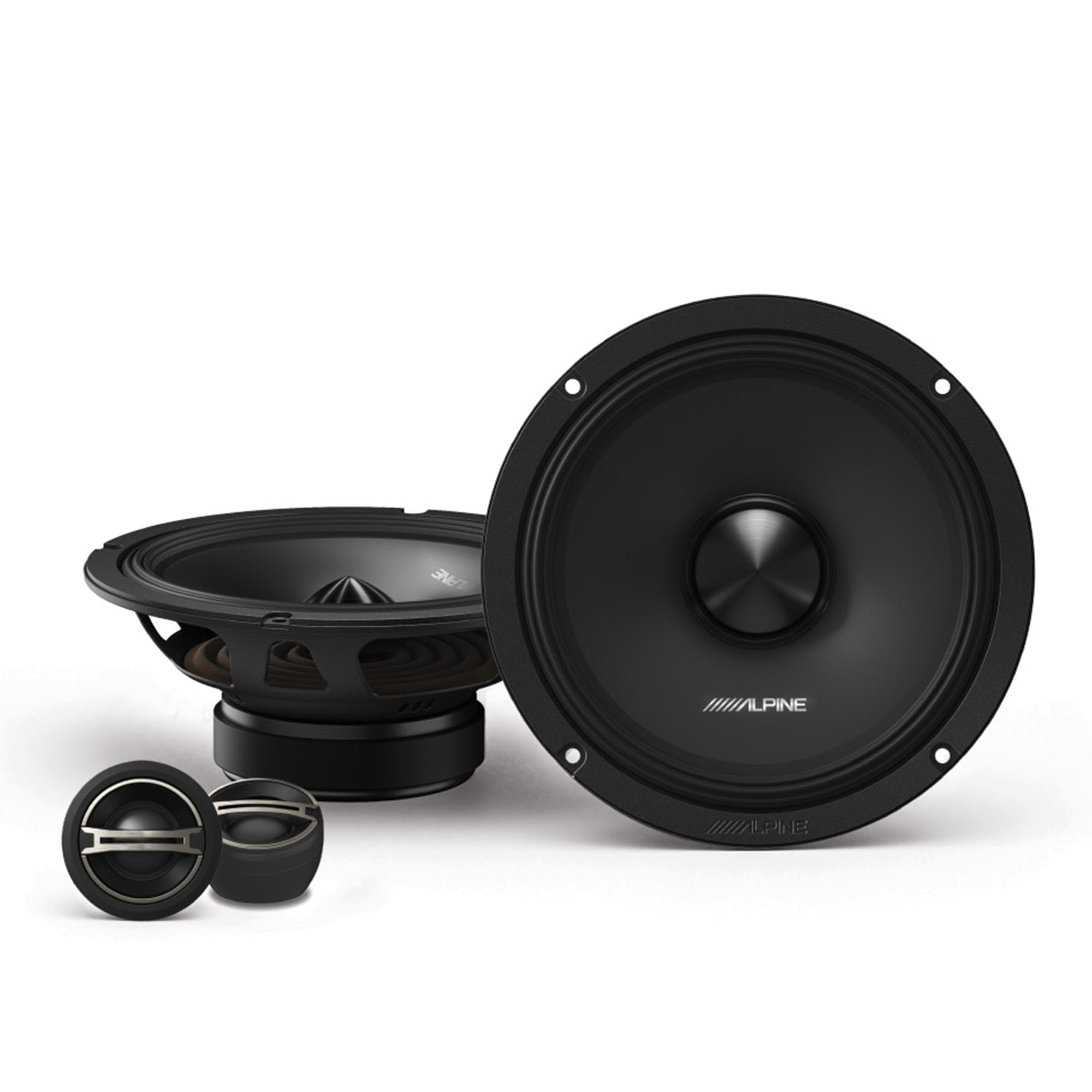


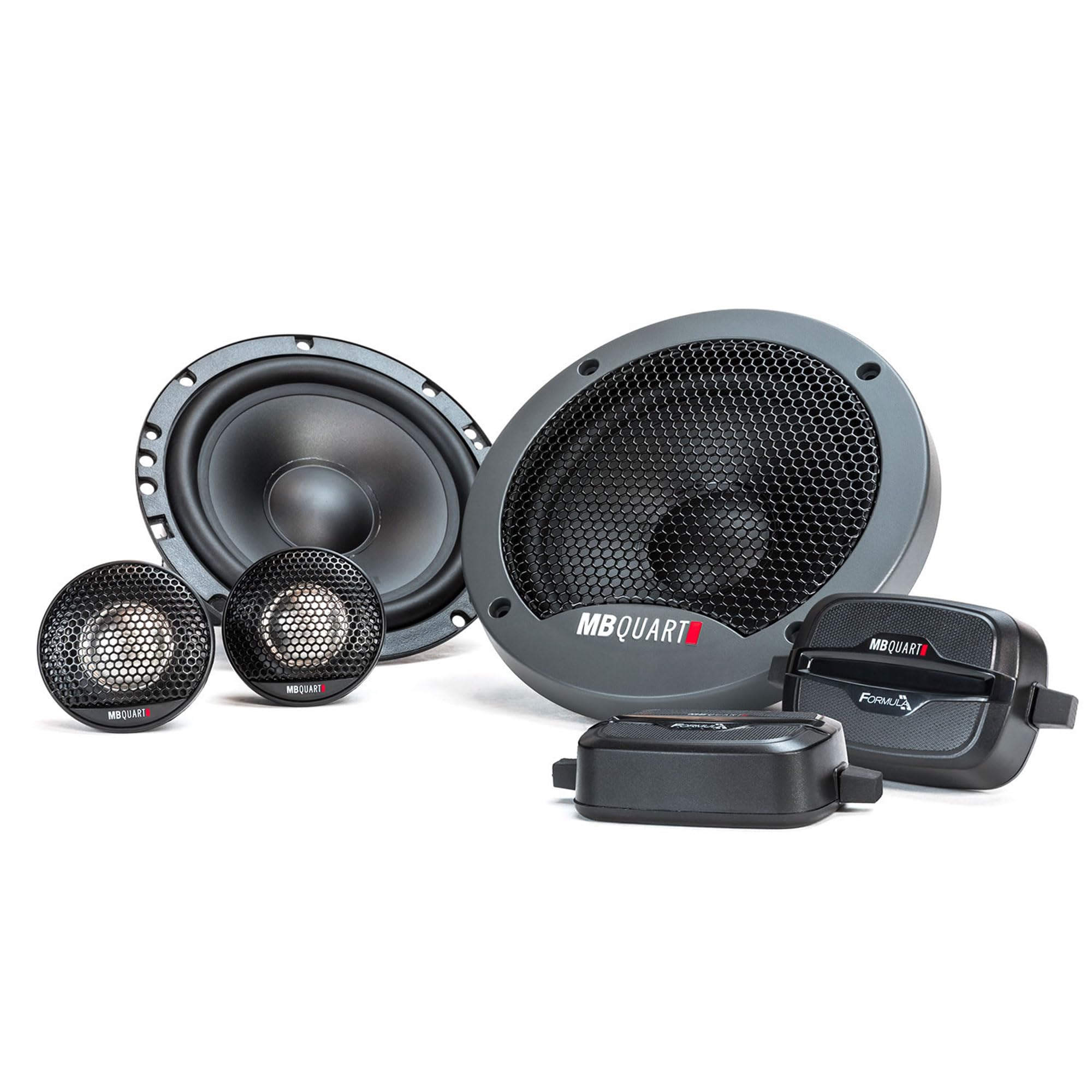

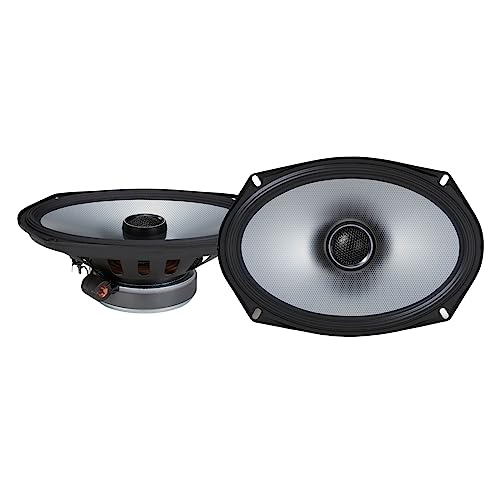
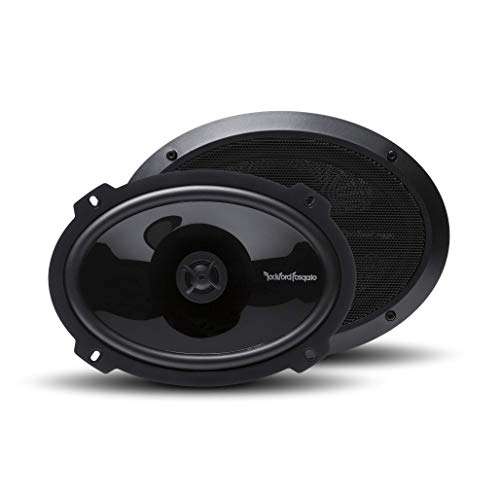
Three Buying Profiles Worth Considering First
Clarity can come from a simple coaxial upgrade or from a full component system, and the right path depends on your budget and patience. These three profiles describe what each approach delivers, so you can read the product table above with a clear priority.
Balanced Profile
The overall profile is a component set with a separate tweeter you can mount near ear level. Raising the tweeter lifts voices off the floor and makes lyrics easier to follow at highway speed. Expect silk or soft dome tweeters, external crossovers, and RMS handling that suits a small amplifier. Prices often run about $120 to $300 for a pair. The trade off is installation time, since you will run extra wires and choose tweeter locations with care.
Value Profile
The value profile is a quality coaxial pair with a well designed tweeter in the center of the woofer. You lose some freedom in tweeter placement, but you gain a fast install and a large step up in detail over factory speakers. Budget about $60 to $120 for a pair. A swivel tweeter helps here, because aiming it toward the listeners recovers much of the clarity that a low door position would otherwise waste on your legs and the footwell carpet.
Upgrade Profile
The upgrade profile adds an amplifier and sound deadening to a component set you already own or plan to buy. Clean power lowers distortion at the volumes where clarity usually falls apart, and deadened doors stop panel buzz from masking quiet details. This path costs more, often about $200 to $400 beyond the speakers, but it suits listeners who hear compression and harshness in their current system and want a lasting fix rather than another small step.
How to Choose the Best Car Audio Speakers: Buying Guide
Clarity is a system result. Driver design, placement, power quality, and the noise level inside the cabin all play a part. Work through the factors below and you will see why two speakers with similar price tags can sound very different on the road.
As you compare options for the best car audio speakers for clarity, look past styling and headline wattage. The details in this section, tweeter material, crossover quality, and honest sensitivity ratings, predict how voices and instruments will actually sound in your car.
Features That Matter for Clarity
Clarity depends on separation and low distortion. A dedicated tweeter with a smooth material such as silk or a soft textile dome reproduces voices and strings without the harsh edge that some metal domes can add. A proper crossover keeps bass out of the tweeter and highs out of the woofer, so each driver works in the range where it stays controlled. Look for frequency response that extends to about 20,000 Hz and a woofer cone that stays stiff through the midrange, where most vocal detail lives.
If vocal focus is your top priority, our guide to the best voice speakers for car audio looks at that strength on its own. For a wider comparison, see our guide to the best car audio speakers for sound quality as well.
Vehicle Compatibility
Confirm the speaker size, mounting depth, and tweeter space for your exact year, model, and trim before you order. Many cars place tweeters in the dash corners, the sail panels by the mirrors, or the A pillars, and each location needs a different mount. Check whether your factory system uses an external amplifier with unusual impedance, because some premium factory systems do. A set listed for your vehicle with included adapter rings and harnesses will save hours and prevent the loose fits that cause rattles and lost detail.
Safety Features
Clear sound should never come at the cost of safe wiring. Disconnect the negative battery terminal before you begin, and keep new wires clear of airbag paths in the A pillars and doors. Use insulated connectors and grommets where wires pass through metal, and secure crossovers so they cannot slide into window mechanisms. If you add an amplifier, fuse its power lead near the battery. A short in an unfused lead is one of the few audio mistakes that can cause real damage, so treat that step as required, not optional.
Ease of Installation
Coaxial speakers are close to plug and play in most cars. You remove the door panel, swap the unit, connect an adapter harness, and test before you refit the panel. Component sets add tweeter mounting and crossover placement, which can double the time but rewards you with better imaging. Be honest about your tools and patience. A neat coaxial install sounds better than a rushed component install with pinched wires, reversed polarity, and crossovers rattling loose inside the door after a week of driving.
Performance Specs
RMS watts describe continuous power handling and should match your source. A set rated around 50 to 75 watts RMS per side pairs well with a compact amplifier, while high sensitivity designs around 91 dB or above stay clear on factory power. Check impedance, usually 4 ohms, and confirm your head unit supports it. Frequency response figures help most at the top end for clarity. Also note the crossover slope when listed. A steeper slope protects the tweeter and keeps the midrange cleaner at higher volume.
Build Quality and Weather Resistance
Door mounted woofers face moisture every time it rains, because water drains through the door shell by design. Polypropylene or treated cones, rubber surrounds, and corrosion resistant terminals hold up best in that environment. Tweeters mounted high stay drier, but their small wires and mounts should still feel solid. Press the basket gently before installation. Flex you can feel by hand becomes vibration you can hear at volume. A foam gasket behind the woofer also seals the mount and keeps midrange energy moving into the cabin.
Features and Extras
Helpful extras include tweeter attenuation switches on the crossover, which let you tame brightness if your car has hard glass and plastic surfaces, and angled tweeter mounts that aim sound at your ears. Included harnesses, rings, and clear templates reduce guesswork. Some sets offer bi amp capable crossovers for advanced builds, which most buyers can safely ignore. Focus your money on the extras you will use during a normal install, especially aiming and level adjustment, because those shape clarity every day.
For general background before you commit, our guide to the best car audio speakers covers the wider category, while our guide to the best clarity car speakers takes a similar detail first view.
Types of Car Audio Speakers
Each type below trades installation effort against control over the sound. Pick the type that matches your car and your plans, then compare designs within that type.
Premium Options
Premium options pair refined tweeters with precise crossovers and low resonance baskets. They reveal quiet background parts in familiar songs and keep voices natural at higher volume. They cost more and deserve clean power and careful placement to justify the price. They suit listeners building a system in stages who will add an amplifier and deadening rather than stopping at a single speaker swap in an otherwise stock car.
Compact and Portable Options
Compact options here mean shallow mount coaxial speakers for tight doors, small cars, and rear fill locations. They install fast and improve clarity a clear step beyond factory units, especially for rear passengers. Their small magnets and limited tweeter aiming cap the final result, so they work best as part of a balanced plan where the front speakers carry the main clarity role and the compact units provide supporting fill at lower volume.
Budget and DIY Options
Budget and DIY options are entry level coaxial pairs, often about $40 to $80, that a careful owner can fit in an afternoon. Choose high sensitivity so factory power is enough, and check that the tweeter is a real separate dome rather than a simple cone treatment. Expect a cleaner, brighter sound than stock, with some harshness at very high volume. They suit older cars and first projects where learning the install process matters as much as the result.
Pro Grade Options
Pro grade options are component systems built for amplified, tuned installations, sometimes with separate midrange drivers as a three way set. In this layout our guide to the best car audio component speakers explains how the separate drivers share the work. Pro grade sets offer the highest clarity ceiling, with precise imaging and low distortion, but they need time, tuning skill, and often professional help. They suit dedicated listeners who treat the car as a main listening room and plan crossover and equalizer work after the install.
How to Make Your Car Audio Speaker Last Longer
Clear speakers stay clear when you protect them from heat, moisture, and distortion. These habits cost little and prevent most early failures.
- Check your manual for specs: confirm sizes, wiring colors, and panel removal steps in the vehicle manual before you start work.
- Keep volume below distortion: distortion heats voice coils fast, so lower the volume at the first gritty edge in the sound.
- Protect door speakers from water: keep the factory water shield in place or add a baffle so drips do not reach the cone.
- Secure every wire: loose wires chafe, short, and create crackles that are often mistaken for a failing speaker.
- Clean grilles gently: dust buildup dulls high frequencies, and a soft brush restores detail without chemicals or pressure.
- Recheck mounts each year: snug screws and intact gaskets keep rattles from creeping back as the car ages.
Frequently Asked Questions
What features matter most in car audio speakers for clarity?
Tweeter quality, crossover design, and placement matter most. A smooth dome tweeter mounted near ear level, fed by a crossover that protects it from bass, will outperform a costly woofer with a poor tweeter low in the door. Sensitivity also helps, because a speaker that plays clearly on modest power avoids the distortion that blurs detail. Finally, consider your cabin. Hard reflective surfaces favor a softer tweeter material and a level adjustment on the crossover.
What specs matter most?
Sensitivity, RMS handling, and top end frequency response matter most for clarity. Sensitivity near or above 91 dB keeps factory systems clean and loud enough, while honest RMS ratings guide amplifier matching. Ignore peak wattage claims. One more useful figure is the crossover point. A well chosen point around 3,000 to 5,000 Hz keeps voices mostly in the woofer while letting the tweeter handle air and detail, which reduces strain on both drivers during complex passages.
How long does it last?
Most quality sets last five to ten years. Rubber surrounds and moisture resistant cones age slowest, while constant distortion and water intrusion are the fastest paths to failure. If clarity fades gradually, check grille dust and loose mounts before assuming the drivers are worn. If one side crackles on bass notes only, suspect a torn surround or a wire touching metal, since clarity focused tweeters themselves rarely fail first in normal use.
Do I need professional installation?
Not for a coaxial swap, which most owners can finish with basic tools and an adapter harness. Component sets benefit from professional help when tweeter pods, pillar work, or amplifier tuning are involved. A practical test is wiring confidence. If reading a wiring diagram feels stressful, paying for installation protects both the speakers and the car electronics, and a shop can also set crossover levels with test tones you may not own.
Will it fit my vehicle?
Yes, if diameter, depth, and tweeter mounting all match your car. Verify with a fit guide for your exact trim, because premium factory systems sometimes use odd sizes or low impedance drivers. Measure the space behind the door panel if your car is a compact model. When a listing promises a universal fit only, treat that as a warning and look for a set that names your vehicle or includes vehicle specific adapters in the box.
Our Verdict
Prioritize a good tweeter in a good position, a crossover that protects it, and sensitivity that suits your power source. Those choices decide clarity more than price alone. Compare your finalists in the product table above, plan the install carefully, and keep volume below distortion in daily use. Chosen that way, the best car audio speakers for clarity will keep voices natural and music easy to enjoy for years.


