Best Canon Cameras for Wedding Photography of 2026: Complete Buying Guide
Disclosure: We may earn a commission when you buy through links on this page, at no extra cost to you. As an Amazon Associate I earn from qualifying purchases. Learn more

Compare the best canon cameras for wedding photography by low light focus, battery life, lenses and price, with clear tips for a reliable wedding kit.
A wedding day offers no second takes. The kiss, the walk back down the aisle and the speeches happen once, in light that swings from bright gardens to dim halls. This guide compares the best canon cameras for wedding photography by class and budget, so you can build a kit that keeps working calmly from the morning preparations to the last dance. The comparison table below outlines the main classes.
Rather than naming individual models, the guide weighs the factors a working wedding day actually demands: focus in dark rooms, battery stamina, quiet operation and backup discipline. Prices appear as bands, and every suggestion is framed as a class of camera, not a single product. New to cameras entirely? The broad guide to best cameras for photography covers the basic classes first.





Three Budget Bands for a Wedding Kit
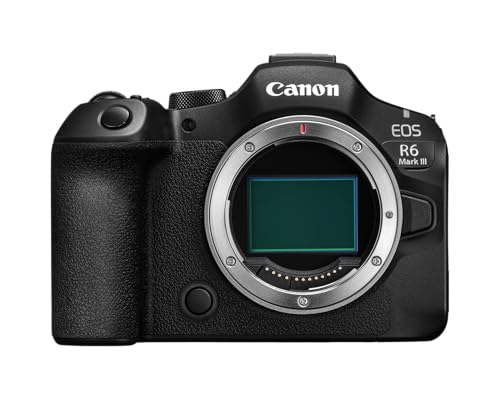
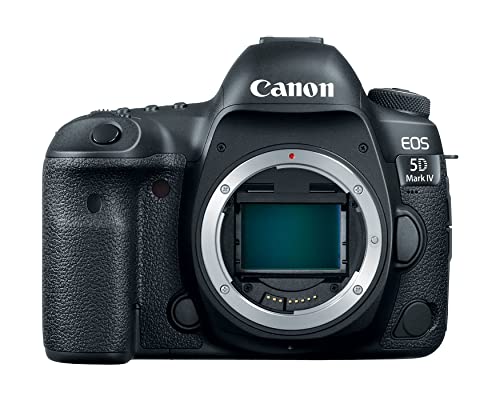
Wedding kits sort into three spending bands, and the product table above lists current examples of each class. The general guide to best cameras for wedding photography covers the day across all brands, while the bands below stay within one maker range and count backup gear as part of the budget.
Starter Band for Second Shooters
Bodies at about $800 to $1,500 suit second shooters, students and friends asked to photograph a small wedding. Expect capable APS C sensors, one card slot and simpler controls. The honest limit is low light: receptions in dark halls push these bodies hard, so pair one with the fastest lens you can afford.
Middle Band for Working Main Shooters
Bodies at about $1,500 to $3,000 bring full frame sensors, dual card slots and far stronger high sensitivity files. For most paid work this is the sensible ceiling, since the gains fund lenses and a backup body too. Weather sealing and deeper buffers also start here, both put to work every week of a full wedding season.
Top Band for Full Time Professionals
Bodies at about $3,000 to $5,500 add the fastest subject tracking, the toughest builds and the best viewfinders in the range. They suit photographers shooting many weddings a year, where one missed frame can mean a lost client moment. The cameras alone do not finish the kit, since pro level service and spare bodies sit in this budget too.
How to Choose a Canon Wedding Camera
A wedding camera is judged under pressure, in poor light, with no pause to fiddle. Use the factors below to weigh the best canon cameras for wedding photography by reliability first and image quality a close second.
Features That Matter for Wedding Photography
A wedding is a one chance assignment. That is why the backup body and the card strategy are professional features, not luxuries: files written to two cards at once survive a card failure, and a second body keeps you shooting when one fails. A single card slot, by contrast, is a genuine risk class for paid work.
Sensor Size and Image Quality
Dark venues decide this purchase more often than bright ones. Sensitivity range and lens aperture outrank resolution here, because a clean file at a high setting beats a noisy detailed one. Full frame sensors lead for reception light, while APS C bodies still serve ceremonies in daylight and smaller halls well.
Autofocus and Stabilization
Eye autofocus that locks onto the nearest eye saves frames during fast, emotional exchanges, and in body stabilization steadies handheld shots in dim rooms. Burst depth matters in short bursts at the aisle and the first dance. Respect for the ceremony matters too: a quiet or silent shutter mode is a conduct feature, keeping the camera unheard during vows. The tracking priorities in best canon cameras for sports photography overlap here more than in any other genre.
Battery Life and Charging
A full wedding day can mean thousands of frames across 8 to 10 hours, so rated shots per charge only start the story. Carry at least two spare batteries per body and rotate them on a schedule. USB C charging between the ceremony and the reception has saved many shooters a dead camera at the first dance.
Ease of Use for Your Skill Level
Under time pressure, muscle memory beats menu depth. Twin control dials, a joystick for focus point moves and custom buttons for the settings you change hourly all repay practice. If a second shooter joins you, matching body layouts across the team removes a whole class of errors on the day.
Size, Weight, and Ergonomics
You will hold this camera at eye level for most of a working day, so grip depth, button reach with cold fingers and harness comfort are buying factors, not comforts. A slightly heavier body that balances a long lens well can tire you less than a light body that hangs nose down. The carry logic differs from travel work, as the guide to best canon cameras for landscape photography shows, since wedding kits move room to room rather than up trails.
Types of Canon Cameras
Three body types cover wedding work in this maker range, and the overview in best photography canon cameras maps the wider lineup if you are still narrowing the field. The notes below judge each type against a full wedding day.
Mirrorless Cameras
Mirrorless bodies lead current wedding work, with silent shutters, eye autofocus and live exposure preview in the finder. They show dark rooms honestly before you shoot, which suits reception light. Battery appetite is their main tax, answered with spares.
DSLR Cameras
DSLR bodies remain in many wedding bags, prized for long battery life, optical finders that never lag and deep used markets. Their live view autofocus trails mirrorless, and silent shooting options are limited. As a backup body bought used, a DSLR still makes strong financial sense.
Point and Shoot Compacts
Premium compacts play only a supporting role at weddings: candid guest shots, venue details and a pocketable backup for the dance floor. Their small sensors struggle in dark halls. Treat one as an extra, never as the main camera for a paid day.
Tips to Get the Most From Your Canon Camera
Small habits, repeated at every wedding, protect both the gear and the gallery.
- Use a lens cloth, not your shirt, to clear spray and fingerprints between events.
- Carry spare batteries and cards on your person, not in a bag across the room.
- Format cards in the camera before each wedding, and never delete single frames in the middle of the day.
- Update firmware between wedding seasons, since makers often refine autofocus behavior in updates.
- Store the kit in a dry, padded bag, and dry any rain soaked gear before sealing it away.
FAQs
What features matter most in Canon cameras for wedding photography?
Reliability features matter most: dual card slots, low light autofocus and all day battery options. Anyone comparing the best canon cameras for weddings quickly learns that the glamorous specs, like megapixel counts, rank below those basics. Add a fast normal zoom to the list, since one lens that covers groups and portraits simplifies the whole day.
What specs matter most for beginners shooting a first wedding?
Beginners should prioritize forgiving autofocus, a tilting screen and clear auto exposure help over resolution. One beginner specific point often missed: attend the rehearsal with the camera in hand, because venue light and distances teach more in an hour than spec sheets do in a week. Shoot the practice run at the settings you plan for the day itself.
How much should I spend on my first Canon wedding camera?
A body in the starter band, about $800 to $1,500, is a rational first step, especially bought with a fast prime lens. Hold back part of the budget for a rental backup body on the day, since rental costs little beside the value of the event. Move to the middle band when paid bookings become regular.
Which matters more in a dark venue, a larger sensor or a faster lens?
A faster lens usually matters more, because opening the aperture gains light without raising noise, while a bigger sensor mainly cleans the noise you already have. In practice the pair work together, and most reception shooters end up wanting both. If the budget forces one choice, buy the lens first and rent the body upgrade for the darkest venues.
Do I need two camera bodies for wedding photography?
For paid work, yes, treat a second body as insurance rather than a luxury. Bodies fail, shutters wear out and lenses get knocked, and none of those events pauses a ceremony. The backup can be an older or smaller body; it only has to keep you shooting acceptable files until the day ends.
The Bottom Line
Rank reliability first, dark room focus second and resolution last, and most wedding kits choose themselves. Compare the classes in the product table above, fund the backup gear before the flagship features, and the best canon cameras for wedding photography for your budget will serve couple after couple without drama.