
Best Cameras for Wedding Photography: Everything to Know Before Your First Purchase in 2026
Disclosure: We may earn a commission when you buy through links on this page, at no extra cost to you. As an Amazon Associate I earn from qualifying purchases. Learn more

A first purchase guide to wedding photography cameras, covering two card slots, low light strength, quiet shutters, lenses, and budgets in plain terms.
Buying your first wedding camera feels different from buying a camera for travel or family snaps, and this guide starts from that difference. In the first pages you will meet the plain language terms, then the specs that truly decide a wedding day, then a calm order for spending. When you shop for best cameras for wedding photography on a first purchase, you are really shopping for reliability under pressure. The comparison table below gathers the current classes in one place so you can match each class to the ideas explained here.
A wedding is one unrepeatable day. Nothing on the schedule can be staged again because a card failed or a battery died at the wrong minute. That is why a wedding camera plan is a reliability plan before it is an image quality plan.

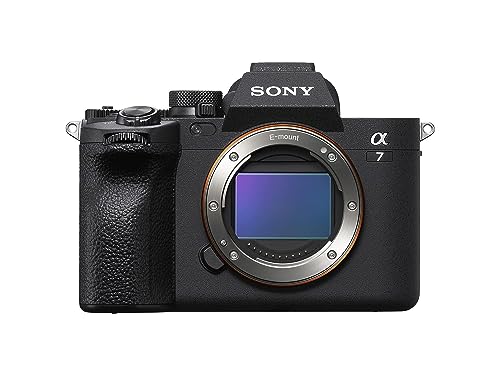


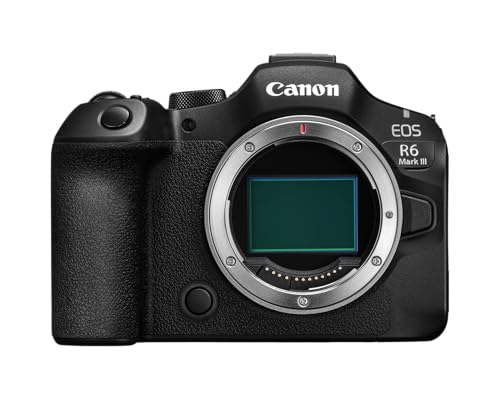
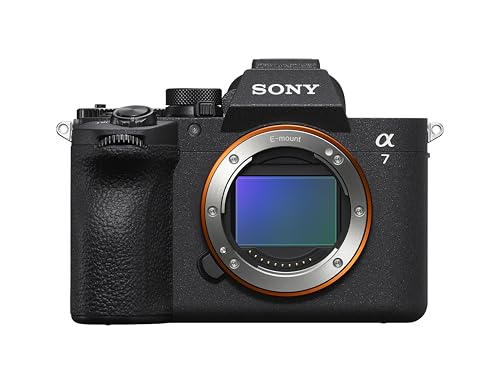
Two card slots that record the same files twice and a second body class carried as insurance are not luxuries for a first buyer. They are the simplest protection you can buy for moments that belong to someone else.
Cameras 101: The Basics
A camera is a light recording tool built around three linked parts: a sensor that captures light, a processor that turns that light into a finished image file, and a lens that gathers and focuses the light. Change any one part and the pictures change with it. A larger sensor usually gathers light more cleanly, a faster processor keeps the camera responsive during busy moments, and a suitable lens decides how much of a room you can show. First time buyers do well to judge the three parts together rather than chasing one headline number.
The dark half of the wedding day explains the next rule. Churches and evening halls are low light rooms where flash may be limited and faces still move. In those rooms the low light class decides what you bring home, because clean files at high sensitivity settings matter more than a long feature list.
A camera that stays clean and focused in dim light will serve you at the ceremony, the speeches, and the first dance. A camera that only shines outdoors at noon will struggle for half the booking.
Sound belongs in the basics too. A quiet shutter class is a courtesy fact at a ceremony, since clicks carry in still rooms and can pull attention from vows. The ceremony sets the rules, and the photographer adapts to them rather than the other way around.
Look for a silent or softened shutter option and learn when the venue expects you to use it. Readers who want the wider picture first can read our guide to best cameras for photography and then return to these wedding specific needs.
Key Specs Explained in Plain English
Specs look technical, but each one answers a simple wedding question. How clean will the files look in a dim hall, how fast will focus lock on a moving couple, and how long will the camera keep working through a long day? Read each heading below in that spirit. The product table above can then be scanned with clear priorities instead of guesswork.
Features That Matter for Wedding Photography
Wedding work asks for a rare mix of speed, discretion, and stamina in one body. Fast and accurate autofocus matters because entrances, confetti, and dancing rarely pause for a second attempt. A generous buffer matters because short bursts during the processional and the recessional should not stall the camera.
Two card slots, a dependable battery, and clear controls you can change without lowering the camera complete the core set. If a class is weak in two of those areas, its other strengths rarely rescue it on the day.
Sensor Size and Image Quality
Sensor size describes the physical area that gathers light, and bigger areas usually produce cleaner files with smoother tones. Compact classes use small sensors, mid size classes use APS C sensors, and the largest common wedding class uses full frame sensors. Megapixel counts only describe how many dots fill the file, and very high counts on a small sensor can look noisy in dim rooms.
For a first wedding purchase, a larger sensor with moderate resolution is usually the safer balance. It gives you room to crop a little while keeping evening files pleasant.
Low Light Performance
Low light performance is the ability to raise sensitivity, marked as ISO, without the picture filling with grain and smeared detail. Test the idea in simple terms by asking how the class behaves in a candlelit room rather than a bright shop display. A bright lens aperture helps here, since a lens that opens to about f 2.8 or wider gathers far more light than a slow kit zoom.
Pair a clean high ISO range with in body image stabilization and you can hand hold slower, steadier shots during speeches. This pairing is worth more than extra zoom reach for most weddings.
Lens and Zoom Range
The lens decides your view more than the body does. A standard zoom covering about 24 to 70 mm handles rooms, groups, and portraits without constant swapping, while a longer zoom near 70 to 200 mm lets you take candid frames from a respectful distance. Prime lenses have one fixed view but open wider for dim rooms and soft backgrounds.
Optical zoom changes the view through glass and keeps full quality, unlike digital cropping. Many first buyers do best with one versatile zoom first, then add one bright prime once they know their style.
Durability and Weather Sealing
Weddings move between gardens, streets, marquees, and packed dance floors, so the camera should tolerate dust, splashes, and knocks. Weather sealing uses gaskets around doors, dials, and the lens mount to slow the entry of moisture, though it never makes a camera waterproof for rain soaked portraits. A solid body shell and a lens with matching sealing complete the protection.
Carry a soft lens cloth, not your shirt, for quick cleaning between locations. Buyers who shoot outdoors often should rank sealing above small gains in screen quality or video extras.
Size, Weight, and Ergonomics
A wedding day can mean eight or more hours with a camera in your hands, raised, lowered, and turned for vertical frames. A deep grip, reachable dials, and a balanced pairing with your main lens reduce hand strain and missed settings. Very small bodies can feel cramped with long lenses, while very heavy kits can slow you late in the evening.
If you can, hold each class with a typical wedding lens fitted before you decide. Comfort you notice in the first ten minutes becomes endurance by hour eight.
Best Cameras for Specific Needs
Different first buyers arrive with different starting points, such as lenses already owned, a preference for one maker system, or a tighter budget for a second body. The two routes below cover the questions asked most often. Readers comparing the shorter sibling topic can also see our notes on best wedding cameras for a narrower view of the same day.
Best Mirrorless Cameras for Wedding Photography: Tips for First Time Buyers
Mirrorless bodies now lead wedding work, and for many first buyers this is the natural starting class. Without a mirror box, these bodies stay smaller while offering a live preview of exposure through the viewfinder. Judge them on focus tracking for moving faces, silent shutter behavior, and how long the battery lasts with the screen and viewfinder in constant use. A mirrorless kit with two card slots and a bright standard zoom covers most of a first season with room to grow.
Best Lenses or Cameras for Wedding Photography: Tips for First Time Buyers
A useful budgeting truth sits behind this choice: glass often matters more than a newer body. A mid level body with a bright, sharp standard zoom will usually beat a flagship body paired with a slow lens in a dim hall. Decide by asking where your light will be weakest, then spend first on the lens that solves that room.
Keep the body choice simple, reliable, and familiar. Save the remaining budget for cards, batteries, and the second body insurance described earlier.
Staying within one lens system deserves a calm word for first buyers who already own lenses. Keeping the system your current glass belongs to protects that earlier spending, since adapters can add cost and slow handling on a fast day. Judge any system by the same tests used throughout this guide: two card slots, focus that tracks moving faces, and bright lenses for dim rooms.
Rookie Mistakes to Avoid
- Buying one body and one card slot. A single point of failure puts an unrepeatable day at risk, so plan backup recording and a backup body class from the start.
- Spending everything on the body. A slow lens in a dark hall undoes an expensive sensor, so reserve real money for bright glass.
- Chasing megapixels alone. Huge file counts on a small sensor look worse in dim light and fill cards faster, so judge low light cleanliness first.
- Ignoring shutter sound. A loud camera in a quiet ceremony draws eyes and complaints, so confirm a silent option before you buy.
- Learning the camera at the wedding. New menus and custom buttons need practice at home, so schedule rehearsal shoots before any real booking.
Getting Started: Setup and First Use
Start at home, not at the venue. Charge every battery, format both cards in the camera, and set the second slot to record a copy of every file. Then set the date and time correctly, since delivery software sorts by it later.
Choose your file quality, focus mode, and silent shutter setting while you can think slowly. A short practice session in a dim room at home will teach you more about your settings than an hour of reading menus.
Build a small day kit and check it the night before. Carry a spare battery, spare cards in a labeled case, a lens cloth, and a simple plan for where the second body waits during the ceremony. Learners who are still building basic skills may also enjoy our guide to best beginning photography cameras for gentler practice ideas.
Walk each venue space in your head: where the couple enters, where the light falls, and where you may stand without blocking guests. That quiet rehearsal turns first day nerves into a workable routine.
Frequently Asked Questions: Questions Answered
What features matter most in cameras for wedding photography?
Reliability matters most, led by two card slots, steady autofocus, and clean low light files. Beyond the body itself, check the rated shutter life and local service options, since a camera that can be repaired quickly during the busy season protects future bookings as well as the next one. Good support is a buying feature too. Ask sellers about turnaround times before you commit your main budget.
How many spare batteries and cards should a first time wedding shooter carry?
Carry at least two spare batteries and enough cards to record the whole day twice over. A simple rotation system helps: number each card, fill them in order, and store finished cards face down in a hard case so full and empty media never mix. That small habit prevents the most common media panic. It also makes the evening backup at home faster, because you already know which cards hold which part of the day.
How much should I spend on my first wedding camera kit?
Most first buyers build a workable kit for about $1200 to $3000, depending on sensor size and lenses. Keep a separate slice of the budget, roughly a tenth, for insurance and an emergency rental fund. That reserve sounds dull until a failure on a Friday night makes it the most valuable line in the plan. Spending slightly less on the body to fund that reserve is usually the wiser first purchase.
Is a smartphone enough for wedding photography instead of a camera?
No, a smartphone is not enough as the main wedding camera. Its small sensor and fixed lens struggle in dim halls, and it offers no dual card backup for an unrepeatable day. A phone still earns a place in the kit for casual behind the scenes snaps and as a last resort emergency option. Some venues also restrict phone use during ceremonies, which is one more reason the dedicated camera stays primary.
What specs matter most for beginners shooting weddings?
Beginners should value clear menus, a guided help display, and forgiving autofocus above exotic extras. Those learning aids matter because wedding pressure punishes confusion, and a camera you understand beats a complex one you fight. Give yourself several practice weeks with the same settings before a booking. Photograph moving people in dim rooms at home until focus choices and exposure changes feel automatic.
Wrapping Up
Your first wedding purchase comes down to three tests. Does the kit protect an unrepeatable day with two card slots and a second body plan, does it stay clean and focused in low light rooms, and can it work quietly when the ceremony demands courtesy? Classes that pass all three deserve your money before classes that merely look impressive on a spec sheet. Use the product table above to compare the classes against those tests in order.
Choose the system you can afford to support with bright lenses, spare media, and practice time, and your first season will feel far calmer. That steady approach is how careful first buyers end up with best cameras for wedding photography for their own needs, rather than the loudest advertised option. Start with reliability, add light, and let experience guide the upgrades that follow.


