
Best Canon Cameras for Astrophotography in 2026: Matching the Right Model to Your Routine
Disclosure: We may earn a commission when you buy through links on this page, at no extra cost to you. As an Amazon Associate I earn from qualifying purchases. Learn more

Compare the best Canon camera types for astrophotography by sensor size, lens mount, manual controls and battery life, with a dark sky checklist.
There is no single Canon body that suits every night sky routine, because a Milky Way landscape, a tracked deep sky target and a quick meteor watch ask for different strengths. The best canon cameras for astrophotography for you are the ones whose sensor, lens mount and manual controls match the subjects you shoot most. Use the product table below to weigh those points first.
Start with your usual session. Note where you shoot, how long you stay out, whether you use a tripod alone or a tracker, and how much weight you can carry to a dark site. Those answers shape every section that follows, from sensor size to battery planning.
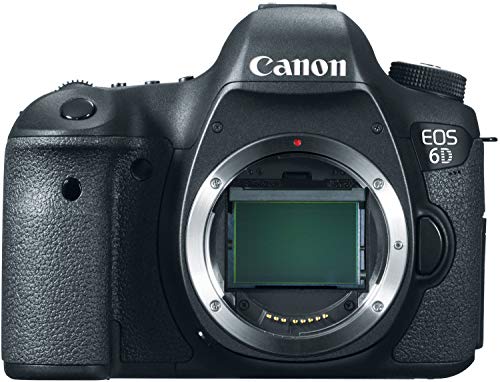


Who Should Buy Which Canon Cameras?
Your routine decides which tradeoffs are worth making. If you are still weighing the wider Canon range, see our guide to the best canon cameras for a general overview before you narrow down to night use.
Milky Way Landscape Shooters at Dark Sky Sites
You shoot wide scenes where the Milky Way arches over land, so a larger sensor, clean high ISO files and a fast wide lens matter most. Choose a body with full manual control, a bright live view screen for framing in darkness and a mount that accepts wide lenses with apertures around f 1.8 to f 2.8.
Deep Sky Imagers Using a Star Tracker or Mount
You aim at nebulae, galaxies and star clusters through longer exposures, often guided by a tracker or an equatorial mount. Prioritize low noise at long exposures, a reliable bulb mode, an interval timer and easy power from an external source during hours of capture. Total kit weight must stay within your mount payload, and a lighter mirrorless body leaves more capacity for your lens or telescope.
Travelers Who Photograph the Night Sky on Trips
You add night sessions to trips planned for other reasons, so the camera must earn its space in a small bag. Choose a compact mirrorless body, a modest wide lens and a battery that lasts a full evening without a charger nearby. Simple menus help when you set up in the dark, and a tilting screen makes low tripod framing easier.
Best Canon Cameras for Specific Needs
Some buyers have one firm limit, such as a tight budget, that changes the sensible choice more than any single spec does.
Best Canon Cameras for Astrophotography under 400: What to Prioritize
At under $400 you are usually choosing a used body, so condition and the lens mount matter more than the newest features. Put the money toward a body with full manual exposure, RAW files and live view magnification, then keep funds for a fast wide lens, because the lens often limits star quality more than the body does. Check shutter count, sensor cleanliness and battery health before you buy.
Key Features to Compare
Compare these factors in order, because the first two shape your files every night while the later ones shape how reliably you can capture them.
Sensor Size and High ISO Noise
Sensor size drives how much light each pixel gathers, and that shows up as noise when you raise ISO to shorten exposures. A full frame sensor generally gives cleaner files at ISO 3200 to 6400 than a smaller APS C sensor of a similar age, which helps untracked Milky Way shots. APS C bodies cost less and pair with smaller lenses, so they suit tracked work where longer exposures keep ISO lower.
Manual Exposure, Bulb Mode and RAW Files
Astrophotography needs full control, because the camera meter cannot judge a dark sky for you. Look for a true manual mode, bulb timing for exposures past 30 seconds, and easy access to aperture, shutter and ISO dials while you wear gloves. RAW files hold more shadow detail than compressed files, which gives you room to lift faint nebula signal later without harsh banding.
Lens Mount and Fast Wide Lenses
The mount decides which lenses you can use now and add later, and the lens often matters more than the body for star shape. Canon RF and EF mounts both offer wide lenses with fast apertures. For landscapes, focal lengths around 14 to 24 mm on full frame, or about 10 to 18 mm on APS C, frame sky and land together. Check coma in sample images, because stars at the corners can stretch even when the center looks sharp.
Focus Aids for Sharp Stars
You will focus by hand at night, because autofocus cannot lock onto faint stars reliably. Live view magnification lets you enlarge a bright star on screen and turn the focus ring until the star shrinks to its smallest point. Focus peaking can confirm that point, and a lens with a smooth, firm focus ring holds it through the session. Turn stabilization off on a tripod, since the system can drift while it tries to correct movement that is not there.
Interval Timer, Battery Life and Night Handling
Stacking is central to deep sky work, so a built in interval timer, or support for an external intervalometer, saves you from touching the camera between shots. Cold nights drain batteries faster, so check shots per charge and whether the body can run from a USB power bank or a dummy battery. A dimmable screen protects your night vision, and weather sealing helps when dew forms on gear left outside for hours.
Common Mistakes to Avoid
Most poor first results come from buying choices, not from a lack of talent under the sky.
- Choosing a body by megapixel count alone leaves you with noisy high ISO files that no amount of editing fully repairs.
- Spending the whole budget on a body and keeping a slow kit zoom starves your sensor of light and softens stars at the frame edges.
- Ignoring mount payload limits overloads a small tracker, so guided exposures trail and whole stacks go to waste.
- Buying a body without bulb mode or an interval option caps your exposures and blocks the stacking workflow deep sky targets need.
- Skipping a check of used gear condition can hide a dirty sensor, and its spots appear in every flat stretch of sky.
Setup and Care Tips for Night Sessions
Set the tripod on firm ground, extend the thickest leg sections first and keep the center column down for stability during long exposures. Use a remote release or a short self timer so your hand is off the camera when the shutter opens. Attach a dew strap to the lens on damp nights, because a fogged front element ends a session faster than passing cloud does. Recheck focus after the temperature drops, since metal and glass shift slightly as gear cools.
Clean the lens with a lens cloth, not your shirt, because grit in fabric can scratch coatings. Carry a spare battery in an inside pocket where body warmth keeps its charge, and swap it before the camera dies mid sequence. Store the body in a dry, padded bag with the cap on, and let cold gear warm up inside a sealed bag at home so moisture forms on the bag instead of inside the lens. If you are comparing wider night options beyond one brand, see our guide to the best cameras astrophotography for the full field.
Frequently Asked Questions
What features matter most in Canon cameras for astrophotography at a dark sky site?
Clean high ISO files, full manual control and a fast wide lens matter most at a dark sky site. Dark surroundings let you use the full exposure your tracking setup allows, so sensor noise becomes the main limit on faint detail. Add a red light headlamp to your kit list, because white light ruins the night vision you need to judge the sky between frames.
Is a smartphone enough instead of a Canon camera for photographing the Milky Way?
A smartphone is enough for a souvenir shot of a bright Milky Way, but not for detailed or tracked work. Its tiny sensor gathers far less light, and its fixed lens limits both framing and star sharpness at the edges. A Canon body also lets you change lenses as your subjects change, from wide landscapes to tracked clusters, which a phone cannot match.
What specs matter most for beginners choosing a Canon camera for astrophotography?
Beginners should prioritize manual mode, RAW files and live view magnification over high megapixel counts. Those three features let you learn exposure and focus, which decide your results far more than resolution does. If you want a gentler starting point, see our guide to the best canon cameras for beginners before you commit to a night focused kit.
Which Canon sensor size is better for low light astrophotography?
Full frame is better for untracked low light work, because its larger pixels usually produce cleaner files at the high ISO settings short exposures demand. APS C closes much of the gap once a tracker lets you expose longer at lower ISO. Your lens budget should guide the call, since a fast lens on APS C often beats a slow lens on full frame.
Can a kit lens work on Canon cameras for astrophotography?
A kit lens can work for your first Milky Way sessions, so you do not need a special lens to start. Its narrower aperture forces higher ISO or longer exposures, which adds noise or star trails, but the framing and focus skills you learn still apply. Shoot at its widest setting, stop down slightly if corner stars smear, and upgrade the lens before you upgrade the body.
The Bottom Line
Match the sensor to your tracking setup, the mount to the lenses you plan to own and the controls to long nights outdoors. Use the product table above to check those points side by side. Chosen that way, the best canon cameras for astrophotography become the ones that fit your routine, your sites and your budget, night after night.


