
Best Cameras Astrophotography by Budget for 2026
Disclosure: We may earn a commission when you buy through links on this page, at no extra cost to you. As an Amazon Associate I earn from qualifying purchases. Learn more

Compare cameras for astrophotography by budget, with plain guidance on sensors, lenses, mounts and low light performance for every spending level.
Spending on a night sky camera can run from a few hundred dollars to several thousand, and the price gap alone tells you very little about the pictures you will bring home. The honest first step is to sort buyers by sky. Someone shooting from a town garden fights glow on the horizon, while someone who drives to a dark site works under a sky so black that modest gear performs far above its price. This guide to best cameras astrophotography is organized by budget, so you can see what each spending level actually buys and where extra money stops helping.
One boundary matters before any tier makes sense. This article covers ordinary cameras used for the night sky, the kind you can also shoot family photos with the next morning. Dedicated astronomy cameras, the cooled units that attach to a telescope and do nothing else, are a different purchase with a different logic, and a separate guide on this site covers that class. The comparison table below lines up the main camera classes by budget so the trade offs sit in one place.


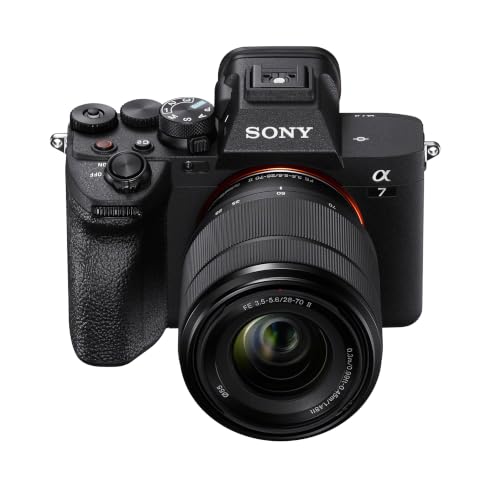



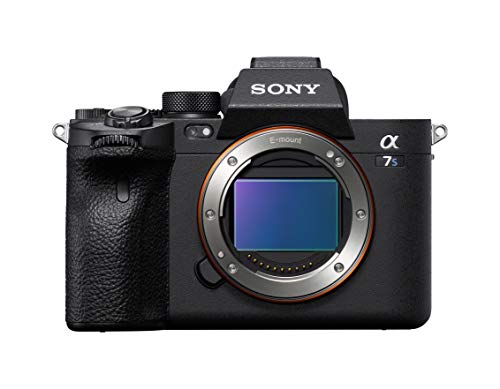

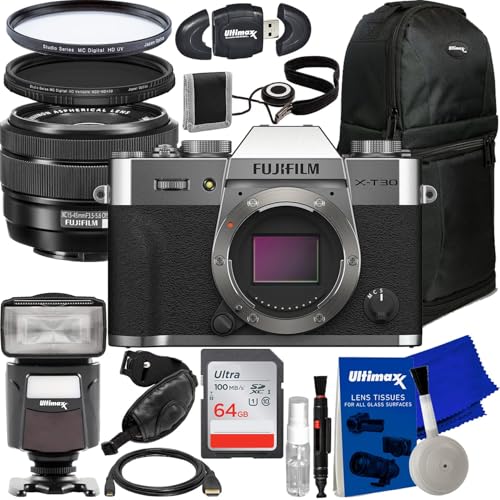
Start With Your Sky, Then Your Budget
Dark Site Skies Reward Modest Gear
Under a genuinely dark sky, the limiting factor is rarely the camera body. A mid priced body with a fast lens can record the Milky Way core, meteor showers, and bright nebulae because the sky itself supplies the contrast. If your trips already take you far from town lights, you can shop one tier lower than you expected and put the savings toward the lens and the mount, which is where dark site results are really decided.
Town Skies Punish Weak Low Light Performance
From a suburb or a small town, light pollution washes out faint detail and forces shorter exposures. Buyers stuck with bright skies benefit most from sensors that stay clean at high sensitivity settings and from lenses that gather light quickly, because both fight the glow rather than the darkness. Be honest with yourself about where you will shoot most nights. A camera chosen for a yearly camping trip but used monthly from a bright driveway will disappoint in exactly the place it gets used.
What Your Money Gets You at Each Price Tier
Spending Under About $600
The entry tier is built around used or basic interchangeable lens bodies and one fast prime lens. Expect a smaller sensor, modest sensitivity range, and manual controls that may hide in menus, yet this tier still teaches every core skill: focusing on a bright star, stacking exposures, and processing raw files. Many buyers start with best digital cameras for astrophotography in this range and shoot happily for years. The trade off is noise in the shadows and less room to crop, not an inability to do the work.
Spending About $600 to $1,500
The middle tier buys cleaner high sensitivity files, better screens for focusing in the dark, and bodies that handle long nights of shooting without quirks. This is where most hobbyists settle, because the gains over the entry tier show up in every single frame rather than only in extreme cases. You also gain access to a deeper pool of used lenses. For many readers the product table above will show this tier holding the strongest balance of price and clean output.
Spending About $1,500 and Up
Premium money buys the largest sensors, the cleanest shadows, and weather sealed bodies that shrug off dew and frost. It does not buy better skies, steadier air, or patience, and it cannot rescue a weak mount. Spend at this level when you already own a good lens and a solid mount and the body is truly the last bottleneck. Buyers who reverse that order usually end up with an expensive camera sitting on a wobbling tripod, which is the most common waste in this hobby.
Body Styles and Maker Classes
The DSLR Class Still Earns Its Place
Older style bodies with optical viewfinders remain a sensible budget route because the used market is deep and the lenses are plentiful. The viewfinder is useless for composing in the dark, so you will work from the rear screen, and battery life is a genuine strength on long cold nights. Readers comparing this route can browse best dslr cameras for astrophotography to see how the class is usually priced and equipped.
The Mirrorless Class Suits Night Work Well
Mirrorless bodies show a brightened live view that makes framing and focusing on stars far easier, and their shorter bodies leave room in the bag for the lens and mount that matter more. The cost is battery drain, so plan on spares for a full night. If this style fits your hands and your existing lenses, the range of best mirrorless cameras for astrophotography shows what each budget level typically includes.
Maker Classes Matter Less Than the System Around Them
Every major maker sells bodies that can shoot the night sky well, so the brand question is mostly about lenses, used availability, and the controls you can work with cold fingers. Shoppers who lean toward one system can look at best nikon cameras for astrophotography or best canon cameras for astrophotography as examples of how two maker lineups spread across the same budget tiers. Pick the system with the fast wide lens you can afford, because that lens will outlast the body.
Features Worth Paying For, and Ones to Skip
Low Light Performance Is the Core Spec
Night work lives at sensitivity settings that daylight shooters rarely touch, so clean files at those settings matter more than any headline feature. Maker sensitivity figures come from controlled measurements, and two cameras with the same maximum number can produce visibly different shadows. Treat the printed range as a rough class marker only. What you are really buying is usable range, the span where stars stay sharp and the sky background stays smooth instead of blotchy.
Sensor Size Buys Light, Not Magic
A larger sensor gathers more light per exposure and usually holds cleaner shadows, which is why full frame bodies sit in the premium tier. But sensor size is not the whole story. A smaller sensor paired with a faster lens can match a bigger sensor behind a slow lens, and it will cost less and weigh less. Megapixels matter least of all for this work, since night images are rarely printed huge and noise, not resolution, is what limits them.
The Lens Is Half the Purchase
More night sky photographs are ruined by the lens than by the camera. A fast wide lens with clean corners gathers in seconds what a slow kit lens needs minutes to collect, and it keeps stars round to the edges of the frame. Budget for the lens as a co equal purchase, not an accessory you add later. A simple test while shopping: if the body costs twice the lens, the pairing is probably backwards for this kind of shooting.
The Mount Is the Larger Half of the Result
The Earth turns, and any exposure longer than a few seconds will trail stars into short streaks unless the camera moves with the sky. A tracking mount, even a small one, changes results more than any body upgrade, because it allows long exposures at gentle sensitivity settings. Static tripod work has real limits that no sensor can overcome. When you weigh the tiers in the product table above, remember that a mid tier body on a tracker will outshoot a premium body standing still.
Handling and Controls After Dark
Night sessions are worked in the cold, often with gloves, by the light of a dim red torch. Buttons you can find by touch, a screen that tilts for a camera pointing near the zenith, and menus that remember your settings between sessions all matter more than their spec sheet weight suggests. An interval timer built into the body is quietly valuable, since it runs a whole sequence of exposures while you keep your hands warm. When two bodies tie on sensitivity, choose the one you can operate half asleep at two in the morning.
Features You Can Safely Skip
High speed burst rates, elaborate subject tracking, and advanced video modes add cost that night work never uses. Video in particular is a minor tool here, useful for the occasional meteor or satellite pass but irrelevant to still sky work. Spend on sensitivity, a fast lens, and a mount first. If money remains after those three, then sealed construction and a tilting screen are comforts worth having on dewy nights.
Long Term Costs to Factor In
The body is only the opening payment. A fast lens, a tracking mount or a sturdier tripod, spare batteries for cold nights, and a roomy memory card all join the bill within the first season. Dew is a constant opponent, and simple heater bands for the lens are a small recurring comfort rather than a luxury. Software for stacking and editing can be free or modest, but learning it takes evenings you should count as part of the cost. None of this should scare you off. It simply means the honest budget for your first year is the body price plus about half again, whichever tier you choose.
Questions Answered: Cameras for Astrophotography
How much should a first camera for astrophotography cost?
A first camera for astrophotography can cost about $400 to $700 bought used with one fast lens, and that setup is enough to learn focusing, stacking, and processing. Spending more mainly buys cleaner shadows and easier handling in the dark. A useful rule is to keep at least a third of the total budget aside for the lens and a steady tripod, because those two items shape your early results as much as the body does.
Can a smartphone shoot the Milky Way, or should you buy a camera?
A smartphone can record a bright Milky Way from a dark site, and its night modes are genuinely impressive for a device that fits in a pocket. A dedicated camera pulls ahead when you want clean detail, printable files, and control over focus and exposure length. Phones also struggle on a tracking mount and drain fast in the cold. Start with the phone to test your interest, then buy a camera once you know the hobby has hold of you.
Does sensor size matter for night sky photos?
Yes, sensor size matters for night sky photos because a larger sensor collects more light and usually produces cleaner shadows at high sensitivity. The difference is real but not absolute. A smaller sensor behind a fast lens can rival a larger sensor behind a slow one, and the smaller kit will cost and weigh less. Judge the pairing of sensor and lens together rather than treating sensor size as a single score.
Do you need a tracking mount for astrophotography?
No, you do not need a tracking mount to begin astrophotography, because short exposures from a fixed tripod can capture constellations, the Milky Way, and bright aurora. A tracker becomes important when you want faint nebulae and galaxies, where long exposures gather detail that short ones cannot. Many beginners add a small tracker in their second season, once processing skills are in place, and that order of buying tends to waste the least money.
Can a camera bought for astrophotography also shoot everyday photos?
Yes, any ordinary camera bought for astrophotography works perfectly well for everyday photos, portraits, and travel. That dual use is the main reason to choose a general camera over a dedicated astronomy unit, which can only work through a telescope. The night sky features you paid for, like clean high sensitivity files and manual controls, also help at concerts, in dim restaurants, and at evening events, so the purchase rarely sits idle between dark sky trips.
Final Thoughts
Sort your sky first, then let the budget tiers do their work. Clean sensitivity, a fast lens, and a mount that moves with the sky will decide your results far more than the badge on the body, and the product table above keeps those trade offs visible side by side. Whichever tier you land in, best cameras astrophotography shopping rewards the buyer who spends on light gathering before features. Start with the tier your sky honestly needs, and leave room in the budget for the lens.


