
Best Can Opener for Weak Hands (2026): A Buying Guide
Disclosure: We may earn a commission when you buy through links on this page, at no extra cost to you. As an Amazon Associate I earn from qualifying purchases. Learn more
Choose the best can opener for weak hands by the effort it removes, from countertop electric to cordless automatic types.
Soup night should be simple, yet the can of tomatoes sits unopened while your hand aches from squeezing a thin metal opener that keeps slipping off the rim. If your grip tires quickly or your fingers feel stiff, choosing the best can opener for weak hands is about how little force each turn or button press asks of you.
This guide helps you choose by household size, counter space, and budget. It compares opener types, grip details that lower effort, and upkeep. The comparison table below sums up the main styles, and the sections after it explain which one fits your hands.


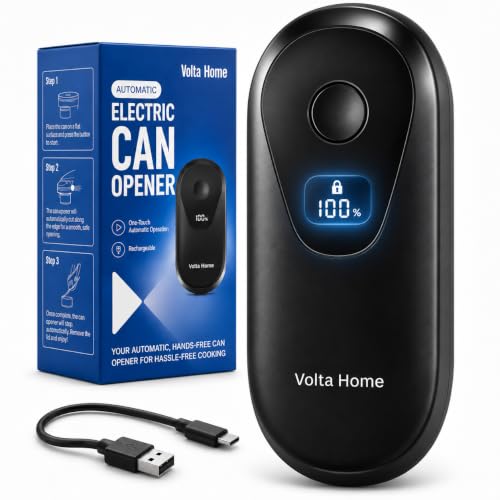
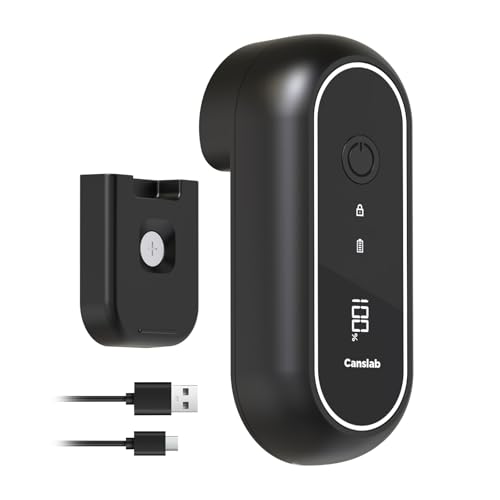

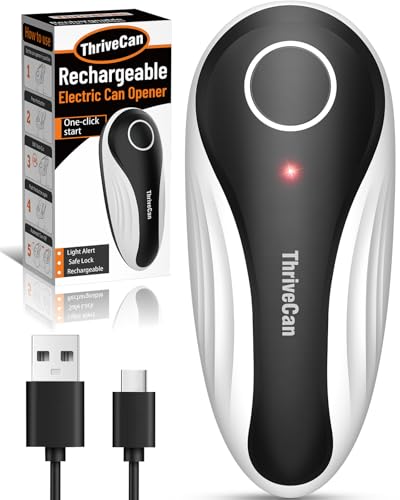
Quick Answer: The Three Styles at a Glance
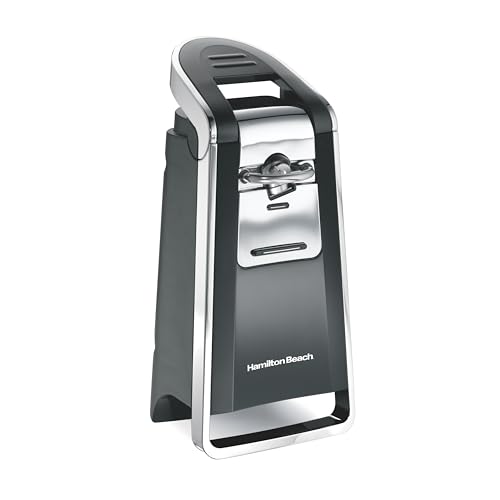
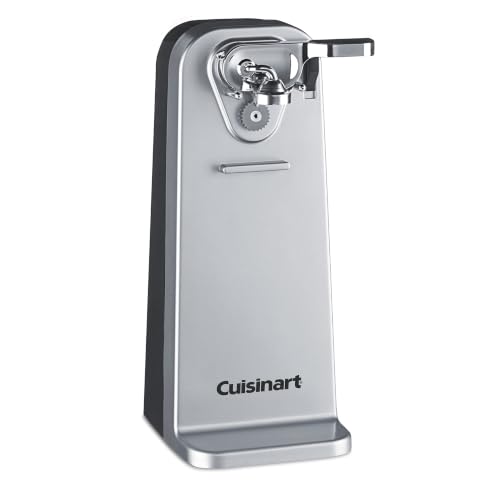
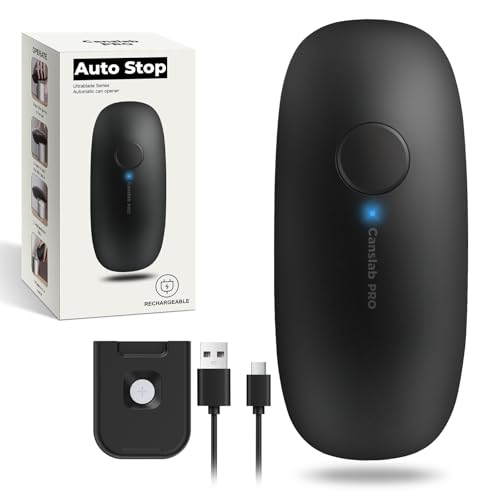
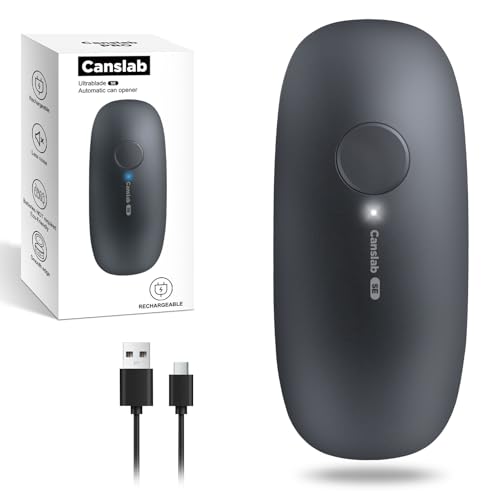
Three styles cover nearly every home. Countertop electric models do the cutting while you guide the can with a light touch, so they suit the weakest grip. Cordless automatic models latch on and travel around the rim on their own, and they store in a drawer. Manual models with a large crank cost the least and need no power, but they still ask your hand to squeeze and turn.
Before You Buy: A Checklist for the Best Can Opener for Weak Hands
Start with your hands, not the shelf label. Note whether squeezing, twisting, or holding a can steady is the hard part for you, since each style removes a different one of those jobs. Then check your space and your most common can sizes.
Which Type Fits Your Routine
Electric countertop models pull the can through the cut once you set it in place, which suits daily use in a busy kitchen. Automatic and battery operated handheld models clamp onto the rim and cut as they move, so your hand mostly steadies the can. A manual handheld opener gives you full control and works during a power outage, while an under cabinet model saves counter space but needs you to lift cans up to it. Smooth edge styles cut below the rim and leave a lid you can lift without a sharp edge, a real help when your fingers cannot grip a thin lid safely.
Materials and Food Safety
Look for a cutting wheel and gears made of stainless steel or another metal that resists rust, since a dull or rusty wheel forces you to push harder with every can. Handles with a soft, textured coating stay put in a damp hand better than smooth plastic. Parts that touch food should be simple to rinse, with no deep grooves where sauce can hide. A lid magnet is worth having, because it lifts the cut lid away so your fingers never pry at a sharp edge.
Dishwasher Safe or Hand Wash
Most electric and automatic models must never go in the dishwasher, and their cutting heads wipe clean with a damp cloth instead. Some manual models are fully washable, which suits you if scrubbing a small gear at the sink is hard on your wrists. Check the care note before you buy, and favor a model whose wheel area you can reach with a small brush.
Realistic Budget Ranges
Models under $15 are usually manual, and at this level you should spend on handle size and a large crank rather than extra tools built into the frame. About $15 to $25 covers sturdier manual models and basic cordless automatic styles. About $25 to $50 covers countertop electric models with better stability, stronger magnets, and longer warranties. Paying more should buy you less effort per can, not more attachments you will never use.
Three Styles Compared: Where Each One Earns Its Place
Instead of ranking models, compare the three styles against your hands and your cans. The right choice removes the motion that hurts you most.
Countertop Electric Models for the Least Effort
A countertop electric opener asks the least of your hands. You set the can under the cutting head, press a lever or button once, and the motor does the turning while the base keeps the can steady. This style suits large cans of beans or stock that would be heavy to hold. The trade offs are counter space, a cord to manage, and a cutting head you can only wipe clean. Choose a base that feels stable and does not slide when you press the lever.
Cordless Automatic Models That Cut on Their Own
A cordless automatic opener latches onto the rim, cuts around the can as it travels, and stops at the end, often leaving a smooth edge lid held by a magnet. Your hand only places it and lifts it off, so it suits one person cooking alone. If this hands free style appeals to you, our guide to the best automatic can opener explains motor strength and battery life in more depth. Remember that very large cans can stall a small motor.
Manual Models With Large Cranks and Thick Handles
A manual opener can still work well for weak hands if the design gives you leverage. Look for a crank wide enough for your whole hand, handles thick enough to fill your palm without a tight squeeze, and a sharp wheel that bites the rim on the first try. A smooth edge manual model also removes the sharp lid problem. If you prefer this route, our roundup of the best handheld can opener covers handle shapes in detail. This style costs the least and needs no power.
Living With It: What Really Matters Day to Day
A good opener fades into your routine. The lid comes off without a struggle, and cleanup takes seconds. The groups below show how the same opener feels different depending on why your hands are weak.
People With Arthritis and Stiff Joints
Stiff joints make the squeeze and twist of a basic manual opener the hardest part of the job, and cold mornings often make it worse. An electric or automatic style removes both motions, and a smooth edge cut means no sharp lid to pinch. Keep the opener stored where you can take it with a flat palm rather than a fingertip pinch. If you also cook for a partner with similar limits, our guide to the best can opener for seniors adds tips on storage height and lighting. Talk with your clinician if hand pain, swelling, or numbness is new, is getting worse, or affects only one hand, since those changes deserve medical advice.
People Recovering From a Hand or Wrist Injury
During recovery you may have one strong hand and one hand that should do almost nothing. A countertop electric model helps here, because you can load the can and press the lever with your strong hand while the base holds everything steady. Keep the opener close to the stove so you are not carrying opened cans across the kitchen. As strength returns, a large crank manual model can suit you again, but only within the limits your doctor or therapist has set.
People Who Cook With One Hand or Limited Reach
If you always work one handed, stability matters more than cutting power. A countertop model that grips the can on its own, or an automatic model that locks onto the rim, keeps the can from spinning while your free hand stays on a mobility aid or the counter edge. Practice the first few cans slowly and follow the steps in our guide on how to use a can opener. Store cans at waist height where you can, so you are not lifting heavy cans down from a high shelf with a weak grip.
Common Buying Mistakes to Avoid
- Buying a slim manual opener because it looks neat, then finding the thin handles demand the exact squeeze strength you do not have.
- Choosing an under cabinet model without checking that you can lift a full can up to it and hold it there.
- Ignoring the lid style, so you end up prying at a sharp cut lid with sore fingers after the can is open.
- Paying for extra tools and attachments that add weight and cleaning work but do nothing to lower the force you need.
- Forgetting the power source, such as a cordless model with no spare batteries when dinner depends on it.
Cost of Ownership and Care
Ongoing cost is low for every style, but it differs. Manual models cost nothing to run and mainly need a replacement once the wheel dulls, while cordless models add batteries and countertop models add a small amount of electricity. Keep the cutting wheel dry after washing, since trapped moisture starts rust and makes later cans harder to cut. For step by step cleaning that protects the wheel, see our guide on how to clean a can opener.
Your Questions, Answered
What is the most reliable can opener brand?
No single brand is the most reliable for every home, and brand name alone tells you little about effort. Reliability tracks build traits instead, such as metal gears, a wheel that stays sharp, and a frame that does not flex under a large can. Check the warranty length and how easy it is to get a replacement wheel, since supported parts will serve weak hands longer than a famous name with a flimsy build.
How do you clean a can opener?
Clean the opener right away after acidic foods like tomatoes, since acid left on the wheel speeds up rust. Use a small brush or an old toothbrush on the cutting wheel and gear, where food residue collects most. One point many owners miss is the underside of the wheel, which you can reach by turning the crank slowly while you brush. Dry every part fully before you put it away.
Is a can opener worth it for a small household?
Yes, if you open cans even once or twice a week, a low effort opener is worth its modest cost. The value is not speed but independence, since you can open soup, beans, or pet food without waiting for someone stronger to help. For a small household a drawer stored automatic or manual style usually makes more sense than a countertop model, because it gives you that independence without giving up work space.
How long does a can opener last?
A manual opener with a steel wheel often lasts about five to ten years of regular home use, while electric and automatic models depend more on the motor and battery. The first sign of age is usually effort, not failure. When you notice you are pushing harder or leaving a jagged rim, the wheel is dull and replacement will feel easier than any cleaning routine. Replacing at that point protects your hands from strain.
What should I look for in a can opener for weak hands?
Start with the motion the opener removes, then check handle or body size against your palm. One useful test is the return policy, since grip comfort is personal and hard to judge from photos. Choose a seller that gives you a few weeks to try the opener on your most common cans at home, and test both a small tuna can and a tall can of tomatoes before you decide.
What is the best can opener for weak hands?
The best choice is the style that removes the motion that hurts you. If squeezing and turning both hurt, a countertop electric model asks the least of you. If only your grip is weak but your wrist turns fine, a large crank manual model may be enough and costs less. Match the style to your use as well, since daily use justifies a countertop model while weekly use suits a drawer stored one.
Final Thoughts
The right opener turns a daily frustration into a task you barely notice. Compare the styles in the product table above against your grip, your space, and your budget. When you are ready to choose the best can opener for weak hands for your home, start with the style that fits your weakest motion, and use our broader guide to the best can opener if you want to compare standard models as well.

