
Best Can Openers for People with Arthritis: Which One Fits for 2026
Disclosure: We may earn a commission when you buy through links on this page, at no extra cost to you. As an Amazon Associate I earn from qualifying purchases. Learn more
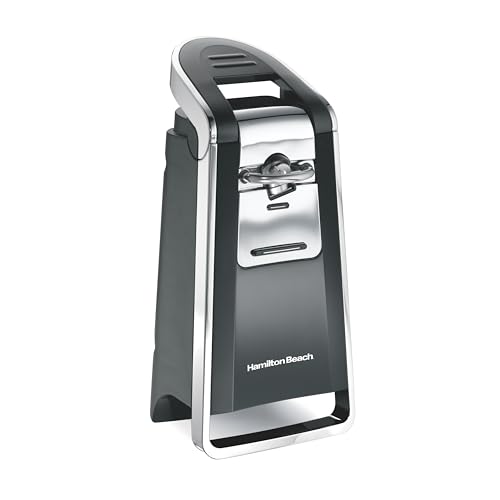
Compare the best can openers for people with arthritis by grip, power source, and cutting style.
There is no single opener that suits every pair of hands. A tool that feels effortless for someone with mild thumb stiffness may be unusable for someone whose grip fades after a few seconds of squeezing. That is why the best can openers for people with arthritis are best chosen by how you actually cook, how often you open cans, and which movements hurt you most.
This guide sorts openers by use case first, then walks through the features that reduce strain. Compare your shortlist with the comparison table below, and favor the design that asks the least of your weakest movement, whether that is gripping, twisting, or pressing down.
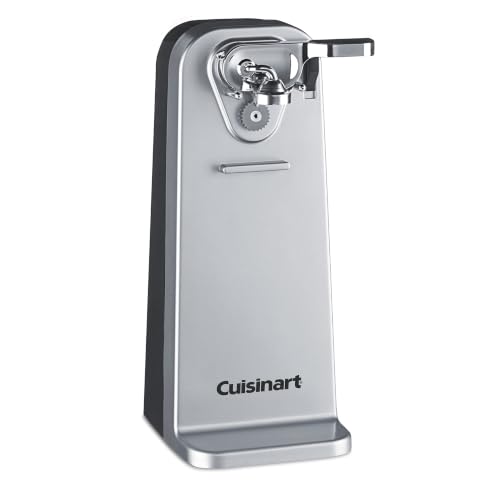
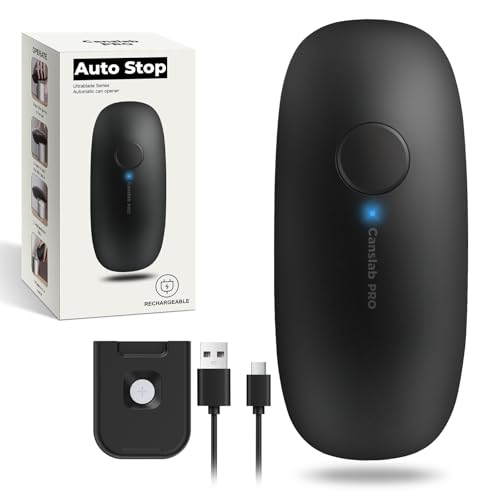
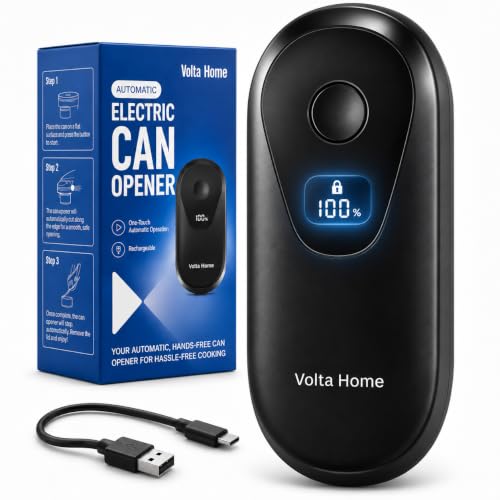
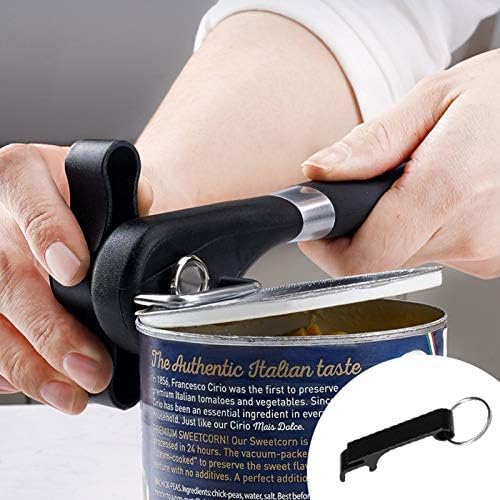

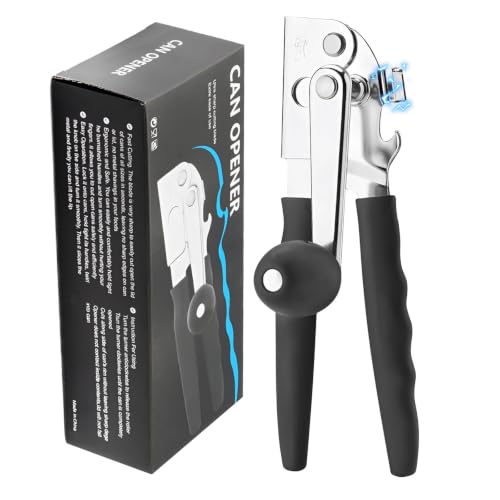

Who Should Buy Which of the Best Can Openers for People with Arthritis?
For Occasional Users on a Budget
If you open a can or two a week, a simple electric opener or a manual opener with a large cushioned grip may be all you need. Prioritize a knob or button that turns with palm pressure instead of fingertip force. A magnetic lid holder keeps the sharp lid from dropping into the food. At this level you can skip tall can capacity and fancy storage features. Spend your money on handle comfort and a cutting wheel that engages without a hard squeeze to start.
For Busy Families Cooking Every Day
Daily cooking means several cans in a row, so fatigue across repetitions matters more than the effort of a single can. A countertop electric model with one touch start lets the motor do the squeezing, turning, and stopping. Look for a wide base that resists tipping when a tall can leans, plus a removable cutting head you can rinse under the tap. Smooth edge cutting helps here too, because it leaves lids without jagged points when kids or grandkids help in the kitchen.
For Small Kitchens and Apartments
Counter space decides this pick. A compact electric opener that mounts under a cabinet or a cordless model that lives in a drawer keeps counters clear. Cordless designs also travel well between a kitchen and a dining table, which helps if standing at the counter bothers your back or hips. Check the footprint honestly by measuring your drawer or shelf first. A small opener you can reach beats a powerful one stored in a high cabinet you avoid using.
For Serious Home Cooks
If you open everything from small tomato paste cans to large stock cans, you need range and control. Choose a sturdy electric opener rated for tall cans, or keep a quality manual opener with a long handle as a backup for power outages and odd can shapes. Stainless cutting parts resist rust through years of washing. A side cutting design that uncrimps the lid leaves a reusable cover for storing leftovers in the can for a short time, a small convenience you will use weekly.
Key Features to Compare
Grip, Knob, and Button Design
This is the heart of the purchase. Wide, soft, slightly textured handles spread pressure across your palm instead of pinching it into one sore joint. On manual openers, a large oval knob turns with the heel of the hand. On electric models, a big start lever or button should respond to a gentle press and stop on its own. If you shop in a store, mimic the motion slowly and notice which joint complains. Online, favor clear photos of the handle from several angles and a generous return window, so you can test the grip at home with your own cans.
Cutting Style: Top Cut or Side Cut
Top cut openers slice inside the rim and are familiar to most cooks, but they can leave a sharp edge on the lid. Side cut openers uncrimp the seam from outside, leaving a smooth lid you can handle and even rest back on the can. Side cut designs often need a different hand motion and a bit of practice. People with very sore fingertips usually prefer the smooth lid, while people who struggle to learn new motions may prefer a powered top cut model that needs almost no technique at all.
Power Source and Cord Management
Corded countertop models offer steady power and no charging, but they claim counter space and an outlet. Cordless models recharge and move anywhere, though you must remember to charge them before a big cooking day. Battery powered handheld units are the lightest option and suit travel or an RV. Manual openers never need power, which makes them a smart backup for everyone. Think about your outlets, your storage, and your habits. The right answer is the one that will be ready at the moment your hand is already tired from other prep work.
Materials and Easy Cleaning
Food residue hides around the cutting wheel, so a head that detaches for rinsing is a real health and odor benefit. Stainless steel wheels and blades resist rust better than plain coated metal. Smooth plastic bodies wipe clean fast, while deep seams trap splashes. Some parts are listed as dishwasher safe, but hand rinsing usually protects edges and motors better. Dry the cutting parts fully before storing, because a damp closed drawer invites rust. If grip strength makes scrubbing hard, choose the opener with the fewest crevices from the start.
Features That Matter Most for Arthritic Hands
Rank features by the movement they remove. Auto stop removes the need to judge when a cut is done. A lid magnet removes the risky pinch and pull of a loose sharp lid. A stable base removes the need for your other hand to hold the can hard against turning force. Tall can support matters if you buy large soup or stock cans. None of these is a luxury item. Each one replaces a specific grip, twist, or pinch that arthritis makes painful, so match the feature list to your own hardest step. If hand pain is changing or worsening, an occupational therapist can watch your grip and suggest the style that fits your joints best.
Common Mistakes to Avoid When Buying Can Openers
- Judging by price alone. The cheapest opener often has the thinnest handles and the hardest squeeze, which is exactly what you are trying to avoid.
- Ignoring the start motion. Many buyers check the turning effort but forget that engaging the wheel on the rim can demand the strongest pinch of the whole task.
- Forgetting lid safety. Sharp lids cause cuts when stiff fingers fumble, so weigh magnetic holders and smooth edge cutting as safety features, not extras.
- Buying a countertop model without measuring. A unit that crowds your prep space will be unplugged and stored away, and an opener in a cupboard helps no one.
- Skipping the return policy. Hand comfort is personal and hard to judge from photos, so a flexible return window is part of a wise purchase.
Setup and Care Tips
Set a countertop opener near the edge of the counter so cans hang clear and you can stand close without reaching. Read the manual note on which can sizes the unit accepts, and keep the charging cable for cordless models in the same drawer so it never goes missing. After use, brush crumbs from the wheel, rinse any removable head, and dry every part before closing or storing it. A drop of food safe mineral oil on a manual opener hinge, if the maker allows it, keeps the action smooth and reduces the force you need next time.
Build a simple habit that protects your hands. Set the can on a damp cloth or a nonslip mat so it stays still without a hard grip from your other hand. Open cans at the start of cooking, while your hands are freshest, rather than at the end of a long prep session. For a wider look at powered options, see our guide to the best electric can openers for arthritis, and if your hands still prefer a classic tool, compare shapes in our roundup of the best manual can openers. Readers who like a handheld format can also check the best hand can openers and the best cordless can openers for drawer friendly designs.
Can Openers: Your Questions Answered
What features matter most in can openers for people with arthritis?
Effortless start and stop matter most, followed by a grip or button that uses palm pressure instead of fingertip pinch. A stable base, a lid magnet, and smooth edge cutting each remove a painful step. When you compare two models, list the hand movements each one demands and pick the shorter list. That simple exercise predicts daily satisfaction better than any star rating or motor claim.
Is an electric can opener worth buying?
Yes, for most people with regular hand pain it is worth it, because the motor replaces the squeeze and twist that hurt most. It earns its cost quickly if you cook with canned beans, tomatoes, or broth several times a week. Occasional users may do fine with a well shaped manual opener. Judge by your weekly can count and by how your hands feel after a full recipe, not by novelty.
Are can openers safe to leave plugged in?
Countertop electric openers are designed to stay plugged in, but unplug yours before cleaning and keep the cord clear of water and stove heat. Never immerse a motor body in water. Cordless models should rest on a dry surface while charging. If a unit runs on its own, smells hot, or shows a frayed cord, stop using it and contact the maker. Basic habits like these keep a helpful tool from becoming a hazard.
What size can opener do I need?
Most home models handle standard cans from small paste size up to tall soup and stock cans. Check the stated height range if you buy family size cans often. Oversize restaurant cans may need a commercial style opener with a longer handle or a mounted base. Bring your largest regular can to the store, or measure its height before ordering, and you will avoid the most common size disappointment.
Does a can opener use a lot of electricity?
No, a can opener uses very little electricity because the motor runs for only a few seconds per can. Even daily use adds a negligible amount to a household bill. Cordless models sip power from a small battery and recharge in a short session. Energy cost should never decide this purchase. Hand comfort, stability, and cleaning ease matter far more over the life of the tool.
How long do can openers usually last?
A decent electric opener often lasts several years of home use, while a sturdy manual opener can last much longer with dry storage and an occasional hinge oiling. Cutting wheels dull slowly and are the usual first failure point. Cleaning food residue off the wheel after use is the single best habit for a long life. When a wheel starts tearing instead of cutting, replacement or a new opener is safer than forcing it.
How do I clean a can opener?
Clean it right after use so residue never hardens around the wheel. Unplug electric models, remove the cutting head if it detaches, and wash it in warm soapy water with a small brush. Wipe the motor body with a damp cloth only. For manual openers, wash, rinse, and dry fully, paying attention to the hinge. A quick scrub with a paste of baking soda helps when tomato residue stains the wheel area.
Our Verdict
Start with your hardest movement and let it lead the choice. If squeezing hurts, go electric with one touch start. If counter space rules your kitchen, go cordless and compact. If you want a lifetime backup, add a manual opener with a generous cushioned grip. Check your finalists in the product table above, and the best can openers for people with arthritis for your kitchen will be the ones that ask the least of your hands. Talk with your clinician or an occupational therapist about personal needs if pain keeps changing what you can do.
