
Best Camping BBQ Grills in 2026: Everything to Know Before Your First Purchase
Disclosure: We may earn a commission when you buy through links on this page, at no extra cost to you. As an Amazon Associate I earn from qualifying purchases. Learn more
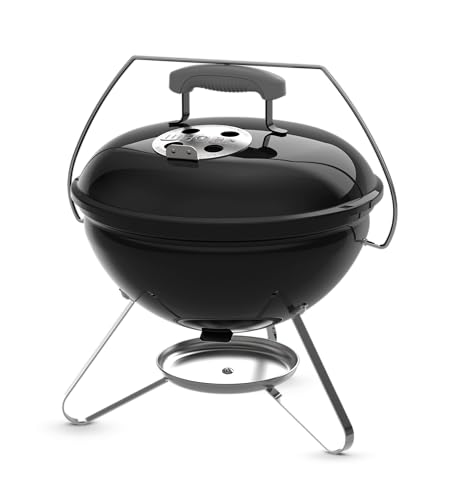
Shopping for the best camping bbq grills for the first time? Learn the terms, compare options, and avoid rookie mistakes with this easy guide.
Buying your first grill for camping trips is simpler than the shelf at the store makes it look. The best camping bbq grills for a beginner are rarely the biggest or the most loaded with features. They are the ones that fit your car, sit safely on a campsite table, and cook the food your group actually eats. Start with fuel, size, and site rules, and the choice narrows fast.
This guide walks through the basics in plain language, explains each spec one at a time, and flags the mistakes first time buyers make most. The comparison table below lines the main options up side by side, so use it as you read and come back to it once the terms make sense.

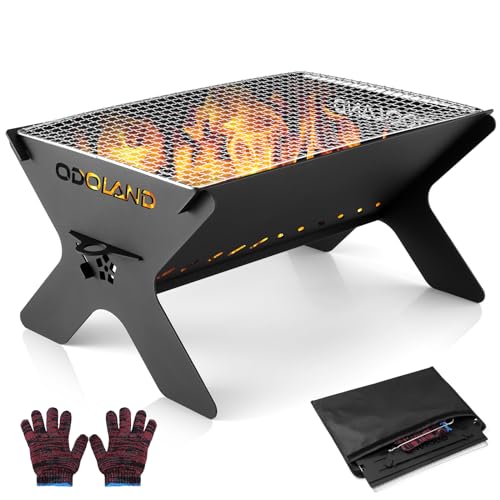
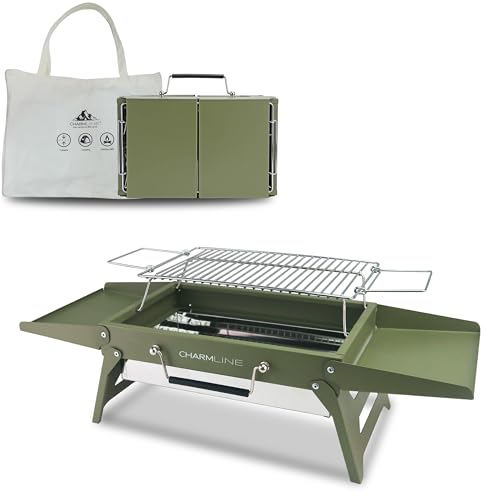
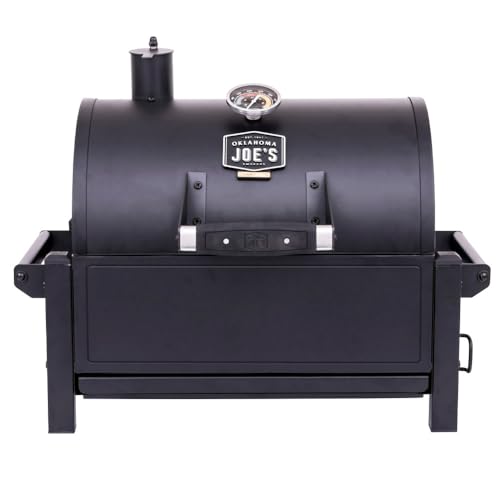


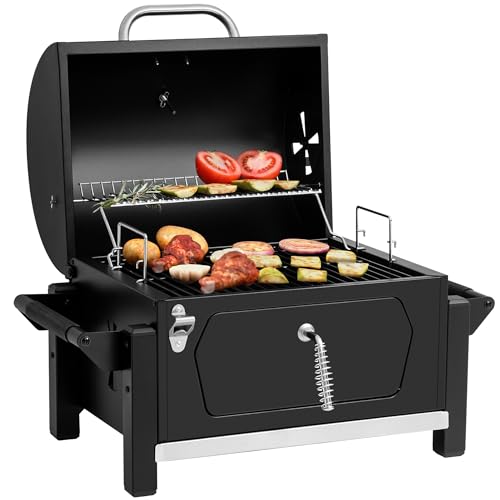
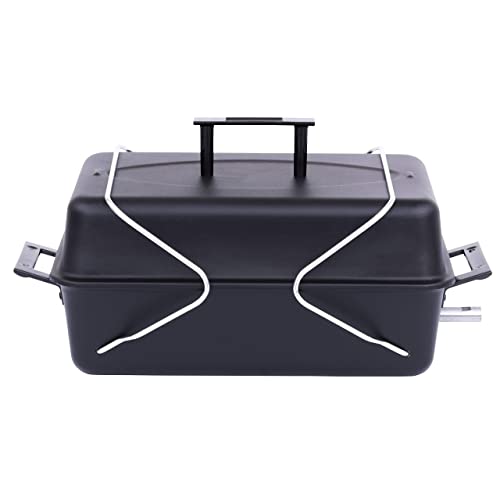

Camping BBQ Grills 101: The Basics
Before you compare a single model, check the rules where you plan to cook. Many parks and campgrounds limit fuel types, ban charcoal during dry spells, or require grills to sit on a table or a gravel pad rather than on the ground. A grill that breaks site rules is useless no matter how well it cooks, so this check comes before any shopping.
A camping grill is a small portable grill built to travel. It cooks over a gas flame or a bed of charcoal, stands on a picnic table or on its own short folding legs, and packs down small enough to share trunk space with tents and coolers. The full size models covered in guides to the best bbq grills stay in the backyard. The camping class trades cooking area for portability, and that trade is the whole point.
A few terms cover most of what you will read on a box. The cooking area is the grate size in square inches, and the grate is the metal grid the food sits on. Vents are the adjustable openings that control airflow on a charcoal grill, and airflow is how you steer its heat. A lid matters more than beginners expect, because it turns direct flame cooking into something closer to a small oven.
True smokers, covered in guides to the best bbq grills and smokers, are a neighbouring class built for long slow cooks at home. Most are too bulky and too slow for a camping table, so treat them as a separate purchase for the garden rather than an upgrade to a camping grill.
Key Specs Explained in Plain English
Fuel Type: Gas, Charcoal, Pellet, and Electric
Fuel decides how a camping grill starts, cooks, and cleans up. The gas canister class lights in seconds, shuts off just as fast, and leaves no ash behind. Its burners borrow from the wider world of best bbq grills propane, scaled down to a small bottle that screws on by hand. The running cost is the canisters themselves, and an empty bottle miles from a store ends the cookout.
Charcoal gives the deepest grilled flavour and needs no canister, but it is slower to light, harder to adjust, and leaves ash you must handle safely. Pellet models appear in guides to best pellet bbq grills, yet at a campsite they form a niche class, because the auger and fan need mains or battery power and the hopper adds real weight. Electric grills work only on a powered pitch, which most tent campers do not have.
Temperature Control and Smart Features
On a gas model, control is the dial plus the lid. On charcoal, control is the vents and the amount of fuel you light. Small camping grills have thinner metal than patio grills, so their heat swings faster when the lid opens or the wind picks up. Expect to check food more often, not less.
Features such as PID controllers, WiFi links, and meat probes belong mostly to the pellet class. They hold a set temperature with little attention, which suits long cooks at home. For a first camping grill, a lid thermometer and a separate pocket food thermometer teach you more and cost far less. Skip the electronics until you know you will cook long and slow on the road.
Heat Output and Temperature Range
Heat output is printed as BTU, and the raw total misleads. A small grill with modest BTU can still sear well because the heat is concentrated under a small grate. Compare BTU per square inch of cooking area instead, and treat even that as a rough guide rather than a score.
Range matters as much as peak heat. Burgers and sausages want strong direct heat. Holding food low and slow at about 225°F suits charcoal and pellet models, while most gas portables struggle to stay that low without going out. If your camping menu is fast food cooked hot, range is a minor point, but if you dream of ribs at the lake, it becomes the deciding one.
Portability and Footprint
Portability is more than weight. Look at the packed shape, whether the lid latches shut, whether the legs fold flat, and whether the whole thing wipes clean before it goes back in the car. A grill that drips grease inside a trunk will be left at home by the third trip.
Do not confuse this class with the patio models in guides to the best outdoor bbq grills. If a grill needs two people and a free afternoon to move, it is not a camping grill. The right size rides in one hand or under one arm, sets up on a picnic table in minutes, and leaves room on that table for plates, tools, and elbows.
Cooking Area and Capacity
Cooking area is sold in square inches, and the honest way to read it is in burgers. About 150 to 200 square inches cooks four to six burgers at once. About 250 to 350 square inches handles eight to ten, or a mix of meat and vegetables in batches. Bigger is not automatically better, because every extra inch is weight and packed bulk on every trip.
Some grills add a warming rack above the main grate. It is useful for buns and resting cooked food, but makers sometimes count it in the headline area, so check the primary grate size on its own. Remember the table space truth as well: the grill cooks for the table it stands on. A wide grate that crowds out every plate and cutting board makes the whole meal harder, not easier.
Safety Rules to Learn Before the First Cook
Cook outdoors only, in open air. Never run a gas or charcoal grill inside a tent, a vehicle, a garage, or an enclosed balcony. Both fuels produce carbon monoxide, a gas you cannot see or smell, and it builds up fast in enclosed spaces. Keep the grill itself in the open even when the eating happens under a tarp.
Set the grill on flat, stable ground or a sturdy table, well away from dry grass, fallen leaves, and tent fabric. Check the site rules before the trip, not after you arrive, because fire bans and fuel limits change with the weather. Never leave a lit grill unattended, and keep children and pets outside arm reach of it while it is hot.
A food thermometer decides when meat is done. Colour and clear juices are not a test. Official guidance figures put ground beef at about 160°F and poultry at about 165°F, so check the current guidance for the food you are cooking and probe the thickest part before serving.
Charcoal ash stays hot far longer than it looks. Let ash cool for at least 48 hours in a lidded metal container before it goes anywhere near a bin, and never dump ash at a campsite, warm or cold. Carry gas canisters upright while you travel, keep them out of direct sun where you can, and never leave one inside a hot parked car.
Rookie Mistakes to Avoid
- Buying on the BTU total alone, which rewards big numbers on paper while a small concentrated grate often sears better in practice.
- Skipping the campsite rules check, which can leave you owning a charcoal grill at a site that bans charcoal for the whole season.
- Choosing a grate that is too wide for the picnic table and the car trunk, so the grill crowds every meal and eventually stops travelling.
- Treating ash as rubbish the same evening, when buried embers can stay hot enough to start a fire a day later.
- Judging doneness by colour, which sends undercooked poultry to the table; a pocket thermometer settles the question in seconds.
Getting Started: Setup and First Use
- Unbox the grill at home, not at the campsite, and check every part against the manual while you can still return it easily.
- Wash the grate with warm soapy water, dry it fully, and fit it back before the first burn.
- Run one empty burn with the lid closed for about 20 to 30 minutes to burn off factory oils and coatings.
- Before each cook, preheat for about 10 to 15 minutes with the lid down so the grate marks food properly and releases it cleanly.
- While the grate is still warm after cooking, brush off residue, let the grill cool fully, and latch the lid before it goes back in the car.
Frequently Asked Questions
How much fuel should I pack for a weekend camping trip?
Pack one more unit of fuel than your meal plan needs. A single small gas canister typically covers several short cooks such as breakfasts and burger nights, but wind and cold stretch every cook and drain it faster. Campsites rarely sell canisters, so the spare is cheap insurance; store it upright, shaded, and away from the grill while it is lit. For charcoal, one bag usually covers two evening cooks, with a small reserve for a slower final meal.
What size camping grill does a family of four actually need?
About 200 to 280 square inches of primary grate is the practical size for four people. That space cooks four burgers or chicken pieces at once, with room to rotate food through the hot spots, and cooking in two relaxed rounds beats wrestling an oversized grill that dominates the table and the trunk. If your group regularly reaches six or more, step up a class rather than crowding a small grate. Count the main grate only, not any warming rack, when you compare sizes.
Can I use a camping bbq grill under an awning when it rains?
No, gas and charcoal grills belong in open air even when it rains. An awning traps carbon monoxide and heat above the grill, and fabric near a hot lid is a fire risk. The safer routine is to cook in the open, keep a lid on the food once it is plated, and eat under cover instead. If rain is heavy and steady, a cold meal or a camp stove meal in a ventilated shelter area is the wiser call.
How do I clean a camping grill at a site with no water hookup?
A warm grate, a stiff brush, and a spray bottle of water handle most of it. Brush the grate while it is still warm from cooking, wipe the inside of the lid with paper towels, and let everything cool before packing. Carry used towels and residue out with your rubbish rather than washing grease into the ground. Save the full soapy wash for home, and dry the grate fully before storage so it does not rust between trips.
Should a first camping grill be gas or charcoal?
Gas is the easier first grill for most beginners. It lights fast, holds a steadier heat while you learn, shuts off instantly, and leaves no ash to manage at the site. Charcoal costs less to buy, needs no canisters, and gives a stronger grilled flavour, at the price of slower starts and closer attention. Many campers start on gas for the convenience and add a small charcoal grill later for flavour nights, so match the choice to your patience, not to anyone else's idea of real grilling.
How long should a good camping grill last?
A cared for camping grill should last several seasons of regular trips. The parts that fail first are usually legs, latches, and ignition buttons rather than the cooking box itself, so check them before each season. Rust is the main enemy, and it starts where grease and ash sit damp between trips. Clean the grill after use, store it dry and covered, and replace a rusted through grate promptly, because flakes of rust and rough cooking surfaces only get worse.
Final Thoughts
For a first purchase, three checks do most of the work. Confirm the fuel is allowed where you camp, match the grate to your group and your table, and learn the safety rules before the first cook rather than after a scare. The product table above pulls the leading options together so you can weigh those points side by side.
Get those three right and the best camping bbq grills for your trips stop being a guessing game. Start simple, cook a few easy meals, and let your own campsite routine tell you whether you ever need anything bigger or fancier.

