Best Camping Gas Grills in 2026: Budget, Midrange, and Premium Bands
Disclosure: We may earn a commission when you buy through links on this page, at no extra cost to you. As an Amazon Associate I earn from qualifying purchases. Learn more

Compare the best camping gas grills by budget band and learn what fuel, packed size, burner control and cleanup each price level buys before your trip.
Camping gas grills sell at prices from under $100 to well over $500, and the gap is about more than size. The best camping gas grills for your trips are the ones whose fuel class, packed size, and burner control match the way you actually camp. This guide walks through the three budget bands and the features that earn their place in the pack. The comparison table below lines the bands up side by side.
One point shapes everything else in this guide. A camping gas grill runs on a canister or a small tank, so the fuel class is both a pack class and a running cost class: canisters are light and simple, while a small refillable tank costs less per cook on long trips. Start from that choice, and the rest of the buying decision gets much easier.


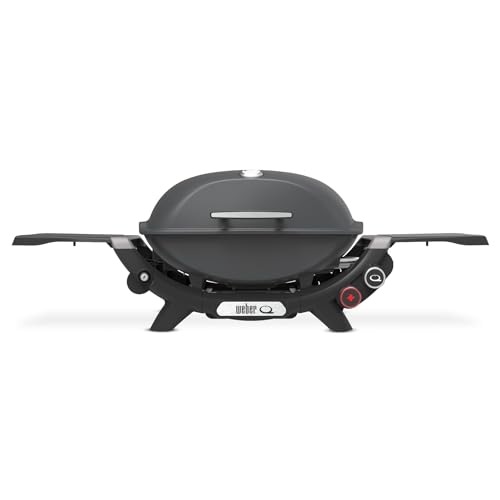

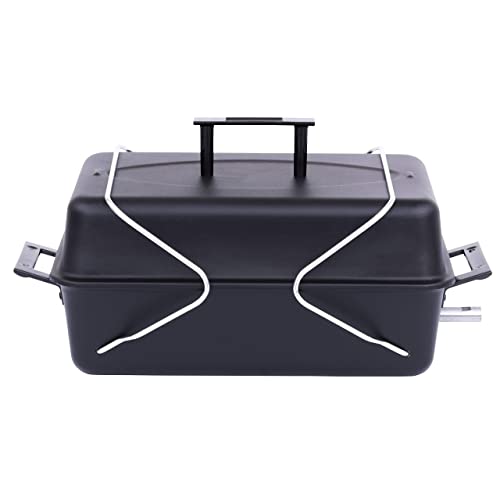
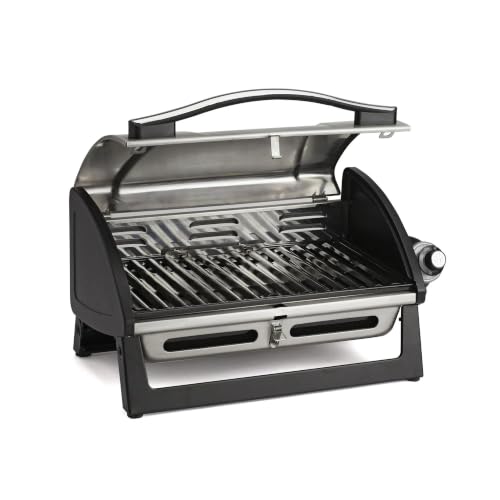


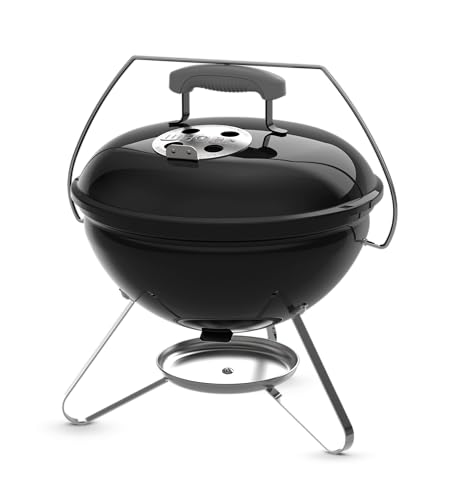
Three Budget Bands, Three Different Camp Kitchens
Bands describe what the money buys, not a ranking of named products. Read each band against your group size and the space your vehicle can spare.
Budget Band: Compact Grills for Simple Meals
Most budget grills land at about $80 to $180. Expect one burner, a cooking area sized for two to four servings, and a thin lid that loses heat when the wind picks up. Legs are short or absent, so the grill sits on a table or a tailgate. This band suits solo campers and couples who cook simple food and pack light. If your trips are short and your menu is basic, a budget grill covers the job without eating storage space.
Midrange Band: More Room and Steadier Heat
Midrange grills run about $180 to $350 and add the things budget models skip. Two burners let you sear on one side and hold food warm on the other. Grates get heavier, lids seal better, and folding legs or a stand appear more often. Shoppers who want that two burner layout in the smallest packed shape should compare best portable gas grills for camping alongside this band, since the portable class trades grate size for a flatter pack. If you cook for four to six people most trips, start here and compare packed size before anything else.
Premium Band: Larger Grates and Finer Control
Premium camping grills cost about $350 to $600. The money buys thicker metal, cast iron grates that hold heat, and valves that hold a low flame without blowing out. Cooking areas grow toward group sizes of eight or more. Large groups who base camp from a trailer often land here, and readers cooking from a motorhome should also look at best portable gas grills for rv camping, a class built around outside storage bays and quick hookups.
What Your Money Gets You at Each Price Tier
The bands above set the price. This section names the trade you accept inside each one, so you can see which compromises matter to you.
Budget Tier: What to Expect
At the budget tier you get one burner, basic wind protection, and an ignition that may need a spare lighter in the kit. Temperature control is coarse, so plan menus around direct heat. What you give up is cooking room and gentle low heat, not basic function.
Midrange Tier: Where Most Campers Land
Midrange buys a second burner, a lid thermometer, and grates that sear without sticking on every cook. A grease tray you can slide out and wash is common here, and it matters after a week of camp cooking. Most families who camp monthly find this tier covers every meal.
Premium Tier: When Spending More Pays Off
The premium tier pays off when you cook often, cook for crowds, or cook in wind and cold. Thicker steel holds heat in bad weather, and finer valves simmer beans or sauce without constant watching. If your trips are two weekends a year, this tier is more than you need.
Features Worth Paying For (and Ones to Skip)
Fuel: Canister and Small Tank Classes
Fuel is the first feature to settle, because it decides both pack weight and cost per trip. One pound canisters are simple and light, but the cost per hour of cooking is the highest of any class. A small refillable tank costs more up front and far less per cook, and it needs a hose and vehicle space. Home cooks comparing full size patio units should read about best lp gas grills, a different class built to stay in one place.
Portability and Footprint
Packed size and leg design decide whether a grill is a camp grill at all. A grill that does not fold flat or drop its legs is, in practice, a home grill that travels badly. Look for latching lids, legs that fold under the body, and a packed shape that slides into a storage bin. Weight matters the same way: a grill one person can carry from vehicle to table in one trip gets used, while one that needs two trips gets left behind.
Temperature Control and Useful Extras
Two burners with separate valves are worth paying for, because they create a hot zone and a gentle zone on one grate. A lid thermometer is worth having, though a simple dial reads the air under the lid rather than the grate itself. Skip touch screens and app links on a camp grill: they add cost and one more battery to manage, and they do nothing for the food.
Grease Management and Cleanup
Grease is a fire risk and a mess, so treat the tray design as a core feature. A removable tray you can line or wash keeps flare ups down and keeps animals away from the camp kitchen at night. Porcelain coated grates wipe clean faster than bare steel. Skip deep drip pans you cannot reach: a tray you cannot clean will not get cleaned, and old grease is where camp grill fires start.
Build Quality and Materials
A camp grill lives in vehicles and storage bins, so thin metal dents and rusts fast. Thicker steel, a tight fitting lid, and cast iron or heavy steel grates are the signs of a grill built to travel. Stainless steel burners resist the rust that kills cheap grills first. If you also cook on a fixed patio setup at home, the heavier stationary class covered in our guide to best outdoor gas grills shows what the same money buys when packing does not matter.
Fire Safety and Campsite Rules
Open flame follows the rules of the site, and those rules change with fire danger. Many campgrounds ban open flame on the ground during dry spells while still allowing a raised grill on a table or pad, and some ban flame of every kind, so check the posted rules when you arrive. Before the first cook of any trip, read the regulator and hose connection: the hose should thread on snug, show no cracks, and sit clear of the hot body. Cook on a level surface away from tent walls and dry grass, and never leave a lit grill alone.
Long Term Costs to Factor In
Fuel is the steady cost: a heavy cooking schedule can burn through several one pound canisters on a single trip, which is why frequent campers shift to a refillable tank. Budget for a spare igniter, a replacement hose every few seasons, and a cover that keeps road grit off the burners. Timing helps too: our notes on the best time to buy gas grills explain the seasonal price swings, and buying in the quiet months can move a midrange grill closer to a budget price.
Camping Gas Grills: Your Questions Answered
How big of a camping gas grill do I need?
Match the grate to the group you cook for most, not the largest group you might host once. A cooking area of about 200 to 280 square inches handles two to four people with room to move food around. Groups of five to eight do better at about 300 to 450 square inches. One point buyers miss: burgers for eight can cook in two quick batches, so a smaller grill with fast heat recovery often beats a huge grill that heats slowly.
Can I use a camping gas grill on a wooden picnic table?
Yes, if the grill has legs or a stand that lifts the hot body clear of the wood and the campground allows flame at the table. Many camp grills are built for exactly that use. Set a heat resistant mat under short leg models, keep the table clear of paper and spare canisters, and never set a grill with a low hanging grease tray directly on bare wood, since drips can stain and smolder.
How often should I clean my camping gas grill?
Wipe the grates and empty the grease tray after every trip, and do a deeper clean every four to five trips. Burn off residue on high heat for about ten minutes, brush the grates while warm, and wash the tray with hot soapy water once home. A quick clean after each trip also protects the next meal, because old grease smokes, flares, and draws insects to the storage bin between trips.
How long should a good camping gas grill last?
A well kept midrange or premium grill should give about five to ten seasons of regular use. The burner and the igniter wear out first, and both are cheap parts on grills built with service in mind. Storing the grill dry and covered adds more years than any coating. Budget models used hard every weekend often fade after two or three seasons, mostly through rust at the burner and the lid hinge.
Can a camping gas grill run on a large refillable tank?
Most can, with an adapter hose made for that connection. A refillable tank drops the fuel cost per cook and ends the pile of part used canisters in the gear bin. Two cautions apply: the hose must be rated for the grill regulator, and the tank must ride upright and secured in the vehicle, never loose in a hot trunk. For short trips, the small canister still wins on pack simplicity.
Final Thoughts
Settle the fuel class first, then packed size, then burner control, and the right band usually picks itself. Budget grills serve light packers well, midrange grills cover most family camps, and premium grills earn their price on long, windy trips. Whichever band fits, the best camping gas grills are the ones you will still be packing three seasons from now. Use the product table above to line up your finalists by packed size and cooking area before you order.