Which Camp Chef Smokers Should You Buy? Best Models for Every Home (2026)
Disclosure: We may earn a commission when you buy through links on this page, at no extra cost to you. As an Amazon Associate I earn from qualifying purchases. Learn more

Not sure which model to pick? We break down the camp chef smoker lineup by household size, space and budget, with 3 standout picks.
Your patio is small, your household is hungry, and a whole brisket for Sunday sounds great until you picture where a large smoker would actually sit. Choosing the best camp chef smoker for your home comes down to three things: the space you can give it, the number of people you cook for most weeks, and how much attention you want to give the fire. This guide walks through those choices in plain terms so you can match a model to your routine.
Camp Chef builds smokers in two broad directions, vertical propane cabinets and pellet smokers with digital controls, and the right one depends on your home more than on any single spec. The comparison table below sums up the main types. If you are still weighing the brand against the wider market, start with our guide to the best smoker options for home yards, then return here to narrow the lineup.


Quick Answer: The Three Types to Consider First
Most homes land on one of three routes. A vertical propane cabinet suits cooks who want steady smoke in a narrow footprint and already own a grill for searing. A pellet smoker suits households that want the unit to hold a set temperature while they prep sides or watch a game. A compact vertical model suits small patios and couples who smoke a chicken or a small rack of ribs rather than a full brisket.
None of these routes is better in the abstract. The propane cabinet asks you to watch the flame and chip tray, while the pellet design asks you to keep pellets dry and the hopper clean. Your weekly routine should decide which trade off you accept.
Before You Buy: A Quick Checklist for Choosing a Smoker
Size: Match It to Your Space
Measure the spot before you fall for a larger cabinet. A vertical smoker needs level ground, clearance above the vent for heat and smoke to escape, and room to open the door without swinging it into a wall or railing. Leave space on one side for a small table, since you will need somewhere to set a hot tray when you unload food. Homes with a narrow side yard often do better with a tall, slim cabinet than with a wide unit that eats the whole pad.
Which Type Fits Your Routine
Propane vertical smokers heat fast, hold a steady temperature once you learn the dial, and need no outlet, which helps if your patio lacks power. Pellet smokers plug in and feed fuel on their own, so long cooks feel calmer, and our guide to the best smoker for beginners explains why that control helps early on. Electric models are the calmest of all, so compare the best electric smoker options if you want the least fire tending of any style.
Features Worth Paying For and Ones to Skip
Pay for a reliable thermometer setup, sturdy door latches, and racks that slide out without tipping, since you will touch those parts on every cook. A meat probe that reads from outside the cabinet saves you from opening the door just to check a pork shoulder. A glass window clouds with smoke residue within a few cooks, so it rarely stays useful. WiFi control helps only if you truly cook while away from home, so most households do fine with a simple dial or digital panel plus a good probe.
Fuel Type and Running Cost
Propane models burn from a standard tank you likely already swap for your grill, and one tank can cover several long cooks if the cabinet seals well. Pellet models use hardwood pellets sold in bags, and cost rises if you cook often or run high heat in cold months. The electric vs pellet smoker comparison breaks down how each fuel changes flavor and effort. Store fuel dry and indoors, since damp pellets swell and jam.
Cooking Area and Heat Output
Look at usable rack space, not just the headline number. Vertical cabinets stack racks, so a modest footprint can still hold several chickens or many racks of ribs laid flat. Check the space between racks, since tall roasts need headroom that a crowded spec sheet hides. For propane models, heat output in BTU tells you how fast the cabinet recovers after you open the door, which matters most in winter when cold air pulls heat out.
Build Materials and Rust Resistance
Thicker steel holds heat with less swing when wind picks up, and it resists dents from stored gear in a crowded garage. Painted steel is common at lower prices and lasts well if you cover the smoker and wipe ash and grease out after cooks. Porcelain coated racks clean more easily than bare steel. Check the door seal and hinges in person if you can, since a warped door leaks smoke and heat all cook long, costing you fuel and steady temperatures.
Realistic Budget Ranges
At about $200 to $300, expect a compact propane cabinet with basic racks and a simple dial, well suited to small households. At about $300 to $500, cabinets grow taller, seals improve, and burners recover heat faster. Pellet models with digital control and a meat probe often sit at about $500 to $900, and larger pellet units can pass $1,000. Spend first on size and build quality, since extra electronics cannot fix a smoker that is too small for your usual cook.
Three Smoker Types Compared for Camp Chef Shoppers
Vertical Propane Cabinets for Most Homes
This is the core of the lineup for many buyers: a tall cabinet with stacked racks, a burner at the base, a chip tray for smoke, and a water pan above the flame. It fits a corner of a patio, cooks for a family of four to six, and needs no outlet. You manage heat with the dial and add chips by hand, so it rewards cooks who enjoy checking in. For households that smoke on weekends and grill on weeknights, this type covers the most ground for the money.
Pellet Smokers for Calm, Steady Cooks
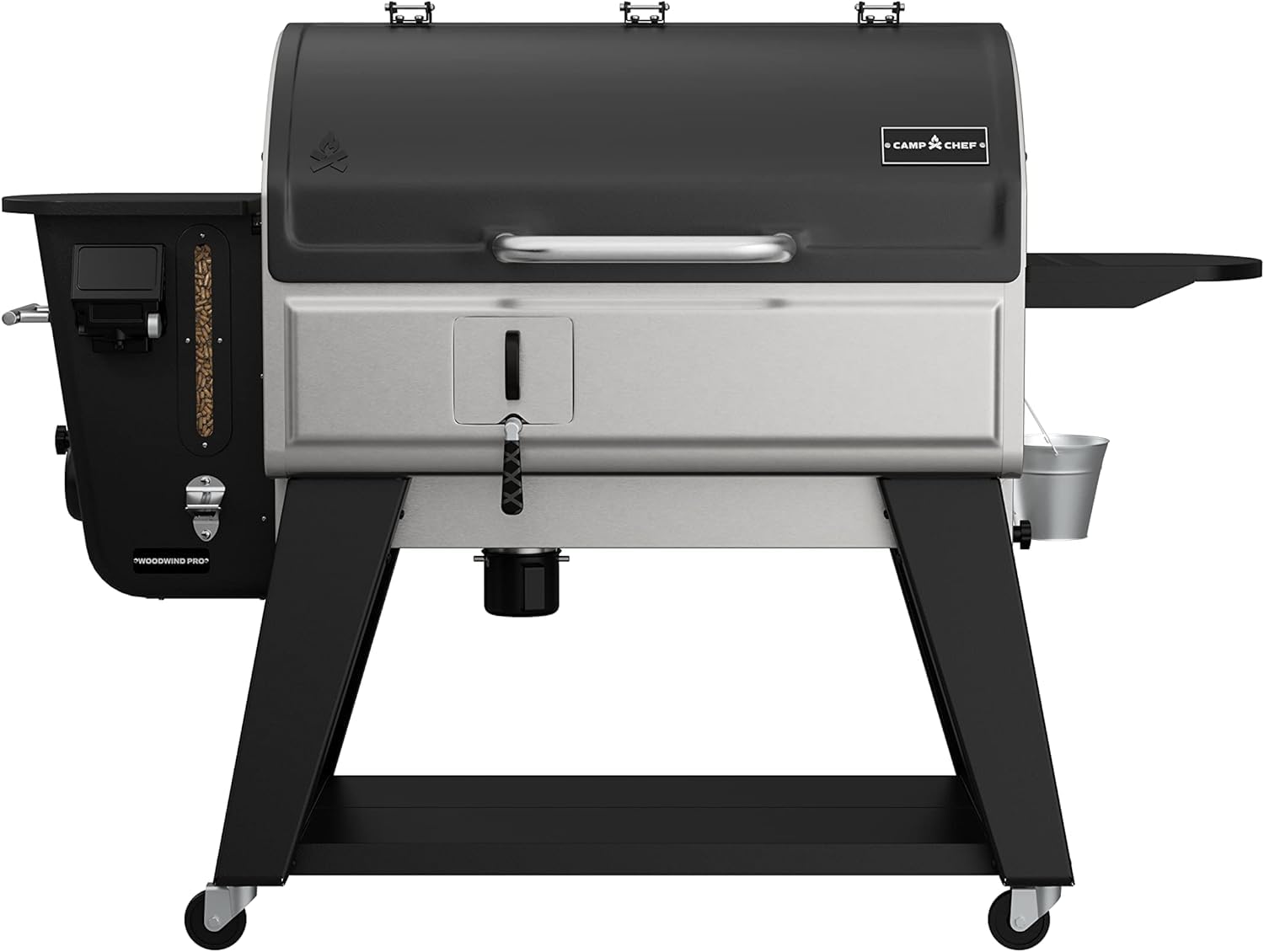
Pellet smokers trade the gas dial for a controller that feeds pellets to a fire pot and holds your set temperature within a narrow band. That calm control suits overnight brisket and busy hosts. You give up the tiny footprint, since pellet units sit wider, and you take on hopper care and ash cleanup, plus a need for outdoor power and dry pellet storage. Choose this type if steady heat matters more than compact storage and the lowest running cost.
Compact Vertical Models for Tight Spaces
Smaller cabinets suit couples, small families, and homes where the smoker shares space with bikes, bins, and patio chairs. They heat up fast, use less fuel per cook, and store in a garage corner without a fight. The limit is headroom and rack count, so whole turkeys and large briskets may not fit. If most cooks are a single chicken, salmon fillets, or two racks of ribs, a compact model gives you real smoke flavor without taking over the yard.
How to Compare Camp Chef Smokers Fairly
Compare models on the cooking area you can actually use, how steadily each type holds heat, build quality, fuel use across a long cook, and how much work assembly and cleaning demand. Maker specifications and patterns in buyer reviews are the most reliable guides, especially from owners cooking in homes like yours, with small yards and regular weekend use.
The Camp Chef Smoker Lineup Explained
Camp Chef splits its smokers mainly by fuel and shape. The vertical propane cabinets are the traditional Camp Chef smoker form, built around stacked racks and a water pan for moist heat. The pellet line adds digital control and a hopper for cooks who want the smoker to manage its own fire. Both lines share the same goal, low heat and steady smoke over hours, so your choice is about control style and footprint.
Before your first cook, read a clear walkthrough of how to use a smoker so the seasoning run, chip loading, and vent settings feel familiar. Start with forgiving foods such as pork shoulder or chicken thighs, which stay juicy across small temperature swings while you learn your dial.
Common Buying Mistakes to Avoid
- Buying the largest cabinet for one big party a year, then fighting to store and heat it for small weekly cooks.
- Placing the smoker on a slope or tight against a wall, which causes uneven heat.
- Ignoring the cost of covers, probes, and replacement gaskets when you set your budget.
- Paying for WiFi and extra racks you will never use while skimping on the door seal.
- Skipping the seasoning run, so factory oils end up flavoring your first meal instead.
Cost of Ownership and Care
Running costs stay modest if you plan for them. Budget for propane refills or bags of pellets, wood chips for propane models, and a cover that fits your cabinet shape. Gaskets, igniters, and chip trays wear over time and are cheaper to replace early than after a failed holiday cook. A fitted cover and dry storage do more for lifespan than any accessory, since standing water in the base starts rust on most home smokers.
After each cook, empty cooled ash and chips, wipe grease from the racks and drip areas, and leave the door cracked until the inside is dry. Our step by step guide to how to clean a smoker shows how to handle buildup without stripping the seasoned interior walls. Keep vents clear, check burner ports for spider webs each season, and store pellets and chips in sealed bins.
Your Questions, Answered
Which Camp Chef smoker should I buy for a small patio?
Choose a compact or standard vertical propane cabinet, since its tall shape uses floor space slowly while still stacking several racks of food. Measure your pad and leave clearance above the vent and in front of the door before ordering. A pellet unit can work too, but its wider body and hopper usually crowd tight corners. If your patio is covered, confirm the maker clearance guidance before your first cook.
Is Camp Chef a good smoker brand for home use?
Yes, for home cooks who want a focused lineup rather than dozens of overlapping models. The brand built its name on outdoor cooking gear for camps and yards, and its smokers reflect that practical bent, with simple controls, replaceable parts, and cabinets sized for family meals. Check that trays, gaskets, and igniters for your chosen type are easy to order before you buy, since parts access matters over years of ownership.
How long does a Camp Chef smoker last with regular care?
A covered, garage stored smoker wiped down after cooks can serve a household for many seasons, while one left uncovered in rain may show rust within a couple of years. The burner or fire pot, door gasket, and rack coating usually wear first, and all three are replaceable. Lifespan depends less on how often you cook and more on whether water and grease sit in the cabinet between cooks.
What is the best Camp Chef smoker type for cold weather cooking?
A propane cabinet with a stronger burner recovers heat fastest after door openings in cold air, which makes winter cooks less frustrating. Pellet smokers also handle cold well if you keep pellets dry and allow extra time to reach temperature. In either case, cook out of the wind, keep the door shut, and plan on more fuel than a summer cook uses.
How do you season a new Camp Chef smoker before the first cook?
Wash the racks, wipe the interior, then run the empty smoker at moderate heat with a tray of chips or a load of pellets so smoke coats the clean metal. This burn off clears factory oils and helps later cooks taste clean. Let it cool fully before loading food. Keep children and pets away during this run, since the exterior gets hot enough to burn skin.
Final Thoughts
Match the smoker to your home first and your ambitions second. A vertical propane cabinet fits most yards and family cooks, a pellet model buys you calmer control, and a compact cabinet keeps small spaces workable. Use the product table above to compare the best camp chef smoker options for your household size and budget. Prices and availability can change, so check the product page before ordering.