
Best Cameras with a Flip Screen: A Practical Buying Guide for 2026
Disclosure: We may earn a commission when you buy through links on this page, at no extra cost to you. As an Amazon Associate I earn from qualifying purchases. Learn more

Compare cameras with a flip screen by budget, screen type, autofocus, and video features, and learn which screen style suits travel, vlogging, and still photos.
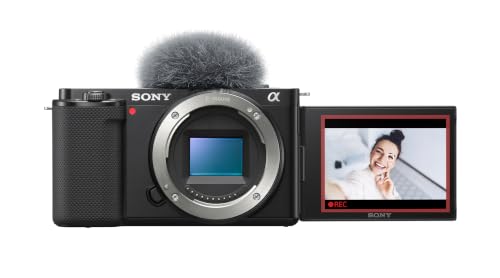
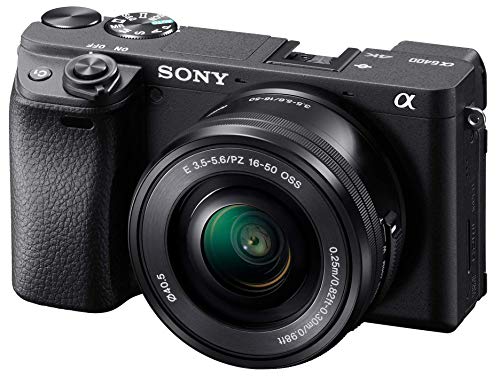
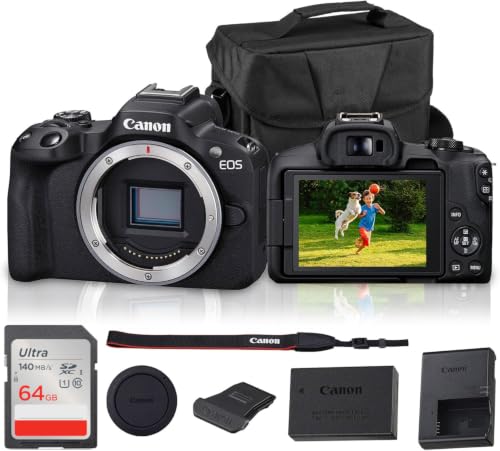
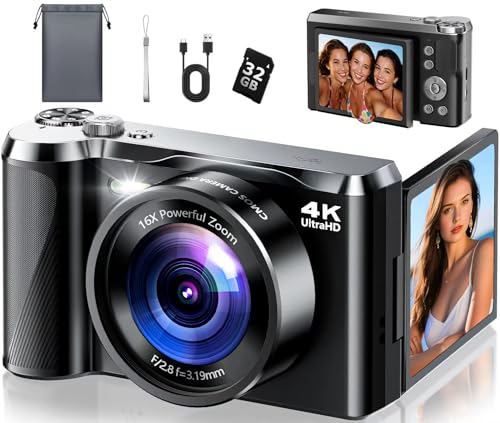
A flip screen changes how you shoot, because you can frame yourself, shoot from waist height, or hold the camera overhead and still see the picture. The best cameras with a flip screen pair a clear, bright screen with reliable focus and video that suits your main use, whether that is travel photos, vlogs, or family video. This guide compares screen styles and budgets and explains the comparison table below, so you can pay for the screen and features you will actually use.
Not all flip screens work the same way. Some flip up for selfies and low angle shots, some swing out to the side for vlogging, and some tilt only a short way for waist level work. The right style depends on whether you film yourself, shoot mostly still photos, or need a screen that stays clear of a microphone or tripod plate. Read the screen section first, then match the rest of the camera to your budget.




What Your Money Gets You at Each Price Tier
At a lower cost, flip screen cameras are usually compact models with a smaller sensor, a built in zoom lens, and simple video modes. They are light, easy to carry, and good for daylight vlogs and travel photos when you do not need strong low light video. Their screens can be harder to see in bright sun, and their focus may hunt when you move quickly or film in dim rooms.
In the middle range, larger sensor cameras and interchangeable lens cameras add better low light video, faster focus, and a choice of lenses for different scenes. This is the level where many regular creators settle, because the screen is brighter, the video is cleaner, and the camera can grow with your skills. You also get better audio options, such as a microphone input, which matters more for vlogs than the megapixel count.
At a higher cost, you pay for stronger stabilization, faster subject tracking, higher quality video formats, and screens that stay clear and responsive in bright light. These features help most when you film moving subjects, work outdoors all day, or publish video regularly. If you only take occasional selfies and family photos, that extra spending may not change your pictures enough to justify it.
Lower Cost Choices
Lower cost choices suit new creators and travelers who want a pocket sized camera that can film themselves without a phone. Look for a screen that flips fully forward, a lens that covers a wide selfie angle, and a battery that lasts through a day of short clips. Accept that night video and fast action will be weaker, and keep a spare battery and memory card in your bag.
Middle Cost Choices
Middle cost choices suit creators who publish weekly and want video that holds up on a larger screen. A larger sensor helps in indoor light, a brighter screen helps outdoors, and a microphone input lifts audio quality more than any picture setting. This level also lets you change lenses, so one camera can cover wide vlogs, portraits, and travel scenes without buying a second body.
Higher Cost Choices
Higher cost choices suit working creators who need reliable focus, long recording times, and video formats that edit smoothly. Strong stabilization keeps walking shots usable, and a fully articulating screen lets you monitor yourself from almost any angle. Before paying this much, check that you will film often enough to use those features, and that you are happy to carry a larger camera and lens kit.
Features Worth Paying For and Ones to Skip
The screen itself is the headline feature, but focus, stabilization, and audio decide whether your video is watchable. A beautiful screen cannot save shaky footage or muffled sound, so judge the whole camera, not the screen alone. Spend first on the features that affect every clip, and treat extra photo modes as a bonus.
Why Choose a Camera With a Flip Screen
A flip screen helps when you film yourself, shoot from low angles, or hold the camera above a crowd, because you can see the framing without guessing. A screen that swings out to the side also stays visible when a microphone sits on top of the camera, which is a common vlogging setup. The trade off is size and fragility, since a moving screen adds a hinge that needs care, and a side screen can block a tripod plate if the design is poor.
Screen Styles Compared
Flip up screens are compact and simple, and they work well for selfies and low angle still photos, but they can be blocked by a microphone or a hot shoe accessory. Flip out screens swing to the side and face forward, which suits vlogging and self recording, and they stay clear of top mounted gear. Tilt only screens move a short way up and down, which helps waist level photos but will not face forward for self filming, so check the screen movement before you buy. For a closer look at the two main moving styles, our guide to best cameras with flip out screen explains side swinging screens, while our guide to best cameras with flip up screen covers upward flipping screens.
Autofocus and Stabilization
Face and eye tracking that holds on you as you move around the frame is the most useful focus feature for self filming. Stabilization matters just as much, since a flip screen invites handheld walking shots that will look shaky without it. Test both together if you can, because a camera with good focus but weak stabilization will still produce tiring video on the move.
Video Capabilities
Look for video resolution and frame rates that match where you publish, rather than the highest numbers on the box. Clean video at a normal resolution, with a microphone input and a headphone check, will serve most creators better than a very high resolution mode that overheats or fills memory cards quickly. If you film yourself, also check that the camera can record for long sessions without stopping, and that the flip screen does not overheat the body in direct sun.
Sensor Size and Image Quality
Sensor size affects low light video and background blur more than the megapixel count, and a one inch sensor usually beats a phone sized sensor indoors. Larger sensors add weight and cost, and they need larger lenses, so balance picture quality against the size you will actually carry every day. For video shared online, steady and well exposed footage at a normal resolution will look better than shaky footage at the highest setting.
Choosing Cameras for Your Situation
Different uses stress different parts of a flip screen camera. A travel camera must be light and quick to pack, a vlogging camera must handle audio and self framing, and a still photo camera must offer a screen that helps with low angles without getting in the way. Match the screen style and the lens range to the job you do most, rather than buying the largest screen on the market.
Best Canon Cameras with a Flip Screen
When the maker name is part of your search, judge the maker on general criteria rather than on any single model: the range of lenses available, the clarity of the menu, battery availability, and service access in your area. A wide lens range matters for vlogging and travel, while simple menus help when you hand the camera to someone else. Check those maker level points first, then compare screen style and video features across the range.
Best Travel Cameras with Flip Screen: Where Your Money Goes
Travel cameras put the budget into a light body, a versatile zoom, and a screen that works for selfies at landmarks and low angle street shots. A compact size matters more than a very large sensor here, because a camera left in the hotel cannot take pictures. Look for fast startup, a battery that lasts a day of sightseeing, and a screen bright enough to see in sunlight.
Best Vlogging Cameras with a Flip Screen
Vlogging cameras put the budget into a fully forward facing screen, reliable face tracking, and clean audio from a microphone input. A screen that swings out to the side is usually the best choice, since it stays visible with a microphone mounted on top. Also check recording limits and battery life, because a vlog camera that stops mid take will interrupt your flow more than a slightly softer picture will.
Weight, Grip, and Balance for Vlogging
For regular vlogging, also weigh weight, grip, and how the camera balances with a small microphone and a mini tripod. A light camera you can hold for a long take will produce steadier and more natural video than a heavy camera that tires your arm. Look for a screen that locks firmly in place, a record button you can find by touch, and a lens wide enough to include your surroundings without holding the camera at full arm stretch.
Best Point and Shoot Cameras with Flip Screens
Point and shoot cameras put the budget into simplicity: a built in zoom, automatic modes, and a screen that flips up for selfies and group shots. They suit travelers and family photographers who want better pictures than a phone without learning lens choices. Their smaller sensors limit low light video, so they work best in daylight and well lit rooms, and they are easiest to carry all day.
Best Compact Cameras with Flip Screen Up
Compact cameras with an upward flipping screen suit still photographers who shoot from waist height or take selfies, and who want the smallest possible body. The upward screen keeps the camera slim and avoids a side hinge, but it can be blocked by a microphone or flash accessory on top. If you mainly film yourself talking to camera, a side swinging screen will usually serve you better than an upward screen.
Screen Types and Related Choices
Beyond the flip screen itself, consider whether you need an interchangeable lens camera or a fixed lens compact. Interchangeable lens cameras, including models covered in our guide to best dslr cameras with flip screen, give you lens choice at the cost of size and weight. Fixed lens cameras are simpler and lighter, and they suit travelers who want one camera for every scene without changing lenses on the move.
Also think about the term flip camera itself, which some shoppers use for any camera with a moving screen. Our guide to best flip cameras covers that broader search, including screens that tilt, flip up, and swing out. Comparing screen movement types side by side will help you avoid buying a tilt only camera when you actually need a fully forward facing screen for self filming.
Long Term Costs to Factor In
The camera body is only part of the total cost, and accessories add up over time. Plan for spare batteries, large memory cards, a small tripod or grip, a microphone, and a bag that protects the screen hinge. Lenses are the biggest long term cost for interchangeable lens cameras, so check lens prices before you commit to a camera body with an expensive lens range.
Screen protectors cost little and can save an expensive repair, since a scratched or cracked screen is hard to use for framing. Warranty length and repair access also matter, especially for a moving screen hinge that sees daily use. Add these running costs to the product table above when you compare options, rather than judging cameras on the body price alone.
Frequently Asked Questions
Does the flip screen make the camera less durable?
A moving screen adds a hinge, so it needs a little more care than a fixed screen. Fold it closed against the body when you pack the camera, avoid forcing it past its stop, and add a thin screen protector. Cameras with a firm hinge and a screen that locks in place tend to hold up best with daily use.
Is a smartphone enough instead of a flip screen camera?
A smartphone can be enough for short selfies and casual clips, especially when you only share on social media and shoot in bright light. Its small sensor and digital zoom limit low light video and distant detail, and holding a phone at arm length for long takes is tiring. A dedicated flip screen camera is the better choice when you film regularly, need a microphone input, or want a lens range and battery life that a phone cannot match.
Which flip screen camera works better for low light?
A camera with a larger sensor and a lens that lets in more light works better for low light than a small sensor camera pushed to a high sensitivity setting. Interchangeable lens cameras usually win here, because you can pair the body with a brighter lens for indoor and evening scenes. Compact flip screen cameras can still work in well lit rooms, but expect more grain and softer detail when the light drops.
How much should I spend on a first flip screen camera?
Most first time buyers do well with about $400 to $900 for a compact or midrange flip screen camera, plus a memory card, a spare battery, and a screen protector. That range usually buys a fully forward facing screen, decent focus tracking, and acceptable video for online publishing. Spend less if you only take occasional selfies, and spend more only when regular publishing, low light work, or interchangeable lenses are part of your plans.
What specs matter most for a beginner flip screen camera?
Screen movement, face tracking, stabilization, and battery life matter most for a beginner, because they decide whether you can frame yourself, stay in focus, and record a full session. A screen that flips fully forward is more useful than a very high photo resolution, and a microphone input matters more than extra photo modes. Check those four points first, then compare sensor size and lens range within your budget.
Final Thoughts
Choose the screen style first, then match focus, stabilization, audio, and sensor size to how you actually shoot. A side swinging screen suits vlogging, an upward screen suits compact still photography, and a larger sensor suits low light work. Check the product table above once more, add the long term costs, and the best cameras with a flip screen for you will be the one whose screen and features fit your daily shooting, not just the largest screen on the shelf.


