
Best Cameras with Flip Out Screen for 2026: What Actually Matters Before You Buy
Disclosure: We may earn a commission when you buy through links on this page, at no extra cost to you. As an Amazon Associate I earn from qualifying purchases. Learn more

Compare the best cameras with flip out screen by screen range, sensor size, autofocus and video, with a simple checklist to help you choose with confidence.
A screen that swings out and faces you changes how you frame, record, and check your work. When you shop for the best cameras with flip out screen for your own use, the screen alone is not enough, because sensor size, focus speed, and sound matter just as much. This guide uses a clear checklist so you can weigh those parts together.
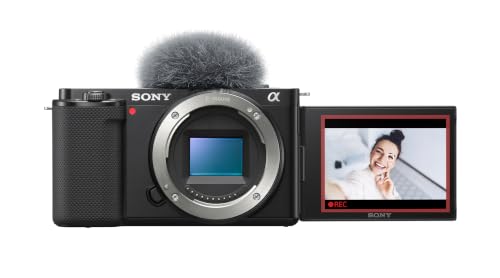
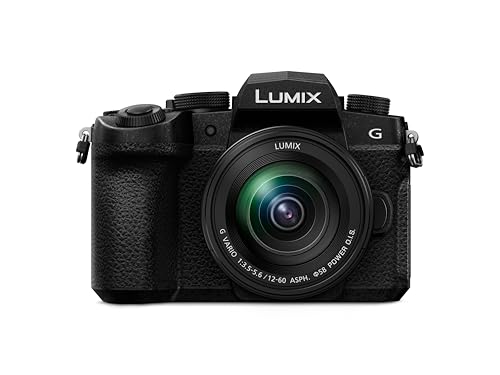
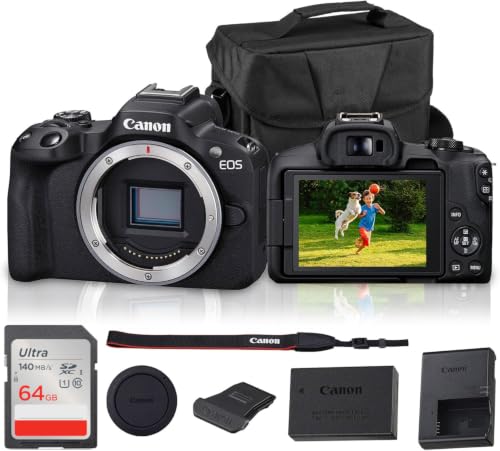
Start with how you plan to shoot, then match screen style and body size to that habit. Solo creators, parents filming family events, and travelers need different strengths. Use the comparison table below to compare the main options, then work through each section.




Who Should Buy a Camera with a Flip Out Screen?
The buyers below gain the most from a forward facing screen, because they work alone, check framing while recording, or shoot from angles where a fixed screen is hard to see.
Solo Video Creators Who Film Themselves
You record alone and need to confirm framing, focus, and exposure without walking back to check the camera. A fully articulating screen that faces you, plus reliable eye detection focus, solves that daily problem. Touch controls help you tap to focus and start recording quickly. If this is your routine, see our guide to the best flip screen cameras for more styles.
Families and Travelers Who Want to Be in the Picture
You want group shots and self portraits instead of always holding the camera for others. A forward facing screen lets a group check spacing and expressions before the timer fires, and it helps with low or high angles on trips. A compact body with a simple auto mode matters here, because the camera will be carried all day.
Still Photographers Who Shoot from Awkward Angles
You photograph products close to a table, pets near the ground, or scenes above a crowd. A screen that swings out and tilts lets you compose without lying down or guessing. A bright display and a firm hinge matter more to you than top video specs. You may also value a viewfinder for bright sun, when any rear screen can look washed out.
Key Features to Compare
Use these factors in order. Screen movement comes first, because it decides how you work each day, and the later factors decide image quality and sound. These points separate the best cameras with flip out screen choices from models that only look similar on a spec list.
Screen Movement, Size, and Touch Control
A fully articulating screen swings out on a side hinge and rotates to face forward, face back for protection, or sit at odd angles for low and high shots. A tilt only screen moves up and down but cannot face you fully, which limits solo video. Check size around 3 inches, brightness, and touch response. A loose hinge or blocked ports will annoy you daily.
Sensor Size Behind the Flip Screen
Sensor size shapes detail, background blur, and clean results in dim light more than megapixel count alone. A 1 inch sensor suits compact bodies and beats a phone. APS C sensors gather more light and pair with interchangeable lenses. Full frame sensors offer the strongest low light results, at higher cost and larger size. Choose the smallest sensor that meets your needs.
Focus That Follows You While You Present
Good autofocus keeps your face or subject sharp while you move, talk, or present an object to the lens. Look for eye detection for people, animal detection if you film pets, and tracking that holds a subject across the frame. Touch focus should shift smoothly for video, without a sudden jump. For stills, check focus speed in dim rooms, because some systems slow down when light drops.
Video Quality, Sound Inputs, and Record Limits
Check resolution and frame rates against your real output, not the highest number on the box. 4K video gives room to crop in editing, while 1080p files are smaller and faster to share. A microphone input matters more than a small resolution gain if you speak on camera, and a headphone jack helps you catch wind noise early. Also check record limits and heat warnings.
Image Stabilization for Handheld Shooting
Stabilization smooths small hand movements when you walk, pan, or hold the camera at arm length. In body stabilization moves the sensor and helps with many lenses, lens stabilization works inside certain lenses, and electronic stabilization crops the image slightly. Stronger electronic modes can soften detail. If you move while filming, rank this high and practice a slow walk.
Lenses, Zoom Range, and Camera Size
A fixed lens compact keeps things simple and light, with an optical zoom range that covers wide room shots and closer portraits. An interchangeable lens body costs more over time but lets you add a wide lens for small rooms or a brighter lens for dim light. Check the widest setting first, because group shots fail when a lens cannot fit the scene.
Choosing the Right Screen Style and Format for Your Use
A side hinge screen suits most solo creators because it faces forward without sitting above the camera, where a mounted microphone can block the view. A flip up screen can be quicker for a fast self check, but top mounted accessories often cover it. If you record talks or lessons alone, compare both layouts in our guide to the best cameras with flip up screen.
Best 1080p vlogging cameras with flip out screens
For online video watched mainly on phones and laptops, 1080p recording is still practical, and it saves money and storage. Check three points first. Autofocus must hold your eyes while you move. A microphone input and clear on screen audio levels protect your sound. The screen must stay easy to read under your room lights. A lighter body with strong 1080p video often beats a heavier body bought only for 4K.
If you prefer an optical viewfinder, a larger grip, and a wide used lens market, see our guide to the best dslr cameras with flip screen and compare size against smaller mirrorless cameras. Mirrorless bodies tend to offer stronger on screen focus tools and more compact lenses.
Questions to Answer Before You Order
Answer these questions before you order. Two or more no answers in areas you care about should send you back to compare other options.
- Can the screen face forward and still clear a mounted microphone or cable?
- Can you tap the screen to set focus and see exposure clearly?
- Does eye detection hold focus while you move and talk?
- Is there a microphone input, and can you view audio levels?
- Does the widest lens setting fit your room or group?
- Can the camera record your longest session without stopping early?
- Does the full kit feel light enough for your normal day?
Common Mistakes to Avoid
- Buying for the screen alone and ignoring autofocus, so solo clips drift soft whenever you move.
- Choosing a flip up screen and mounting a microphone on top, so the accessory blocks your view.
- Paying for 4K video when your computer struggles with large files, so editing slows and projects pile up.
- Skipping a microphone input to save money, so room echo stays in every recording you publish.
- Picking the largest sensor kit for travel, so the weight keeps the camera in your room.
- Ignoring record limits for long events, so the camera stops during a talk or ceremony.
How to Make Your Camera Last Longer
The hinge and screen need the same care as the lens. Open and rotate the screen with one steady motion and never force it past its stop point. Clean the screen and lens with a soft lens cloth, not a shirt, because grit in fabric can leave fine scratches. Wipe the body after use in dust or light rain.
Carry the camera in a padded bag with the screen turned inward, which shields the display from keys and hard edges. Keep a spare battery ready and rotate your batteries so one does not sit empty for months. Store the kit in a dry place. For older styles, see our guide to the best flip cameras.
Frequently Asked Questions
What specs matter most for beginners choosing a flip out screen camera?
Autofocus reliability, a simple auto mode, and a microphone input matter most for beginners. Those three prevent the most common early failures: soft faces, poor exposure, and unclear speech. A helpful extra is a focus mode that shifts attention to an item held near the lens for a product demo. Beginners gain more from those aids than from the highest resolution.
How much should you spend on a first camera with a flip out screen?
Plan a total budget, not just a body price, because a bag, memory card, spare battery, and basic microphone are part of a working kit. Many new creators land around $500 to $900 for the full setup, while buyers who want room to grow may plan about $900 to $1,500. If a higher price forces you to skip sound gear, step down one level.
Which camera with a flip out screen works best in low light?
A larger sensor paired with a bright lens works best in low light, because that pairing gathers more light before noise builds. Full frame bodies lead here, and APS C bodies with a wide aperture lens come close for indoor use. One point buyers miss is preview gain: a brightened live view can look cleaner than the recorded file, so judge sample footage, not the store display.
Are flip out screen cameras good for live streaming at home?
Yes, many flip out screen cameras stream well when they offer clean output through a cable or a maker provided app and can run on constant power. Check three details first: whether menus stay off the output, whether autofocus stays active, and whether the body stays cool through your longest stream. Some setups still need a capture device, so confirm your full chain in advance.
Final Thoughts
Put screen movement, autofocus, and sound at the top of your list, then let sensor size and lens choice follow your light and budget. That order keeps the daily experience strong long after the first week. When you compare the best cameras with flip out screen options for your own work, return to the product table above and pick the body that fits how you shoot.


