
Best Cameras Used for Filming: Types Compared and How to Choose for 2026
Disclosure: We may earn a commission when you buy through links on this page, at no extra cost to you. As an Amazon Associate I earn from qualifying purchases. Learn more

Compare the best cameras used for filming by type, with pros, cons, ideal users and typical price, so you can pick the right style for your projects.
Filming asks more of a camera than stills do: steady focus while subjects move, clean sound options, and runtime that lasts a whole scene. This guide compares the main types behind best cameras used for filming searches, so you can match a body style to your projects instead of guessing from spec sheets.
Whether you film family events, short films, hunts, or online videos, the right type depends on movement, light, and how much gear you will carry. Start with the comparison table below for the price and purpose of each type, then use the sections that follow to narrow your choice with confidence.
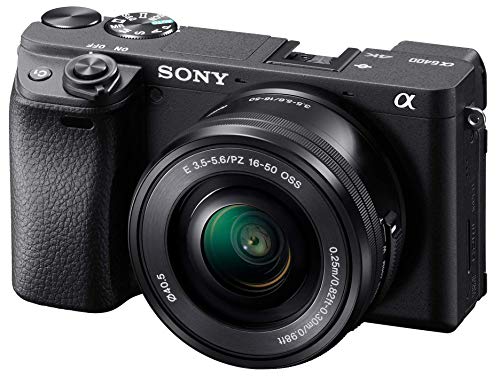
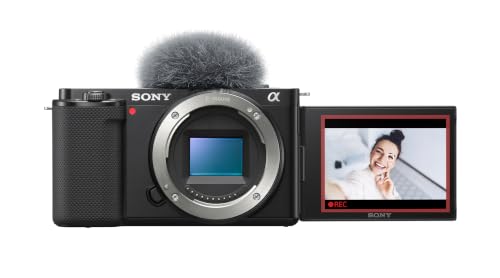
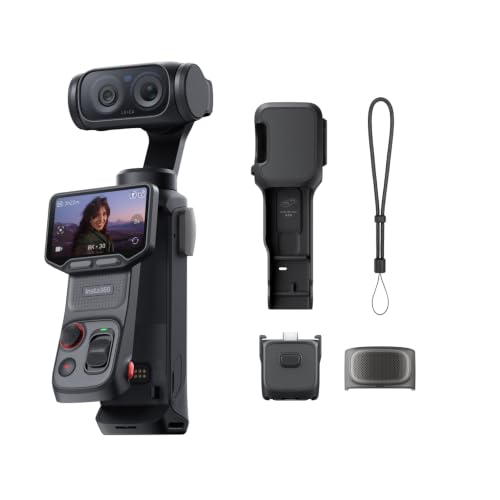
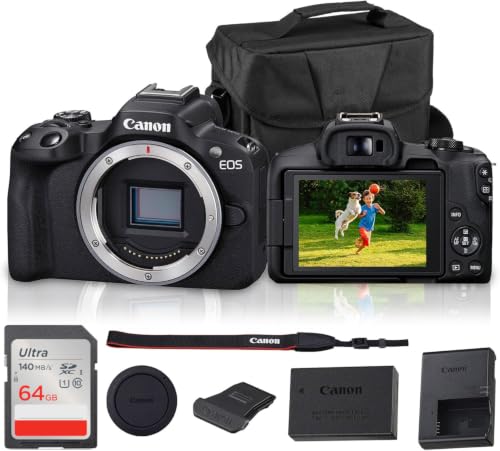



Types of Cameras Compared
In short, mirrorless cameras offer the best balance of quality and lens choice at about $500 to $2,500 per kit, vlogging cameras favor solo creators at about $400 to $1,000, and action cameras cover rugged movement at about $200 to $500. The detail below shows where each type earns or loses its place on a shoot.
Mirrorless Cameras
Mirrorless cameras are the default choice for serious filming because they pair large sensors with changeable lenses and strong video autofocus. They record detailed 4K video, accept microphones and monitors, and adapt to almost any project as your lens set grows. They suit short films, weddings, interviews, and wildlife work where quality leads. The trade offs are size, cost, and setup time, plus recording limits or heat on some bodies during long takes. Battery planning also matters, since video drains power far faster than stills. For most people who film often, this is the type to beat.
Vlogging Cameras
Vlogging cameras are built for one person filming alone. A flip screen lets you frame yourself, product showcase autofocus keeps items sharp when you hold them close, and compact bodies ride easily on a small grip or tripod. They suit travel diaries, reviews, tutorials, and daily online video. Image quality is strong in daylight, and built in mics are better than most, though a separate mic still wins. Limits appear in low light, lens flexibility, and long form recording, where larger bodies pull ahead. Prices stay friendly, which is why many creators start here and add lights and audio next.
Action Cameras
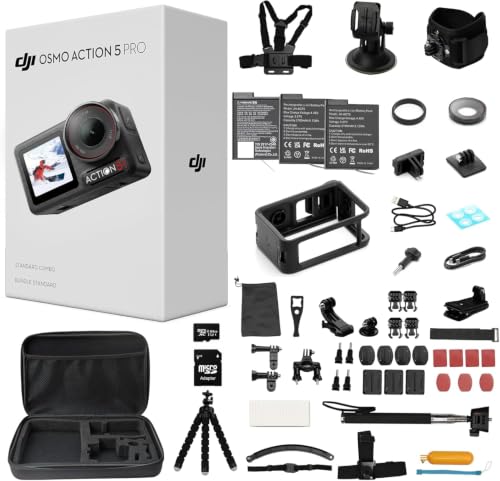
Action cameras film where other cameras cannot go. Sealed, mountable bodies handle rain, dust, vibration, and shallow water while image stabilization smooths walking, riding, and boating footage. They suit sports, travel adventure, dash views, and second angles on bigger shoots. Wide fixed lenses capture the scene around you but distort faces up close and make distant subjects small. Small sensors limit low light quality, and audio often needs help from covers or external options on supported models. As a primary camera they are specialists, yet as a second camera they are hard to replace.
Mirrorless Cameras vs Vlogging Cameras: Which Should You Choose?
Compare them on five points. For image quality and low light, mirrorless wins through larger sensor options and brighter lenses. For solo framing and speed, vlogging models win through flip screens, light weight, and simple controls. For audio growth, mirrorless usually offers more inputs and monitoring, though both accept external mics at midrange levels and up. For cost, a vlogging setup starts cheaper and needs fewer accessories. For lifespan, mirrorless grows with your skills and projects, while a vlogging body may become your travel spare later.
The practical rule is simple. Choose the vlogging type if you film yourself several times a week and value a kit that fits a small bag. Choose mirrorless if other people, events, or paid work fill your schedule, because missed focus and weak low light files cost more than the price gap. Many creators end up with both, using each where it is strongest.
How to Choose the Right Camera for Filming
Sensor Size and Image Quality
Sensor size sets your ceiling in dim light and shallow focus. A 1 inch sensor in a premium vlogging body handles daylight and bright interiors well. APS C gives cleaner evening footage and a more film like blur, and full frame goes further for night scenes and heavy editing. Megapixels matter little for video, since 4K needs only about 8 megapixels per frame. Dynamic range matters more, because it protects skies and windows from blowing out while faces stay readable. Judge sample footage in shade and mixed light, not just bright demos.
Durability and Weather Sealing
Filming often happens outdoors and on the move, so build quality protects your schedule. Weather sealing resists drizzle and dust at events and on trails, while action bodies go further with true waterproof ratings for rain and shallow immersion. Sealed lenses matter too, because an unsealed lens on a sealed body leaves a gap. Indoors, durability means heat tolerance for long takes and solid ports that survive cable tugs. Whatever the rating, dry gear after wet shoots and keep ports capped, since sealing slows damage rather than making a camera invincible.
Features That Matter for Filming
Filming demands its own checklist. Look for autofocus that tracks faces and eyes without pulsing, because hunting focus ruins quiet scenes. A mic input is essential, and a headphone jack helps you catch wind noise before it ruins a take. Check recording limits, overheating notes, and whether 4K video uses the full sensor width or a crop that changes your framing. Image stabilization in the body or lens smooths handheld work. Finally, confirm clean HDMI output if you plan to record to a monitor or stream, since menus in the feed make a body unusable for that job.
Lens and Zoom Range
Your lens shapes the story. Wide lenses suit rooms, travel, and walking shots, while moderate telephoto lenses flatter faces and isolate subjects at events. A low f stop number gathers light and blurs backgrounds, which helps interviews look polished. Optical zoom lenses offer framing flexibility on documentaries and hunts, and fast prime lenses favor scripted scenes. Readers drawn to one brand family can compare notes in our guide to the best canon cameras for filming, and those filming outdoors may also value our guide to the best cameras for filming hunts for reach and fieldcraft needs.
Battery Life and Charging
Video runtime is the hidden spec that ends shoots early. Many mirrorless bodies record for about an hour per battery, so a wedding or a long interview needs spares or wall power through a dummy battery. USB C charging and power delivery let some bodies run from a power bank, which suits travel and long events. Action cameras swap batteries in seconds, so carry several small cells. Before an important shoot, run a full length test at your real settings, because 4K and stabilization drain power faster than menu ratings suggest.
How to Make Your Filming Camera Last Longer
Care habits protect both image quality and resale value. Use a lens cloth, not your shirt, since grit on fabric scratches coatings that affect every frame. Carry a spare battery and rotate your batteries so they age evenly. Store the kit in a dry, padded bag, and keep it out of hot cars, which stress batteries and screens. Clean the sensor only with proper tools or a service visit, and update firmware when makers release stability fixes. Careful owners who later explore the best used cameras market will also find that clean, complete kits hold value best.
FAQs
What features matter most in cameras used for filming?
Face tracking autofocus, a mic input, and honest long take runtime matter most. Those three decide whether footage is usable before any talk of style. Next come sensor size for your light and stabilization for your movement. A useful test is to film a friend walking and talking indoors for ten minutes. If focus holds, sound stays clear, and the body stays cool, the camera passes the test that counts.
How much should I spend on my first filming camera?
Plan about $400 to $900 for a first filming camera with a lens or a strong fixed lens body. That range buys dependable autofocus, 4K video, and a mic input. Set aside extra for a microphone, spare battery, and a tripod or grip, because those items improve results more than a pricier body alone. Spending far less often means fighting focus and audio problems that slow your learning and date your early work.
Which camera type is better for low light filming?
Mirrorless cameras are better for low light filming, especially with APS C or full frame sensors and bright lenses. They hold detail and color at concerts, evening events, and candlelit scenes where small sensors smear. Vlogging bodies with 1 inch sensors are the portable runner up. Action cameras rank last after dark. Adding even a small video light improves every type, so budget for light before chasing the largest sensor.
Do I need a separate microphone for filming?
For anything beyond casual clips, yes. Built in microphones pick up handling noise and wind, and they hear the room better than they hear your subject. A small shotgun or clip on microphone placed close to the speaker usually improves a scene more than a pricier camera body would. Check that the camera has a microphone input, and record a few seconds of test audio before every shoot.
What specs matter most for beginners who film?
Beginners should rank autofocus, audio inputs, and screen style first. A flip or tilting screen makes solo framing possible, and a mic input fixes the weakest part of most starter footage. Sensor size comes next, matched to your usual light. Beginners also benefit from strong auto exposure, because it keeps early projects watchable while they learn shutter speed and aperture. Our format overview of the best digital cameras can help you place these specs across body types.
Is a smartphone enough instead of a filming camera?
A smartphone is enough for casual clips, quick updates, and learning basic framing. It becomes a limit when you need optical zoom, dependable autofocus over long takes, pro audio, or clean files in dim venues. Phones also interrupt filming with calls and storage shared across your life. A dedicated camera removes those risks and adds real controls. Many filmmakers start on a phone, prove the habit, then buy the type that fits their favorite projects.
The Bottom Line
Choose the type by your projects, then judge autofocus, audio, and runtime before resolution. Mirrorless leads on quality and growth, vlogging bodies lead on solo speed, and action cameras lead on rugged angles. The product table above gathers current examples of each type for a side by side look.
Whichever you choose, the best cameras used for filming are the ones whose footage sounds clear, stays in focus, and still has power when the best moment arrives late in the day.


