
Best Cameras for Filming Hunts for 2026: Every Type Explained Side by Side
Disclosure: We may earn a commission when you buy through links on this page, at no extra cost to you. As an Amazon Associate I earn from qualifying purchases. Learn more

Compare vlogging, mirrorless, and compact cameras for filming hunts, including weather sealing, zoom, stabilization, audio, field use, and costs.
Filming a hunt is very different from filming at home, because light changes at dawn and dusk, weather shifts quickly, and you may need to stay quiet and still for a long time. Best cameras for filming hunts should handle low light, resist rain and dust, and record steady video without drawing attention. This guide compares the main camera types side by side, so you can match a camera to how you hunt and how you film, using the comparison table below.
You do not need cinema gear to record a clear, watchable hunt film. You need a camera that starts fast, focuses in dim cover, and keeps working when your hands are cold and your pack is already heavy.


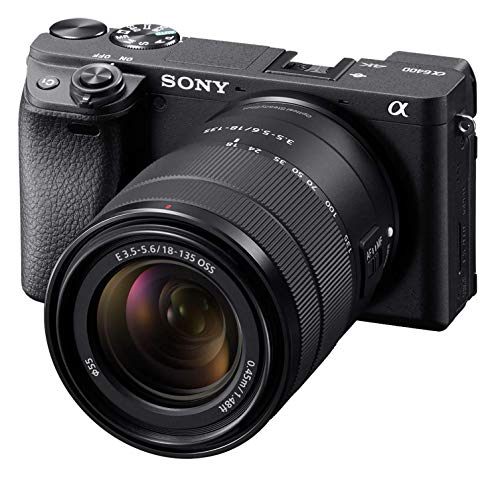
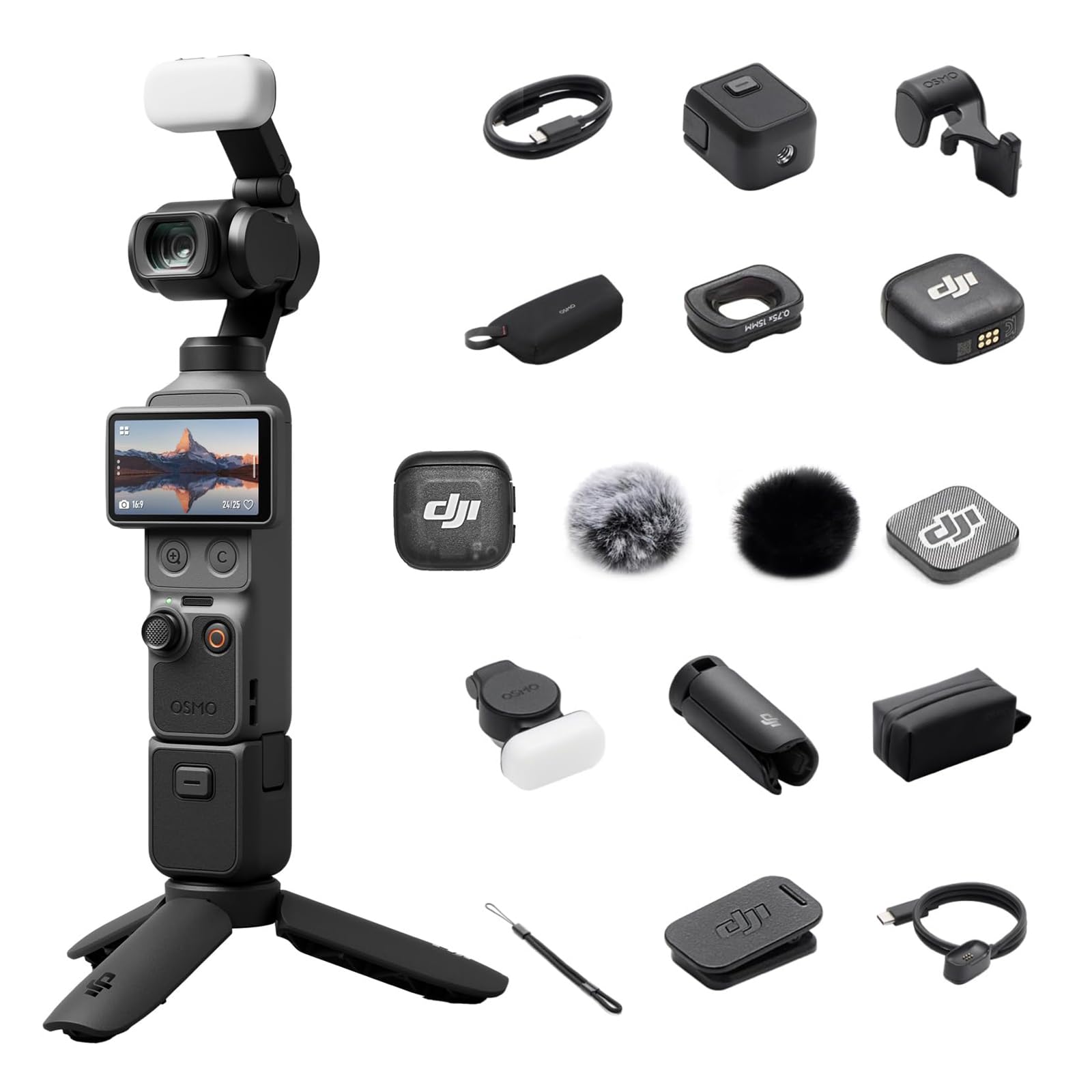
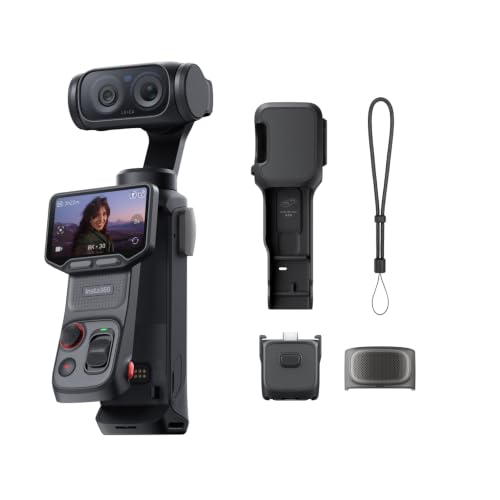
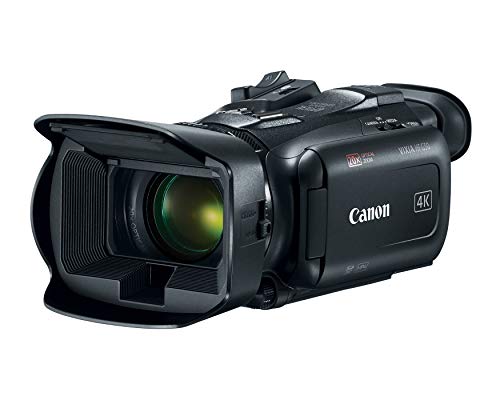


Types of Cameras Compared
The table below gives a quick view of the three main types for filming hunts.
| Type | Best For | Pros | Cons | Typical Price |
|---|---|---|---|---|
| Vlogging cameras | Self filmed hunts and short field clips | Light, simple, flip screen, steady video | Short zoom, small sensor | About $300 to $800 |
| Mirrorless cameras | High quality hunt films and low light | Large sensor, lens choice, strong video | Heavier, higher cost, more setup | About $700 to $1,800 |
| Point and shoot compacts | Light packs and simple backup filming | Compact, easy zoom, quick to use | Weaker low light, fixed lens | About $250 to $700 |
Vlogging Cameras
Vlogging cameras are built for one person filming alone, which fits many self filmed hunts. They are light, start quickly, and often include a flip screen so you can check framing without turning the camera toward yourself. Strong stabilization helps when you walk to a stand or film from a blind, and simple controls mean you can operate the camera with gloves on. Their zoom range is usually short, so distant animals may look small in the frame.
Mirrorless Cameras
Mirrorless cameras give the most control over image quality for hunt films. A larger sensor handles dawn and dusk light better, interchangeable lenses let you choose a wide view for camp scenes or a longer zoom for distant action, and advanced video settings give cleaner color and smoother motion. Autofocus that tracks a moving subject helps when an animal appears suddenly at the edge of cover.
Point and Shoot Compacts
Point and shoot compacts offer a simple middle path for hunters who want video without a large kit. They include a built in zoom, automatic exposure, and a compact body that fits in a jacket pocket or a small pack pouch. They are quick to pull out when action starts, and they are easy to hand to a hunting partner for a second angle. For a related self filming perspective, see our guide to the best cameras for self filming hunts in a paragraph about filming alone in the field.
Vlogging Cameras vs Mirrorless Cameras: Which Should You Choose?
Choose a vlogging camera if you film alone, travel light, and value speed over maximum quality. It will be ready in seconds, it will not weigh down your pack, and it will record clear clips for sharing with friends and family. Choose a mirrorless camera if you want the best low light footage, longer reach, and more control over focus, exposure, and audio. It rewards planning and patience, but it asks more of your pack and your budget.
Consider five field criteria before you decide: weight on a long walk, performance at dawn and dusk, zoom reach for distant subjects, battery life in cold weather, and ease of use with cold hands. A vlogging camera wins on weight and simplicity, while a mirrorless camera wins on low light and reach. If you hunt mainly from a blind with room for a tripod, the mirrorless advantage grows. If you still hunt on foot and film opportunistically, the lighter camera will likely record more usable footage.
How to Choose the Right Camera
Field conditions decide which specifications matter. A camera that looks strong in a store may frustrate you in fog, rain, or fading light, so judge each feature by how it performs when you are cold, quiet, and short on time. The factors below cover the choices that affect hunt footage most.
Durability and Weather Sealing
Weather sealing protects buttons, dials, and lens mounts from rain, dust, and morning dew, but it does not make a camera fully waterproof unless the maker states that rating clearly. Look for sealed seams, a protected battery door, and a lens that resists fogging when you move from a warm vehicle to cold air. A rain cover or a simple plastic shield adds protection during steady rain, and a padded case protects the camera on rough trails. Check maker guidance for safe use in wet conditions, and dry the camera fully before you store it, and a wider look at video focused options is in our guide to the best video cameras for filming hunts.
Ease of Use for Your Skill Level
A hunt camera should work well in automatic mode, because you may have only seconds when an animal appears. Clear menus, a dedicated record button, and a touchscreen that responds with gloves will help you start recording without looking away from the scene. App transfer is useful for reviewing clips at camp, but it should not be the only way to check footage, since field signal may be weak. A camera that lets you preset exposure and focus for dawn light will save fumbling at the moment that matters.
Features That Matter for Filming Hunts
Low light performance, steady stabilization, and quiet operation matter most for filming hunts. A camera that focuses smoothly in dim cover, without loud lens noise, will record more natural behavior. Good stabilization helps when you film handheld from a blind or while walking slowly, and a microphone input lets you add a wind protected microphone for clearer narration. Silent controls, such as a touch screen or a quiet dial, help you adjust settings without alerting nearby animals, and deer specific framing is covered in our guide to the best cameras for filming deer hunts.
Sensor Size and Image Quality
Sensor size affects how clean footage looks at dawn, dusk, and under tree cover. A one inch sensor is a step up from a phone sensor and keeps the camera compact. An APS C sensor gathers more light and gives better separation between a subject and a busy background. A full frame sensor gathers the most light, but it adds size, weight, and cost, and it needs larger lenses to use its full advantage.
Lens and Zoom Range
Lens range decides how close a distant animal appears and how wide a camp scene looks. Optical zoom magnifies through the lens itself, while digital zoom crops the image and loses detail, so compare optical zoom only. A standard zoom covers camp life and nearby action, while a longer zoom helps for animals across a field or a clearing. A fast aperture, shown as a low f number, helps in dim light and gives softer backgrounds, but longer fast lenses are heavier and cost more.
Care and Maintenance Tips
Field care keeps a hunt camera reliable through rain, dust, and cold mornings.
- Use a lens cloth, not your shirt, because grit on fabric can scratch a lens coating over time.
- Carry a spare battery in a warm inner pocket, since cold weather shortens run time sharply.
- Store the camera in a dry, padded bag after a hunt, and dry it fully before you close the case.
- Update firmware when the maker releases it, because updates often improve autofocus in low light.
- Follow maker electrical safety guidance, keep small parts away from children, and check local hunting and recording rules before you film.
- Format memory cards in the camera after you back up footage, so cards stay reliable for the next outing.
Frequently Asked Questions
What features matter most in cameras for filming hunts?
Low light performance, weather sealing, steady stabilization, and quiet operation matter most in cameras for filming hunts, because hunts happen at dawn and dusk in changing weather. A microphone input helps for clear narration, while fast autofocus helps when an animal appears suddenly. Battery life in cold weather is also critical, since a dead battery ends filming early. Choose a camera that balances these field features, rather than one with the highest resolution alone.
Is a phone enough for filming a hunt instead of a camera?
A phone is enough for short, bright clips close to camp, and it is easy to carry and share. A dedicated camera pulls ahead for low light, distant subjects, and long, steady footage, thanks to a larger sensor and a real optical zoom. A camera also offers a microphone input, better stabilization, and controls that work with gloves. Many hunters use a phone for quick clips and a camera for the main hunt film.
Which camera is better for low light during a hunt?
A mirrorless camera with a larger sensor and a fast lens is usually better for low light during a hunt, because it gathers more light without raising sensitivity so high that footage looks grainy. Look for clean performance at moderate sensitivity settings, a lens with a low f number, and stabilization that steadies handheld shots in dim cover. A vlogging camera can still work at dawn if you stay close to the subject and use a stable rest. Avoid relying on a harsh light, which can disturb animals and flatten the scene.
What specs matter most for beginners filming hunts?
Beginners filming hunts should focus on autofocus speed, ease of use, battery life, and a versatile optical zoom, rather than on advanced video formats or extreme resolution. A simple record button, a clear screen, and a helpful automatic mode will help you capture action without fumbling. Check that the camera records steadily in low light and that you can add a wind protected microphone later. As skills grow, manual exposure and extra lenses become more useful, but they should not complicate the first season.
How much should I spend on a first camera for filming hunts?
A first camera for filming hunts can work well at about $250 to $700, especially with a compact or a simple vlogging camera. Spending about $700 to $1,200 adds better low light quality, longer zoom, and stronger weather sealing for frequent hunters. Spend more only if you film often, edit long films, or need the best dawn and dusk performance. Budget also for a spare battery, a memory card, a microphone, and a padded case, since those items affect field use directly.
The Bottom Line
Match the camera to how you hunt: choose a light vlogging camera for self filmed walks, a compact camera for a light pack, and a mirrorless camera for the best low light footage and longest reach. Check weather sealing, battery life in cold weather, stabilization, and quiet operation before you compare megapixels. Review the product table above, follow local hunting and recording rules, and practice with the camera before the season opens. With the right fit, best cameras for filming hunts can help you record clear, steady hunt films without adding bulk or complexity to your time in the field.

