Best Cameras under 800 Dollars in 2026: The Buyer Checklist We Use
Disclosure: We may earn a commission when you buy through links on this page, at no extra cost to you. As an Amazon Associate I earn from qualifying purchases. Learn more

Compare the best cameras under 800 dollars with a clear checklist on sensor size, lenses, autofocus, 4K video, battery life and total kit cost.
An 800 dollar budget sits in a useful middle ground. It is enough for a real step up from a phone, but not enough to buy every feature you see in adverts. The best cameras under 800 dollars earn their price through sensor quality, a useful lens and focus you can trust, and the comparison table below is easiest to use once you know which of those matters most.
This guide works as a checklist rather than a list of models. You will set realistic expectations for the price, compare the specs that change your results, and match a camera type to the way you shoot. Keep your total budget in view, because a lens, a card and a spare battery compete for the same dollars.


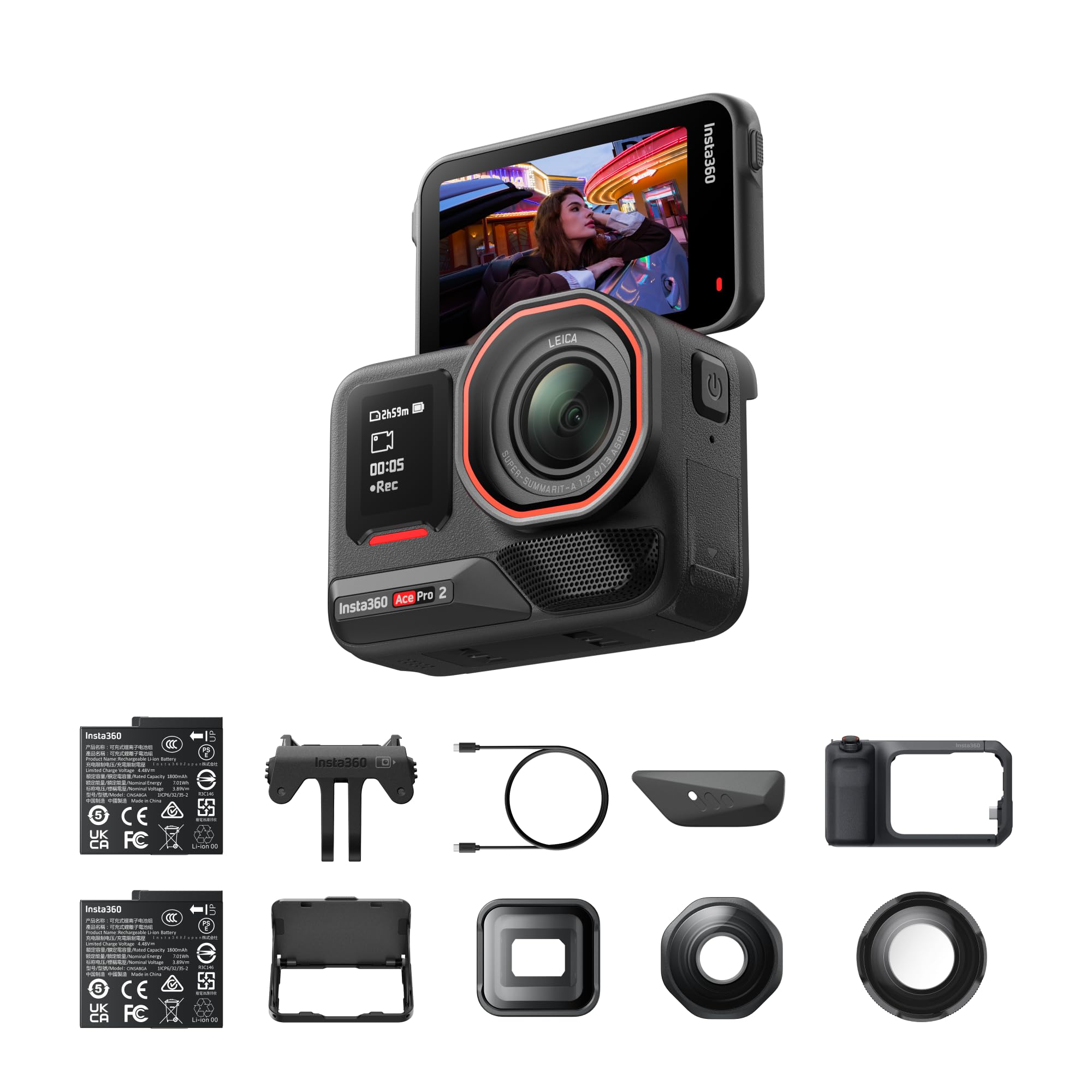
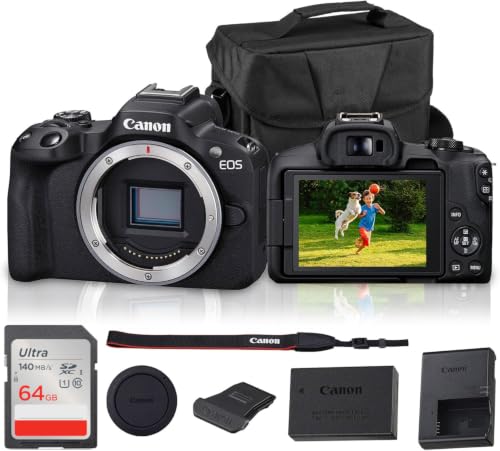


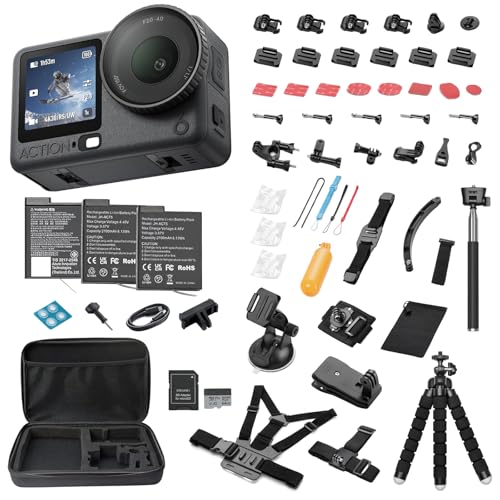
Who Should Buy a Camera on an 800 Dollar Budget?
The right choice under this cap depends on what you shoot most. Pick your group first, then let it decide which features deserve your money.
Families and Travelers Who Want More Than a Phone
You want portraits with softer backgrounds, cleaner indoor shots and zoom that reaches across a field. A mirrorless camera with a kit lens suits you if you will carry a small bag. Choose a compact instead if size decides whether the camera comes along, because a camera left at home takes no photos.
New Creators Who Record Video as Well as Stills
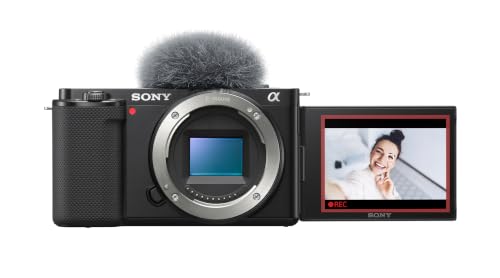
You film clips for family, school or social posts and need clear sound and steady footage. Look for 4K video, a screen that flips for self recording, a microphone input and stabilization that smooths walking shots. A single versatile lens keeps your kit light while you learn.
Hobbyists Upgrading From an Older Camera
You know the basics and feel held back by slow focus or noisy indoor images. Spend on a larger sensor and a brighter lens rather than extra modes you ignore. Check whether your current lenses fit a new body, because reusing gear can move a better body inside the cap.
How to Evaluate Cameras Under 800 Dollars
Score each camera on the six points below, in this order, so a long feature list cannot hide a weak sensor or lens.
What You Can Realistically Get Under $800
At this price you can expect a solid APS C or smaller sensor, a useful kit lens, reliable autofocus and good 4K video. You will usually give up the largest sensors, tough metal bodies and fast pro lenses. Do not save by accepting a tiny sensor or a dim lens, because those parts set your image quality ceiling. Leave about $100 to $200 for a card, bag and spare battery.
One Inch Compacts Versus APS C Mirrorless Sensors
Sensor size shapes detail, low light results and background blur more than megapixel count does. A 1 inch sensor in a compact camera beats a phone sensor and keeps the body small. APS C sensors, common in mirrorless cameras at this price, gather more light and give cleaner files at high ISO. Full frame sensors are rare under this cap once a lens is included. Treat extra megapixels as a bonus for cropping, not proof of better photos.
Lens and Zoom Range
The objective lens decides what you can frame. Optical zoom uses glass to bring distant subjects closer without losing detail, while digital zoom only crops the image. A kit zoom covering wide scenes to short portraits suits most buyers, and its magnification range matters more than a huge number on the box. Check the widest aperture, shown as an f number, because a lower number lets in more light. If you plan to add a prime lens later, confirm the mount has affordable options.
Focus Tracking for Kids, Pets and Game Days
Autofocus speed and tracking decide how many moving subjects stay sharp. Look for face and eye detection for people, plus a tracking mode for kids, pets and sports. Bursts at a game need tracking, while posed portraits need accurate single point focus. Image stabilization, in the body or in the lens, steadies your hands at slower shutter speeds and smooths video. It helps most in dim light and at longer zoom.
Battery Life and Charging
Many cameras in this class are rated at about 300 to 500 shots per charge, and video drains a battery far faster than stills do. Mirrorless cameras power the screen and viewfinder at all times, so a spare battery is practical, not extra. USB C charging helps on trips because you can top up from a power bank. Check whether a charger comes in the box, since buying one later adds to your total.
Low Light Performance and Weather Sealing
Low light results come from sensor size, lens aperture and usable ISO working together. A camera that holds clean detail at ISO 3200 gives indoor photos without flash in most homes. Favor a brighter lens over a higher top ISO number. Weather sealing uses gaskets at doors and dials to resist dust and light rain, but it does not make a camera waterproof. A sealed lens completes that protection.
Camera Types Compared Under 800 Dollars
Mirrorless cameras give you the best growth path. You can change lenses, add a brighter prime later and keep the same body for years. The cost is size and a higher total once extras are added.
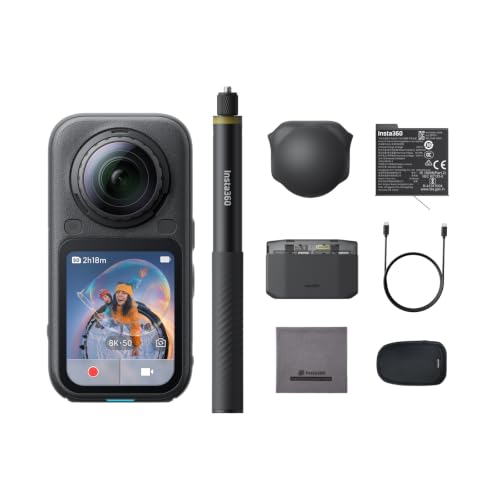
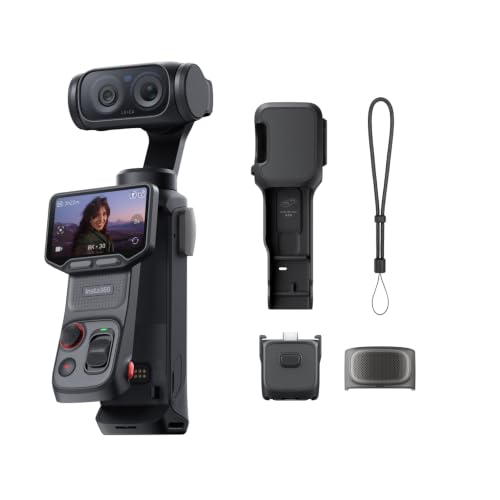
Compact cameras trade lens choice for simplicity. A fixed lens with optical zoom, a 1 inch sensor and a body that fits a coat pocket suits travel and family days. Action cameras are small, rugged and wide, made for bikes, water and mounted video rather than portraits. Among the best cameras under 800 dollars, the right type matches your main subject.
Budget tiers change what is realistic, so compare within your own tier first. If your cap drops, see our guide to the best cameras under 500 dollars for what that budget keeps and cuts, and our guide to the best cameras under 400 dollars before you decide to stretch upward.
Final Questions Before You Order at This Budget
Answer each question before you order. A no answer points to the section above to reread.
- Does the total with lens, card and battery stay under $800?
- Is the sensor at least 1 inch, or APS C for a mirrorless body?
- Does the lens cover the subjects you shoot most often?
- Can the autofocus track the people or pets you photograph?
- Does the camera record the video quality you will use?
- Can you charge the battery in a way that fits your trips?
- Will you carry this camera size on a normal day?
Common Mistakes to Avoid
- Judging a camera by megapixels alone leaves you with a small sensor that struggles indoors.
- Counting digital zoom as real zoom leaves distant subjects soft and heavily cropped.
- Spending the whole budget on the body leaves no money for a card, a bag or a spare battery.
- Ignoring future lens costs locks you into a mount you cannot afford to grow.
- Buying the largest camera on sale leaves it at home because you dislike carrying it.
- Trusting vague spec claims with no sensor size listed hides a weak camera behind marketing words.
For a nearly identical budget, see our guide to the best cameras under 800. At the lowest end, see our guide to the best cameras for under 200 dollars to see what entry level buyers give up.
How to Make Your Camera Last Longer
Clean the lens with a soft lens cloth, not your shirt, because grit in fabric can scratch the coating. Blow loose dust off first, then wipe in small circles from the center outward. Keep a spare battery charged and rotate batteries so one does not sit empty for months.
Store the camera in a dry, padded bag with the lens cap on. After a wet day, leave the bag open at home so moisture can escape. Remove the memory card only with the camera off, and format cards in the camera after you have copied your files.
Questions About Cameras Under 800 Dollars, Answered
Can you get a good camera for under 800 dollars?
Yes, a camera at this price can beat a phone for zoom, indoor light and printed photos. Spend on sensor and lens quality first. One practical test is the evening test: if a camera keeps faces clean and sharp indoors without flash, it will handle most family use.
What specs matter most for beginners buying a camera under 800 dollars?
Sensor size, a versatile kit lens and reliable autofocus matter most for beginners. Menus matter too, because a camera you understand gets used more. Choose a clear auto mode plus easy manual controls you can grow into, and skip advanced video formats until you need them.
How much of an 800 dollar budget should go to a camera lens?
Plan roughly a third of the budget for the lens side, whether a better kit zoom now or a bright prime lens soon after. Lenses stay useful longer than bodies do. A brighter lens also keeps shutter speeds safe indoors without pushing ISO high.
Is a smartphone enough instead of a camera under 800 dollars?
A smartphone is enough for quick posts in good light, but a dedicated camera wins for distant zoom, moving subjects and large prints. Control is often the deciding factor: physical dials, a viewfinder and a real grip change how deliberately you shoot. If you mostly share small images the same day, your phone may cover that job.
Which camera type is better for low light under 800 dollars?
A mirrorless camera with an APS C sensor and a bright lens is usually better for low light at this price. Compact cameras do well for their size, but smaller sensors show more noise as light falls. A tripod helps night scenes more than any in camera setting, because it lets you use a slow shutter speed.
Final Thoughts
Start with sensor size and the lens, check autofocus against your subjects, then confirm the full kit fits the cap. The type matching your carrying habits beats the longest feature list. Use the product table above to compare finalists.
Chosen that way, the best cameras under 800 dollars become the right tool for your photos. Pick the camera you will carry often and learn its controls well.