
Best Cameras for Under 200 Dollars: A 2026 Buying Guide
Disclosure: We may earn a commission when you buy through links on this page, at no extra cost to you. As an Amazon Associate I earn from qualifying purchases. Learn more

Learn what cameras under 200 dollars can really do, which features are worth paying for, and how to match a budget camera to your photos and videos.
Shopping for the best cameras for under 200 dollars starts with a simple truth. This price range is wide, and cameras at the bottom of it feel very different from cameras near the top. The comparison table below can help you sort the options, but the real work is knowing where your money makes a difference and where it does not.
This guide walks through spending levels, price tiers, and features in plain language. You will learn what to expect at each budget, which upgrades are worth the extra cost, and which extras you can safely skip. By the end, you should be able to choose a camera that fits the way you actually shoot, not just the one with the longest spec list.



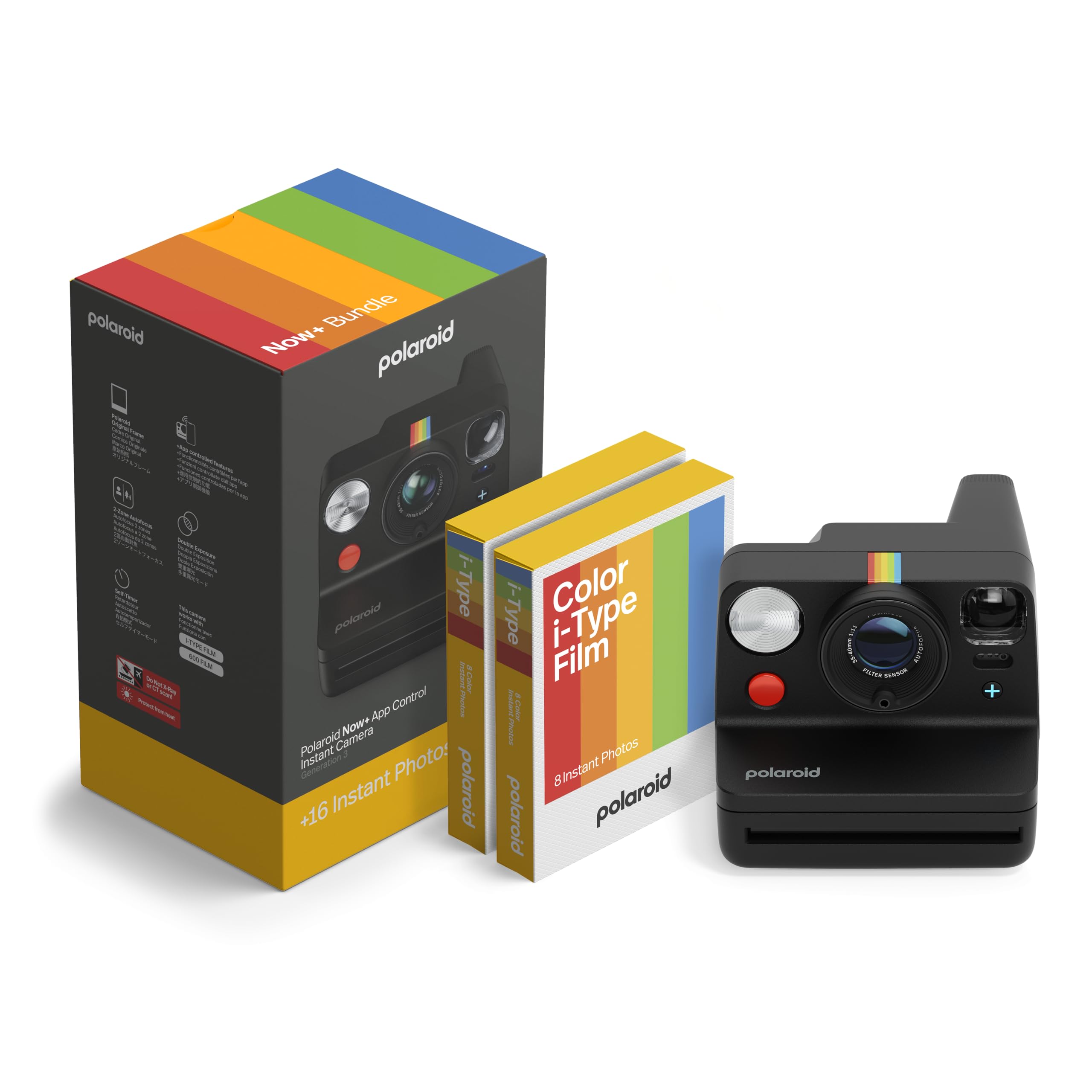

Spending Levels That Make Sense
A camera budget is not just a number. It is a set of trade offs, and the right trade offs depend on how often you shoot and what you shoot. A casual shooter who takes holiday photos has different needs from someone who records video every week. Spending levels help you match the camera to the job instead of guessing from a price tag alone.
Budget Level
At the budget level, expect a simple camera that handles daylight photos and short clips well. Controls are usually straightforward, menus are short, and automatic modes do most of the work. This level suits beginners, children with supervision, and anyone who wants a camera that is easy to carry and easy to use. Look for steady autofocus, a clear screen, and a battery that lasts through a day of casual shooting.
A budget camera is a good choice when you value simplicity over advanced controls. For quality focused options, see best quality cameras under 200.
Midrange Level
The midrange level is where most buyers find the best balance. Cameras here often add better stabilization, faster autofocus, and stronger low light performance than budget models. You may also get a larger sensor, a sharper lens, or a flip screen that helps with video and self portraits. This level suits family photographers, travelers, and hobbyists who want room to grow.
Check the zoom range, the video resolution, and how the camera feels in your hand before you decide. A midrange camera should feel like a step up in everyday use, not just on paper. Digital models are covered in our guide to best digital cameras under 200 dollars.
Premium Level Within the Budget
Near the top of the budget, around $180 to $200, cameras often add features borrowed from pricier models. You might see better video quality, weather sealing, a brighter lens, or faster continuous shooting. These extras matter most if you shoot in rain, record moving subjects, or print larger photos. At this level, compare the whole package rather than one headline feature.
A camera with a good lens, reliable autofocus, and sensible controls will serve you better than a camera with one flashy spec and weak basics. Point and shoot fans can compare best point and shoot cameras under 200 dollars.
What Your Money Gets You at Each Price Tier
Price tiers tell you what to expect, but they do not tell the whole story. Two cameras at the same price can still differ a lot in lens quality, screen clarity, and ease of use. Use the tiers below as a starting point, then compare the details that matter for your shooting style.
Budget Tier: What to Expect
Budget cameras, often around $50 to $100, focus on the basics. Expect simple automatic modes, modest zoom, and standard video quality. Photos in daylight usually look fine for sharing online. Low light photos may show noise, and fast moving subjects can blur.
This tier works well as a first camera or a backup camera. It is less suited to demanding work such as indoor sports or professional style portraits.
Midrange Tier: The Sweet Spot for Most Buyers
Midrange cameras, often around $100 to $160, add meaningful improvements without a big price jump. Autofocus tends to lock on faster, stabilization smooths handheld video, and image quality holds up better indoors. This tier suits most buyers because it covers family events, travel, and everyday video. Before you buy, check how the camera handles the light you shoot in most often.
A camera that excels in daylight but struggles indoors may frustrate you at birthday parties and evening gatherings.
Premium Tier: When Spending More Pays Off
Premium budget cameras, often around $160 to $200, reward buyers who know what they need. You may get a larger sensor, a faster lens, or video features such as higher frame rates and an external microphone input. These gains show up in tougher conditions, such as dim rooms, fast action, or detailed landscapes. Spending more pays off when you shoot often and you can name the feature you are paying for.
It pays off less when you buy extra capability you rarely use.
Features Worth Paying For and Ones to Skip
Not every feature deserves your money. Some features change your photos every day, while others sound impressive but rarely get used. The sections below sort the common ones so you can spend on what matters and skip the rest.
What You Can Realistically Get Under $200
Under $200, expect solid everyday performance rather than professional grade results. You can get good daylight photos, usable video, and a camera that is pleasant to carry. You should not expect flawless low light shots, very long zoom, or cinema grade video. Set your expectations around the scenes you shoot most.
If you shoot indoors in dim light, plan to spend toward the top of the range and favor a brighter lens and a larger sensor.
Sensor Size and Image Quality
Sensor size affects how much light a camera gathers and how clean the image looks. Larger sensors generally handle low light better and produce smoother tones. Megapixel count alone does not guarantee quality, because lens sharpness and processing matter too. A camera with a modest megapixel count and a good lens can outshoot a camera with a high count and a weak lens.
Pay attention to detail in shadows, color accuracy, and how the image looks when viewed at full size rather than as a small thumbnail.
Ease of Use for Your Skill Level
A camera you enjoy using will take better photos than a camera that stays in a drawer. Beginners benefit from clear menus, reliable automatic modes, and a screen that is easy to read outdoors. More experienced shooters may want manual controls, quick access to exposure settings, and a viewfinder for bright light. Wireless transfer to a phone is handy for quick sharing, though it is not essential for everyone.
A camera that feels natural in your hand is easier to hold steady and quicker to aim.
Low Light Performance
Low light performance depends on the lens, the sensor, and the stabilization system working together. A brighter lens lets in more light, which helps keep shutter speeds fast enough to avoid blur. Good stabilization helps when you shoot handheld at slower speeds. Higher sensitivity settings can brighten a scene, but they also add grain.
Look for cameras that keep detail at moderate sensitivity rather than cameras that boast extreme settings. If you shoot indoors often, favor a camera with a bright lens and effective stabilization over one with a longer zoom you rarely use.
Features That Matter at This Price
At this price, a few specs deserve close attention. Optical zoom matters more than digital zoom, because digital zoom simply crops the image and loses detail. Autofocus speed matters for children, pets, and sports. Image stabilization matters for video and for handheld shots in dim light.
Video resolution matters if you edit or share clips, but a stable, well exposed clip at standard high definition often looks better than a shaky clip at higher resolution. Battery life matters on trips, so check how many shots you can expect per charge and whether spare batteries are affordable.
Cameras for Specific Needs
Best Cameras under 200 Dollars for Video: Where Your Money Goes
For video, the best cameras under 200 dollars for video need a different checklist from photo models. Video buyers should favor stabilization, continuous autofocus, and a microphone input or at least clean built in audio. A flip screen helps when you record yourself, and good battery life matters for longer sessions. Spend on stabilization and autofocus first, because shaky or out of focus video is hard to fix later.
Resolution matters less than steady, well exposed footage.
Best Cameras under 200 Dollars for Pictures: Where Your Money Goes
For still pictures, the best cameras under 200 dollars for pictures are judged on different points than video models. Photo buyers should favor lens sharpness, sensor size, and reliable autofocus in the light they shoot in most. A camera that focuses quickly on moving children or pets will produce more keepers than a camera with a longer feature list. Spend on the lens and sensor first, then on extras such as wireless transfer or a touch screen.
Print size also matters, since larger prints reveal softness that small online photos hide.
Long Term Costs to Factor In
The purchase price is only part of the total cost. Memory cards, spare batteries, a protective case, and a lens cloth add up over time. Some cameras use common battery types that are cheap to replace, while others need costly brand specific batteries. Check warranty length and what it covers, and keep receipts for any claim.
Add these costs to the camera price when you compare options, so a slightly cheaper camera with expensive accessories does not end up costing more.
Frequently Asked Questions
Can you get a good camera under $200?
Yes, you can get a good camera under $200 if your expectations match the price. Daylight photos and casual video often look very pleasing at this budget. Low light shots and fast action are harder, so spend toward the top of the range if those matter to you. Compare sample photos in similar light, and favor lens quality and autofocus over headline specs.
A well chosen budget camera can serve family trips, school events, and everyday memories for years with sensible care.
What features matter most in cameras at this price?
Lens quality, autofocus speed, and stabilization matter most at this price. A sharp lens and reliable focus produce more keepers than a long list of minor extras. Stabilization helps video and handheld shots in dim light. Sensor size also matters, since a larger sensor gathers more light and keeps images cleaner.
Wireless transfer and a touch screen are nice conveniences, but they should not outweigh the core imaging features. Choose the camera whose basics are strongest for your scenes.
How much should I spend on my first one?
First time buyers often do well around $100 to $160, where cameras balance ease of use and image quality. Spending less can still work if you shoot mainly outdoors in daylight. Spending more makes sense if you shoot indoors, record video often, or plan to grow into manual controls. Start with the scenes you shoot most, then pick the tier that handles those scenes well.
Leave room in your budget for a memory card, a spare battery, and a protective case.
Does optical zoom matter more than megapixels?
Yes, for most buyers. Optical zoom changes the focal length with real glass, so distant subjects keep their detail, while digital zoom only crops the image. Megapixels mostly decide how large you can print, and past about 16 to 20 they add little on a small sensor.
Aperture, shown as an f number, tells you how much light the lens gathers. A lower f number means a brighter lens, which helps indoors and at dusk.
Which is better for low light?
A camera with a larger sensor, a brighter lens, and effective stabilization usually performs better in low light. These features work together to gather more light and keep the shutter speed fast enough to avoid blur. Higher sensitivity can help, but it adds grain, so favor cameras that stay clean at moderate settings. If you shoot indoors often, test sample photos at indoor light levels rather than trusting a spec sheet.
A camera that looks good in daylight may still struggle in a dim room.
Is a smartphone enough instead?
A smartphone can be enough for casual snapshots, quick sharing, and everyday memories. A dedicated camera still earns its place when you want optical zoom, better low light results, or longer battery life for a full day of shooting. Cameras also offer a more comfortable grip, a larger screen for framing, and controls that suit extended sessions. If you already love your phone photos, a budget camera may still help for travel, wildlife, or events where zoom matters.
Choose based on the shots you miss with a phone, not on specs alone.
Final Thoughts
The best cameras for under 200 dollars are the ones that match your scenes, your skill level, and your budget without wasted extras. Favor lens quality, reliable autofocus, and stabilization, then add convenience features only if they fit your routine. Check the product table above once more, compare total costs including accessories, and pick the camera you will actually enjoy carrying. A camera that feels right in your hand and handles your everyday light will take the photos you keep.


