
Best Cameras Under 800 in 2026: What Your Money Really Gets You
Disclosure: We may earn a commission when you buy through links on this page, at no extra cost to you. As an Amazon Associate I earn from qualifying purchases. Learn more

Compare cameras under $800 by sensor, lens, autofocus and video, with clear price tiers and a checklist for lenses, cards and extra batteries.
The best cameras under 800 dollars span simple compacts and serious models with interchangeable lenses, and price alone tells you little about fit. A larger sensor, a brighter lens and faster autofocus change results far more than a long list of modes. Use the comparison table below to check sensor, lens and video.
Start with how you shoot most often. Travel, family life and video each reward a different balance of size, lens reach and controls. The tiers below show where money adds value and where you can save for lenses and cards.
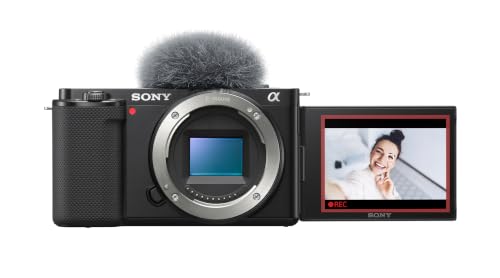

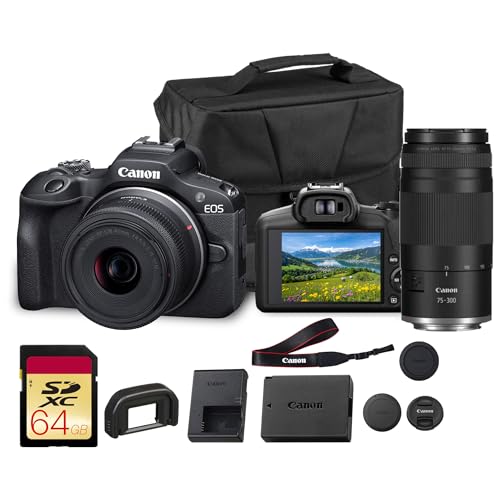
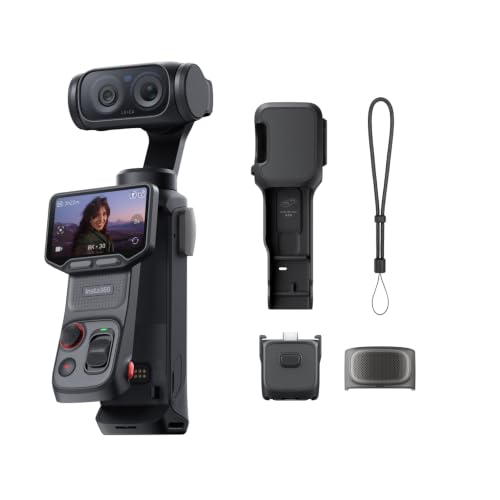
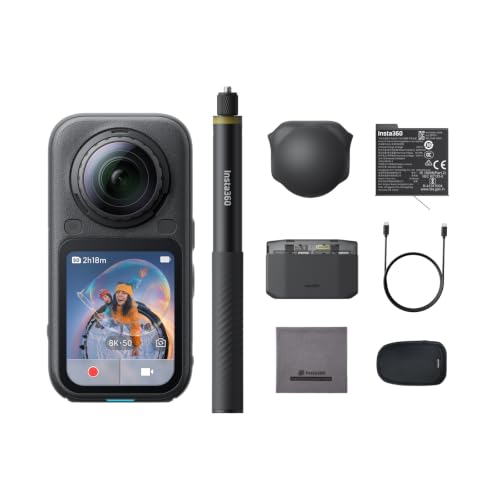
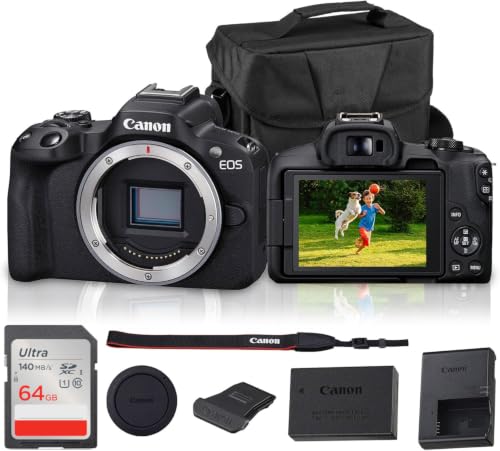
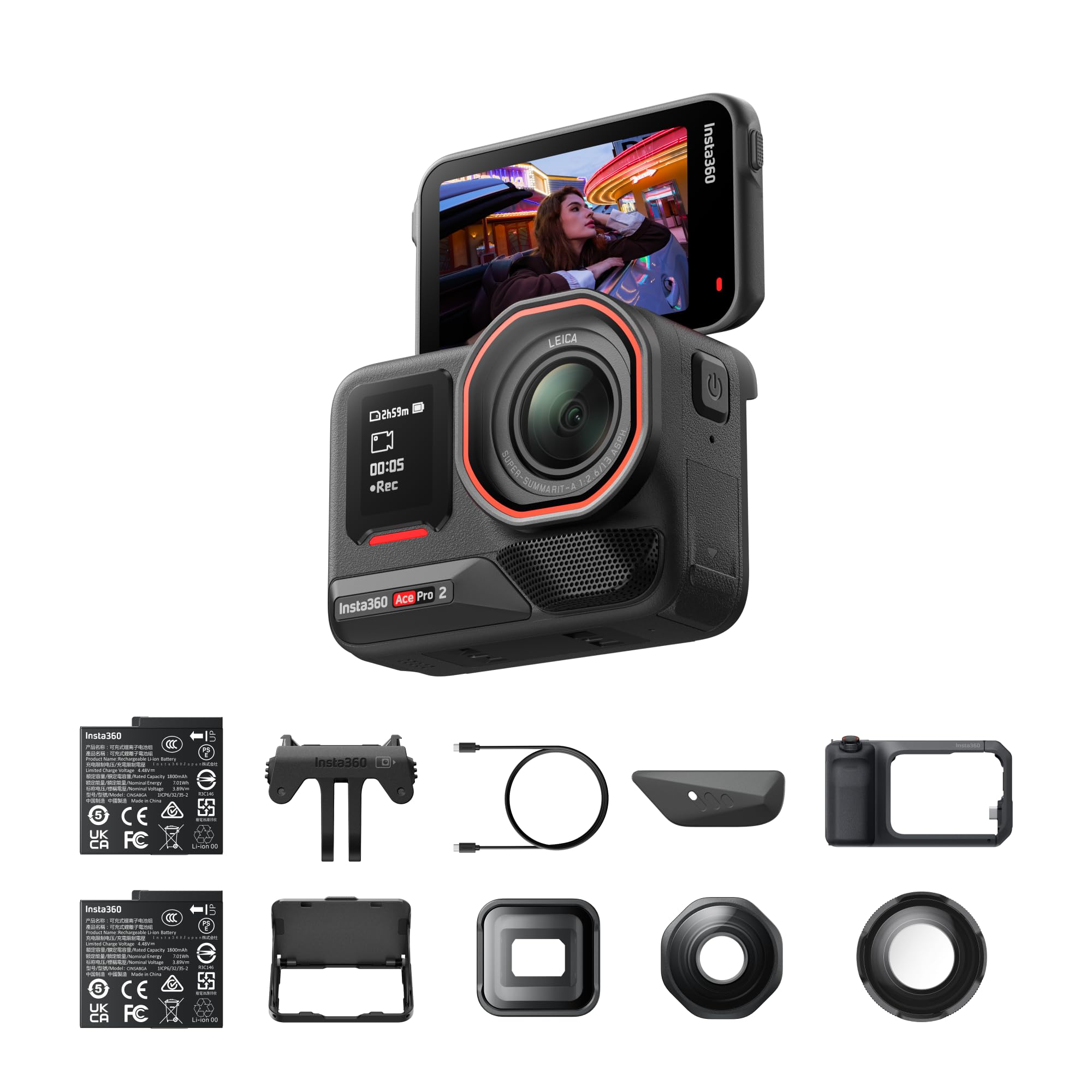


Who Should Buy a Camera Under $800?
Buy at this level if a phone feels limiting but a larger budget would sit unused. Your main subject should decide the format before price does.
New Photographers Who Want Room to Grow
Choose an interchangeable lens model with a clear menu, a secure grip and controls you can reach without hunting. You will learn exposure faster when dials stay visible. Start with the kit lens and add a second lens only after you know which focal lengths you miss.
Travelers Who Pack Light and Shoot All Day
Choose a compact body or a point and shoot model with optical zoom if a bag of lenses would stay at the hotel. A tilting screen helps at markets and viewpoints, and USB C charging lets you top up from a power bank. Weatherproof sealing matters more than extra modes on rainy trips.
Family Creators Who Share Photos and Video
Choose strong autofocus with face and eye detection, a screen that flips for group shots and a microphone input for school events. Image stabilization helps when you film while walking. Pick simple sharing to a phone, since clips that stay on a card rarely get watched.
What Your Money Gets You at Each Price Level
Judge each tier by the sensor and lens you gain rather than the badge on the box. If your ceiling is lower, see our guide to the best cameras under smaller budgets first.
Around $300 to $500: Fixed Lenses and Simple Controls
Expect point and shoot compacts, older entry models and basic action cameras here. You gain a real optical zoom and better handling than a phone, but sensors stay small and low light results soften quickly. This tier suits daylight travel and snapshots. If $800 feels high, see our guide to the best quality cameras under 200 dollars for a simpler start.
Around $500 to $650: Larger Sensors and Useful 4K Video
This level brings APS C sensors on many models, brighter kit lenses and 4K video that holds detail in good light. Autofocus tracks faces with more confidence, and controls grow without crowding the body. Buyers who print or crop will notice this step most.
Around $650 to $800: Faster Tracking and Brighter Lenses
Near the cap you find quicker bursts, more reliable subject tracking and kits with a brighter or longer lens. Screens and viewfinders improve, and weather sealed bodies appear more often. Spend here if you shoot sports, wildlife or dim rooms often.
Key Features to Compare
Compare features by the problem each one solves for you. Skip headline megapixel races, digital zoom claims and long lists of scene modes at this price.
Comparing One Inch, APS C and Full Frame Sensors
Sensor size shapes image quality more than megapixel count alone. A 1 inch sensor in a compact beats a tiny sensor for travel, while APS C gathers more light and gives shallower depth for portraits. Full frame bodies rarely fit this budget with a lens included, so judge total kit cost. Larger sensors also demand larger lenses.
Objective Lens Options and Optical Zoom
Your objective lens decides reach, brightness and how close you can focus. On compacts, compare optical zoom only, since digital zoom crops detail away. On interchangeable lens models, check the kit lens range and its widest aperture. A bright prime lens can transform indoor photos later, but a versatile zoom serves travel better at first.
Autofocus Speed and Image Stabilization
Autofocus speed decides whether a moving child or pet is sharp or blurred. Look for face and eye detection and a tracking mode that stays on the subject. Image stabilization in the body or the lens steadies slow shutter speeds for still subjects, but it cannot freeze motion. For action, shutter speed matters more than stabilization ratings.
Weatherproof Sealing and Everyday Durability
Weatherproof sealing uses gaskets around doors, dials and the lens mount to resist dust and light rain. It helps on hikes and beaches, but a sealed body needs a sealed lens for full protection. No camera at this price should be submerged unless it is a rated action model. Wipe moisture off before you open any door.
Battery Life and USB C Charging
Battery life varies widely, from about 250 shots per charge on some compact mirrorless models to about 800 shots on many DSLR models with a viewfinder. Screens and 4K video drain power fastest. USB C charging helps on trips, but a spare battery remains the surest fix for long days. Check whether the charger comes in the box.
Choosing by Camera Type and Main Use
Lists of best cameras under 800 often mix three formats in one price band, and each rewards a different habit. For a broader view, see our guide to the best digital cameras for how formats differ.
Best Video Cameras under 800
Judge 4K video quality, autofocus that stays smooth while recording and a microphone input before stills features. A screen that turns toward you helps solo filming, and a headphone socket on some models lets you check audio. Long clips also need good heat handling and large fast cards.
Best DSLR Cameras under 800 for Lens Choice and Battery Life
A DSLR gives you an optical viewfinder, long battery life and a deep supply of new and used lenses for the same mount. Bodies feel larger, which suits big hands, but video autofocus and size lag behind mirrorless rivals. Choose this route if stills come first.
Best Mirrorless Cameras under 800 for Size and Video
A mirrorless body is smaller, shows exposure in the electronic viewfinder and focuses video with the same system it uses for stills. That makes learning faster, since what you see matches the file. Battery life runs shorter, so price the next lens before you commit.
Budgeting for Cards, Batteries and Your Next Lens
The body is only part of the spend. Budget for fast memory cards, a padded bag, a spare battery and your next lens. A protection filter and a simple cleaning kit cost little and prevent common damage.
Warranties cover defects, not drops or water damage. Cards and batteries wear with use and need replacement over time. Keeping about $100 to $200 aside prevents a tight budget from stranding a good camera at home.
Common Mistakes to Avoid
Each mistake below costs money or quality that a short check would have saved.
- Paying for high megapixel counts while accepting a dim kit lens leaves indoor photos noisy and soft.
- Judging zoom by digital zoom numbers buys reach that crops detail instead of adding it.
- Buying a weather sealed body with an unsealed lens leaves the mount open to rain and dust.
- Spending the full $800 on the body leaves no budget for cards, a bag or a spare battery.
- Choosing the smallest body without holding it first leads to cramped controls you will avoid using.
Care and Maintenance for Your Camera
Wipe the body with a dry soft cloth after outings and use a blower on the lens glass before you touch it with cloth, since grit can scratch coatings. Keep the lens cap on in bags and store the camera in a dry place.
Change lenses with the mount facing down in a sheltered spot to keep dust off the sensor. If spots appear in every photo at the same place, use the cleaning mode built into the camera first and seek professional cleaning if spots remain.
Frequently Asked Questions
Can You Get a Good Camera for Under $800?
Yes, you can get a good camera for under $800 that covers family, travel and learning with ease. The newest generation is not required for that result. A prior generation kit on sale often leaves money for a brighter lens, which improves photos more than a newer body alone. Check current lens support before you buy an older kit.
What Camera Specs Matter Most for Beginners Buying Under $800?
For beginners, sensor size, a clear menu and reliable autofocus matter most under $800. Start there before burst rates or exotic video modes. A guided mode that explains settings on screen shortens the learning curve in the first months. Choose a kit you can operate with one hand on busy days.
Does a Higher Megapixel Count Mean Better Photos From a Camera Under $800?
No, a higher megapixel count does not by itself mean better photos under $800. Large prints and heavy crops use extra pixels, while most screen viewing does not. Pixel size and lens sharpness shape the result you actually see. If two kits tie on price, pick the better lens and keep the lower count.
How Much Should You Spend on Your First Camera Under $800?
Spend about $500 to $650 on your first camera under $800 and reserve the rest for support gear. That middle range buys a larger sensor without locking every dollar into the body. Lessons, a tripod or a brighter lens can follow once you see your early results and know what you lack.
Which Camera Type Is Better for Low Light Photos Under $800?
An interchangeable lens camera with an APS C sensor is better for low light photos under $800 than a small sensor compact. Pair it with a bright prime lens when you can, since the lens opening gathers the extra light. Brace against a wall before you add flash, which can flatten faces indoors.
Final Thoughts
Match sensor and lens to your main subject first, then let autofocus and size settle the tie. Use the product table above to confirm kit contents, battery claims and total price before you decide.
When you buy best cameras under 800 dollars with those priorities set, the camera becomes a tool you understand. Choose the kit you will carry often.

