Best Cameras Under 100 Dollars at Every Price: What Your Money Really Gets You in 2026
Disclosure: We may earn a commission when you buy through links on this page, at no extra cost to you. As an Amazon Associate I earn from qualifying purchases. Learn more

Compare types of cameras under 100 dollars, see what each budget level includes, and learn which features matter most for everyday photos and video.
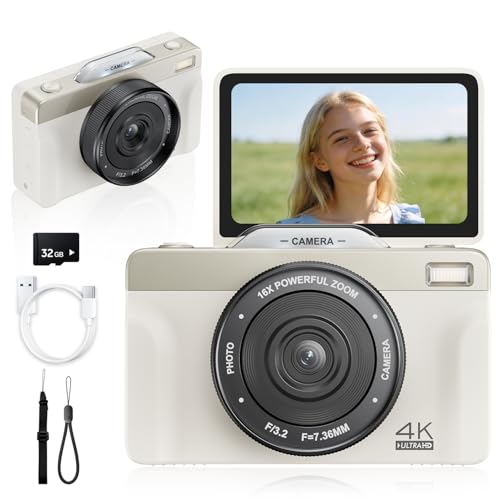
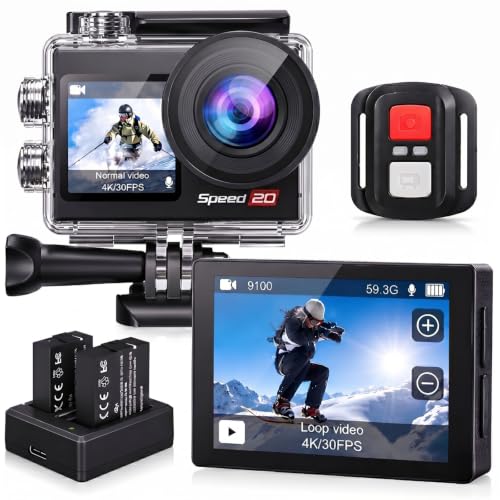
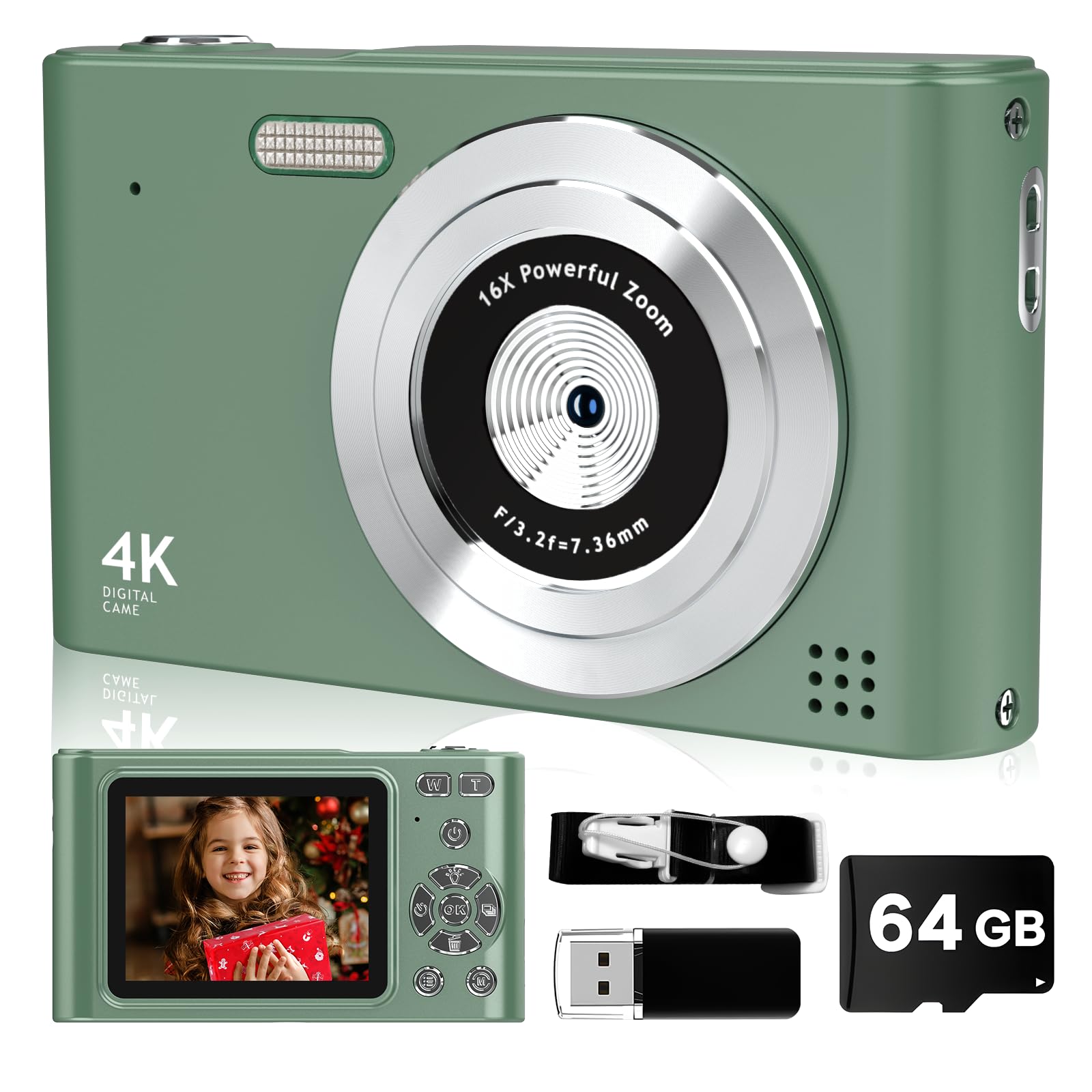
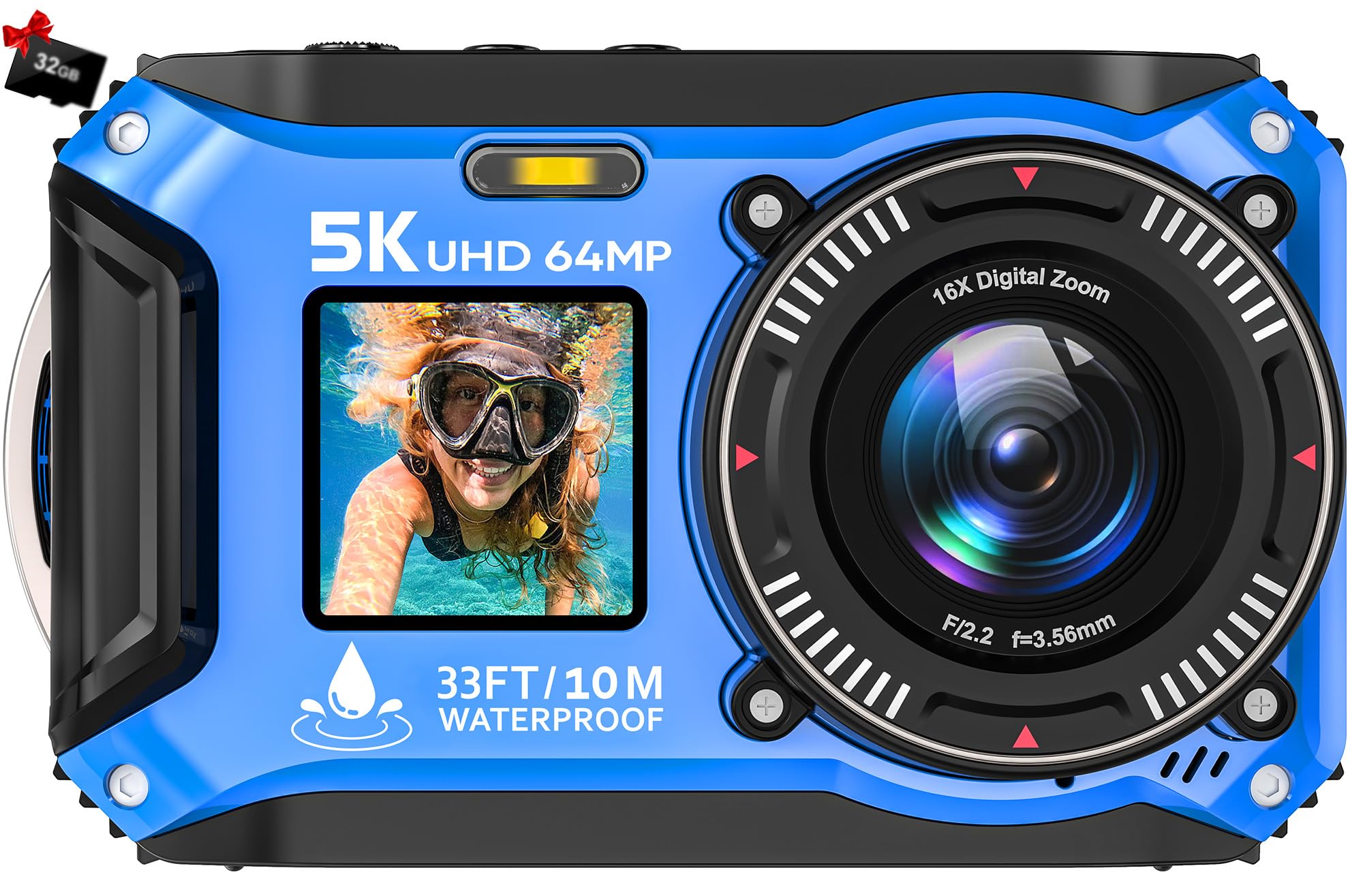
Spending less than 100 dollars on a camera means choosing trade offs with care, not chasing the longest spec list. The best cameras under 100 dollars still take clear daylight photos, record simple video, and feel easy to carry. The comparison table below groups the main options so you can match a type to your budget first.
This guide shows what each price level really includes, which features change your photos, and which claims matter less than they sound. It also counts the running costs outside the camera price.


Who Should Buy a Camera at This Price?
The happiest buyers start with one clear use, then pick features that serve it best.
Families Who Want a Simple Camera for Trips and School Days
You want a camera a child or grandparent can use without a lesson. Look for a clear auto mode, large buttons, and a screen you can read outdoors. A small point and shoot suits shared family use because it starts fast. Add a wrist strap and a padded case, since a shared camera gets dropped often.
Students and Casual Creators Who Need Basic Video
You need short clips for class projects or social posts, and your phone storage is already full. Steady 1080p video matters more here than a bold 4K video label, so check frame rate and sound in sample clips. A small tripod and a fixed wide view solve most framing problems for little money.
Walkers and Campers Who Want a Low Cost Backup
You want a second camera you will not worry about at the beach, on a trail, or in a glove box. Compact size, a tough shell, and controls you can use with gloves matter more than fine detail. For outdoor shooting that runs unattended, see our guide to the best trail cameras under 100 dollars.
Key Features to Compare
Spec sheets at this price stress big numbers that say little about quality. The five factors below shape your results far more.
Small Sensors and Honest Picture Quality
The sensor is the light sensitive chip behind the lens, and a larger sensor usually gathers light more cleanly than a smaller one of the same age. Most cameras under 100 dollars use a small sensor, often around 1/2.3 inch, so expect strong daylight results and softer indoor results. Megapixel counts can mislead you, because more pixels on a tiny sensor can add grain in dim light. Judge a camera by indoor sample photos.
Optical Zoom and Digital Zoom
Optical zoom moves lens elements to bring a subject closer while keeping full detail, while digital zoom crops and enlarges the middle of the image. A modest optical range, such as 4x to 8x, covers portraits, pets, and school stages. Digital figures like 16x sound generous but discard pixels, so prints shrink fast. For sports or wildlife, save for a higher budget.
Focus and Shake Control at This Price
Autofocus locks onto your subject before the shot, and at this price it works best with good light and a still subject near the center of the frame. Face detection helps with people, though it may hunt in dim rooms, so half press the shutter and let it settle. Image stabilization steadies small hand movements, with optical systems usually smoother than digital ones. Neither type can freeze a running child.
Video Modes and Sound
Many low cost cameras list 4K video, yet the footage may be upscaled, limited to a low frame rate, or shaky without support. Smooth 1080p at 30 frames per second usually looks better and creates smaller files. Most models here record sound only through a built in microphone. Test a short clip with speech when a store allows it, because muffled sound ruins sharp clips.
Screen, Battery, and Memory
You compose and review every photo on the rear screen, so a bright screen of about 2.7 to 3 inches matters on sunny days. Buttons should be large enough to press without looking down. Some models use a rechargeable pack, while others run on AA batteries that add ongoing cost, so price a spare first. Almost every model needs a separate memory card. For transfer options, see our guide to the best digital cameras under 100 dollars.
What Each Budget Level Actually Buys You
The best cameras under 100 dollars fall into three broad levels, and knowing what each level includes keeps you from paying top money for bottom level features.
About $40 to $60: Basic Cameras for Simple Snapshots
At about $40 to $60 you get a starter camera for daylight snapshots, kids practice, and party photos where the stakes are low. Expect a fixed or short zoom lens, basic auto exposure, and video suited to short clips. Screens are smaller and batteries drain faster, so carry spares when loss or damage is likely.
About $60 to $80: Stronger Everyday Compacts
At about $60 to $80 the lens, screen, and autofocus usually improve enough that family trips and school events look cleaner. You may gain a wider optical zoom, better face detection, and scene modes for snow and sunsets. Small gains in lens quality and battery life separate a camera you enjoy from one you leave home.
About $80 to $100: The Most This Budget Can Offer
At about $80 to $100 you reach the ceiling of this class, with the best screens, the steadiest video, and the fastest start up times the budget allows. Instant print and action style models sit here too. Before paying the top price, compare the next step up in our guide to the best cameras for under 200 dollars.
Choosing a Camera Type for Your Situation
Type matters as much as price, because each type spends the same budget in a different way.
best point and shoot cameras under 100 dollars
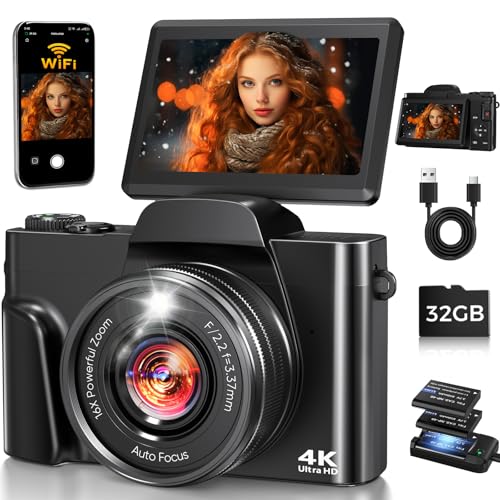
Point and shoot compacts are the default choice at this price because they balance stills, zoom, and ease in one pocket sized body. Judge them on lens range, screen brightness, and start up speed, since those traits decide most family and travel shots. If you mostly shoot people at arm length, choose a shorter zoom with a wider starting view.
Instant Print and Kids Cameras
Instant cameras turn each shot into a small print, which delights children and party guests but makes every mistake cost film. Kids cameras use thick shells and big buttons, accepting soft images as part of the deal. Choose instant print when the print is the point, and a kids model when safe handling matters more than detail.
Action and Water Resistant Cameras
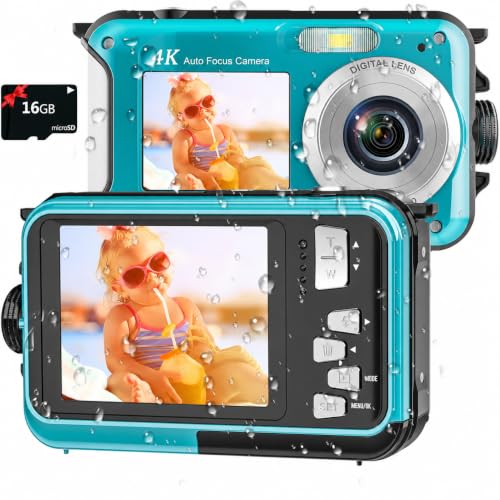
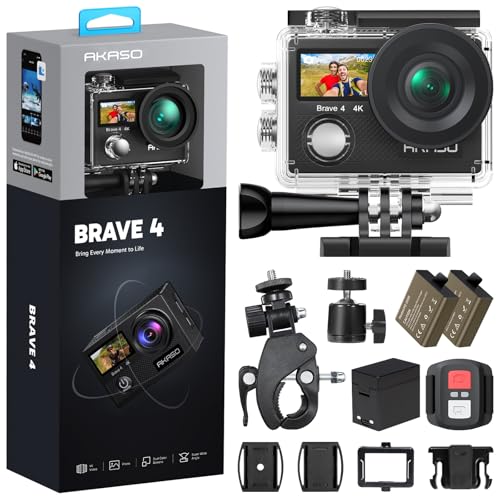
Action cameras use a very wide fixed lens, tough cases, and mounts for helmets, bikes, and boats, so they suit motion and scenery more than portraits. Only a few cameras at this price are truly weatherproof, and many water resistance claims cover splashes rather than full immersion, so read the depth limit in feet and rinse seals after salt water use.
Ownership Costs Beyond the Sticker Price
The camera price is only the first payment. A memory card, a spare battery, a case, and a strap commonly add about $20 to $50 in the first year. Instant print film costs far more over time, often around $1 per print. If the total climbs close to a higher class camera, see our guide to the best cameras under 500 dollars.
Common Mistakes to Avoid
- Choosing by megapixel count alone, so you end up with grainy indoor photos.
- Trusting a large digital zoom figure, so distant subjects turn soft when enlarged.
- Ignoring the cost of cards, batteries, and film, so the cheap camera becomes costly within months.
- Buying a water resistant model for deep swimming without checking its depth limit, so a flooded body ends the trip.
- Expecting phone beating low light results at this price, so evening events disappoint you.
- Skipping the return policy check, so you cannot exchange a camera whose buttons frustrate you.
Care and Maintenance
Clean the lens with a soft microfiber cloth, never a shirt hem that can drag grit across the glass. Keep the camera in a padded case, and store it dry with the battery removed if it will sit for months. Format the memory card in the camera after copying your files, and back up each card before reuse.
Frequently Asked Questions
Can you get a good camera under 100 dollars for everyday photos?
Yes, you can get a good camera at this price for daylight trips, family events, and school use. Good here means clear photos in decent light, not pro level detail. One point buyers miss is shutter delay on cheap models, so press early at parades and games.
Which camera features help most with low light photos under 100 dollars?
A wider lens opening, steady support, and flash control help most in low light at this price. Use a table or small tripod to hold the camera still, because a still camera gathers a cleaner image than a shaky one at a high sensitivity setting. Raise sensitivity only as far as you must, since each step adds grain. The flash softens when you step back.
What specs matter most for beginners choosing a camera under 100 dollars?
Lens range, screen clarity, and a plain auto mode matter most for beginners at this price. Start with those three, then check battery type and card cost so the camera stays affordable to run. Read the menu before you buy if you can, because large icons save frustration. Scene modes guide new users well.
Is a smartphone enough instead of a camera under 100 dollars?
A smartphone is enough for many people, and it wins on sharing speed and night processing. A separate camera earns its place when you want optical zoom, a device a child can use without your phone, or a battery that does not drain your calls. Look at your last fifty photos and ask which tool fits them better.
The Bottom Line
At this budget, the winning formula is a clear use, a lens and screen that serve that use, and honest expectations about light and motion. Spend near the top for family photos, and less for a child or a backup. The best cameras under 100 dollars are the ones you will carry often, so use the product table above to match a type to your plans.