
The Best Cameras List: Buying Guide and Camera Types Explained for 2026
Disclosure: We may earn a commission when you buy through links on this page, at no extra cost to you. As an Amazon Associate I earn from qualifying purchases. Learn more

Use this best cameras list buying guide to compare sensor size, autofocus, stabilization and price tiers so you can choose a camera with confidence.
Camera shopping lists can overwhelm you with dozens of models that differ in sensor size, lens mounts and video specs you may not need. A useful list should work the other way: it should start with how you shoot, then narrow the field to a few cameras that fit. This best cameras list guide explains the features that separate strong cameras from weak ones, compares the main camera types, and shows you how to read the comparison table below like a photographer rather than a spec sheet.
Whether this is your first dedicated camera or an upgrade from a phone, the decision steps below stay the same.



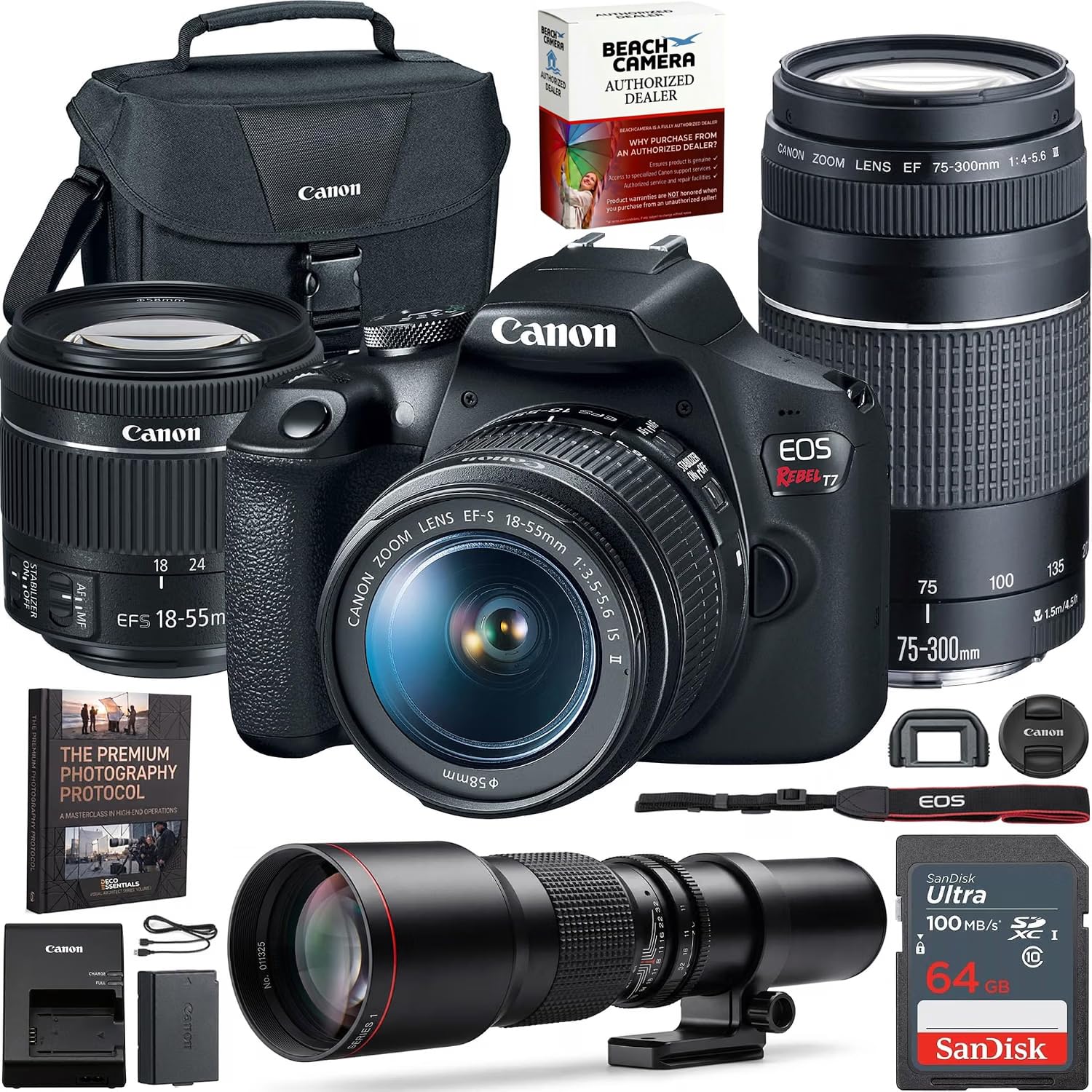
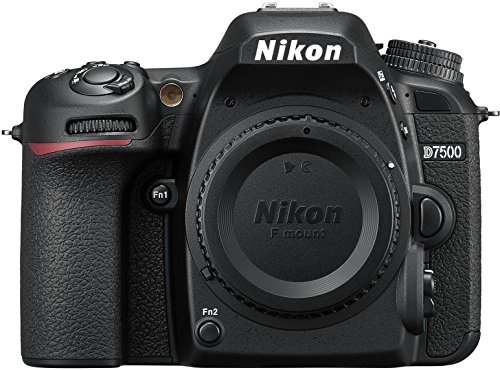


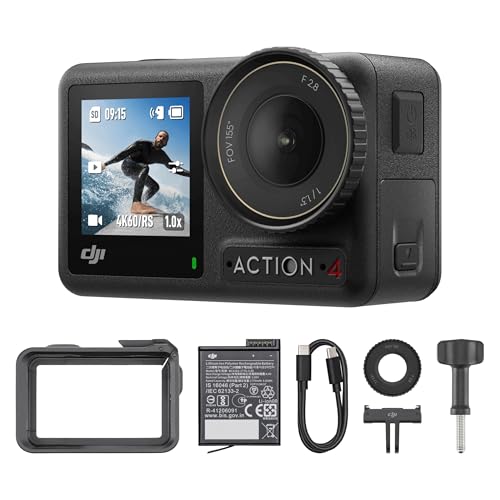

How to Use This List by Budget Tier
Instead of naming winners, use price tiers to set expectations. Each tier below describes the buyer it fits, the two strengths you gain, and the limit you accept.
Best Overall Tier
The overall tier, roughly about $700 to $1,500 for a body with a kit lens, fits most serious hobbyists. You gain a large APS C or entry full frame sensor, reliable eye autofocus, in body stabilization and strong 4K video. Photos hold up for printing and cropping, and the camera stays capable as your skills grow over several years. The limit is size and cost: these cameras are not pocket items, and good lenses add real money over time. If you shoot family, travel and some video every week, start here and buy lenses slowly.
Best Value Tier
Value cameras around $400 to $700 deliver most of the image quality of the tier above for everyday scenes. Sensors remain large, autofocus is quick, and kit lenses are sharper than their reputation suggests. You accept fewer video options, simpler controls with fewer custom buttons, and sometimes a smaller electronic viewfinder. For a first camera, this tier is often the smartest buy, because the money saved funds a second lens, a tripod or lessons, all of which improve your photos more than a pricier body would. Many readers browsing our guide to the best starter cameras land in this tier.
Best Premium Tier
Premium cameras above about $1,500 target working photographers and demanding enthusiasts. Full frame sensors, superb low light results, fast burst rates, dual card slots and weather sealing define the tier. Video tools expand to higher frame rates and professional color profiles. The strengths are real, but so are the costs of the lenses, batteries and storage that match this level. Choose premium when you shoot paid work, fast action or lots of night scenes, or when you already own lenses in the system. Otherwise the overall tier gives you most of the experience for far less.
How to Choose: Buying Guide for a Best Cameras List
This is the core of the guide. Work through each feature with your own shooting in mind, then check the product table above for models that match your answers.
Sensor Size and Image Quality
Sensor size is the single biggest driver of image quality. A 1 inch sensor suits compact cameras and beats any phone, APS C sensors balance quality and lens cost for most buyers, and full frame sensors give the best low light results and shallow depth of field. Megapixels matter less than marketing suggests: 24 megapixels is plenty for large prints, and more pixels can even hurt low light performance on small sensors. Judge cameras by sensor size first, lens quality second and megapixel count last, and your short list will improve immediately.
Low Light Performance
Low light performance decides how your indoor, evening and event photos look. Larger sensors and fast lenses with wide maximum apertures, such as f/1.8 or f/2.8, gather more light and keep ISO lower, which means less noise and cleaner detail. Useful ISO range tells part of the story, but real world results depend on stabilization too, since a steady camera allows slower shutter speeds for still subjects. If you shoot concerts, restaurants or family evenings, prioritize sensor size and a fast prime lens over zoom range. That pairing transforms dim scenes more than any setting.
Autofocus and Stabilization
Modern autofocus tracks eyes for people and animals, holds moving subjects and makes sharp photos far more likely, especially for beginners. Look for eye detection that works in both stills and video, and for subject tracking that survives a subject crossing the frame. Stabilization comes in two forms: in body systems that steady any lens, and lens based systems that steady the view. Either helps handheld shooting and video; both together help most. Test claims against your subjects, because a camera praised for landscapes may track running children poorly. Our guide to the best cameras for photography explains these systems in more depth.
Ease of Use for Your Skill Level
The best camera is one whose controls invite you to shoot. Beginners benefit from clear auto modes, a touchscreen that sets focus with a tap, and guided menus that explain settings in plain words. Growing photographers need quick access to aperture, shutter speed and ISO without menu diving, plus custom buttons they can assign. Phone app transfer matters for everyone, because photos you cannot share easily tend to stay on the card. Handle cameras in a store if you can: grip comfort and button placement decide whether a camera feels like a tool or a puzzle.
Battery Life and Charging
Battery ratings in shots per charge vary widely, from a few hundred on small mirrorless bodies to well over a thousand on larger ones. Mirrorless cameras use more power than older designs because the sensor and screen run constantly. USB C charging is a major convenience, letting you top up from a laptop or power bank between outings. Whatever you choose, budget for a spare battery from day one, because a dead camera at a family event is a needless failure. Cold weather drains batteries faster, so keep the spare warm in a pocket on winter shoots.
Size, Weight, and Ergonomics
Size decides whether the camera comes with you. A compact you carry daily will capture more good photos than a large kit left at home, even if its sensor is smaller. Travelers should weigh the full kit, body plus lenses plus bag, not the body alone. Ergonomics matter on long days: a deep grip, a tilting screen for low and high angles, and a viewfinder you can use in bright sun all reduce fatigue and missed shots. If you shoot video while walking, add grip comfort and stabilization to your test list before sensor bragging rights.
Types of Cameras
Action Cameras
Action cameras are tiny, rugged and waterproof, built for sports, travel and mounting on helmets, bikes and boats. Stabilization is their superpower, smoothing footage that would shake on any other camera. Image quality trails larger cameras and controls are minimal, but for movement and water they have no rival. Choose one as a second camera for adventure, not as your only camera for family photos.
Mirrorless Cameras
Mirrorless cameras are the mainstream choice now, pairing interchangeable lenses with electronic viewfinders that preview exposure before you shoot. They span every budget, focus fast and shoot excellent video. Size stays moderate, though pro bodies rival older DSLR bulk. If you want one system that grows with you from first camera to serious hobby, mirrorless is the default answer, and it dominates any current best cameras list for good reason.
Point and Shoot Compacts
Compacts put a zoom lens and a decent sensor in a pocket sized body with no lens changes. They beat phones on zoom reach and handling, and their simplicity suits travelers and grandparents alike. You accept a fixed lens and smaller sensors than mirrorless models. For many families, a good compact remains the easiest step up from phone photography. Readers weighing that step often compare notes in our guide to the best digital cameras across formats.
DSLR Cameras
DSLR cameras use a mirror and optical viewfinder, giving a bright, lag free view and outstanding battery life. They are larger and their video autofocus lags mirrorless rivals, but used prices are attractive and lens libraries are huge. A DSLR still suits stills focused buyers on a budget who value handling and endurance. New development has slowed, so buy a DSLR for value, not for the latest features.
Choosing Cameras for Your Situation
Best Film Cameras List
Building a best film cameras list follows different rules. Judge a film camera by mechanical condition, light seal health and lens availability, because age matters more than launch specs. Decide between 35 mm for cheap film and fast handling, and medium format for larger negatives and slower, deliberate shooting. Budget for film, developing and scanning as ongoing costs, and buy from sellers who describe shutter accuracy honestly. A serviced body from a reputable seller beats a bargain with sticky shutter speeds.
Care and Maintenance Tips
- Use a lens cloth, not your shirt. Dedicated cloths avoid the grit that scratches coatings and quietly degrades contrast.
- Carry a spare battery. A charged spare in your bag turns a dead camera from a ruined outing into a ten second swap.
- Store in a dry, padded bag. Humidity feeds fungus on lens elements, so store gear dry and use silica packs in damp climates.
- Update firmware for autofocus improvements. Makers often improve tracking and add features free through firmware, so check a few times a year.
- Format cards in camera. Formatting in the camera you shoot with prevents file errors that a computer format can introduce.
Cameras: Your Questions Answered
What does optical zoom mean on a camera?
Optical zoom changes focal length with moving lens elements, so detail stays full at every setting. A 3x zoom reaches three times farther than its widest view without cropping. Digital zoom simply enlarges the center of the image and loses detail, which is why optical range is the number to trust when comparing compact cameras. For interchangeable lens cameras, zoom range depends on the lens you mount, not the body.
Which is better for low light, a bigger sensor or a faster lens?
Both help, and together they help most. A bigger sensor reduces noise at high ISO for any lens, while a faster lens with a wider aperture lets in more light so ISO can stay lower. If budget forces a choice, a midsize sensor with a fast prime lens often beats a large sensor with a slow kit zoom indoors. For moving subjects in dim light, prioritize the fast lens, because stabilization cannot freeze motion.
How much should I spend on my first camera?
Spend about $400 to $700 for a first interchangeable lens camera with its kit lens. That range buys a large sensor, good autofocus and room to grow, without the pressure of protecting a very expensive body while you learn. Reserve part of the budget for a memory card, a spare battery and a bag. If your total is under about $400, a good compact or your phone plus a small tripod may serve you better for now.
What specs matter most for beginners?
Sensor size, autofocus reliability and simple controls matter most. A beginner gains more from a camera that focuses accurately and feels easy than from high resolution or fast burst rates. A tilting touchscreen, clear auto mode and good phone transfer keep the learning curve friendly. Ignore extreme video specs unless you plan to film often. As skills grow, lens choice becomes the feature that matters, which is why a system with affordable lenses is a smart start.
Is a smartphone enough instead of a camera?
For casual sharing, yes, a modern smartphone is enough, and it is always with you. A dedicated camera pulls ahead for zoom reach, low light detail, printed photos, fast action and any shooting where you want manual control. The honest test is your frustration: if your phone keeps missing the shots you care about, a camera will fix that. If your phone photos already please you, spend the money on trips where you will take more of them. For output focused comparisons, see our guide to the best quality cameras at each budget.
Final Thoughts
Build your short list by sensor size, autofocus and the lenses you can afford, then let size and budget make the final call. Types matter less than fit: the camera you carry is the camera that performs. Check the product table above once more with those priorities in hand, and the best cameras list turns from a wall of models into two or three clear choices.


