
Best Cameras to Shoot Music Videos: First Steps for 2026
Disclosure: We may earn a commission when you buy through links on this page, at no extra cost to you. As an Amazon Associate I earn from qualifying purchases. Learn more

Shopping for cameras to shoot music videos? Learn sensor, video, low light and stabilization basics, compare camera types, and avoid first time mistakes.
Choosing best cameras to shoot music videos for the first time can feel confusing, because the camera world is full of terms that sound technical and prices that jump around a lot. This guide starts with the basics, explains the specs that matter for music videos in plain language, and helps you match a camera type to the way you plan to film. The comparison table below gives you a quick side by side view while you read.
You do not need the most expensive camera to make a good looking music video. You need a camera that handles motion smoothly, keeps the performer in focus, records clean sound or accepts an external microphone, and works in the lighting you actually have. Keep those four needs in mind as you compare options, and you will avoid paying for features you will never use.




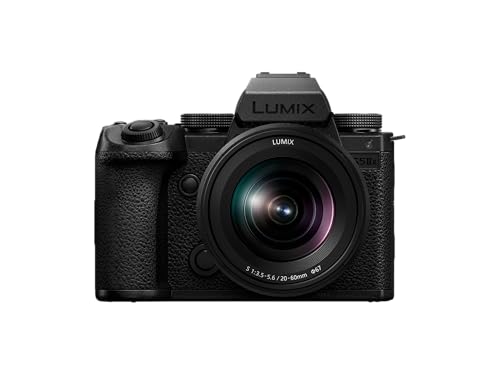


Cameras Shoot Music Videos 101: The Basics
A camera for music videos is any camera that can record moving pictures with steady focus, smooth motion, and usable sound while a performer moves, dances, or plays an instrument. Unlike a still photo camera used only for portraits, a video camera must keep up with movement for minutes at a time without hunting for focus or dropping frames. That is why video features such as continuous autofocus, stabilization, and a microphone input matter more here than they do for casual snapshots.
Most music video cameras fall into a few broad groups. Compact cameras are small and simple, with a fixed lens and automatic settings that suit a beginner. Interchangeable lens cameras let you swap lenses for wide room shots or close performer shots, and they give you more control over depth of field.
Action cameras are tiny and rugged, and they suit fast movement and unusual angles, though their small sensors struggle in dim rooms. Vlogging cameras sit between these groups, with a flip screen so you can see yourself while filming and a design built around handheld use.
When you compare these groups, think about where you will film most often. A bright outdoor location forgives a smaller sensor, while a dim club or living room rewards a larger sensor and a fast lens. A single performer in one room needs less reach than a band spread across a stage. Write down your usual location, your lighting, and how much you plan to move while filming, then judge every camera against that short list.
Key Specs Explained in Plain English
Sensor Size and Image Quality
The sensor is the part of the camera that captures light, and larger sensors generally capture cleaner images with less noise in dim light. Common sizes run from small sensors in compact and action cameras, through 1 inch sensors, up to APS C and full frame sensors in larger cameras. A larger sensor also makes it easier to blur the background behind a performer, which can look polished in a solo performance video. Do not judge a camera by megapixels alone, because a high megapixel count on a tiny sensor can still look noisy in low light, while a modest count on a larger sensor can look clean and detailed.
Video Capabilities
Look for the resolution and frame rate the camera can record, such as 4K at 30 frames per second or 4K at 60 frames per second for smoother motion. Higher frame rates help with dance moves and fast gestures, because each second of video holds more individual frames. A log picture profile records a flatter image that gives you more room to adjust color later, though it needs editing work before it looks finished. A microphone input matters a great deal for music, since built in microphones often pick up room echo and handling noise, while an external microphone placed closer to the sound source gives you a cleaner track.
Low Light Performance
Low light performance describes how clean the image stays when the room is dim, and it depends on sensor size, lens speed, and how far you push the ISO setting. ISO is a sensitivity control: raising it brightens a dark scene, but pushing it too far adds grain and color noise. A fast lens, described by a low f number such as f1.8, lets in more light than a slow lens, so it helps in clubs, bars, and evening shoots. If you film indoors often, give low light ability real weight in your decision, and test how the camera looks at the ISO values you would actually use rather than trusting a headline number.
Size, Weight, and Ergonomics
A camera you enjoy holding will get used more than a heavier camera that stays in its bag, so size and grip matter for long shoots. A compact body suits travel and quick handheld shots, while a larger body often gives you a better grip, larger buttons, and room for a bigger battery. Think about how long you film in one session and whether you will mount the camera on a tripod, a gimbal, or hold it by hand for an hour. A flip screen helps when you film yourself, because you can check framing and focus without guessing, and a touch screen can make focus changes faster during a take.
Autofocus and Stabilization
Autofocus keeps the performer sharp as they move toward and away from the camera, and eye autofocus is especially useful because it tracks a face even when the performer turns or dances. Test how smoothly focus shifts, because focus that jumps or pulses will distract viewers from the music. Stabilization reduces shake from handheld filming, and it comes in two main forms: stabilization built into the camera body or lens, and stabilization from a separate gimbal that holds the camera steady. Built in stabilization helps with small shakes, while a gimbal gives you smooth walking shots, so your choice should match how much you move during a shoot.
Rookie Mistakes to Avoid
- Buying for resolution alone: a 4K label does not guarantee clean low light images, smooth focus, or good sound, so check those factors before you decide.
- Ignoring sound: viewers forgive a slightly soft image far more easily than they forgive muddy or echo filled audio, so budget for a microphone or a recorder.
- Skipping a lighting plan: even a good camera struggles in a dark room, so plan one or two simple lights before you blame the camera.
- Forgetting storage and batteries: video files are large and batteries drain fast during long takes, so carry spare cards and at least one spare battery.
- Overlooking the edit: log footage and very high frame rates need more computer power and editing time, so match your recording settings to the editing setup you actually own.
Getting Started: Setup and First Use
When you first unbox a camera, charge the battery fully, format the memory card in the camera, and set the date and time so your clips sort correctly later. Then set a sensible starting point: 4K at 30 frames per second for most music videos, continuous autofocus with face or eye tracking on, and stabilization on for handheld work. Record a short test clip in the room where you plan to film, play it back on a larger screen, and check focus, exposure, and sound before the real shoot day.
Build a small habit kit for every shoot. Use a lens cloth, not your shirt, to clean the front lens element, because shirt fabric can smear or scratch the coating over time. Carry a spare battery, a spare card, and a small light you can aim at the performer if the room turns out darker than expected. Check your microphone connection with headphones before you roll, and clap once on camera at the start of each take so you can line up separate audio easily in editing.
Your Questions Answered
Which camera is better for low light music videos?
A larger sensor camera with a fast lens is usually better for low light music videos, because it gathers more light and keeps noise lower at higher ISO values. Look for a camera with a 1 inch sensor or larger, a lens with an f number around f1.8 to f2.8, and clean results at the ISO you plan to use. Add one simple light aimed at the performer as well, since even a strong low light camera benefits from a little extra light on the face, and that combination beats relying on ISO alone.
What focal length should a beginner choose for music videos?
A zoom lens that covers a wide to short telephoto range, such as about 24 mm to 70 mm in full frame terms, is a flexible starting point for music video beginners. The wide end captures a whole room or a small group, while the longer end isolates a single performer without forcing you to stand in the middle of the action. Prime lenses with a single focal length can look sharper and gather more light, but they force you to move your feet to change framing, which is harder during a live take.
How much should I spend on my first music video camera?
Most first time music video makers do well with a budget of about $400 to $900 for the camera body and a basic lens, plus a modest amount for a microphone, a card, and a spare battery. Spending less can still work outdoors or in bright rooms, but very cheap cameras often lack a microphone input and struggle in dim light. Spending far more buys better low light quality and more control, yet that quality only shows if you also learn lighting, sound, and editing.
Is a smartphone enough instead of a dedicated camera?
A recent smartphone can be enough for simple music videos, especially outdoors or in bright rooms, because its video quality, stabilization, and editing apps have improved a great deal. Its limits show up in dim rooms, where small sensors add noise, and in sound, where built in microphones pick up room echo. A dedicated camera earns its place when you need a microphone input, a larger sensor for low light, interchangeable lenses for different looks, or long recording sessions without overheating, so judge the phone against those four needs.
What specs matter most for beginners?
Beginners should weigh continuous autofocus, stabilization, a microphone input, and usable low light quality above headline resolution or megapixel counts. Those four specs decide whether your performer stays sharp, your handheld shots look steady, your sound stays clean, and your indoor footage stays usable. Battery life and simple controls matter too, because a camera that dies mid take or buries key settings in menus will frustrate you on shoot day. Resolution still matters, but 4K at 30 frames per second is a solid baseline for most first projects.
Wrapping Up
The best choice for a first music video camera is the one that fits your usual location, lighting, and movement style while covering the four essentials: reliable autofocus, useful stabilization, a microphone input, and decent low light quality. Compare types side by side, weigh sensor size and lens speed for your rooms, and keep some budget aside for sound, storage, and light. If you want a broader view of related options, see our guide to the best video cameras for music videos, our guide to the best cameras for recording music videos, our guide to the best cameras for filming music videos, and our guide to the best point and shoot cameras for video.
Start with a midrange camera, test it in your real filming room, and learn lighting and sound alongside the camera itself. Your first videos will teach you which limit matters most, whether that is low light, focus, sound, or battery life, and your next upgrade can target that exact limit. For a final reminder of the key point, best cameras to shoot music videos are the ones that stay sharp, steady, and clean sounding in the rooms where you actually film, so check the product table above before you order.

