
Best 4K Cameras for Music Videos: Matching the Right Model to Your Routine for 2026
Disclosure: We may earn a commission when you buy through links on this page, at no extra cost to you. As an Amazon Associate I earn from qualifying purchases. Learn more

Best 4k cameras for music videos, compared by sensor size, lens options, low light, autofocus and audio, from indie shoots to polished productions.
Music videos put unusual demands on a camera: dim stages, flashing lights, fast movement, shallow depth of field, and long takes. The best 4k cameras for music videos combine a large sensor, strong autofocus, flexible lenses, and reliable recording so you can focus on the performance. This guide explains the features that matter and the camera types to consider, from compact vlogging bodies to full frame mirrorless cameras. The product table below lists current models to compare as you read.
Start with your budget and your style of shoot, then match the camera to the lights, locations, and crew you work with.
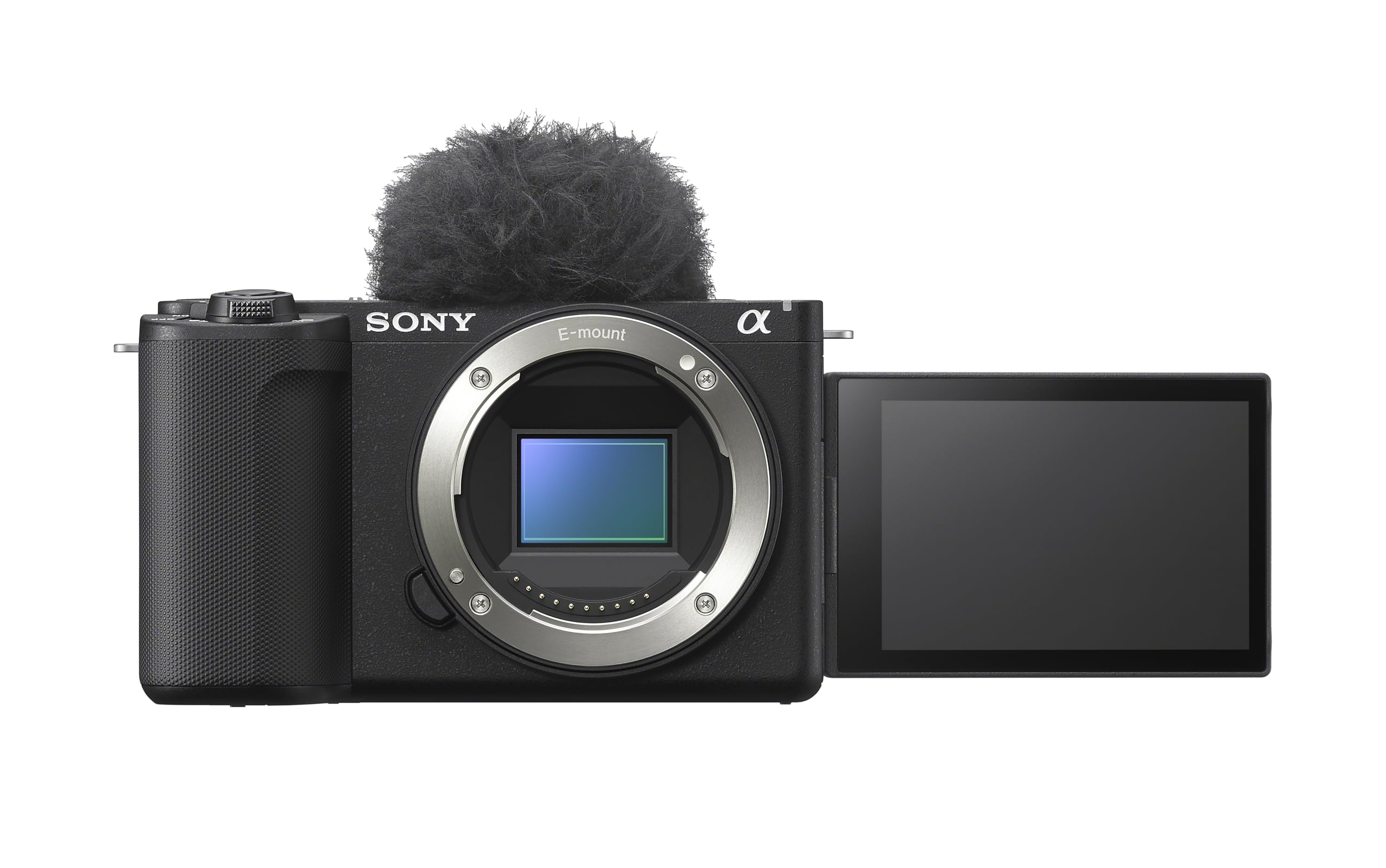


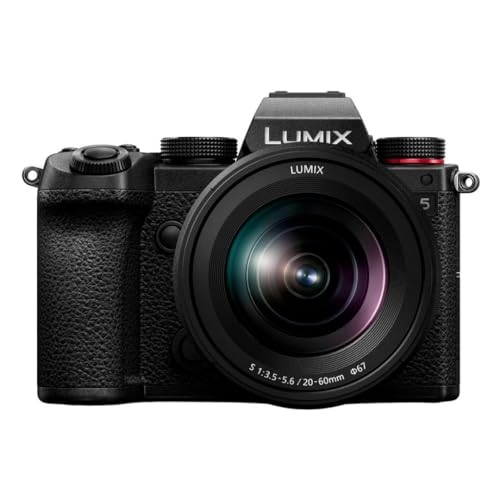
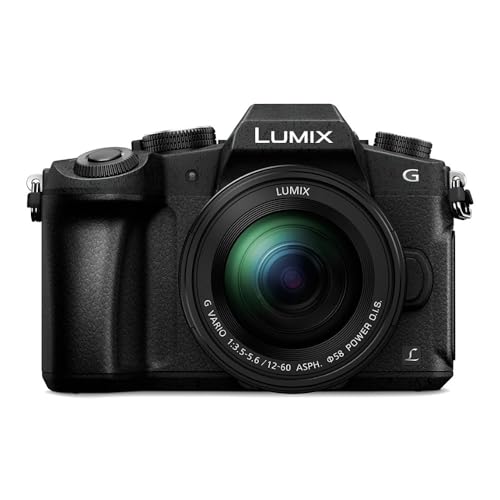

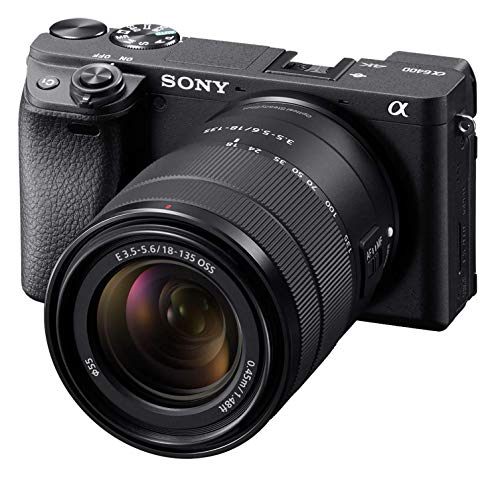


What the Best 4K Cameras for Music Videos Offer
Low Light Performance
Clubs, stages, and night exteriors are dark, so sensor size and lens speed matter. Larger sensors, such as APS C and full frame, gather more light and produce cleaner footage at high sensitivity settings. Pair them with lenses that have a wide maximum aperture, like f/1.8 or faster.
Cinematic Look and Shallow Depth of Field
The soft, blurred background many music videos use comes from a big sensor and a fast lens. A camera with interchangeable lenses gives you that look, and also lets you switch between wide shots and close portraits.
Autofocus and Tracking
Performers move constantly. Reliable face and eye tracking keeps the singer sharp even when they walk toward the camera. For planned shots, manual focus gives you control for creative focus pulls.
Frame Rates for Slow Motion
Slow motion is a staple of music videos. Look for 4K at 60 frames per second, and 1080p at 120 frames per second for dramatic slowdowns. Check whether higher frame rates crop the image.
Color Profiles and Dynamic Range
A log profile records a flat image with more room for color grading. This helps when you want a consistent look across several cameras or scenes. It requires some color grading skill, so beginners may prefer a good standard profile.
Audio and Sync
Music videos often use a playback track, so the camera audio is mostly a reference for syncing. A microphone input still helps for behind the scenes footage and interviews.
Camera Types to Consider
Mirrorless Cameras
Mirrorless cameras are the most popular choice. They offer large sensors, interchangeable lenses, strong autofocus, and a wide price range. Models from Sony, Canon, and Panasonic are common among independent filmmakers.
Vlogging and Compact Cameras
Compact cameras with a flip screen are light and simple. They work for behind the scenes content, social clips, and low budget shoots. Their smaller sensors and fixed lenses limit low light and depth of field.
Action Cameras
Action cameras are useful as secondary angles. They are rugged, wide, and easy to mount on a bike, a car, or a stage rig. They add energy to a cut but do not replace a main camera. For related options, see our guide to the best cameras with 4k video.
Choosing by Budget
Under About $800
Entry level mirrorless bodies and creator focused cameras work well here. You get a decent APS C or Micro Four Thirds sensor, 4K recording, and a flip screen. Plan to add one fast prime lens, because the kit lens will struggle in a dark venue.
About $800 to $1,800
This tier brings better autofocus, 10 bit recording on some models, stronger stabilization, and more reliable heat handling for long takes. It suits independent artists and small crews who shoot regularly.
Above $1,800
Full frame bodies and advanced video cameras in this range add excellent low light results, more codec options, and professional connections. They suit shoots where lighting is limited or where footage will be color graded in detail.
Planning the Shoot
Before you buy, list the locations you will shoot and how much light you can control. A bright warehouse and a dim club call for different cameras and lenses. Count how many angles you want, since a second inexpensive camera or an action camera can double your coverage. Think about stabilization too: a camera with good in body stabilization and a lightweight gimbal can create smooth moving shots without a large crew.
Finally, plan storage and editing. 4K footage from several cameras fills cards and drives quickly, and your computer needs enough power to edit it smoothly. Proxy files and fast external drives keep the workflow manageable.
Accessories That Matter
Good results depend on more than the body. A fast prime lens, an extra battery or two, fast memory cards, and an external light improve results more than a more expensive body. A small gimbal or tripod adds smooth movement. Use an ND filter outdoors so you can keep a wide aperture in daylight.
For more ideas on gear and workflows, see our guides to the best cameras for recording music videos and the best video cameras for music videos.
Common Mistakes to Avoid
- Choosing by resolution alone and ignoring sensor size and lens speed.
- Skipping lenses, so a good camera is stuck with a slow kit lens in a dark venue.
- Forgetting the recording limits and overheating on long takes.
- Buying too few batteries and memory cards for a full shoot day.
- Not testing slow motion modes, which sometimes crop the image.
Tips to Get the Most From Your Camera
- Shoot at 24 or 30 frames per second for a cinematic look and 60 or 120 for slow motion.
- Use a shutter speed about double the frame rate to keep natural motion.
- Record in the highest quality your cards can handle.
- Keep firmware up to date and clean the lens before each shoot.
- Plan shots in advance with a shot list that matches the song structure.
Frequently Asked Questions
What camera features matter most for music videos?
Sensor size, lens options, low light performance, autofocus, and slow motion frame rates matter most.
Is a smartphone enough for a music video?
Phones can shoot good video in daylight, and many artists use them. A dedicated camera gives better low light results, depth of field, and lens options.
Do I need a full frame camera?
No. APS C and Micro Four Thirds cameras give excellent results at lower prices. Full frame helps in very dark venues.
How much should I spend on a first camera?
Many creators start between $700 and $1,500 for a body and a fast lens, then add accessories as they learn.
Should I rent or buy?
If you shoot occasionally, renting a higher end camera for a project can be more affordable. If you shoot often, owning gives you time to learn the camera.
Wrapping Up
Match the camera to your venue and budget, favor a large sensor and fast lenses, and plan your accessories. Use the product table above to compare current models. The best 4k cameras for music videos give you the low light quality and creative control to make the performance look great. For more on gear, see our guides to the best cameras to shoot music videos and best cameras for filming music videos.


