
Best Cameras for Filming Music Videos: Every Type Explained Side by Side in 2026
Disclosure: We may earn a commission when you buy through links on this page, at no extra cost to you. As an Amazon Associate I earn from qualifying purchases. Learn more

Compare camera types for music videos, from compact cameras to mirrorless and action models, and learn which features matter for light, movement, and sound.
Picking the best cameras for filming music videos feels confusing because every type promises great footage, yet each one handles light, movement, and sound very differently. The comparison table below sets the main types side by side, so you can match a camera to your shoot instead of buying on a single spec.
A music video shoot is a demanding test: performers move, lights change color and brightness, and the camera often runs for long takes in dim rooms. The right choice balances sensor performance in low light, autofocus that tracks a moving performer, stabilization for handheld shots, and audio options that keep the track clean. This guide compares each type honestly, then walks through the features that matter most for this exact job.


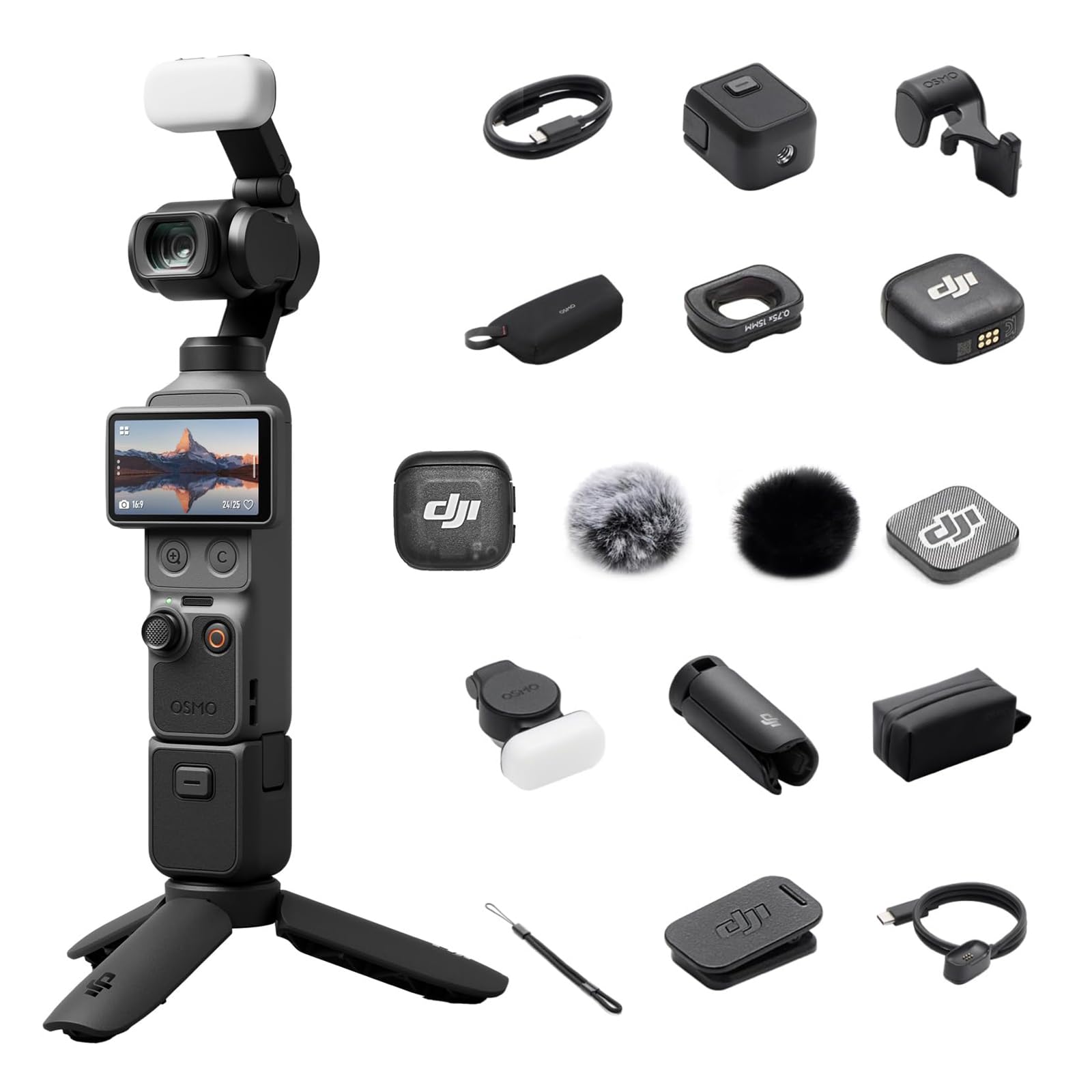
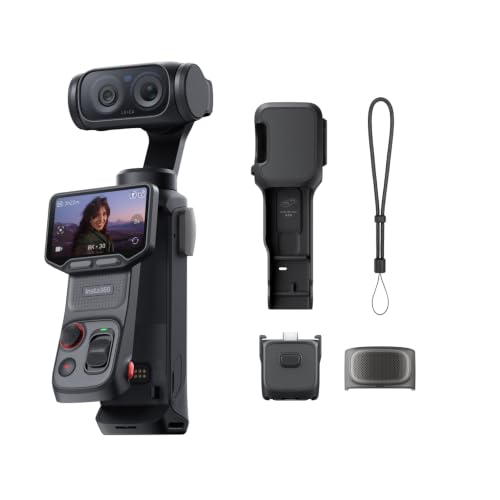
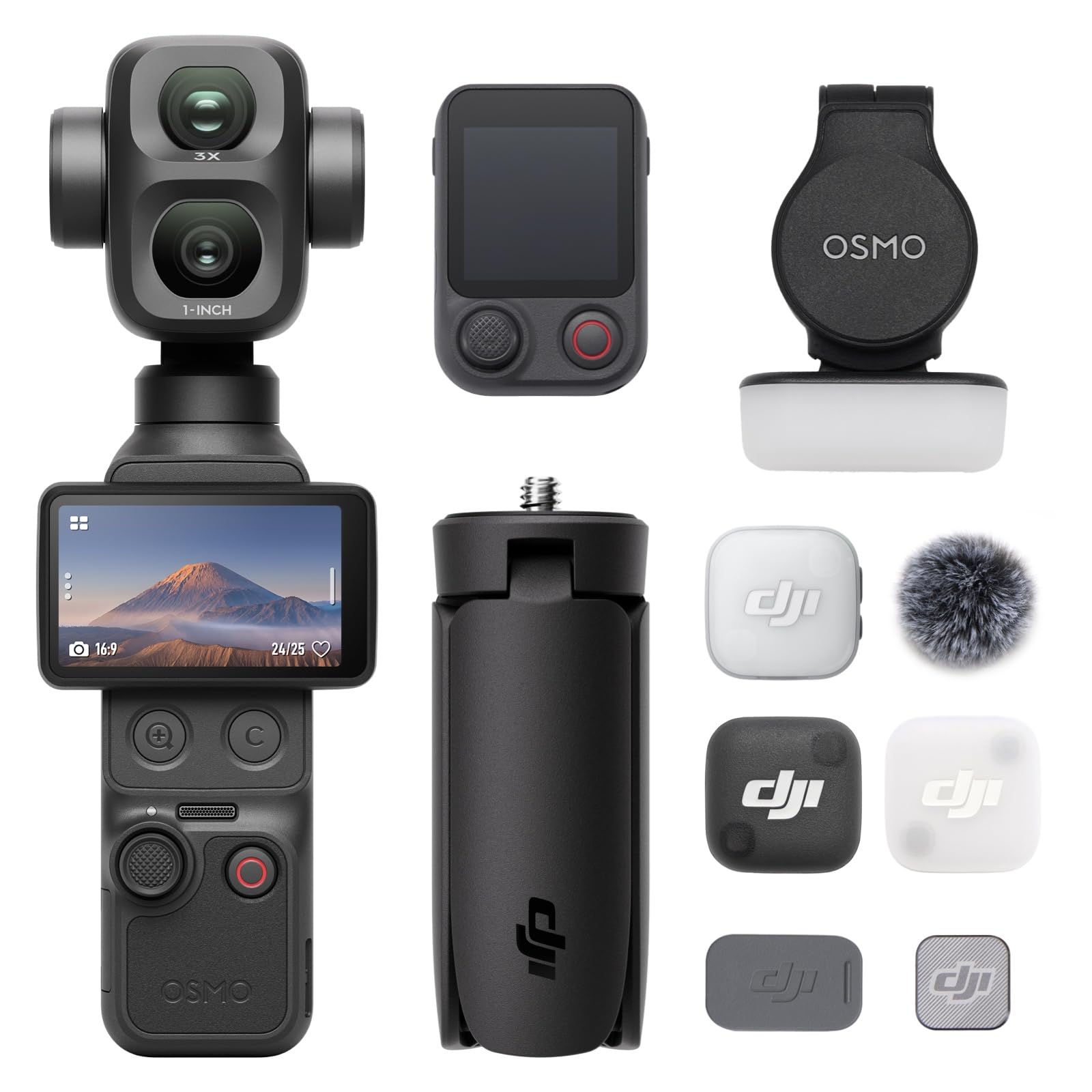
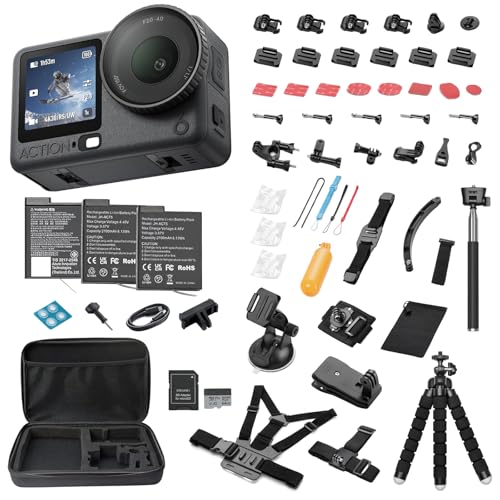
Types of Cameras Compared
Three types cover most music video work, and each one earns its place for different reasons. The table below gives a quick overview, and the sections that follow explain how each type behaves on a real set.
| Type | Best For | Strengths | Limits | Typical Price |
|---|---|---|---|---|
| Point and Shoot Compacts | Simple shoots and tight budgets | Easy to carry and use | Smaller sensor, weaker low light | around $400 |
| Mirrorless Cameras | Polished, flexible productions | Large sensor, lens choice, strong video | Higher cost, more gear to manage | about $900 to $2,000 |
| Action Cameras | Bold angles and movement | Tough, tiny, wide view | Weak low light, limited zoom | around $350 |
Point and Shoot Compacts
A compact camera works well when the shoot is simple, the crew is small, and the camera must stay light and unobtrusive. You get a fixed lens, straightforward controls, and footage that is ready to share with little grading, which suits lyric videos, rehearsal clips, and social cuts. The smaller sensor struggles sooner in dim clubs and colored stage light, so plan extra lighting or accept more noise in shadows. For a first video on a tight budget, a compact keeps the focus on performance and editing rather than on managing a full rig.
Mirrorless Cameras
A mirrorless camera is the most flexible choice for a polished music video, thanks to a larger sensor, interchangeable lenses, and strong video features such as log profiles and reliable eye tracking. You can move from a wide establishing shot to a tight closeup by swapping lenses, and low light footage stays cleaner than on smaller sensor types. The tradeoff is cost and complexity: lenses, batteries, cards, and stabilization add up, and the camera rewards a shooter who knows exposure and focus well. For a closer look at dedicated video models, see our guide to best video cameras for music videos for shoots built around video first.
Action Cameras
An action camera earns its place with angles no larger camera can reach: mounted on an instrument, worn by a performer, or placed low on a stage floor. The wide view and strong stabilization suit dance sequences and high energy cuts, and the tough body shrugs off bumps and splashes. Low light is the weak point, since the small sensor and wide lens gather less light, so action footage shines brightest in well lit scenes or as short accent clips. Use it as a second angle beside a main camera, and your edit gains energy without asking one small camera to carry the whole video.
Point and Shoot Compacts vs Mirrorless Cameras: Which Should You Choose?
Choose a compact when simplicity, size, and budget lead the decision, and choose mirrorless when image quality, low light, and lens choice lead instead. Compare them on five points: low light performance, depth of field control, autofocus tracking, audio inputs, and total kit cost, where mirrorless wins the first four for serious work while compacts win on ease and price. If you plan to grade footage, shoot in dim venues, or build a small business around video, mirrorless is the safer long term investment. If you shoot occasional videos for fun and want footage without a learning curve, a compact leaves more time and money for lighting and ideas.
How to Choose the Right Camera
Four factors decide most music video purchases, and each one deserves a clear answer before you compare models. Work through them in order, and let your shoot style settle the tradeoffs.
Sensor Size and Image Quality
Sensor size shapes low light quality more than megapixel count does. A 1 inch sensor beats a phone sized sensor in dim rooms, an APS C sensor adds cleaner shadows and softer backgrounds, and a full frame sensor gives the most room in very dark venues. Megapixels matter only when you crop heavily or deliver at very large sizes, so do not let a high count distract from sensor behavior. Test sample footage in stage lighting if you can, since colored lights reveal noise and color shifts that daylight samples hide.
Battery Life and Charging
Music video takes run long, and a dead battery in the middle of a good performance is a painful loss. Check how many minutes of video a charge truly delivers, not just a stills rating, and carry at least one spare battery plus a USB C charger for topups between setups. Cameras that charge while recording through USB C help on long studio days, though you should confirm the feature before relying on it. For shoots built around cameras that record rather than shoot stills, our guide to best cameras to shoot music videos covers recording focused choices in more depth.
Durability and Weather Sealing
Sets are rough places: dust, drinks, rain on location, and quick moves between rooms all test a camera body. Weather sealing helps when shooting outdoors, but it does not make a camera waterproof, and sealed lenses matter as much as a sealed body. A padded bag, a lens cloth, and a rain cover cost little and prevent most common damage. If you film in wet or dusty places often, put sealing and build quality ahead of minor spec gains, and keep the product table above in mind when comparing rugged options.
Features That Matter for Filming Music Videos
Filming music videos demands a specific mix: clean low light, autofocus that holds a moving performer, stabilization that smooths handheld moves, and frame rate options for slow motion moments. Look for 4K recording at a frame rate your computer can edit comfortably, log or flat profiles if you grade, and a headphone jack so you can monitor audio during takes. Good in body stabilization reduces the need for a gimbal on simple moves, though a gimbal still wins for long walking shots. Audio inputs matter too, since even a scratch track recorded cleanly makes syncing in editing far easier.
How to Make Your Camera Last Longer
Simple habits protect any camera on a music set. Use a lens cloth, not your shirt, to clean glass, since shirt fabric can grind dust into coatings, and carry a spare battery and a spare card so a full card never ends a take early. Store the camera in a dry, padded bag between setups, and wipe down mounts and contacts after dusty or damp shoots. Update firmware when the maker releases fixes, keep a basic cleaning kit in your shoot bag, and see our guide to best cameras for recording music videos for more advice on long session reliability.
FAQs
What features matter most in cameras for filming music videos?
Low light performance, reliable performer tracking, stabilization, and usable audio inputs matter most, because music sets combine dim light, movement, and sound in every take. A larger sensor keeps shadows cleaner under stage lights, while eye tracking holds focus as performers dance. Stabilization smooths handheld shots, and a microphone input plus a headphone jack lets you catch clean reference audio. Frame rate flexibility also helps, since slow motion can turn a simple gesture into a memorable moment when used sparingly.
Is a smartphone enough instead?
A smartphone is enough for casual clips, rehearsal footage, and social cuts where convenience beats polish. Modern phones shoot sharp daylight video with good stabilization, and they cost nothing extra if you already own one. They fall behind in dim venues, where small sensors produce noise, and they lack lens choice, log flexibility, and pro audio inputs. If your goal is a polished video you will share widely or use to promote music, a dedicated camera earns its keep quickly.
What does focal length mean for a music video?
Focal length describes how wide or tight a lens view is, and it shapes how close the audience feels to the performer. A wide lens captures the whole stage and adds energy to dance scenes, while a longer lens isolates a singer and softens the background. Zoom lenses cover several focal lengths in one shoot, which suits small crews, while prime lenses often gather more light at a single length. Choose focal lengths for the story of each shot, not just for reach, and test them in your venue before shoot day.
How much should I spend on my first one?
A first music video camera budget of about $500 to about $1,200 covers a capable compact or an entry mirrorless body, leaving room for a spare battery, a card, and basic lighting. Spending less often means weaker low light and fewer audio options, while spending more buys larger sensors and better tracking. Put money into lighting and sound before chasing a pricier body, since a well lit scene on a modest camera beats a dark scene on an expensive one. Upgrade lenses and stabilization only after you know which limits actually slow your shoots.
Which is better for low light?
Mirrorless cameras are better for low light than compacts or action cameras, because their larger sensors gather more light and produce cleaner shadows. A fast lens, meaning one with a wide maximum aperture, adds another real advantage in dim venues. Action cameras and compacts can still work in low light with extra lighting or shorter, well lit cuts, but they cannot match a large sensor when the room stays dark. If most of your shoots happen in clubs or evening venues, low light should lead your decision.
What specs matter most for beginners?
Beginners should weigh sensor size, autofocus reliability, stabilization, battery life, and ease of use ahead of headline resolution numbers. A camera that tracks a performer, holds steady handheld, and runs through a long session will produce better videos than a complex model with specs you never use. Look for clear menus, a flip screen for self monitoring, and 4K at a frame rate your editing setup handles well. As skills grow, log profiles, lens choice, and manual exposure become the next skills worth learning, in that order.
Our Verdict
The best cameras for filming music videos depend on your venue, your crew, and your ambition, but the pattern is clear: mirrorless leads for polished work, compacts suit simple shoots, and action cameras add bold angles as a second camera. Prioritize low light, tracking, stabilization, and audio, then let budget settle the rest. Check the product table above, plan your lighting and sound alongside the camera, and choose the type that fits the videos you actually make. Prices and availability can change, so check the product page before ordering.

