
Best Cameras to Start Vlogging for 2026: Matching the Right Model to Your Routine
Disclosure: We may earn a commission when you buy through links on this page, at no extra cost to you. As an Amazon Associate I earn from qualifying purchases. Learn more

Match autofocus, screens, audio, and size to your routine to pick the best cameras to start vlogging for how you actually film.
There is no single camera that suits every new creator, because the way you film shapes what you actually need. A camera that shines for sit down videos at a desk can feel clumsy on a travel day, and a tiny action camera can be the wrong tool for filming products up close. When you shop for the best cameras to start vlogging, the smartest move is to start from your routine and work backward to the features that support it.
This guide walks through the user types, the specs that matter, and the mistakes that waste money, so you can narrow your shortlist with confidence. The comparison table below pulls the current options together in one place, and the sections after it explain how to read those specs against your own habits.




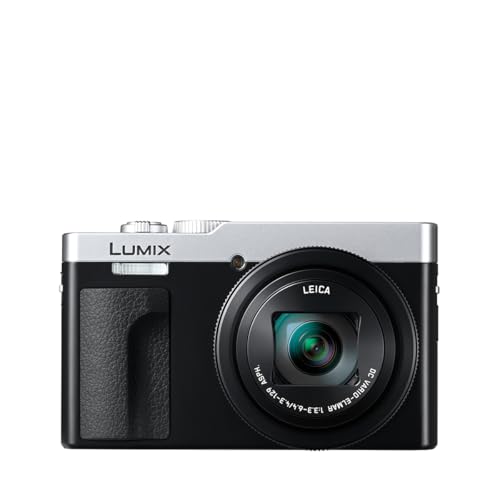

Who Should Buy Which Camera to Start Vlogging?
Most first time buyers do better when they pick a camera type first and compare models second. Your daily routine decides how much weight you will tolerate, how you will record sound, and how often you will film away from home. The three groups below cover the most common starting points. If you want a simpler shortlist aimed purely at new creators, see our guide to the best vlogging cameras for beginners once you know which group fits you.
Desk Based Creators and Remote Workers
If you film tutorials, talking head videos, or remote work content from one spot, you can trade portability for comfort and reliability. A flip screen you can see while seated matters more than a rugged body, and a microphone input matters more than extreme zoom. Clean output over USB or HDMI helps if you also join calls or stream from the same desk. Because the camera rarely moves, mains power can remove battery worries during long sessions.
Students and Everyday Vloggers
If you film campus life, family moments, and casual day in the life videos, the camera you carry is the camera you use. A compact body with strong image stabilization keeps walking footage watchable, and simple automatic modes let you film fast without digging through menus. Long battery life matters because you will rarely plan filming around a charger. Students also tend to edit on phones or modest laptops, so manageable file sizes are worth more than the highest bit rate on the spec sheet.
Streamers and Gamers Who Also Vlog
If you already stream or record gameplay and want to add face camera footage or behind the scenes vlogs, look for a camera that does both jobs. You need autofocus that holds your face while you move, a screen you can check at a glance, and an output signal your capture card accepts without fuss. Heat matters too, because long streaming sessions push small cameras hard, so check recording limits and whether the body can run while plugged in.
Key Features to Compare
The specs on a camera box only make sense when you tie each one to a moment in your filming day. Use the product table above to line up the models you are considering, then judge them against the six factors below.
Autofocus and Image Stabilization
Autofocus is the feature beginners feel most, because you usually film alone with nobody behind the camera to correct mistakes. Face and eye detection that locks on quickly and stays locked while you turn your head keeps footage usable when you gesture or hold products toward the lens. Notice how the camera behaves when something passes between you and the lens, since good systems return to your face instead of hunting. Image stabilization is the other half of the equation. In body stabilization smooths handheld walking shots, while strong electronic stabilization in action cameras handles bikes, boats, and running, usually at the cost of a small crop.
Sensor Size and Image Quality
Sensor size shapes how your footage looks more than the megapixel count does. A 1 inch sensor in a premium compact camera gathers far more light than the small sensor in a basic model, which means cleaner shadows and softer background blur. APS C sensors in entry mirrorless cameras go further and open the door to interchangeable lenses later. Full frame sensors sit at the top for image quality but add cost, size, and heavier lenses that many beginners never need. For most new vloggers, a 1 inch or APS C sensor hits the balance between quality, price, and a bag you will actually carry.
Low Light Performance
Most first channels are filmed in ordinary rooms, kitchens, and evening streets rather than studios, so low light performance decides whether footage looks warm or grainy. A larger sensor helps, but the lens aperture matters just as much. A lens rated at f/1.8 or f/2.8 pulls in far more light than a slow kit zoom, which lets the camera keep ISO lower and noise down. When you compare models, look at sample footage filmed indoors at night rather than bright showroom clips. If your room is simply dark, a modest camera plus a small lamp aimed at your face will beat an expensive body filming in gloom.
Lens and Zoom Range
The lens decides what fits in your frame at arm length, which is the classic vlogging position. A wide field of view, roughly equal to a 20 mm to 24 mm lens on full frame, captures your face plus some background without forcing you to hold the camera far away. Optical zoom beats digital zoom because it uses the glass rather than cropping the image, so quality stays consistent as you zoom in on a product or a street scene. On fixed lens cameras, check the widest setting first and the zoom second. On mirrorless cameras, a wide prime lens is often the first upgrade owners buy after the kit lens.
Audio and Microphone Inputs
Viewers forgive slightly soft video far faster than muffled or echoing sound, so audio deserves the same attention as the sensor. Built in microphones vary a lot, and models with larger, forward facing mics or a wind muff in the box sound noticeably clearer outdoors. A 3.5 mm microphone input lets you add a small shotgun or wireless mic later, which is the single biggest quality jump most channels ever make. Also check for a headphone port if you film interviews, since hearing your audio while you record catches problems before they ruin a take.
Screen, Size, and Battery Life
A fully articulating screen that flips to face you is close to essential for solo filming, because you need to check framing, focus, and recording status at a glance. Touch focus on that screen makes changing the focus point a one tap job. Size and weight decide whether the camera joins you daily or stays at home, so be honest about your habits. Battery life varies widely, from under an hour of 4K recording on small bodies to well over ninety minutes on larger ones, so match the battery setup to your longest typical filming day.
Choosing Your Camera Type: Compact, Mirrorless, or Action
Once you know your group and the features that matter, the camera type usually chooses itself, and most lists of the best cameras to start vlogging make sense only after that choice. Compact vlogging cameras pair a 1 inch sensor with a fixed wide lens and a flip screen in a pocket friendly body, and they are the easiest starting point for most people. If you outgrow the category, our guide to the best cameras for vlogging covers the broader field beyond starter models.
Mirrorless cameras cost more and weigh more, but they let you swap lenses, add better microphones, and grow into photography. They suit creators who expect to film for years and want one body that improves with new glass. If stills matter as much as video, read our guide to the best cameras for photography and vlogging, and compare it with the best digital cameras to see how stills focused models differ.
Action cameras are the third path. They are tiny, tough, and often weatherproof enough for rain, pools, and dusty trails without a housing, and their stabilization is the strongest of any category. The trade offs are a small sensor that struggles in dim rooms, a very wide lens that distorts faces up close, and no real optical zoom. Choose one as your main camera only if most filming happens outdoors in motion.
Common Mistakes to Avoid
- Buying on price alone, which often means a camera with weak autofocus that leaves half your clips soft and unusable.
- Ignoring the microphone situation, so your clear picture is paired with thin, echoing sound that pushes viewers away.
- Paying for the largest sensor and heavy lenses, then leaving the camera at home because the bag is a chore to carry.
- Skipping the flip screen check, which forces you to guess your framing and discover mistakes only after filming.
- Forgetting the extras in your budget, so cards, a spare battery, and a tripod push the real cost past your plan.
- Skipping the warranty and return terms, which leaves you stuck if a defect shows up in the first weeks of filming.
How to Care for Your Vlogging Camera
A vlogging camera lives a rougher life than most electronics, moving between bags, desks, and outdoor shoots, so a few habits protect it well. Clean the lens with a lens cloth rather than your shirt, because shirt fabric often carries grit that can scratch coatings over time. Wipe the body with a dry cloth after filming near the sea or in rain, and let everything dry fully before you seal it in a bag.
Carry a spare charged battery and rotate it with the main one, since batteries that sit empty for months lose capacity faster. Store the camera in a dry, padded bag away from direct sun, and keep a silica gel pack in the bag if your home is humid, because fungus inside a lens is costly to fix. Use the wrist strap every time you film handheld outdoors, since most camera damage comes from short drops onto hard ground.
Frequently Asked Questions
Is a smartphone enough to start vlogging instead of a camera?
A smartphone is enough to start vlogging if your lighting is decent and you film mostly at home. Modern phones handle autofocus and stabilization well, and you already own the editing apps. A dedicated camera earns its cost when you need better low light footage, a flip screen you can trust while filming alone, a microphone input, or longer recording without draining your phone battery. Many creators start on a phone and buy a camera later to fix the exact limits they ran into.
How much should you spend on your first vlogging camera?
Most beginners get strong results with a first camera that costs about $300, while stepping closer to about $800 buys a bigger sensor, better low light footage, and more lens choice later. Below the lower figure you usually give up the flip screen or the microphone input. Keep about a fifth of your total budget back for a card, a spare battery, and a small tripod. If funds are tight, our guide to the best affordable cameras for vlogging focuses on the lower end of that range.
Does a first vlogging camera need 4K video?
No, a first vlogging camera does not need 4K video, although it helps in specific ways. Filming in 4K lets you crop in during editing to reframe a shot or fake a second camera angle, and platforms compress high resolution uploads more gently. The costs are larger files, faster card and computer demands, and shorter battery life. If your computer struggles with big files, clean 1080p footage with good light and sound will look better to viewers than shaky, noisy 4K.
Which vlogging camera setup is better for filming in low light?
A larger sensor paired with a fast lens is the better vlogging camera setup for low light, but lighting often matters more than gear. A small LED panel placed near your face lets even a compact camera keep ISO low and skin tones clean, and it costs far less than stepping up a sensor size. If you film evening walks or events where you cannot add light, then sensor size and a lens rated at f/2.8 or faster become the priority.
What specs matter most in a first vlogging camera?
Reliable autofocus with face detection matters most in a first vlogging camera, followed by a flip screen, a microphone input, and stabilization that suits how you move. These four decide whether solo filming feels easy or frustrating every session. Sensor size and resolution come after them, because a sharp clip of a badly framed, badly lit scene still fails. One extra check is the recording limit, since some cameras stop at around 30 minutes per clip, which matters for long tutorials filmed in one take.
Final Thoughts
Start from your routine, and the shortlist builds itself. Desk creators should weight the screen, audio, and long session comfort, while mobile vloggers should weight size, stabilization, and battery life. Everyone should treat autofocus as non negotiable, because it protects every clip you film alone. Look back at the comparison table above, match two or three models against the factors in this guide, and pick the one whose strengths line up with your filming week. Chosen that way, the best cameras to start vlogging are simply the ones you will happily carry, set up, and use every day.

