
Best Cameras for Novices: A Buying Guide for 2026
Disclosure: We may earn a commission when you buy through links on this page, at no extra cost to you. As an Amazon Associate I earn from qualifying purchases. Learn more

Compare cameras for novices by sensor size, zoom, battery life and price, and learn which auto modes and controls a first time buyer actually needs.
A first camera purchase goes wrong in a predictable way: the buyer chases the biggest numbers on the box and ends up with a camera that is slow, confusing, or no better than a phone. The honest baseline is the phone already in your pocket, and a dedicated camera only earns its money when it clearly beats that phone on zoom reach, dim room photos, or handling. This guide compares the best cameras for novices on those grounds, and the comparison table below sets the main types side by side.
You do not need to learn manual exposure before your first outing, and you do not need the largest sensor on the market. You need quick autofocus, exposure that behaves on its own, and menus simple enough that settings stop feeling like homework. The sections below sort cameras by budget, explain the six factors that matter, and finish with the mistakes that waste a first camera budget.





What a First Camera Has to Get Right
Price tags alone sort first cameras badly, because a low priced model with a tiny sensor can frustrate you within a year, while a mid priced one can stay useful for much longer. Sorting by what each spending level actually buys works better: sensor size, lens reach, and how much the camera asks of you. The three groups below explain who each level suits.
Simple Point and Shoot Models for Tight Budgets
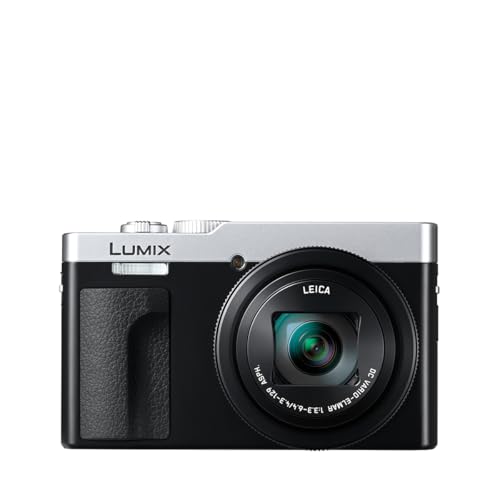
Cameras in this group cost about $150 to $300 and use small sensors, usually around 1/2.3 inch, paired with zoom lenses that reach far for their size. In daylight they take clean, cheerful photos, and their scene modes handle beaches, portraits, and parties without any input from you. Fully automatic operation is the real selling point here, since nothing needs setting up beyond the date and time.
The limits show indoors, where small sensors produce grainy images and slow focus in dim rooms. Buy this tier if your photos are mostly outdoor trips, school events, and family gatherings in decent light. Skip it if birthdays and evening meals are your main subjects, because those are exactly the scenes where this group struggles most.
Larger Sensor Compacts for Better Photos
Stepping up to about $400 to $800 buys a compact with a 1 inch sensor, roughly four times the area of the smallest sensors, plus a brighter lens around f/1.8 to f/2.8. That combination keeps indoor shots cleaner, blurs backgrounds a little for portraits, and holds detail when light drops. Zoom range shrinks as the sensor grows, so most of these models cover everyday distances rather than distant wildlife.
This is the tier for novices who photograph people indoors, cook and share food photos, or travel light with one camera that must do everything well. You give up the extreme zoom of the budget group, and in return nearly every photo looks a step better. For many first time buyers, this balance is the sweet spot of the whole market.
Most models in this group still fit a jacket pocket or a small purse, which keeps them honest everyday cameras rather than special occasion gear.
Mirrorless Kits That Leave Room to Grow
Mirrorless kits pair an APS C sensor with an interchangeable kit lens, and complete outfits run about $500 to $900. The larger sensor delivers the cleanest low light results in this guide, and the lens mount means a portrait lens or a wider zoom can join the kit later. Controls also multiply, with dials and custom buttons that reward learning over time. Expect to budget for lenses later, because the kit lens is a starting point rather than a destination.
The cost is size, since even a small kit needs a bag rather than a coat pocket. Choose this route if you already suspect photography will become a hobby rather than a holiday habit. If you are weighing that path, compare the best starter cameras as well, because a system you can expand beats a closed camera you outgrow.
How to Choose the Best Cameras: A Novice Buying Guide
Spec sheets run to dozens of lines, but only six factors decide whether a first camera feels easy or annoying. Use them to judge the best cameras for novices, and treat the rest of the sheet as background noise.
Features That Matter for Novices
Start with autofocus you can trust, because a beginner cannot rescue a missed focus point later. Face and eye detection, reliable scene modes, and a touchscreen for tapping a focus point all matter more than manual dials at this stage. Guided menus that explain each setting in plain words are worth real money. A camera that teaches you gently will still be teaching you in year two, while a confusing one ends up in a drawer.
Sensor Size and Image Quality
Megapixels are not image quality, and a 20 megapixel 1 inch sensor will outshoot a 24 megapixel phone sensor in dim light. What matters is the physical size of the sensor: 1 inch compacts beat smaller budget sensors, APS C mirrorless bodies beat those, and full frame sits above them all at a much higher price. Bigger sensors collect more light per pixel, so high ISO shots stay cleaner. Shoppers who rank output above all else can compare the best quality cameras after settling their budget.
Battery Life and Charging
Maker shot counts come from a standard test with the flash and screen used in fixed patterns, so treat them as best case figures rather than promises. Most compacts manage about 250 to 400 shots per charge, and mirrorless kits land in a similar band when the rear screen does the framing. USB C charging is worth seeking out, because topping up from a power bank on a trip beats hunting for a wall outlet. However you charge, a spare battery is the cheapest insurance in photography.
Store spare batteries at room temperature and top them up after months of storage, because cells left flat for a long season can refuse a charge later.
Low Light Performance
Three things decide indoor results: sensor size, lens brightness, and stabilization. Lens brightness is the f number, and lower is brighter, so an f/1.8 to f/2.8 lens gathers far more light than a kit zoom at f/3.5 to f/5.6. Stabilization steadies your hands at slow shutter speeds, which helps with still subjects but does nothing for a moving child. When a listing brags about a huge maximum ISO, ignore it, because the top settings on small sensors look rough.
Lens and Zoom Range
Only optical zoom counts, since it uses the lens itself, while digital zoom just crops the picture and throws detail away. Zoom is described in equivalent focal lengths: 24 to 72 mm covers groups, street scenes, and portraits, while bridge models stretch to 600 mm and beyond for birds and sports fields. Note that most zoom lenses grow dimmer at the long end, so a lens listed as f/2.8 to f/4.5 is only at its brightest when zoomed out.
Size, Weight, and Ergonomics
A camera that stays home takes no photos at all, so honest sizing matters more than spec pride. Pocket compacts weigh about 200 to 300 grams and ride along daily, while mirrorless kits need a small bag and a deliberate decision to carry them. Grip shape, button reach, and screen tilt all shape how a camera feels during a long day of shooting. If you can, hold display units in a store, because ten seconds in the hand teaches more than an hour of spec sheets.
Types of Cameras
Nearly every model a beginner will meet belongs to one of three families. The wider field of best digital cameras splits along these lines, and each family trades size, reach, and image quality differently.
Point and Shoot Compacts
Fixed lens compacts are the simplest cameras sold: power on, frame, and press. Their small sensors keep them slim and affordable, and long zoom versions reach subjects a phone cannot. They suit buyers who want better than phone results with zero learning curve. Their ceiling is dim light, where small sensors and slow lenses struggle, and there is no path to upgrade later.
If your subjects are people and places in daylight, this family covers them with the least fuss and the lowest cost of entry.
Bridge Cameras With Long Zoom Lenses
Bridge cameras wear the shape of a larger camera but keep a fixed lens with an enormous zoom range, often 24 to 600 mm or more. That reach makes them popular for birdwatching, school sports, and safari trips on a budget. The tradeoff is a small sensor behind that big lens, so image quality matches the budget compacts rather than the mirrorless kits. They suit one job brilliantly: distant subjects in good light.
Entry Level Mirrorless Cameras
Mirrorless cameras swap lenses, so the body you buy today can grow with new glass for years. APS C sensors deliver the best image quality a novice budget can reach, and electronic viewfinders preview exposure before you shoot. The learning curve is steeper and the bag is bigger, but nothing else at this price teaches photography as well. Choose this family when the hobby itself is the point.
Picking the Right Cameras for Different Uses
Stills and video pull a first purchase in different directions, and readers who lean toward stills may also want the best cameras for novice photographers guide. The three uses below show what changes.
Best Cameras for Novice Videos
Casual video asks for three things: steady footage, sound you can understand, and a screen you can see while filming. Look for in body or lens stabilization, a screen that flips toward you for self recording, and 4K only if your computer can edit it, since 1080p is kinder to older laptops. Built in microphones are fine for family clips, and wind noise outdoors is their weakest point. Long recording limits matter less here, because novice videos are usually short.
Best Everyday Cameras for Novices
An everyday camera lives in a jacket pocket or a small bag, starts fast, and sends photos to a phone without a cable. WiFi transfer, a lens that retracts flat, and a battery that survives a weekend are the traits that count. Fancy controls go unused in this role, so spend on reliability and a bright screen you can read in sunlight. The best everyday pick is simply the one that is with you when something happens.
Best Cameras for Novice Filming
Filming means longer, planned takes, and the checklist changes: a microphone input matters, continuous autofocus must track faces without hunting, and the camera should record for a full scene without overheating warnings. A headphone socket, found on some mirrorless bodies, lets you catch audio problems while they can still be fixed. Treat headline 4K claims with care, because some models crop the frame or limit clip length in that mode. Sample galleries flatter every camera, so judge filming features on controls and connections, not on demo reels.
Tips to Get the Most From Your Camera
Small habits protect a first camera and improve results more than another accessory purchase.
- Clean the lens with a microfiber cloth rather than your shirt, because fabric can carry grit that scratches the coating over time.
- Carry a charged spare battery, since maker shot counts are best case figures and a cold day or heavy screen use drains cells faster.
- Store the camera in a dry, padded bag away from car heat, which ages batteries and can fog lens elements.
- Update the firmware when the maker releases a new version, because autofocus and stability fixes often arrive this way.
- Work in the best light available before touching ISO, since moving a subject near a window beats any setting.
- Learn one control at a time, starting with exposure compensation, which brightens or darkens a scene without leaving automatic mode.
Your First Month With the Camera: A Simple Practice Plan
A first camera teaches fastest when it gets used daily, and a light routine beats a weekend binge. Carry it on ordinary errands for the first two weeks and photograph unremarkable things: breakfast light, pets, street corners, family hands at work. Ordinary subjects expose weak focus habits and awkward handling far sooner than a once a year trip does, and fixing them early costs nothing.
In week three, pick one control and use only that: exposure compensation on Monday outings, a single zoom position on another day, portrait mode whenever people appear. In week four, choose your five favorite frames and print them at a local shop or order prints online. Prints reveal soft focus and noise that phone screens hide, and seeing them at real size tells you more about your camera than any spec sheet. Keep the routine loose, because a plan you enjoy is a plan that survives the month.
Cameras for Novices: Your Questions Answered
Should a novice learn manual settings right away, or start fully automatic?
Start fully automatic, because your first job is learning to see photos, not to run exposure math. Automatic modes on current cameras judge most scenes well, and reviewing your results teaches you what the camera chose and why. After a few weeks, switch one control at a time, beginning with exposure compensation. Manual mode becomes useful later for tricky light, and rushing into it early mostly produces dark, blurry evidence of good intentions, while your eye for light and timing quietly develops either way.
How many megapixels does a first camera need for prints and sharing?
About 20 megapixels is plenty, because it prints sharply at roughly 12 by 18 inches and crops comfortably for social posts. Chasing 30 or 40 megapixels buys larger files, slower transfers, and no visible gain on a phone screen or a family album page. Spend the difference on a brighter lens instead. If you mostly view photos on screens, even older 16 megapixel cameras hold up better than their age suggests.
What does optical zoom mean, and how do you read it on a spec sheet?
Optical zoom means the lens itself magnifies the scene, so detail survives, while digital zoom enlarges the middle of the image and softens it. Read the equivalent focal length range on the lens: 24 mm is wide, 50 mm looks natural, and 200 mm pulls distant subjects close. A 10x badge only compares the two ends of that range. For most beginners, a moderate range with a bright aperture beats a huge range with a dim one, and when in doubt you can test the long end in the store on a distant sign and read the lettering.
Is a smartphone enough, or does a beginner gain anything from a real camera?
A smartphone is enough for daylight snapshots, and it will always win on sharing speed. A real camera gains you true optical zoom, cleaner photos in dim rooms, physical controls, and battery life that does not compete with your calls and maps. The honest test is your photo library: if your favorite shots are zoomed, indoor, or blurred, a camera fixes real problems. If they are bright outdoor scenes, save your money until that changes.
How much of a first camera budget should go to the camera itself?
Plan on about 80 percent for the camera and the rest for the kit around it. A memory card, a padded bag, and a spare battery are not optional extras, and skipping them to afford a fancier body is the classic first buyer error. Sales tax and a basic protection plan can also eat into a tight budget. A slightly cheaper camera with a complete kit takes more photos than a flagship body left at home for want of a card, and the same split holds as prices rise, because bigger kits need bigger bags and faster cards.
What memory card should a novice buy with a first camera?
Buy a 64 GB or 128 GB card from a known maker, with a UHS I speed rating for stills and light video. Cards are cheap enough that counterfeits flood marketplaces, so buy from the camera maker, a camera store, or the platform's own storefront rather than the lowest listing. Format the card in the camera before first use. One large card beats several small ones you can lose, but back photos up weekly either way.
The Bottom Line
First cameras succeed when they are easy, honest, and carried. Judge the best cameras for novices by autofocus you can trust, a sensor sized for your light, and a body small enough to come along daily. The product table above lists current options to compare against those three tiers.
Buyers who already know the hobby will stick may also grow into the wider field covered by our guide to best cameras for photography. Start simple, shoot often, and let your second camera be the informed purchase.

