Best Cameras on Samsung Phones 2026: Everything to Know Before Your First Purchase
Disclosure: We may earn a commission when you buy through links on this page, at no extra cost to you. As an Amazon Associate I earn from qualifying purchases. Learn more

Shopping for the best cameras on samsung phones for the first time? Learn the terms, compare options, and avoid rookie mistakes with this easy guide.
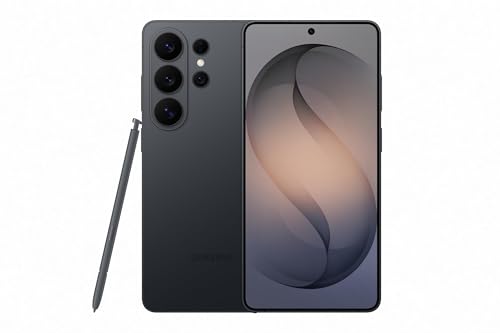
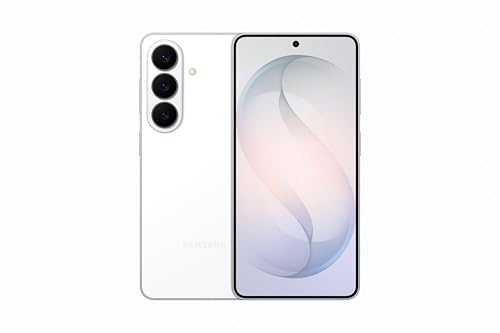
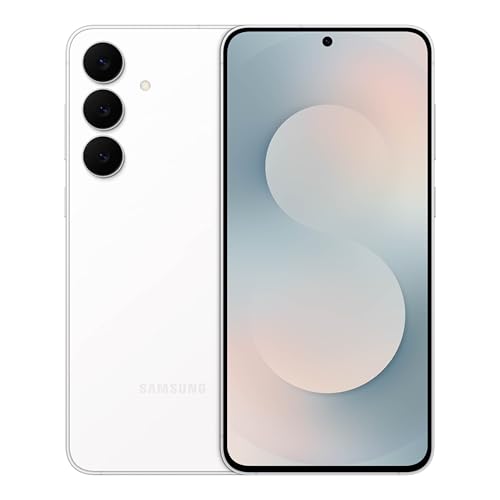
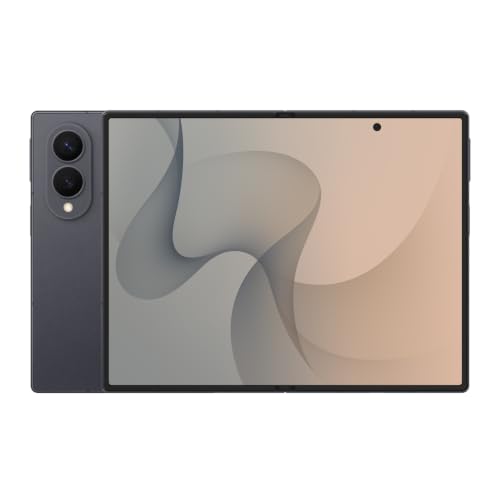
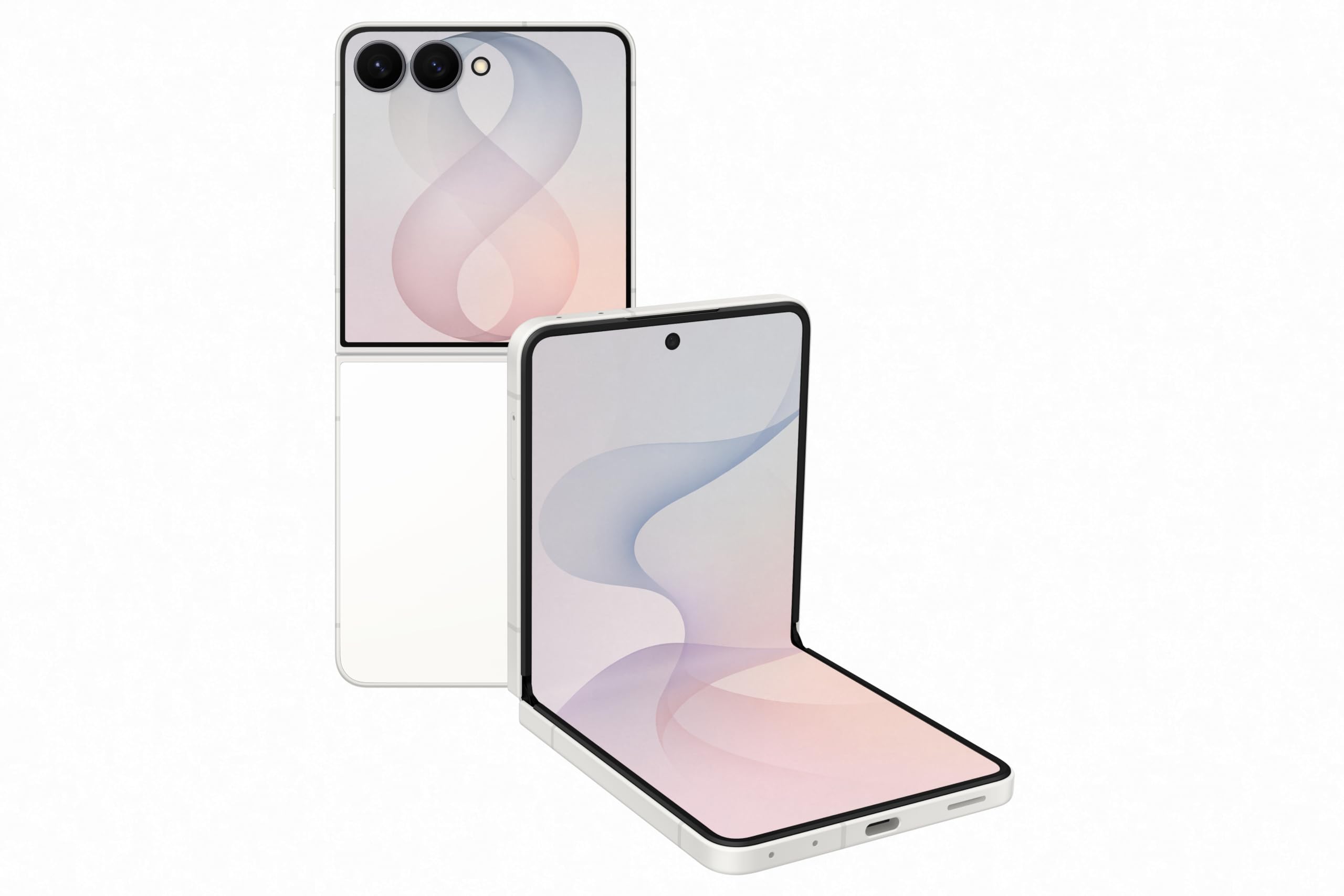
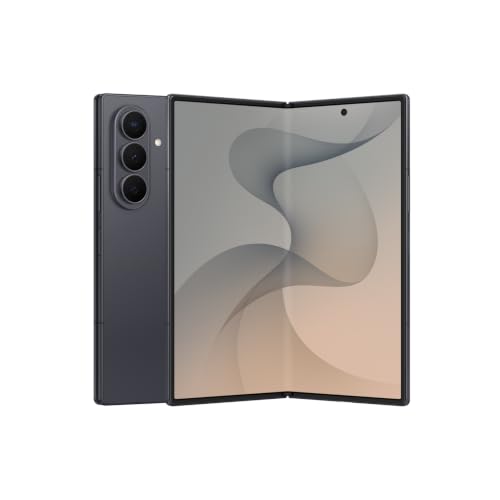
Buying your first Samsung phone mainly for its camera can feel confusing, because the spec sheets lead with lens counts and megapixel numbers instead of the things that shape your photos. The best cameras on samsung phones are not the ones with the longest feature list. They are the ones whose processing, lens roles, and price tier match the pictures you actually take. The comparison table below gives you a quick overview once you know what to look for.
This guide starts with the basics, then explains each key spec in plain English. It also covers the setup steps and the rookie mistakes that cost first time buyers money. By the end, you will know how to read the phone first and the camera second, because on a phone the two are one purchase.




Cameras on Samsung Phones 101: The Basics
A phone camera is a sensor plus processing, and the processing half decides the look of your photos more than the lens count does. Software sets the colors, sharpening, skin tones, and night mode blending, so two phones with similar hardware can produce very different pictures. When you compare the best camera on smart phones across brands, you are mostly comparing processing styles. Maker figures such as megapixels and zoom ranges are headline numbers, so treat them as a starting point, not a promise.
One naming trap is worth clearing up early. Standalone best samsung cameras are a different product class from phone cameras, sold as dedicated devices with their own lenses. This guide covers only the cameras built into Samsung phones. If you want a ranked view of the phone lineup itself, our guide to best samsung phones camera setups compares the tiers side by side.
Key Specs Explained in Plain English
Read the specs below in order, because the early ones shape your photos every day while the later ones shape how long the phone stays pleasant to own. Shoppers who rank phones by camera above all else can also browse best phones by camera to see how this brand sits in the wider market.
Lens Roles: Main, Wide, and Reach
The lens roles split the tiers more honestly than the total lens count, and the main lens does your daily work, so its sensor size and aperture matter most. A wide lens covers group shots and tight interiors, while a reach lens, often called telephoto, brings distant subjects closer without digital cropping. Budget tiers often add a macro or depth lens that adds little, which is why guides to the best phones with good camera quality weigh the main lens first. Decide which role you will use weekly, then pay for that one.
Display Size and Quality
You review, edit, and share photos on the screen, so display quality is part of camera quality. An OLED panel shows deeper blacks and more accurate color than a basic LCD, which helps you judge exposure before you share a shot. A refresh rate of 120Hz makes scrolling through a gallery and framing video feel smoother. Outdoor brightness matters most of all, because a dim screen washes out in sunlight and you end up guessing at your framing on bright days.
Build, Durability, and Water Resistance
An IP68 rating means the phone is sealed against dust and can survive immersion in shallow water for a limited time, which covers rain and accidental splashes with confidence. Strong cover glass on the front, back, and camera lenses resists the scratches that slowly fog your photos. Ratings assume a new phone with intact seals, and cracks or repairs can void that protection. A slim case and a lens safe habit still matter, since one drop onto concrete can end a camera you paid extra for.
Battery Life and Charging Speed
Camera use drains a battery faster than almost anything else, because the screen, processor, and stabilization all run at once. Capacity figures around 4,000 to 5,000 mAh are typical, and heavy photo days can still end early, so charging speed matters. Fast wired charging can restore a useful charge during a short break, while wireless charging suits desks and nightstands. If you shoot video at events, budget for a small power bank as part of the camera purchase.
Software Updates and Support Window
Software support decides how long the camera keeps improving after you buy. Makers refine night mode, portrait edges, and video stability through updates, and security patches protect the accounts your photos live in. Longer support windows, measured in years of system and security updates, also protect resale value. A slightly older phone with years of support left is often a smarter camera buy than a newer budget phone whose updates end soon, so check the promised window before you pay, not after.
Carrier Compatibility and 5G
An unlocked phone works across carriers and avoids carrier software you did not choose, while a carrier phone may cost less up front but ties you to one network. For US buyers, confirm the phone supports your carrier bands, since a missing band means weak signal where you live. 5G coverage still varies by city and plan, so treat it as a bonus rather than the reason to buy. Compatibility checks take minutes and prevent the worst first purchase outcome, a great camera on a phone that barely connects.
Rookie Mistakes to Avoid
- Counting lenses instead of checking processing. Extra macro and depth lenses pad a spec sheet, while the main sensor and software decide your everyday photos.
- Choosing by megapixels alone. A high megapixel count mostly buys cropping room, and small pixels can hurt low light results.
- Buying too little storage. Video fills space quickly, and a full phone stops recording at the worst moment of an event.
- Trusting the water rating forever. Seals age and cracks break them, so one careless drop can remove protection you still rely on.
- Ignoring the update window. A phone that stops receiving updates loses camera improvements and security fixes sooner than you expect.
Getting Started: Setup and First Use
Start by installing pending software updates, since early updates often include camera fixes and stability work. Next, sign in to a cloud backup and set photos to upload on WiFi, so a lost phone does not mean lost pictures. Spend ten minutes in the camera settings: turn on grid lines, choose your video resolution, and learn where night mode and portrait mode live.
Fit a case and a screen protector before your first outing, and keep a soft cloth in your pocket for the lens. A clean lens fixes more blurry photos than any setting.
Frequently Asked Questions (FAQ)
Is a mid range Samsung phone good enough for everyday photos?
Yes, for daylight photos, family events, and social sharing, a mid range phone is usually enough. Its main lens and processing cover the scenes most people shoot, and the results hold up well on screens. You give up strong reach, the best night mode, and some video polish found in higher tiers. If your photos live on phones and social feeds rather than prints, the mid range tier is the sensible place to stop.
Do I need 5G on a Samsung phone bought for its camera?
No, 5G does not change photo quality at all, because the camera works the same on any connection. It only speeds up uploads and cloud backups when coverage exists where you live. Many areas still rely on 4G, and WiFi handles most backups at home. Treat 5G as a future proofing bonus on a phone you keep for years, not as a reason to pay more today.
Should I buy an unlocked Samsung phone?
Yes, unlocked is the safer default for most first time buyers. An unlocked phone works with any major carrier, avoids carrier apps you did not ask for, and is easier to sell later. Carrier deals can lower the upfront price, but they lock you to one network and sometimes to a long payment plan. If you travel or switch carriers often, unlocked saves real frustration.
How many years of software updates should a Samsung phone get?
Aim for at least four years of security updates, and more is better on a phone you plan to keep. Updates deliver camera improvements, bug fixes, and protection for the accounts tied to your photos. Higher tiers usually carry the longest promises, which is part of what the extra money buys. Before buying, check the maker promise for that exact tier, because support windows differ across the lineup.
How much storage do I need on a camera focused Samsung phone?
Choose 256 GB if you shoot video or keep photos for years, because video files are large and most phones in this class lack a card slot. A 128 GB phone suits lighter shooters who back up to the cloud often and delete freely. Storage you run out of cannot be added later, so buy for your habits two years from now. Running out mid event is the most common regret among first time buyers.
Wrapping Up
Come back to three checks: a main lens and processing style that suit your scenes, a support window long enough for how long you keep phones, and enough storage for your video habits. The product table above pulls those tiers together so you can compare quickly. Choose the tier that fits your daily photos, and the best cameras on samsung phones become an easy first purchase rather than a spec sheet gamble.