
Best Cameras for Vlogging under 200: A First Time Buyer's Guide for 2026
Disclosure: We may earn a commission when you buy through links on this page, at no extra cost to you. As an Amazon Associate I earn from qualifying purchases. Learn more

A first time buyer guide to the best cameras for vlogging under 200, with plain English specs, honest limits at this price, and simple setup steps.
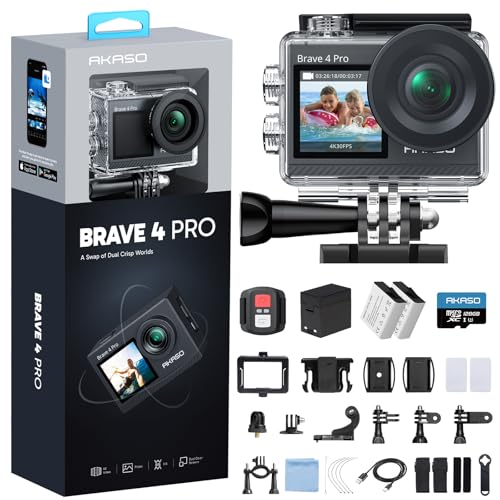
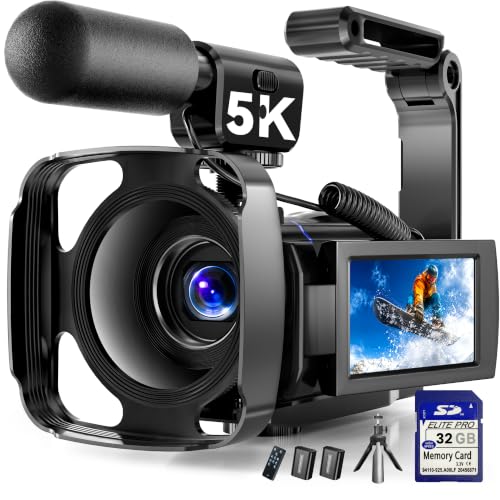
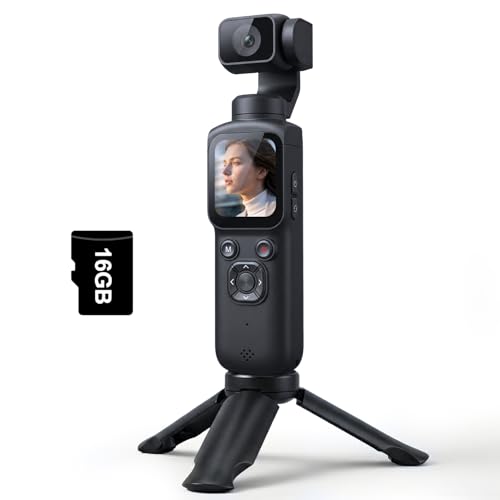
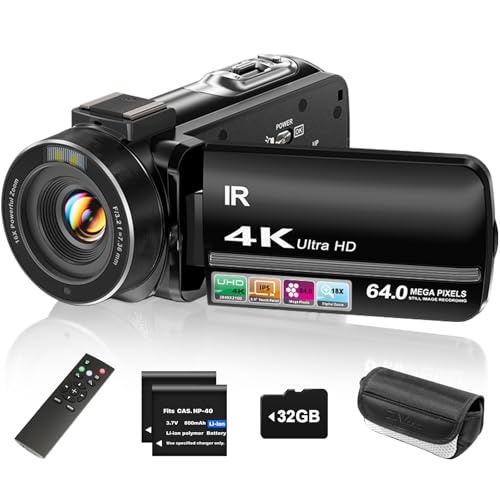
Two hundred dollars is a real budget with real limits, and nobody does you a favor by pretending otherwise. The best cameras for vlogging under 200 are starter tools: honest little cameras that record clean daylight video, teach you the basics of framing and sound, and show you whether you enjoy creating before you spend serious money. The comparison table below groups the options by type, so you can see what each class offers at this price before we explain the terms.
This guide is written for first time buyers from the ground up. We start with what the parts of a camera actually do, translate the specification sheet into plain English, flag the rookie mistakes that waste money at this level, and finish with the first steps to take when your camera comes out of the box.




Cameras 101: The Basics
Every camera in this guide does the same basic job: a lens gathers light, a sensor turns that light into an image, and a processor writes video files to a memory card. The sensor size is the single biggest quality difference between classes, and at this price most sensors are small, which is why these cameras shine outdoors and work harder indoors. A screen on the back shows your framing, and a built in microphone records sound until you add a better one.
Four classes compete for your money here. Compact point and shoot cameras are pocket sized and simple, with a zoom lens that never comes off. Action cameras are tiny and tough with a very wide view.
Entry camcorders add a long zoom and a grip shaped for video. Older mirrorless bodies bought used offer the biggest sensors of the group, and our roundup of the best digital cameras under 200 covers the stills side of that hunt, while the best compact cameras under 200 guide focuses on the pocket class alone.
Key Specs Explained in Plain English
What You Can Realistically Get Under $200
Say it plainly: a $200 cap buys a starter camera, not a small cinema rig. At this level, light and a microphone matter more than the camera body, because a $30 light and a basic microphone improve your footage more than any spec difference between two bodies in this band. Expect sharp 1080p video from most models, 4K labels on a few that crop heavily or use small sensors to get there, and autofocus that is steady rather than fast.
Spend on the screen, the sound path, and a spare battery before anything else. Shoppers comparing pure value across classes can cross check the best quality cameras under 200 and the broader list of the best cameras for under 200 dollars.
Features That Matter for Vlogging
The flip screen governs the self shot. A screen that turns to face you lets you check your framing, your focus, and the recording light while you talk, instead of filming a full take and discovering your head was cut off. Next comes a standard tripod thread on the bottom, which sounds dull until you try to balance a camera on a stack of books. Continuous autofocus that follows a face at walking pace and a stabilization mode for handheld clips round out the short list, and the general guide to the best cameras for vlogging explains how these features scale up at higher budgets.
Sound: Microphones and Audio Inputs
Your voice is governed by the microphone, not the sensor. Viewers forgive soft video far sooner than echoing, distant sound, so audio deserves a line in a $200 budget. A camera with a microphone input is rare at this price but valuable, because a small plug in microphone near your collar beats any built in microphone across the room. Without an input, the classic first timer workaround is recording voice on a phone in a shirt pocket and syncing it later with a hand clap on camera, which costs nothing and sounds surprisingly clean.
Sensor Size and Image Quality
Sensor size is measured in inches or by names like APS C, and bigger sensors gather more light, which means cleaner images after sunset. Under $200 you will mostly meet small sensors around the 1/2.3 inch class in compacts, and that is fine for daylight and bright rooms. Ignore the megapixel race entirely, because a jump from 16 to 24 megapixels changes print size, not the look of a video on a phone screen. What changes the look is light, lens quality, and steadiness, in that order.
Low Light Performance
Low light is where budget cameras struggle, so plan around it instead of paying to defeat it. A higher ISO setting brightens the image but adds grain, and every camera in this band gets visibly grainy past its comfort zone. The lens opening, written as an f number, matters too, and a smaller number like f2.8 gathers more light than f4.5 at the same zoom. The practical fix costs little: face a window during the day, add an inexpensive lamp at night, and your footage improves more than any settings menu can manage.
Ease of Use for Your Skill Level
Good auto modes are a feature, not a compromise, when you are learning. Look for a scene or intelligent auto mode that handles exposure while you concentrate on talking, plus a simple menu you can navigate without the manual. Wireless transfer to a phone over WiFi or Bluetooth saves real time when you publish from the couch, and a touchscreen makes picking a focus point as easy as tapping your face. If a camera frustrates you in the first week, you will stop carrying it, so ease of use outranks almost every spec on this page.
Best Cameras for Specific Needs
Best Cameras for Vlogging under 200 Bluetooth
Bluetooth sounds like a luxury, but for a solo beginner it does two genuinely useful jobs. First, it lets a phone app act as a remote control, so you can start and stop recording and check framing from your seat instead of walking back and forth. Second, it sends small preview clips and photos to your phone without cables or card readers.
Judge Bluetooth models by three criteria: whether the maker app supports remote recording, how stable the connection stays at room distance, and whether transfers keep the original quality. Remember that Bluetooth changes convenience only, never image quality, so never let it outrank the screen or the sound path.
Rookie Mistakes to Avoid
- Buying on megapixels alone, because sensor size and light decide video quality long before pixel count does.
- Ignoring audio until the first upload, when echo and room noise are already baked into every clip you filmed.
- Spending the full $200 on the camera and leaving nothing for a memory card, a small tripod, and a spare battery.
- Chasing a 4K badge on the box while the screen cannot face you, which makes solo filming a guessing game.
- Filming everything at arm length with no stabilization, so every clip shakes and sways from start to finish.
Getting Started: Setup and First Use
Charge the battery fully before your first session, then format the memory card inside the camera so the file system matches what the camera expects. Set the video quality to 1080p at 30 frames per second, which balances clarity, file size, and easy editing on almost any computer. Record a one minute test at your usual seat and watch it back with headphones, because that single test reveals framing, focus, and sound problems while they are still free to fix. Wipe the lens with a lens cloth, not your shirt, keep the spare battery in your bag rather than a drawer, and set the date and time so your files stay in order.
Questions Answered for First Time Buyers
Can you get a good vlogging camera for under $200?
Yes, you can get a genuinely good starter camera under $200 if your expectations match the price. Daylight and well lit indoor footage can look clean and sharp, and features like a flip screen and face tracking autofocus appear even in this band. The sensible extra step at this price is buying from a seller with a clear return window, because a two week trial tells you more about grip, menus, and sound than any specification sheet ever will.
What features matter most in a vlogging camera under $200?
The flip screen, a tripod thread, and steady face autofocus matter most, because they decide whether filming alone feels easy or frustrating. One feature beginners undervalue is a standard accessory shoe or mount point, since it is where a light or microphone will sit later as your setup grows. Extra shooting modes and filters are pleasant, but they cannot rescue a camera you cannot frame yourself in or mount securely.
Is a smartphone enough for vlogging instead of a budget camera?
A smartphone is enough to start, and its screen, autofocus, and sharing tools are honestly better than many budget cameras. A dedicated camera earns its place when you want to record for an hour without notifications interrupting the take, keep your phone free during a shoot, or use an optical zoom that does not soften the picture. Many first timers film the first month on a phone, learn what they actually need, and then buy with far better judgment.
How much should a first time buyer spend on a first vlogging camera?
A first time buyer should plan on the camera plus about $40 to $60 of extras, not the camera alone. That extra money covers a fast memory card, a small table tripod, and a spare battery, which together decide whether a filming day runs smoothly or ends early. If the total breaks the budget, step down one camera class rather than skipping the extras, because an incomplete kit is the most common reason beginners stop filming altogether.
What camera specs matter most for beginner vloggers?
Beginner vloggers should care about sensor size class, the widest lens setting, and the screen type before anything exotic. A wide lens end matters because small rooms and arm length shots crop tightly, and you cannot zoom out past the glass you own. Ignore slow motion frame rates and long feature lists at first, since steady exposure, clear sound, and a camera you understand will carry your early videos much further than a rare mode you use twice.
Final Thoughts
Keep the order straight and this price band makes sense: light and a microphone before the body, a screen that faces you before extra resolution, and a small reserve for the card, tripod, and battery that complete the kit. Compare your finalists against the product table above, favor the camera whose menus you understand in the shop, and start filming this week. Picked with honest expectations, the best cameras for vlogging under 200 are the ones that teach you the craft while asking very little of your wallet.


