
Best Blogging Cameras for 2026: A Practical Buying Guide
Disclosure: We may earn a commission when you buy through links on this page, at no extra cost to you. As an Amazon Associate I earn from qualifying purchases. Learn more
Best blogging cameras explained by type, sensor, autofocus and battery life, so you can pick a setup that fits your content and budget.
Choosing the best blogging cameras starts with a simple question: what kind of posts do you actually make? A camera that shines for sit down desk videos may feel awkward on a walk through a market, and a rugged outdoor camera may not give you the soft background look you want for a portrait style post. This guide compares types, features and budgets so you can match the camera to your content instead of chasing one headline specification.
The sections below explain sensor size, autofocus, stabilization, lenses, size and low light performance in plain terms. Use them with the product table to narrow your shortlist before you spend anything.


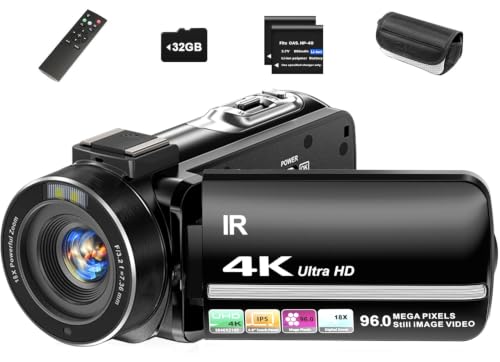
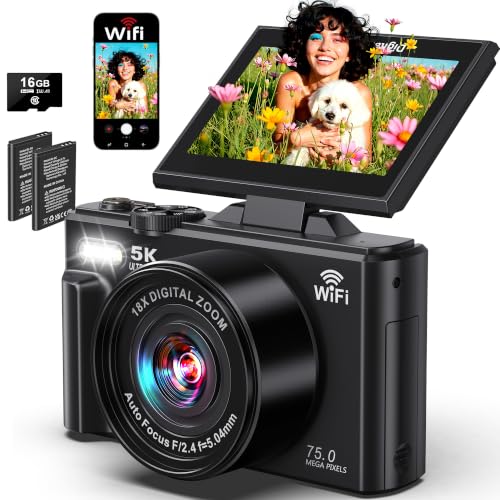


Spending Levels at a Glance
Budget shapes what you get, but it does not decide quality on its own. An everyday spending level usually buys a compact camera or a capable phone companion setup with simple controls and decent video. You may give up some low light performance and lens choice, yet for bright rooms and outdoor daylight the results can look clean and professional.
A midrange spending level adds a larger sensor, better autofocus and more reliable stabilization. This is often the sweet spot for bloggers who record several times a week and want consistent results without a steep learning curve. A higher spending level buys interchangeable lenses, stronger low light performance and more control over depth of field, but it also adds weight, cost and accessories to manage.
Everyday Spending
At this level, look for simple menus, a flip screen you can see while recording yourself, and a microphone input if you plan to add an external microphone later. Battery life matters more than a long zoom range, because a dead battery ends a shoot faster than a slightly short lens. Check that the camera feels comfortable in one hand for at least a few minutes at a time.
Midrange Spending
Midrange cameras usually pair a one inch or APS C size sensor with dependable eye tracking autofocus and stabilization that smooths small hand movements. Look for clean video at the frame rates you use most, plus a lens range that covers a normal room view and a modest close up. A spare battery and a fast memory card are sensible additions at this level.
Higher Spending
Higher spending buys flexibility: interchangeable lenses, larger sensors and more manual control. This suits bloggers who already know how to expose a shot and who want a distinct visual style. Before you commit, weigh the full kit weight, including lenses, a tripod and lighting, against how often you will actually carry it.
How to Choose a Blogging Camera: Buying Guide
This section covers the six factors that affect everyday blogging results most. Read them in order, then decide which two matter most for your content. That priority list will make the rest of the choice much easier.
Sensor Size and Image Quality
Sensor size affects how much light the camera gathers, a point covered in any guide to best cameras for photography, and how clean the image looks indoors. A one inch sensor usually beats a small phone size sensor in dim rooms, while an APS C sensor gives more room to blur a background. A full frame sensor gathers still more light, but it costs more and needs larger lenses. Megapixel count alone does not tell the story, since a well designed sensor with good processing often beats a crowded sensor with a bigger number on the box.
Battery Life and Charging
Check the rated number of shots or minutes of video per charge, then plan for real world use, which is usually shorter. Video, autofocus and a bright screen all drain power faster than still photos. USB C charging is convenient because you can top up from a power bank between locations. Carrying one spare battery is the simplest way to avoid a ruined shoot.
Autofocus and Stabilization
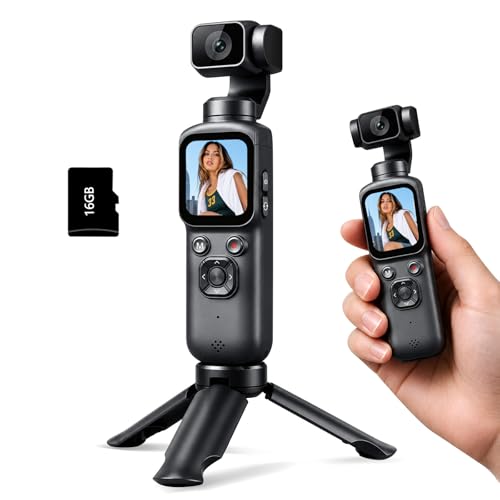
Eye tracking autofocus keeps your face sharp while you move, talk and gesture, which matters more for blogging than raw speed alone. Check how the camera handles a subject who steps closer and then back again. Stabilization smooths walking shots and small shakes, with in body stabilization helping stills and video alike. For very active movement, a small gimbal may still beat built in stabilization on its own.
Lens and Zoom Range
A lens with a wide to normal range suits most blogging, because it captures a room, a desk setup or a street scene without forcing you far back. Optical zoom keeps detail when you zoom in, while digital zoom crops the image and can soften it. Note the widest aperture, written as an f number: a lower number lets in more light and blurs backgrounds more, but it also narrows the zone that stays sharp.
Size, Weight, and Ergonomics
A camera you leave at home helps no post. Compact cameras slip into a jacket pocket and suit travel, while larger cameras offer better grips and more buttons for quick changes. Hold the camera the way you will use it, and check that the record button, screen and grip feel natural. If you record handheld for long stretches, weight and balance matter as much as image quality.
Low Light Performance
Low light performance depends on sensor size, lens aperture and processing working together. A larger sensor and a brighter lens usually produce cleaner indoor and evening shots with less visible grain. Higher ISO settings let the camera work in darker rooms, but they also add noise as the setting rises. For regular indoor recording, a small light source often improves results more than any camera upgrade.
Best Blogging Cameras by Type
Each type below suits a different style of content. Match the type to where and how you record, then compare models within that type rather than across all types at once.
Point and Shoot Compacts
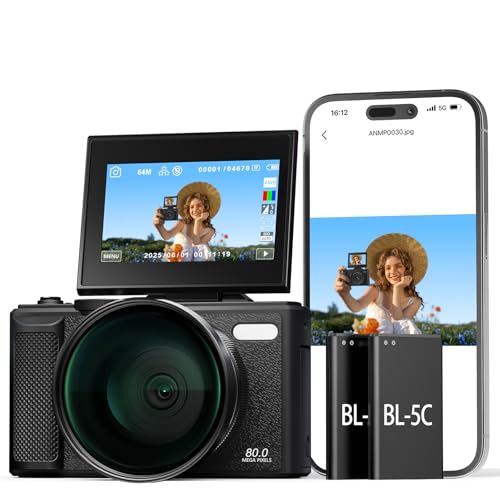
Point and shoot compacts combine a fixed lens, a simple menu and a pocket friendly body. They suit beginners and travelers who want good results without learning lens choices. Their limits show in very dim rooms and when you want a strongly blurred background, but for daylight and bright indoor work they are easy and dependable.
Vlogging Cameras
Vlogging cameras add a forward facing screen, strong autofocus for faces and stabilization tuned for handheld walking shots, which is why guides to best cameras for video blogging often start with this type. Many include a microphone input and a wind cover option for outdoor audio. They suit creators who talk to the camera often and record in varied locations. Check battery life carefully, since small bodies hold smaller batteries.
Action Cameras
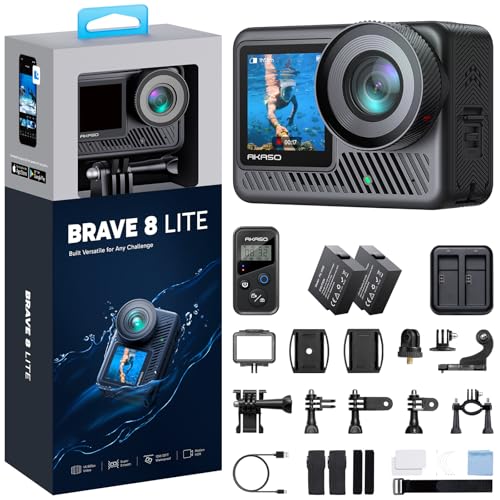
Action cameras are small, tough and wide angled, built for movement, water and rough handling. They suit outdoor posts, sports and travel clips where a larger camera would get in the way. Their small sensors struggle in dim light, and their wide view can distort close faces, so they work best as a second angle or an outdoor tool rather than a sole camera.
Interchangeable Lens Cameras
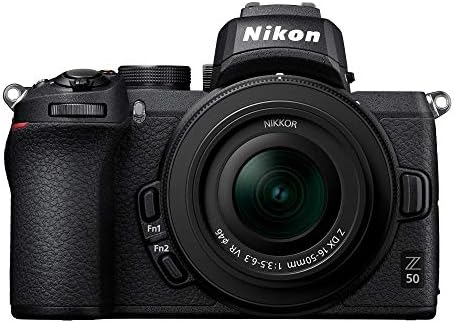
Interchangeable lens cameras let you swap lenses for portraits, wide rooms or distant subjects, and most best digital cameras in this class share that flexibility. They offer the best image quality and creative control, but they cost more and demand more learning. They suit bloggers who already shoot regularly and want a consistent visual style across photos and video.
Choosing a Blogging Camera for Your Situation
Your situation narrows the choice faster than any specification list. A desk based blogger needs good indoor performance and clean audio, while a travel blogger needs light weight, strong battery life and weather resistance. List your three most common shooting spots, then rule out any type that struggles in two of them.
Best Blogging Cameras for Beginners
Beginners benefit most from simple menus, reliable autofocus and a flip screen, rather than from manual controls they may not use yet. Fashion focused creators can also compare best cameras for blogging fashion for notes on color and portrait friendly lenses. Choose a type that feels comfortable in the hand and that records good video with default settings.
A microphone input is worth having, since clear audio improves a post more than a small sensor upgrade. Start with one lens or one fixed lens camera, learn its limits, and upgrade only when a specific limit blocks your content.
Keep the first kit simple so practice, not gear setup, takes most of your time.
Tips to Get the Most From Your Blogging Camera
- Use a lens cloth, not your shirt, to clean the lens, since fabric with grit can scratch coatings over time.
- Carry a spare battery and a spare memory card so a full card or a flat battery never ends a shoot early.
- Store the camera in a dry, padded bag to protect it from bumps, dust and damp air between shoots.
- Update firmware when the maker releases it, since updates often improve autofocus and fix small bugs.
- Record a short practice clip in each new location to check exposure, focus and audio before the real take.
- Keep a small light in your kit for indoor work, because even a modest light can lift a dull room scene.
Frequently Asked Questions
What type of camera is best for blogging?
It depends on your content. Vlogging cameras and compacts suit talking to the camera and travel, action cameras suit outdoor movement, and interchangeable lens cameras suit bloggers who want the best image quality and lens choice. Compare sensor size, lens aperture, focal length range and stabilization within the type you pick, since those factors decide image quality and handling.
How much should I spend on my first one?
Start with an amount that leaves room for a spare battery, a memory card and, if needed, a basic microphone. An everyday budget often covers a compact camera that handles daylight and bright indoor rooms well. Spending more makes sense once you record often enough to feel a specific limit, such as weak low light results or unreliable autofocus. Avoid stretching for a large sensor camera before you know you need its lens choices and manual controls.
What specs matter most for beginners?
Autofocus that tracks faces, stabilization for handheld shots and a screen you can see while recording matter most for beginners. Battery life and simple menus come next, because they decide whether shooting feels easy or frustrating. Sensor size and lens aperture matter too, but they help most once the basics work well. Judge a camera by a short sample video in your usual room light, not by a specification list alone.
Which is better for low light?
A larger sensor paired with a brighter lens usually performs better in low light than a small sensor camera. Interchangeable lens cameras lead here, followed by compacts with one inch sensors, while action cameras tend to struggle most in dim rooms. Lighting still matters: a small lamp placed near your face can improve any camera more than a modest sensor step up. If you record indoors often, budget for light as well as for the camera body.
Is a smartphone enough instead?
A recent smartphone can be enough for short posts, social clips and bright outdoor scenes, especially with a small tripod and an external microphone. A dedicated camera pulls ahead for longer recordings, optical zoom, low light work and consistent autofocus over time. Many bloggers use both, with the phone for quick clips and the camera for planned posts. Choose based on how often you hit a phone limit, not on the idea that a bigger camera always looks better.
Wrapping Up
The right choice balances sensor size, autofocus, stabilization and portability against your content and your budget. Start with your most common shooting situations, pick the type that fits them, then compare a short list on battery life, low light results and handling. Review the product table above once more with those priorities in mind, and choose the camera you will actually enjoy carrying and using week after week.
In short, the best blogging cameras are the ones that make recording feel easy, keep your face in focus, and hold up in the rooms and streets where you really shoot. Spend on the factors that remove your current limits, keep the kit simple, and let your content, not your gear list, do the talking.


