Best Cameras to Learn Photography in 2026: Which Type Is Right for You?
Disclosure: We may earn a commission when you buy through links on this page, at no extra cost to you. As an Amazon Associate I earn from qualifying purchases. Learn more

Compare the best cameras to learn photography by type: mirrorless, DSLR, and advanced compacts compared on controls, lenses, sensors, and used prices.
A first serious camera is a confusing purchase because the shelves hold several types that all promise sharp, beautiful photos. What separates them is not the badge but how much control each type hands you, and control is what learning is made of. If you are comparing the best cameras to learn photography, choose the type first, because the type decides which settings you can touch, which lenses you can add later, and how quickly your skills grow.
This guide compares the types side by side, explains the settings that actually teach, and shows where a used body saves real money. The comparison table below sums up each type, and the sections after it walk through the decision in plain terms.





Types of Cameras for Learning, Compared
Three digital types cover nearly every first purchase made for learning. Film belongs to a separate medium class, covered in our guide to best film photography cameras, because every frame costs money and feedback takes days. Readers who want the broader shelf after this comparison can also browse best digital cameras for general use.
| Type | Best For | Pros | Cons | Typical Price |
|---|---|---|---|---|
| Mirrorless | Learners who want room to grow | Live exposure preview, lenses swap as skills grow | Costs more to start, shorter battery life | about $350 to $800 |
| DSLR | Learners on a tight budget | Optical viewfinder, deep pool of cheap used lenses | Bigger body, weaker video tools | about $250 to $600 |
| Advanced compact | Learners who travel light | Full manual dials in a pocket size body | The lens never changes | about $300 to $700 |
Mirrorless Cameras
A mirrorless body has no mirror box, so its electronic viewfinder and rear screen show exposure, color, and depth of field before you press the shutter. That preview is a teaching tool, because you see a wrong setting and fix it before the frame is wasted. Most mirrorless bodies swap lenses, offer strong video tools, and stay smaller than DSLR bodies of the same sensor size.
The trade is price: new kits cost more, and battery life per charge is shorter. Choose this type if you want one system that can grow with you for years.
DSLR Cameras
A DSLR uses a mirror and an optical viewfinder, so you see the scene itself rather than a screen preview. The view is instant and clear, and the battery often lasts several days of shooting on one charge. Because makers have largely moved on to mirrorless designs, the used pool of DSLR bodies and lenses is deep and cheap.
Video tools are usually weaker, and the bodies are bigger to carry. Choose this type if your budget is tight and you mostly shoot stills.
Advanced Compacts With Manual Controls
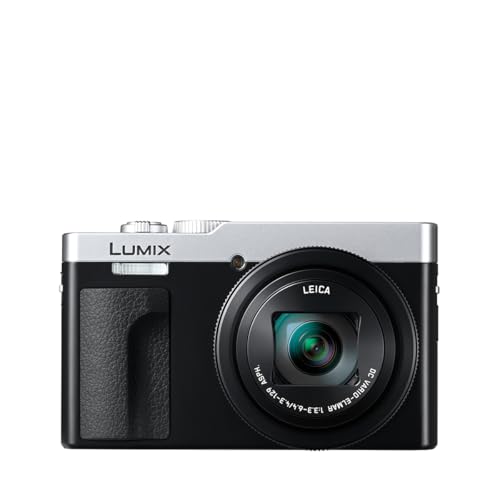
An advanced compact keeps a fixed lens but adds the full set of manual dials found on bigger cameras. You still set aperture, shutter speed, and ISO yourself, so the lessons are the same, and the camera fits in a coat pocket. Many roundups of best cameras for starter photography put this class first for people who will only carry a camera that travels light.
The ceiling is real: the lens never changes, so your framing range is fixed forever. Choose this type if small size is what will keep you shooting daily.
Mirrorless vs DSLR: Which Should You Choose?
Both types teach the same three settings, so the choice comes down to feedback, size, and budget. The mirrorless preview shows your exposure before the shot, which speeds up trial and error for a beginner. The DSLR viewfinder shows the real scene with no lag and no battery drain, which some learners find easier on the eyes. Mirrorless bodies and lenses run smaller, while DSLR gear on the used market runs cheaper for the same sensor size.
If video matters to you, mirrorless wins clearly. If stills on a strict budget matter most, a used DSLR kit is hard to beat.
How to Choose the Right Camera for Learning
With the type settled, five checks separate a camera that teaches from one that frustrates. These checks matter more than any general ranking of best cameras for photography, because a camera that hides its settings slows every lesson you try to learn.
Manual Controls Come First
Learning photography is a control exercise, stated plainly. You learn by setting aperture, shutter speed, and ISO yourself, then seeing what each change does to the frame. A type that exposes those three settings on dials or in a clear menu teaches with every shot, while a fully automatic type hides the lesson, because the camera decides and you never learn why a photo worked. Look for a mode dial with manual and priority modes, plus buttons you can reach without opening a menu.
Sensor Size and Image Quality
Sensors in this class range from 1 inch compacts to APS C bodies and a few full frame bodies. A larger sensor gathers more light, so photos stay cleaner when you raise ISO in dim rooms, and background blur comes easier. Megapixels are not the whole story, since a modest count on a big sensor beats a huge count on a tiny one. For most learners, APS C is the balance point: big enough to reward good technique, cheap enough to buy well used.
Lenses and Room to Grow
An interchangeable lens mount is the growth class of this purchase. The kit lens that comes with most bodies teaches framing and zoom range, and later a fast prime lens teaches depth of field in a way no fixed lens can match. Before you buy a body, check that lenses for its mount cover the subjects you love, at prices you can reach. Bodies get replaced every few years, while good lenses stay in your bag for a decade.
Video Capabilities
Most learners buy for stills, yet video tools are worth one check. A body that records 4K video, takes an external microphone, and has a screen that flips toward you will also serve family films and simple vlogs. Smooth autofocus during recording is the feature that matters most, because hunting focus ruins clips faster than lower resolution does. If you know video will stay a side interest, weight this section lightly and put the money toward lenses instead.
Battery Life and Charging
Makers rate battery life in shots per charge, and mirrorless bodies usually rate lower than DSLR bodies because their screens and viewfinders draw power constantly. USB C charging is worth having, since you can top up from a power bank between lessons. Whatever type you pick, budget for one spare battery from the start, because a dead camera teaches nothing. Cold weather shortens every charge, so winter learners feel this gap first.
Buying Used: The Honest First Step
The used market is the honest first step for learners, stated plainly. A body from two generations back teaches the same three settings as a new one, and the savings can fund a better lens or a sturdy tripod. Most roundups of best beginning photography cameras point to these same older bodies for exactly that reason. Check the shutter count, test every dial and button, look for sensor dust, and buy from a seller who accepts returns.
How to Make Your Learning Camera Last Longer
Clean the front lens element with a lens cloth, never your shirt, because grit in fabric scratches coatings. Carry the camera in a dry, padded bag, and store it at home away from steamy rooms so moisture stays out of the lens. Rotate your spare battery instead of leaving it flat in a drawer, and wipe the body after dusty or salty outings. Small habits like these keep a used body teaching for years.
Questions Answered for New Photographers
How much should I spend on a first camera for learning photography?
Spend about $250 to $600 on a used interchangeable lens kit for the best learning value. Split that budget unevenly: the smaller share goes to the body and the larger share to the lens, because the lens shapes your photos more and stays when the body is replaced. Keeping about $40 aside for a bag, a memory card, and a spare battery protects the purchase from day one.
Is a smartphone enough to learn photography?
A smartphone is enough to learn composition, timing, and how light changes a scene. It falls short on manual control, because most phone cameras set exposure for you and the small sensor blurs backgrounds with software rather than optics. A camera app with manual settings can bridge the gap for a while, but once you want to choose aperture and shutter speed on purpose, a real camera body becomes the teacher.
Should I learn photography on a film camera or a digital camera?
Digital is the better teacher for most people because the screen shows your result at once, so each mistake costs seconds instead of days. Film slows you down in a useful way once the basics stick, since every frame costs money and care. Start digital, and treat film as a second stage if its pace appeals to you later.
Do megapixels matter when choosing a camera to learn on?
Megapixels matter far less than sensor size and lens quality at this stage. A sensor with 24 megapixels already holds enough detail for large prints and heavy cropping, so extra counts mostly buy bigger files. Spend attention on the lens aperture and the sensor instead, because those two shape low light results and background blur in ways a megapixel number never will.
Can I learn photography on a camera with no manual mode?
You can learn framing, timing, and light on an automatic camera, but exposure itself will stay a mystery. Exposure compensation is the bridge control to look for, because it lets you order the camera to make a scene brighter or darker and see the result. That single dial teaches brightness judgment, and it is the first thing to try before upgrading.
Final Thoughts
Start with the type that puts the three exposure settings in your hands, since control is the whole lesson. Add a lens path you can grow into, let the used market stretch your budget, and ignore spec races while you learn. Used with the product table above, those checks will point you to the best cameras to learn photography for your budget and your pace. Prices and availability can change, so check the product page before ordering.