
Best Cameras for Underwater Photography: What Actually Matters Before You Buy 2026
Disclosure: We may earn a commission when you buy through links on this page, at no extra cost to you. As an Amazon Associate I earn from qualifying purchases. Learn more

Learn what matters in cameras for underwater photography, from depth ratings and sealing to lenses, light, and care, so you can choose a setup for your dives.
Shopping for best cameras for underwater photography starts with one honest question: where will you actually take the camera? A snorkeler in clear shallows, a scuba diver on a reef wall, and a pool photographer all need different depth ratings, controls, and lenses. This guide walks through the criteria that matter, so you can compare options with confidence and see the comparison table below before you narrow the field.
Underwater shooting rewards simple, reliable choices. Water absorbs light and color, pressure tests every seal, and thick gloves make tiny buttons hard to use. The sections below explain each factor in plain language, flag the traps that catch first time buyers, and end with a checklist you can use before ordering. Keep your own diving limits in mind throughout, and follow local diving and water rules wherever you swim or dive.


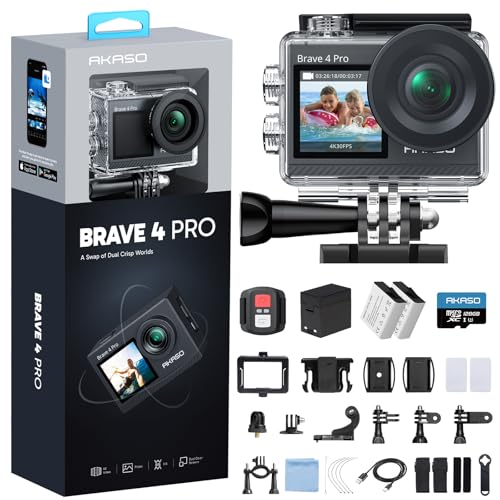
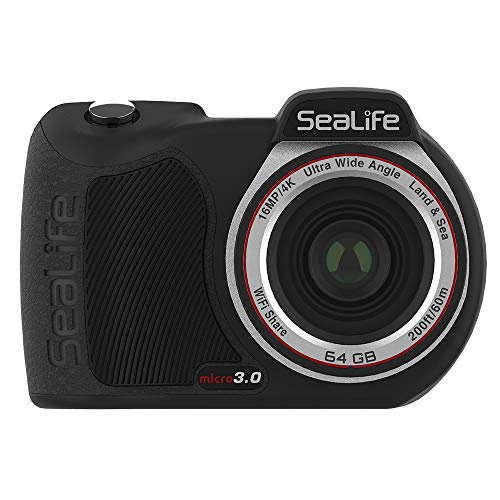
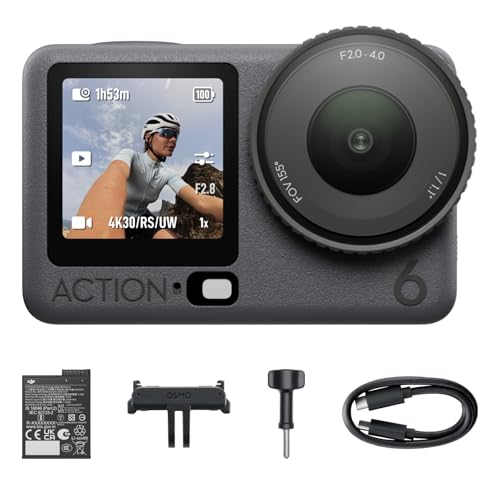
Buyer Criteria for Underwater Photography
Use this section as your scorecard. A camera can look strong on paper yet fail underwater if its housing floods, its controls fight your gloves, or its lens fogs on the first descent. Judge every option against the same set of factors, and give extra weight to the ones that match your depth, your water, and your experience.
Features That Matter for Underwater Photography
Underwater photography demands a sealed body or housing, controls you can work by feel, and a lens that stays clear in changing temperature. Look for a clear depth rating from the maker, a simple way to change modes without opening the housing, and a screen you can read in bright surface light and dimmer water below. A red filter or custom white balance helps restore warm tones that water strips away, and a fast autofocus system matters because fish and divers rarely hold still. Skip features built for land shooting, such as long telephoto reach, when they add bulk without helping you underwater.
Sensor Size and Image Quality
Sensor size shapes low light performance and detail, but megapixels alone do not decide image quality. A larger sensor usually gathers more light, which helps in the green or blue dimness below the surface, while a smaller sensor keeps the camera compact and easier to handle. Look at how the camera handles high sensitivity settings, since grain grows quickly in dark water, and check sample images taken underwater rather than on land. For general use, see our guide to the best cameras for photography to compare sensor sizes in a broader context.
Underwater, a clean image at moderate sensitivity beats a huge file full of noise.
Ease of Use for Your Skill Level
A new underwater shooter needs dependable automatic modes, clear menus, and a shutter button that works through gloves or a housing. More experienced shooters may want manual exposure, raw files, and external lights, but those controls only help if you can reach them without fumbling. Try to picture the whole sequence: descend, frame, focus, shoot, review, and adjust. If any step needs two hands and perfect vision, it will frustrate you at depth.
If you are just starting out, our guide to the best beginning photography cameras explains automatic modes in more depth. Choose the simplest camera that still gives you room to grow.
Durability, Sealing, and Depth Ratings
The depth rating is the number to trust, and it must come from the maker, not from a seller listing. A camera rated to about 10 meters suits snorkeling and shallow pool work, while scuba diving calls for a housing rated well beyond your planned depth. Check how the sealing ring seats, whether the housing uses a latch you can verify by sight and touch, and how often the maker advises replacing seals. Rinse the sealed camera in fresh water after salt water use, dry it before opening, and never open a housing over sand or spray.
To compare sealed designs, see our guide to the best underwater cameras alongside this one. A flooded camera ruins a trip, so treat sealing as the top priority.
Video Capabilities
Video suits underwater shooting well, since movement and light tell the story of a reef or a wreck in ways still images cannot. Look for smooth 4K or high definition recording, steady footage when you swim, and a microphone setup that tolerates water. A flip screen helps when filming yourself or checking framing at arm's length, and a wide lens captures more of a scene without forcing you to back away. Check recording limits and battery life in cold water, since both can fall short of land ratings.
If video matters more than still images, weight video quality and stabilization above still image resolution.
Size, Weight, and Handling
Bulk matters more underwater than on land, because drag tires your arms and a large rig changes your buoyancy. Compact cameras travel easily, fit in a small bag, and suit snorkelers and travelers. Larger housed cameras offer better controls and lights but need a tray, arms, and careful packing. Consider how the rig balances in your hands, whether you can operate the shutter with one hand, and how much weight you can carry on a boat or a hike to shore.
A camera you leave behind because it is awkward helps no one, so favor the size you will actually carry on every outing.
Lens and Zoom Range
Underwater, you shoot close. Water softens detail and color with distance, so a wide to moderate lens usually beats a long zoom. A wide lens suits reefs, wrecks, and large animals, while a moderate zoom handles fish portraits and small creatures. Check the closest focusing distance, since many underwater subjects sit within arm's reach, and note whether the lens accepts wet mount wide or macro adapters.
A bright maximum aperture helps in dim water, and a lens that stays sharp at the edges matters for wide reef scenes. Favor versatility at close range over reach you will rarely use.
| Type | Best For | Watch For | Typical Price |
|---|---|---|---|
| Compact sealed camera | Snorkeling and travel | Modest low light image | About $100 to $300 |
| Action style camera | Video and rough handling | Small sensor in dark water | About $150 to $400 |
| Mirrorless camera in housing | Serious stills and video | Weight, ports, and setup time | About $800 and up with housing |
| Phone in dive housing | Casual shallow shooting | Flood risk to an expensive phone | About $100 to $300 for housing |
Spending Levels That Fit Different Divers
Budgets for underwater shooting vary widely, and the right level depends on how often you dive and how deep you go. The levels below describe what each tier typically buys, not specific products, so you can match your spending to your plans.
A Modest Start for Snorkelers and Pool Days
At about $100 to $300, you generally find compact sealed cameras and simple housings for phones, plus basic floats and straps. This level suits snorkeling, pool sessions, and shallow shore dives where a modest depth rating is enough. Expect dependable automatic shooting, decent daylight images, and limited low light performance. Spend the savings on a float strap, a spare battery, and a soft cloth, since losing a camera hurts more than a slightly softer image.
A Capable Middle Ground for Regular Divers
At about $300 to $800, you step into stronger sealing, better low light performance, and housings with fuller controls. This level suits divers who go out several times a year and want manual settings, raw files, and room for a video light later. You also gain better autofocus and a wider lens choice. At this level, put money into the housing and seals first, since a housing failure costs far more than a small sensor upgrade.
If you are new to photography in general, see our guide to the best cameras for starter photography for a grounding in basic settings.
A Serious Setup for Dedicated Shooters
Above about $800, you enter larger sensors, full housings with complete controls, and ports for interchangeable lenses. This level suits dedicated divers who shoot often, print large images, or use external strobes. Expect better dynamic range, faster focus, and a heavier, more complex rig that needs careful setup and maintenance. Before spending at this level, be sure you dive often enough to justify the weight, the packing, and the care routine, and that your diving training matches the depths you plan to shoot.
Quick Buyer Checklist
Run through these questions before you order. A "no" on any item means you need more research or a different option.
- Does the maker state a depth rating that covers your deepest planned dive with margin to spare?
- Can you operate the shutter and mode controls by feel, with gloves on?
- Does the lens focus close enough for the subjects you want to shoot?
- Is there a red filter, custom white balance, or light option for restoring color?
- Do you know how to seat, inspect, and replace the sealing ring?
- Will the full rig, including housing and lights, fit your travel bag and your budget?
- Have you planned fresh water rinsing, drying, and storage after each outing?
- Does the battery last for a full dive day, or will you carry a spare?
Red Flags to Watch For
Watch for vague depth claims such as "water resistant" with no rated depth, since that phrase alone tells you nothing about diving. Be wary of listings that hide the housing maker, omit seal care instructions, or promise professional results from a basic setup. Short or unclear warranties, missing spare seals, and controls that cannot be tested before purchase are also warning signs. If sample images all come from pools or bright shallows, ask how the camera performs in deeper, darker water.
A trustworthy listing states ratings, seal care, and limits plainly.
Choosing Cameras for Your Situation
Different underwater shooters need different strengths. The groups below focus on what each style demands, so you can weigh the right tradeoffs.
Best Compact Cameras for Underwater Photography: What to Check
Compact underwater cameras trade sensor size for simplicity, small size, and a sealed body with no separate housing to flood. Check the depth rating, the close focusing distance, and whether the lens stays wide enough for reef scenes. Favor models with a clear screen, a simple menu, and a battery you can swap on a boat. Compact cameras suit snorkelers, travelers, and new divers who want good daylight images without a heavy rig.
Best Canon Cameras for Underwater Photography: What to Check
Canon cameras appear across compact, mirrorless, and housed styles, so judge them by housing availability rather than by brand alone. Check whether a housing exists for the exact camera body, whether it gives access to the controls you use most, and whether ports match the lenses you plan to use. Generic maker criteria matter here: warranty terms, service access, lens range, and the availability of spare seals. Never assume a housing fits a newer body that looks similar.
Best Mirrorless Cameras for Underwater Photography: What to Check
Mirrorless cameras in housings offer larger sensors, interchangeable lenses, and strong video, at the cost of size, weight, and setup time. Check port compatibility for each lens, since a port built for one lens rarely suits another, and confirm that focus, aperture, and zoom gears all work through the housing. Plan for buoyancy arms and lights if you shoot wide scenes or video. Mirrorless housings suit divers who already shoot on land and want the same image quality below the surface.
Best GoPro Style Action Cameras for Underwater Photography
Action style cameras suit hands free mounting, video, and rough handling, with a wide lens and simple controls. Check the depth rating with and without an extra dive housing, since the bare rating may be shallower than your dives, and confirm mount compatibility with masks, trays, and selfie sticks. Small sensors struggle in dark water, so plan for a video light if you dive deep or shoot in murky conditions. Action cameras suit surfers, snorkelers, and divers who value video and durability over still image control.
Setup and Care Tips
Set up in a clean, dry place away from sand and spray. Inspect the sealing ring for hair, grit, or nicks, seat it evenly, and close the latch fully before entering the water. Test the empty housing in a sink or a shallow pool when it is new, and check for fogging by keeping the camera cool and dry before the dive. After each outing, rinse the sealed rig in fresh water, dry it fully before opening, and store it in a padded bag away from heat.
Carry a spare battery and a soft lens cloth, and replace seals on the schedule the maker advises. Dive only within your training and comfort, and follow local diving and water rules on every outing.
Frequently Asked Questions
What features matter most in cameras for underwater photography?
A trustworthy depth rating matters most, followed by sealing you can inspect, controls you can use with gloves, and a lens suited to close range shooting. Color tools such as a red filter or custom white balance come next, since water removes warm tones quickly. Autofocus speed and low light performance matter for moving subjects and deeper dives. Features built for land, such as long zoom reach or fast burst rates, matter far less underwater.
Judge a camera by how it handles depth, sealing, light, and handling together, not by any single specification.
Is a smartphone enough instead of a dedicated underwater camera?
A phone in a rated housing can work well for snorkeling, pool photos, and casual video, and it keeps editing and sharing simple. Dedicated underwater cameras usually offer better sealing margins, physical controls, and low light performance, plus lenses built for close range work. Phones also risk a costly loss if a housing floods, and touchscreens grow awkward through thick housing material. If you dive often, shoot in dark water, or want manual control, a dedicated camera earns its place.
For occasional shallow use, a phone housing is a reasonable start.
How much should I spend on my first underwater camera?
Most first time underwater shooters do well at about $100 to $300, which covers a compact sealed camera or a phone housing plus a float strap and a spare battery. That level suits snorkeling and shallow diving while you learn framing, buoyancy, and color control. Move up only when a clear limit appears, such as a depth rating that is too shallow or controls you cannot reach. Spending more before you know your style often buys features you never use.
Save part of your budget for seal care, storage, and a light.
Which setup works better for low light underwater?
A larger sensor, a bright lens, and a video light or strobe help most in low light, along with steady handling and a willingness to shoot close to your subject. Wide lenses gather more of the available light and reduce the water between you and the scene. Avoid pushing sensitivity so high that images turn grainy, and learn to accept some noise rather than blur from slow shutter speeds. For deep or murky dives, a light matters more than a sensor upgrade, since no sensor creates light that is not there.
What does a depth rating actually tell you?
A depth rating states the maximum depth the maker certifies for that camera or housing, tested under controlled conditions. It is not a guarantee for every dive, since seals age, temperature changes, and knocks can reduce protection. Treat the rating as a ceiling, not a target, and keep a margin between the rating and your planned depth. Check whether the rating covers the bare camera or requires an extra housing, and follow the maker's seal inspection and replacement schedule.
When in doubt, choose a deeper rating than you think you need.
Wrapping Up
The best choice balances depth rating, sealing, handling, and light for the water you actually visit. Start with your deepest planned dive, then choose the simplest rig that meets that depth with margin, focuses close, and lets you change settings by feel. Review the product table above once more, run through the buyer checklist, and set aside budget for seal care and a spare battery. With those basics covered, best cameras for underwater photography becomes a choice you can make with confidence rather than a guess.


