Best Cameras for Video under 200 in 2026: Which Type Is Right for You?
Disclosure: We may earn a commission when you buy through links on this page, at no extra cost to you. As an Amazon Associate I earn from qualifying purchases. Learn more

Compare camera types for video under 200, from mirrorless and vlogging models to simple compacts, and learn which features and size fit your filming plans.
Shopping for video on a tight budget can feel confusing because every camera shape handles light, sound, and movement in a different way. The best cameras for video under 200 are the ones that match how you film, where you film, and how much gear you want to carry. The comparison table below sets out the main types side by side so you can spot the trade offs before you spend anything.
This guide compares types rather than naming single winners, and it explains battery life, sensor size, and video features in plain terms. Read the type comparison first, then work through the buying factors that matter most for video.


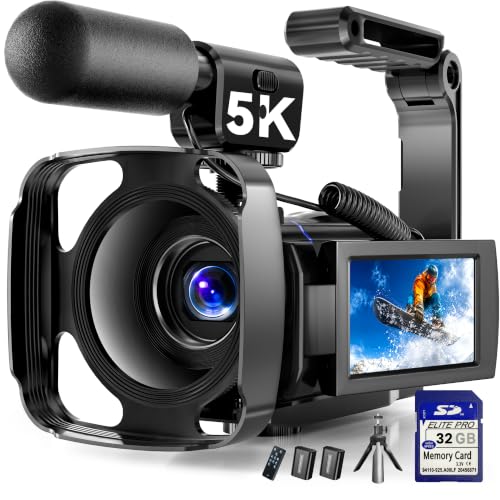
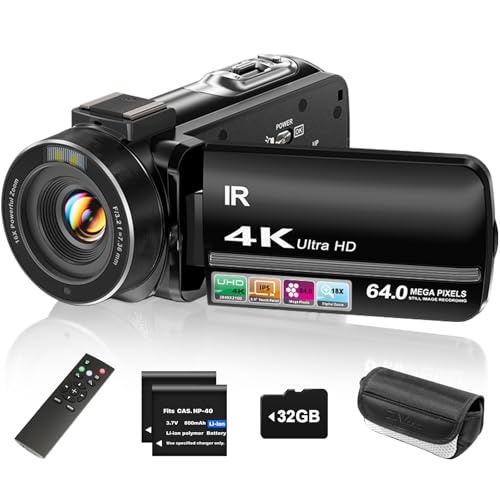

Types of Cameras Compared
At this price, the shape of the camera often matters more than any single specification on the box. A larger body can hold a bigger battery and a better grip, while a pocket size body is easier to carry all day. The table below gives a quick view of the three main types.
| Type | Best For | Pros | Cons | Typical Price |
|---|---|---|---|---|
| Mirrorless cameras | Planned filming with room to grow | Flexible lenses and strong image quality | Larger size and a learning curve | Mostly used bodies near $200 |
| Vlogging cameras | Talking to the camera on the move | Simple controls and a screen you can see | Less room to change lenses | About $120 to $200 |
| Point and shoot compacts | Simple everyday clips and travel | Small size and easy operation | Smaller sensor and weaker low light results | About $80 to $180 |
Mirrorless Cameras
A mirrorless camera uses an electronic viewfinder or a rear screen instead of a mirror box, which keeps the body smaller than a traditional large camera while still allowing you to change lenses. That flexibility is the main draw, since a wide lens suits rooms and landscapes while a longer lens suits distant subjects. Image quality can be strong for the price, especially in good light.
The trade offs are size, cost, and complexity. Even a small mirrorless body plus a lens takes more bag space than a pocket compact, and a second lens adds cost later. Menus can feel deep at first, so expect a short learning period before filming feels natural.
Vlogging Cameras
A vlogging camera is built around talking to the lens, often with a screen that flips forward so you can check framing while you record. Controls tend to be simple, startup tends to be fast, and many models include steadying help for walking shots. Those traits suit diaries, how to clips, travel notes, and short social videos.
The limits show up when you want a very different look from one shoot to the next. Lens choice is usually fixed or narrow, low light performance varies a lot, and sound quality depends heavily on the built in microphone and on wind. A model with a microphone input gives you a useful upgrade path for clearer speech. See our guide to best hd video cameras under 200 if crisp everyday footage is your main goal.
Point and Shoot Compacts
A point and shoot compact is the simplest route into video, with a fixed lens, automatic exposure, and a body that slips into a jacket pocket. For family moments, holidays, and casual clips, that simplicity is a real advantage, since you are more likely to have the camera with you and ready. Zoom range varies, so check whether the stated zoom is optical, which uses the lens itself, or digital, which crops the image and can soften detail.
The main weakness is the smaller sensor, which gathers less light and can produce noisier results indoors or at dusk. Battery life also tends to be shorter, so a spare battery is a sensible extra for a long day out. If easy carrying matters more than creative control, this type is hard to beat. Readers who want the smallest possible kit can compare best compact cameras under 200 in the product table above.
Mirrorless Cameras vs Vlogging Cameras: Which Should You Choose?
Choose by how you film rather than by which type sounds more advanced. Mirrorless models win on flexibility, since changing lenses changes the look of footage in a way a fixed lens cannot match. Vlogging models win on speed and ease, since you can start quickly, see yourself on screen, and carry a lighter kit.
Sound, stabilization, and battery life split the two types as well. A vlogging camera often pairs well with a small microphone and a grip, while a mirrorless body may need extra accessories for the same ease. If your videos are mostly planned scenes or interviews, lean toward mirrorless. If you are mostly on the move, speaking to viewers, lean toward a vlogging design.
How to Choose the Right Camera
Battery Life and Charging
Video drains batteries far faster than still photos, so stated shot counts can mislead. Look instead for video recording time per charge, and treat a figure under one hour as a sign that you will need a spare battery or a charging plan. Charging over USB C is convenient, since the same cable and power bank that charge a phone can often top up the camera between shoots.
Also check whether the camera can record while it charges, because that feature turns a power bank into a long session solution for interviews and events. Spare batteries add cost, so include at least one in your budget for trips and events. Follow maker guidance on battery care, keep batteries away from heat, and keep small parts and batteries away from children.
Sensor Size and Image Quality
Sensor size shapes how much light the camera gathers and how clean footage looks when light drops. A 1 inch sensor gathers more light than the tiny sensor in many pocket models, while an APS C sensor gathers more still. At this price, full frame is out of reach, so the realistic choice is between a small sensor and a mid size sensor, and the larger option usually wins indoors.
Megapixel count alone does not decide video quality, since video uses only part of the sensor in most cases. Look instead at steady footage, clean color, and usable results in dim rooms, and treat very high resolution claims with care when the sensor is small. A camera that records smooth, clean high definition video will serve most viewers better than one that promises a high resolution number but struggles in ordinary light.
What You Can Realistically Get Under $200
Under $200, expect solid everyday video rather than professional polish. You can reasonably hope for sharp footage in daylight, usable sound in quiet rooms, and basic stabilization for slow walking shots. Do not expect flawless low light results, cinema style background blur, or long battery life, since those traits usually sit in higher price bands.
Spend where the loss would hurt most. Prioritize stabilization and sound if you film while moving or speaking, and prioritize a larger sensor if you film indoors. Do not cut corners on a fast memory card, since a slow card can stop a recording without warning. Shoppers weighing overall quality at this budget can also review best quality cameras under 200 before settling on a type.
Size, Weight, and Ergonomics
A camera you leave at home records nothing, so size and weight deserve honest thought. A pocket compact suits travel and days when you carry little else, while a mirrorless body suits planned outings where a bag is already part of the kit. Grip matters for long sessions, since a shallow grip can tire your hand during a full afternoon.
Button placement matters as well, especially the record button and the zoom control, which you will reach without looking. If possible, handle the shape in a shop or study clear photos of the grip and button layout before ordering. A wrist strap is a cheap safeguard against drops, and a small case protects the lens in a bag.
Features That Matter for Video
Video has its own feature list, and still photo strengths do not always carry over. Stabilization matters most, because shaky footage distracts viewers faster than any other flaw, so look for steadying that works while walking. Autofocus that follows a face smoothly also matters, since hunting focus pulls attention away from the scene.
Sound deserves equal weight, because viewers forgive a slightly soft image sooner than muffled or windy speech. A microphone input and a wind cover option are useful at this price, even if only one is present. Treat 4K video as a bonus rather than a must at this budget, since clean high definition footage with good sound often pleases viewers more.
Best Cameras for Specific Needs
Best Digital Cameras for Video under 200
The word digital here points to cameras that record to a memory card with on screen menus, rather than older tape or disc designs, so the practical difference is workflow, not magic. Favor models with fast card support, simple file transfer, and clear menu wording, since those traits decide how quickly clips move from camera to edit. Also favor a model whose battery can be swapped, because recording still ends when power ends.
Best Cameras for Video under 200 Dollars
Thinking in dollars rather than in types helps you set a firm ceiling and judge what each extra dollar buys. At the lower end, expect basic stabilization and daylight strength, while the upper end may add a better sensor, a microphone input, or a flip screen. Compare two models at different points in the band on sound and stabilization first, since those differences show up in every clip.
Best DSLR Cameras for Video under 200: Which Type Works Best
A traditional DSLR shape is rare at this price when bought new, so most shoppers here will meet mirrorless designs that offer a similar large sensor feel in a smaller body. The traits that made DSLR shapes appealing still apply, including comfortable grips, clear viewfinders, and access to many lenses over time. If a DSLR shape matters to you, check lens availability and weight, and weigh whether a mirrorless alternative gives the same creative room for less money and bulk.
Best Cameras for Video under 400: Which Type Works Best
Stepping up toward 400 opens wider choices, including larger sensors, stronger stabilization, and better low light results, but it does not change the core questions in this guide. The same tests still apply, including how the camera feels after an hour, how it handles a dim room, and how clean speech sounds outdoors. Use the higher budget to fix the one weakness that bothered you most at the lower price, rather than paying for every feature at once.
How to Make Your Camera Last Longer
Simple habits protect video quality over time. Use a lens cloth, not your shirt, since shirt fabric can drag grit across the glass and soften later clips. Carry a spare battery, store the camera in a dry, padded bag, and keep the lens cap on when you are not filming. Wipe the body dry after rain or beach use before you open any card or battery door.
FAQs
Can you get a good camera under $200?
Yes, you can get a good camera under $200 for everyday video, provided your hopes match what this price band does well. Daylight clips, family moments, and travel notes can all look clean and watchable with steady handling and decent sound. Results weaken in dim rooms and fast action, so buyers who film concerts or night scenes often need a larger budget.
What features matter most in cameras for video?
Stabilization, autofocus behavior, and sound matter most for video, ahead of headline resolution numbers. Smooth footage keeps viewers watching, focus that follows a subject without pulsing keeps scenes natural, and clear speech carries the message even when the image is modest. Battery life and a sensible control layout come next, since a camera that dies mid scene will frustrate you on every outing.
Do you need 4K video for everyday clips?
No, you do not need 4K video for everyday clips, and clean high definition footage often serves family videos, social posts, and online lessons just as well. The advantage of higher resolution shows mainly when you crop footage during editing or display clips on a very large screen. Higher resolution also fills memory cards faster and demands more editing power, so weigh those costs against the small visible gain.
What specs matter most for beginners?
Beginners benefit most from simple menus, reliable automatic exposure, steady footage, and a battery that lasts a full outing. Sensor size matters too, but only as a rough guide to low light behavior, not as a number to chase on its own. A camera that starts fast, focuses without fuss, and records clear sound will teach good habits sooner than a complex body whose best settings stay hidden in deep menus.
How much should I spend on my first one?
For a first video camera, a budget around $120 to $180 covers a capable compact or vlogging type without locking you into features you may not need. Spend less if filming is an occasional hobby, and spend toward the top of the under $200 band if you film weekly or want a microphone input. Reserve part of the budget for a fast memory card and a spare battery, since those extras prevent more lost footage than any small specification upgrade.
Wrapping Up
The right choice comes down to three tests: how you film, where you film, and how much kit you will actually carry. Mirrorless types suit planned shoots and growth, vlogging types suit speaking on the move, and compacts suit simple everyday clips. Check stabilization, sound, and battery life before resolution, and set realistic hopes for low light results at this price. The best cameras for video under 200 are the ones that pass those tests for your own filming life, so compare the product table above once more before you choose.