Best Cameras for under 150 in 2026: What Actually Matters Before You Buy
Disclosure: We may earn a commission when you buy through links on this page, at no extra cost to you. As an Amazon Associate I earn from qualifying purchases. Learn more

Compare the best cameras for under 150 by sensor size, zoom, sealing and ease of use, with budget bands, red flags and care tips for a first purchase.
A $150 cap rewards honesty. New cameras at this price compete with two rivals: the phone already in your pocket and an older used camera. The best cameras for under 150 are the new models that still beat both on the checklist below, mainly through real optical zoom, a sensible sensor and a body that survives daily carry.
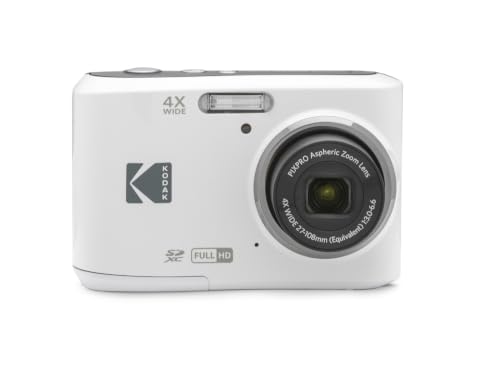
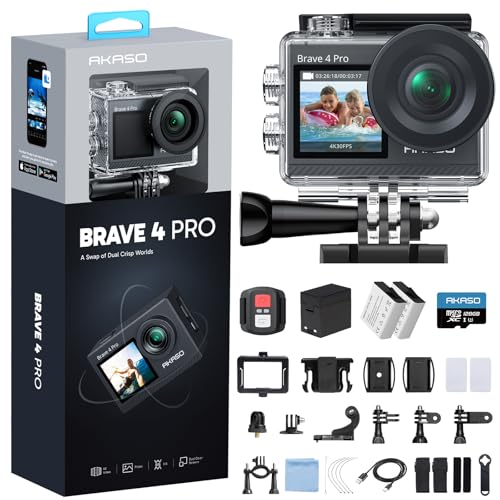
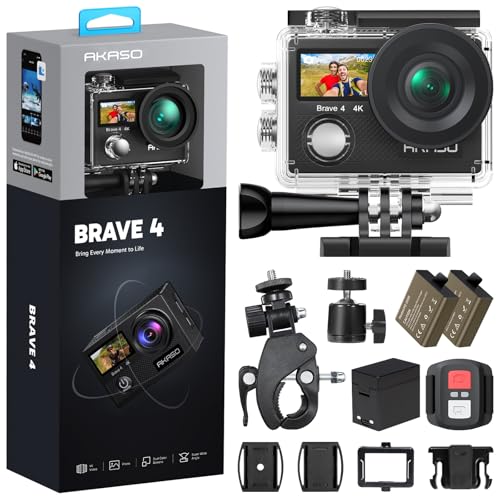
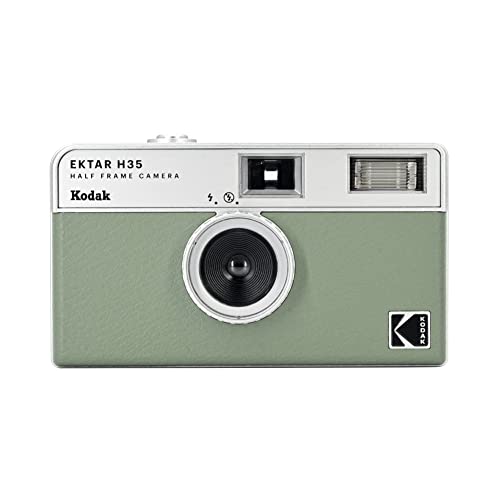
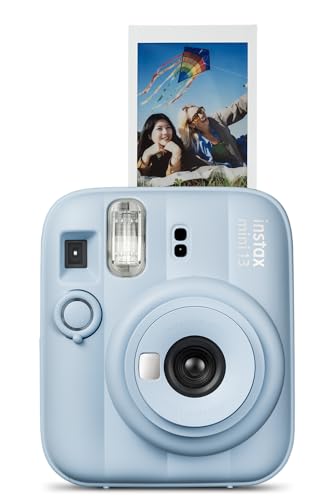
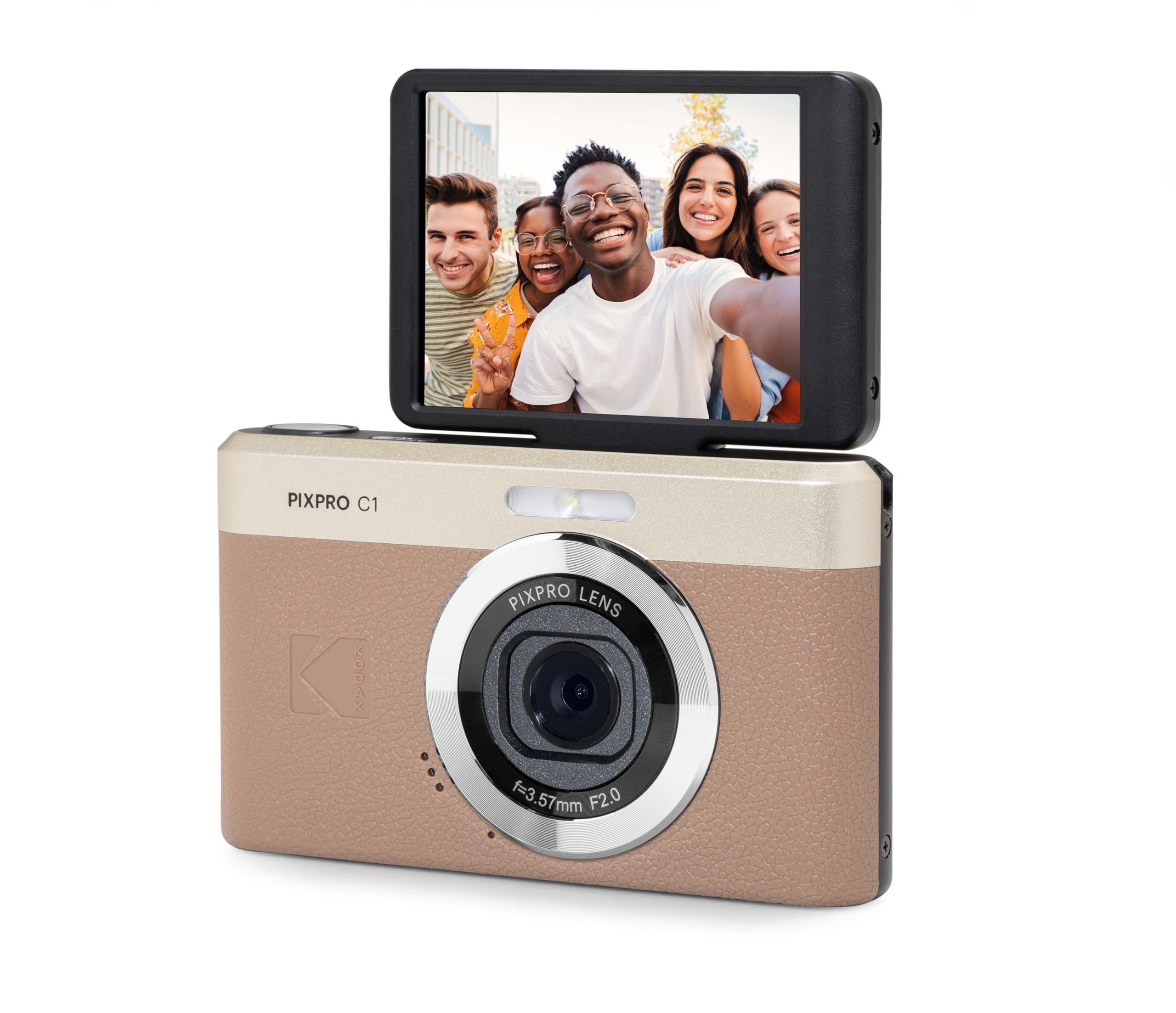
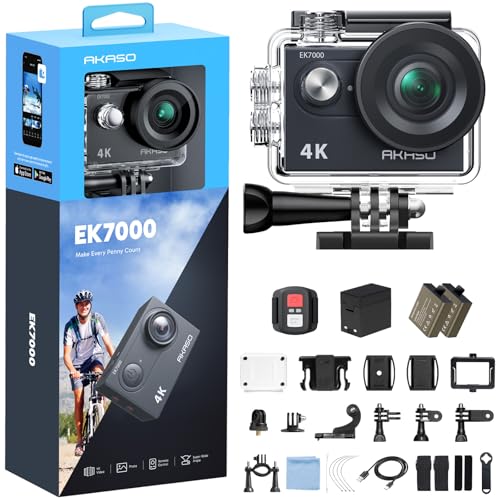
This guide judges every class by sensor and zoom first, then sealing, low light and ease of use, and it counts the full spend, cards and cases included. The comparison table below lists the classes that pass the early checks. Wider roundups of best digital cameras under 150 add more names, but the criteria here are what separate a keeper from a toy at this cap.


Key Features to Compare at This Price
Work through the six checks in order. A camera that fails an early one rarely redeems itself later, and at this cap there is no money left to fix a wrong first choice.
What You Can Realistically Get Under $150
Expect a small sensor, a fixed lens on most models, and video that tops out at modest frame sizes. What you should not accept is a toy grade build: mushy buttons, a screen you cannot read outdoors, and zoom quoted only in digital terms. Broader lists of best cameras under set prices show how fast features thin out as caps drop, which is why this guide holds one line: sensor and optical zoom get the money first, and screens and extras get what remains. A realistic keeper at this cap shoots clean daylight photos, focuses without long hunting, and survives a year of daily carry.
Sensor Size and Image Quality
Most cameras at this cap use a small sensor, around the size found in better phones, and a few used models step up to larger formats. Sensor size decides low light cleanliness and how much of a frame you can crop before detail falls apart; megapixel counts mostly decide marketing. A modest count on a larger sensor beats a huge count on a tiny one, because each pixel gathers more light. Judge sample photos at full size when you can, and distrust any listing that shows only small, bright thumbnails. Stabilization helps here as well, since it lets the sensor work at slower shutter speeds in dim rooms.
Durability and Weather Sealing
True weather sealing is rare at this price, so read the wording carefully: splash resistant is a light rain promise, not a downpour one. Rugged action classes are the exception, trading photo controls for sealed bodies that shrug off drops and shallow water; that trade is laid out in guides to best action cameras under 150. For a standard compact, a wrist strap, a padded case and care around sand do the protective work that seals do on costlier cameras. Check the battery door and port covers too, since loose covers are where dust and moisture enter first.
Low Light Performance
Dim rooms, evening streets and school gyms expose this budget fast. A lens that opens to a wide aperture gathers more light than sensitivity settings alone can fake, and optical stabilization steadies the slower shutter speeds that dim scenes force on you. Expect grain in the shadows from any small sensor here; the goal is grain you can live with, not clean files. Cameras that smear detail with heavy noise reduction look smooth in samples and waxy in real prints. If your subjects sit still, a small tripod class support beats every in camera trick at this price.
Ease of Use for Your Skill Level
A first camera should teach, not fight. Look for an automatic mode that behaves, a menu you can read at arm's length, and transfer to a phone that takes seconds rather than an app ritual. Physical dials are rare in this class, but a dedicated video button and a simple mode dial still help. If a camera hides its flash and focus settings three menus deep, beginners end up trusting full auto forever and learning nothing from the camera they bought.
Lens and Zoom Range
Optical zoom is real glass moving; digital zoom is cropping with extra steps, and at this price the crop shows. A range covering wide scenes to modest portraits, roughly 24 to 120 mm in full frame terms, serves most beginners well. Read the aperture at the long end too, because many budget zooms go dim exactly where you need light most. A shorter, brighter zoom usually beats a longer, dimmer one for family and travel use.
Three Ways to Split the Budget
The product table above groups the current classes by band. These three bands show where each dollar does the most work, and what you give up at each step down.
Under About $80: The Simple Point and Shoot Class
At the floor of the budget you get basic compacts and older stock: small sensors, modest zooms and few manual controls. They still beat a phone for one reason, real optical zoom, and they make fine first cameras for kids and casual trips. Buy on condition and battery health rather than features, and expect daylight to be their home territory. Every dollar saved here can go toward the memory card, case and spare battery the camera still needs.
About $80 to $120: Zoom and Video Step Up
The middle band adds longer optical zooms, better screens and usable video, and it is where most happy buyers land. Comparisons of best cameras under 150 dollars tend to cluster in this band, because this is where stabilization and honest autofocus start appearing together. Prioritize a bright lens over extra zoom reach, and check that video records with sound you can stand, since microphones are the quiet cut at this level. A tilting screen in this band is worth more than a few extra megapixels.
About $120 to $150: Top of the Budget
The top band buys the best small sensors in new compacts, or entry into used interchangeable cameras with real growth room. Decide which promise you value more: a sealed new compact that just works, or an older body that accepts better lenses later. Either way, leave part of the cap unspent for the memory card and case, since a camera carried loose in a bag ages faster than its spec sheet suggests.
Quick Buyer Checklist
Run these questions before you order:
- Is the zoom optical, and what is its real focal range?
- How large is the sensor, not just how many megapixels?
- Does the lens stay reasonably bright at full zoom?
- Can you read the screen outdoors in bright sun?
- Does the camera move photos to a phone in seconds?
- Is a spare battery available and affordable?
- Have you added the card, case and strap to the total?
- Does the return window cover a week of real shooting?
Red Flags to Watch For
- Zoom described only as a giant digital number, with no optical range listed.
- Waterproof wording with no depth figure or standard rating behind it.
- Sample photos that are all small, sunny and heavily filtered.
- No spare batteries or memory cards sold for the model anywhere.
- Reviews that praise everything and mention no limits at all.
Best Cameras for Specific Needs
Same cap, different jobs: each class below bends the checklist toward one use, and the checks that matter most change with the job.
Best Rugged Cameras under 150
Rugged use bends the budget toward sealing, mounts and battery life rather than zoom. Look for a stated waterproof depth, a lens that stays sealed while you shoot, and a door lock you can check by eye before every dip. Photo controls are basic at this price, so treat these as tough companions for beaches, bikes and kids rather than as main cameras for portraits.
Best Video Cameras under 150: What to Check
Video use spends the budget on steady footage and sound. Stabilization you can leave switched on, a microphone input if the class offers one, and frame rates that match your screen are the checks that count. Heat is the hidden limit: many budget cameras cap clips at short lengths, so read the recording limit before a school play or a full game depends on it.
Best Film Cameras under 150: What to Check
Film use trades instant results for a fixed cost per frame, so the camera itself is only part of the spend. Working light seals, a clean lens and a meter that agrees with a phone app are the checks that matter on used bodies. Add film and developing to the first month budget; a cheap body that wastes rolls on a faulty film advance costs more than it saves.
Best DSLR Cameras under 150: What to Check
At this cap, a DSLR means an older used body, and condition outranks features. Ask for the shutter count, test every dial, and inspect the sensor for spots you cannot clean away. The reward is real: an optical viewfinder, fast focus and a deep pool of affordable used lenses. Keep some budget aside for a first prime lens, which transforms these bodies more than any accessory does.
Best Small Cameras under 150: What to Check
Small use spends the budget on carry: a camera that rides in a jacket pocket gets used, and one left at home does not. Weight, start up speed and a lens that retracts flush are the checks that matter here. Accept a shorter zoom as the price of the size, and protect the exposed screen, since pocket carry scratches more cameras than drops do in this class.
Best Used Cameras under 150
Used buying is where this budget stretches furthest, and where checks matter most. Buy from sellers who accept returns, test the zoom through its range, shoot a plain wall to spot sensor marks, and confirm the charger and battery are included. A well kept older compact or interchangeable body routinely outshoots a new toy grade model at the same money, which is why this class anchors the guide.
Best Vlogging Cameras under 150
Vlogging spends the budget on a screen that faces you, a microphone that hears you, and stabilization that forgives walking shots. A flip screen matters more than resolution here, because framing yourself blind wastes takes. Check wind noise handling on the built in microphone, and plan on a small tripod grip, since holding any camera at arm's length shakes more than beginners expect.
Care and Maintenance Tips
Budget cameras die from neglect more often than from defects. Wipe the lens with a clean microfiber cloth rather than a shirt, which drags grit across the coating. Carry a spare battery and rotate the pair so neither sits empty for months. Store the camera in a dry, padded bag away from radiators and car heat, and keep a small silica packet in the bag if your home runs humid. A strap used every time is the cheapest protection in this whole guide.
Cameras Under $150: Your Questions Answered
Can you get a good camera for under $150?
Yes, if good means sharp daylight photos, real optical zoom and controls you can grow into. This is the shelf where honest compacts separate from toy grade lookalikes, and the checklist above is the sorting tool. Set the budget to include the memory card and case, and a keeper at this money will outlast several phones for family and travel use.
How much should a first time buyer spend within a $150 camera budget?
Spend about $100 to $130 on the camera and hold the rest for the kit around it. The reserve buys the memory card, a padded case and a spare battery, the three items beginners skip and then buy in a hurry. A slightly lesser camera with its full kit serves you better in month two than a top band body carried loose with a dying battery.
Which specs matter most for beginners buying a camera under $150?
Sensor size, optical zoom range and a bright lens matter most, in that order. One beginner specific extra deserves a look: a screen that tilts. It teaches low and high angles without lying on the ground, and it makes self portraits and group shots far easier to frame while you learn. Megapixels, scene modes and digital zoom ratings can all be ignored safely.
Which camera class is better for low light on a $150 budget?
A used interchangeable camera with a larger sensor handles low light best at this money. When the scene allows it, though, the cheapest low light upgrade is not a camera at all: a small tripod lets any of these cameras use slow shutter speeds for still scenes, turning dim rooms and night streets sharp for the price of a modest dinner out.
Is a smartphone enough instead of a camera under $150?
For sharing online, often yes; the phone wins on speed and editing. The difference appears in prints and in zoom: a camera frame holds up on paper at sizes where a phone crop turns soft, and optical zoom reaches across a gym or a zoo enclosure without that softness. Many buyers keep both, using the phone daily and the camera when the photo is the point of the outing.
Final Thoughts
Sensor size, optical zoom and honest sealing decide this budget, and the full spend, card and case included, decides whether the camera stays pleasant to own. If you want another view of the same budget, see our guide to the best cameras for 150. For most readers, the best cameras for under 150 are the classes in the product table above that pass the early checklist checks without borrowing from the accessory budget.