
Best Cameras for 150 in 2026: Budget, Midrange, and Premium Bands
Disclosure: We may earn a commission when you buy through links on this page, at no extra cost to you. As an Amazon Associate I earn from qualifying purchases. Learn more

Compare the best cameras for 150 across three budget bands, learn which specs decide picture quality, and see what to skip before you spend today.
A budget of about $150 sits in an odd corner of the camera market, low enough that every dollar matters and high enough that real choices exist. This guide to the best cameras for 150 sorts those choices into three spending bands so you can see what each band adds and what it leaves out. The comparison table below gathers the main types side by side, and the sections after it explain where the money actually goes.
Be honest about the rivals before you shop. At this price the strongest competition is not another new camera but the used market and the phone already in your pocket, because a new camera at this level is a simple tool with a small sensor and a fixed set of abilities. A dedicated camera still wins on zoom reach, battery life, and handling, which is why the class is worth buying when those three things matter to you.

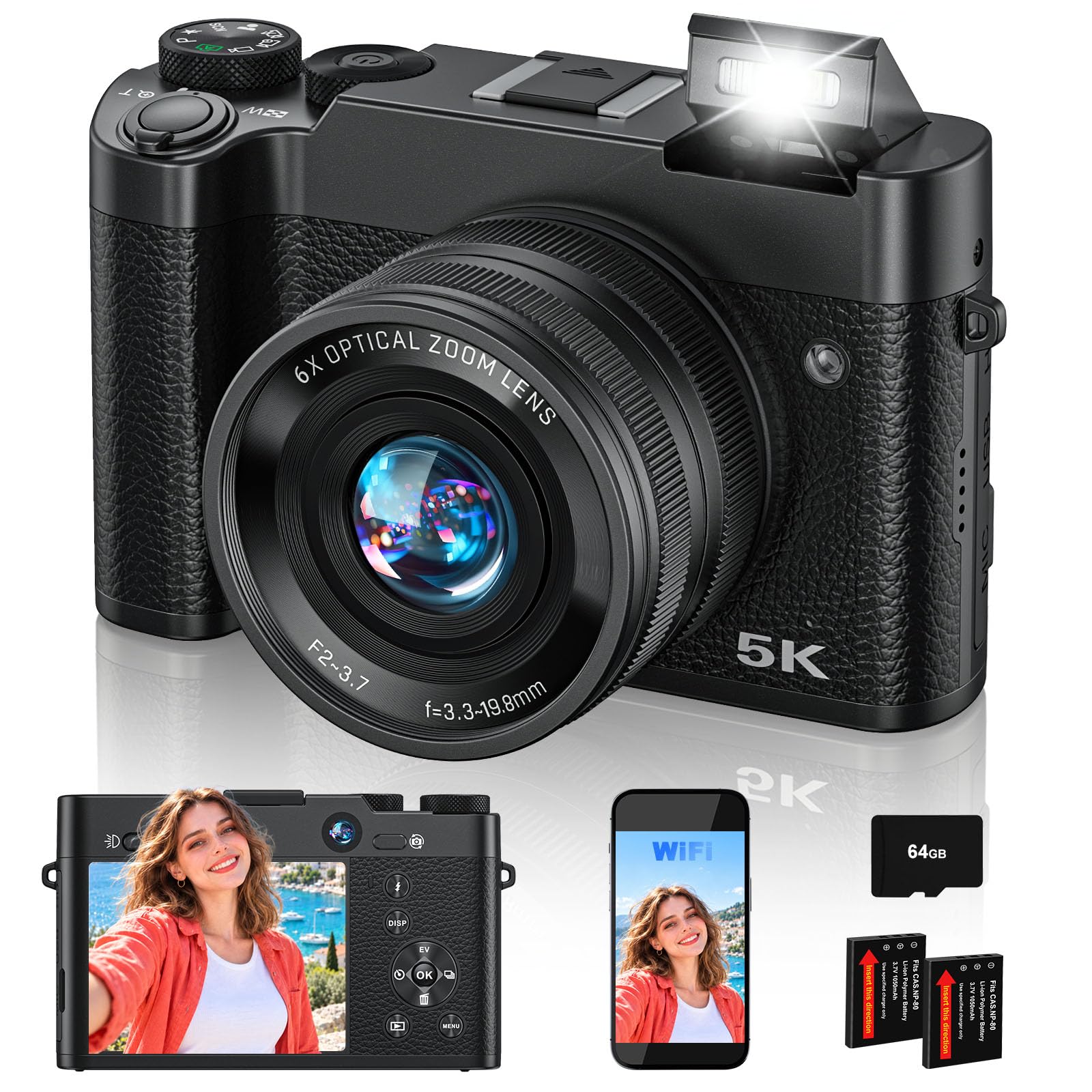
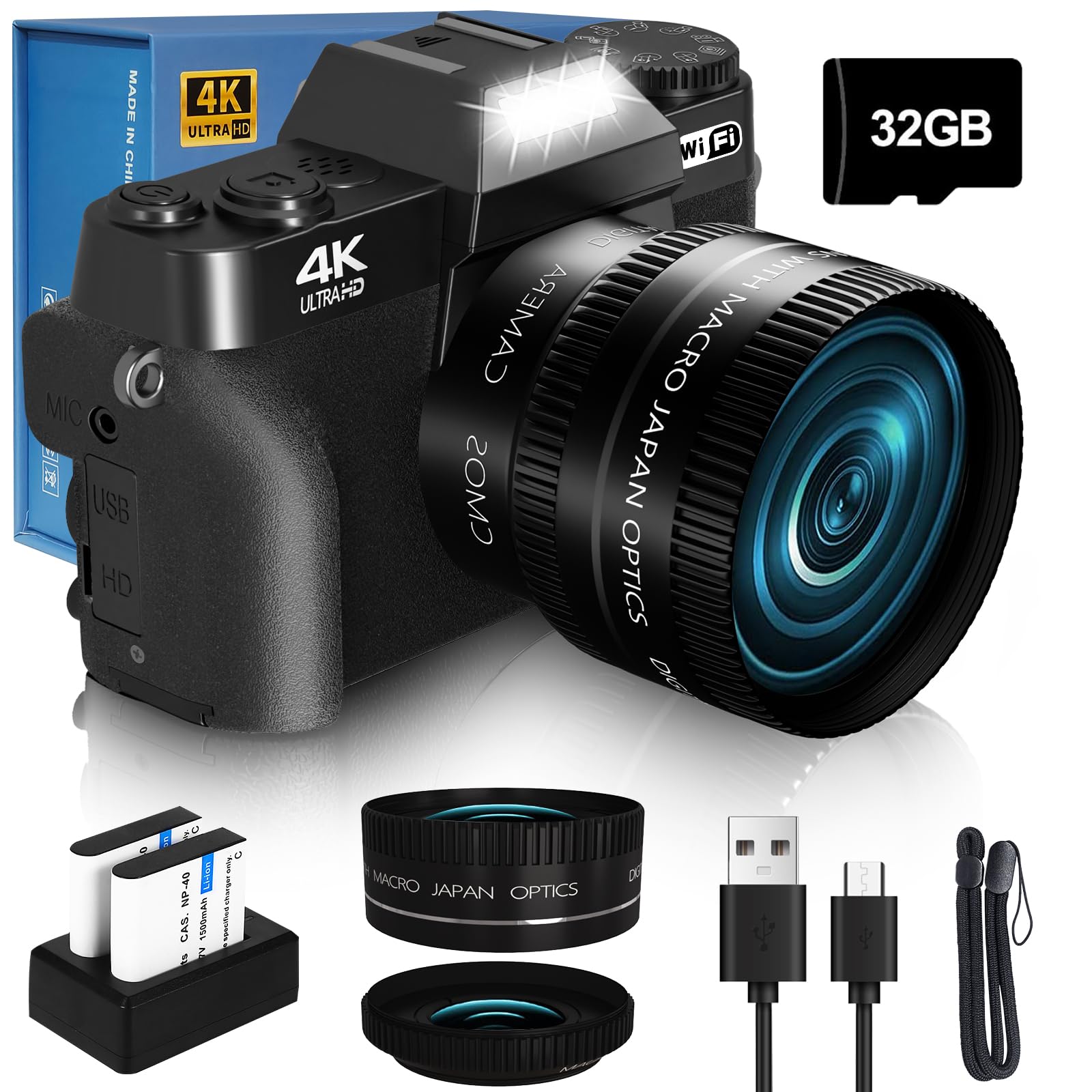


Three Bands, Three Different Cameras
Under About $80: A Simple First Camera
Choose this band for a child's first camera, a spare body for a glove box, or a low risk way to learn framing and exposure. Expect a small sensor, a short zoom range, basic video, and plastic construction that shrugs off small knocks. Shoppers who want the strictest ceiling can start with our guide to best cameras for under 150 and then compare what the next band adds. Image quality here matches a phone in good light, so the real gains are the optical zoom and the dedicated controls.
About $80 to $120: The Everyday Family Band
This is the band most buyers should target for birthdays, school events, and holidays. Sensors stay small, but lenses get longer, screens get brighter, and image stabilization starts to appear, which means more sharp shots of moving kids and pets. Autofocus is still simple, yet face detection in this band is reliable enough for casual portraits. If your total spend can stretch, this band usually beats the cheapest band by a clear margin in everyday use.
About $120 to $150: The Most This Budget Can Reach
At the top of the budget you find the largest sensors in this class, faster lenses for dim rooms, and the best screens and controls the price allows. Some models add 4K video and stronger weather sealing, though both vary widely, so check the spec list rather than the box headline. Our shortlist of best digital cameras under 150 shows how the top band models divide.
What Your Money Gets You at Each Level
Every camera in this guide records digitally, and our broader overview of best digital cameras shows how this budget class sits inside the wider market. Build quality also splits by band, and the guide to best quality cameras explains the hinge, dial, and body signs that separate a sturdy compact from a fragile one. Read the two factors below first, because they decide your pictures more than any feature list.
Sensor Size Decides More Than Megapixels
The sensor and the zoom are the whole purchase at this price, so judge every model by those two parts first. A larger sensor gathers more light, which means cleaner indoor shots and less noise after dark, while megapixel counts mostly decide print size. Two cameras with the same megapixel figure can produce very different images when one sensor is twice the area of the other. Spend on sensor area before you spend on resolution numbers, and treat any extra megapixels as a bonus rather than the goal.
Optical Zoom and Stabilization for Sharp Photos
Optical zoom uses real glass to bring distant subjects closer, and it is the main reason to carry a camera instead of a phone. A range around 5x to 10x covers school stages, sports days, and wildlife at the park without heavy cropping. Image stabilization then steadies your hands at the long end of that zoom, where small shakes blur quickly. Digital zoom only enlarges the middle of the frame and throws detail away, so compare optical figures and ignore digital ones.
Video Claims at This Price
Many boxes at this level advertise 4K video, and the label can mislead. Some models record 4K only in short bursts, with heavy cropping or weak stabilization, while a good 1080p mode with steady handling often looks better in real use. Check whether the camera has a microphone input if you plan to record speech, because built in microphones pick up wind and handling noise. For family clips and school concerts, steady 1080p from the midrange band is usually the smarter buy.
Features to Skip Without Regret
Touch screens, WiFi sharing, and long lists of scene modes add cost without improving your photos at this level. A scene mode only automates settings you can learn in an afternoon, and WiFi transfers are slower than removing the card. Built in filters and beauty modes can be added later in free editing apps. Put the money toward the sensor, the lens, and a second battery instead, because those three decide what the camera can do every single day.
Choosing Cameras for Your Situation
Your subjects should pick the band, not the feature list. Use the product table above to shortlist two or three models in your band, then let your subjects make the final call. Travelers who shoot outdoors can also step sideways into our guide to best cameras for photography when the budget grows, since the same sensor logic applies at higher prices.
Best Cameras for 150 Dollars: Where the Money Actually Goes
Writing the budget with the word dollars attached changes the math slightly, because taxes and a memory card come out of the same total. Keep about $15 to $25 of the budget aside for the card and a case, then buy the strongest sensor your remaining money reaches. That order protects image quality first and accessories second. A camera bought at the full ticket price with no card is a camera you cannot use on the day it arrives.
Long Term Costs to Factor In
The camera price is only the first payment. A fast memory card costs about $10 to $25, a spare battery about $15 to $30, and a padded case about $10 to $20, so a realistic total sits above the camera ticket. Batteries in this class are small and often rated for only a few hundred shots, which makes the spare battery a working cost rather than a luxury. Factor in replacement chargers as well, since many budget models charge the battery inside the camera over USB and a lost cable stops the camera entirely.
Frequently Asked Questions
What features matter most in cameras for 150?
Sensor size and optical zoom matter most, because they decide image quality in every light. Look for the largest sensor in your band, a real optical zoom of at least 5x, and image stabilization. Video labels, scene modes, and megapixel counts matter far less. One point the main guide only touches briefly: check the screen brightness figure too, since a dim screen is hard to frame with on sunny days outdoors.
What specs matter most for a beginner buying a first camera?
A short spec list serves a beginner best: a simple auto mode, face detection autofocus, and a lens that starts wide enough for group photos. Complicated manual controls can wait until the basics feel natural. Also weigh the camera with its battery fitted, because a camera left at home for its weight teaches nothing. A light model that goes everywhere beats a heavier model with better numbers on paper.
Is a smartphone enough instead of a budget camera?
For daylight snapshots and instant sharing, yes, a modern smartphone is enough and often better. A budget camera earns its place with optical zoom, a battery that lasts a full day of shooting, and controls that work with gloves or wet hands. It also keeps your phone free for maps and calls on trips. If you never zoom past what your phone offers, save the money and skip this class entirely.
Should I buy a used camera instead of a new one at this price?
Often, yes, because the used market at this level includes older midrange models with larger sensors than any new camera here. The trade is risk: check the lens for scratches, the sensor for spots, and the shutter count where the model reports it. Buy from a seller who accepts returns, and budget for a new battery, since an old battery rarely holds its original charge. A carefully checked used camera can be the strongest value in this whole guide.
How much should I spend on my first camera?
Spend enough to reach the middle band, about $80 to $120, and keep the rest for a card and a spare battery. The cheapest band is fine for children and spares, but its small sensors disappoint quickly indoors. The top band helps mainly if you shoot in dim light or print large. Whatever you choose, spend the money once on the sensor rather than twice on an upgrade a year later.
Wrapping Up
Judge every model in the product table above by its sensor and its optical zoom first, then pick the band that fits your subjects. Family shooters belong in the middle band, dim light shooters at the top, and everyone else can start low and upgrade later. Choose the best cameras for 150 by those two specs and the rest of the feature list becomes easy to ignore.


