Best Action Cameras under 150 by Budget: A Smart Guide for 2026
Disclosure: We may earn a commission when you buy through links on this page, at no extra cost to you. As an Amazon Associate I earn from qualifying purchases. Learn more

See how action cameras under $150 compare by budget tier, stabilization, waterproof depth and battery life, plus which features you can safely skip.
A price cap changes every choice with an action camera, because money spent on one headline feature is money taken from stabilization, battery life or waterproofing. The best action cameras under 150 dollars are not toys, but they ask you to rank your needs before you shop. Start with how you will mount the camera, where it will get wet, and how long a typical outing lasts.
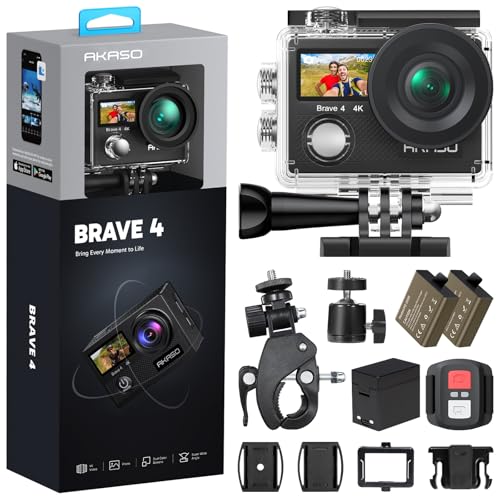
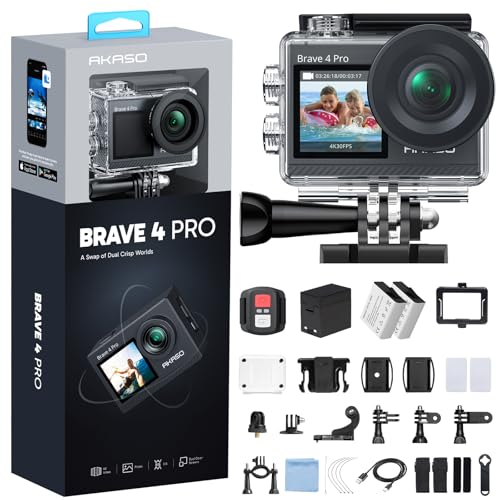
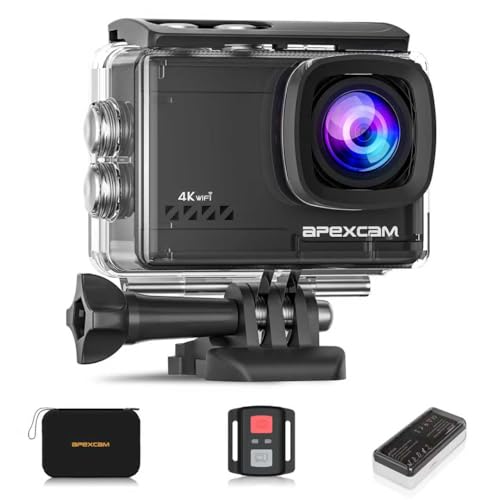
This guide sorts spending into clear tiers so you can see what each step up buys, and which specifications you can safely ignore. Use the comparison table below to check current options against the tier and feature advice that follows.



Who Should Buy an Action Camera Under $150?
Casual Travel and Family Users Who Want Simple Video
You record beach days, school events and short trips, and you want a camera you can hand to someone else without a long explanation. Look for a clear rear screen, simple menus and automatic exposure that handles bright sun and shade. A basic waterproof body matters more than high frame rates, because the camera will face splashes, sand and drops far more often than fast action.
Riders and Trail Users Who Need Stable Mounted Footage
You mount the camera on a helmet, chest harness or handlebar and review the ride later, so shake is your main enemy. Prioritize strong electronic stabilization and a mount system that stays tight over rough ground. A front screen helps you frame shots while the camera faces you. Battery life also matters more here, because stopping to swap batteries mid ride loses footage.
Pool and Paddle Users Who Need Real Waterproofing
You film at the pool, on a kayak or while snorkeling, and the camera will go fully underwater rather than just getting splashed. Check the depth rating for the bare camera and whether a housing is required to reach it. Large buttons you can press with wet hands and a replaceable lens cover will serve you better than many shooting modes.
What Each Price Step Under $150 Buys You
Around $50 to $80: Basic Recording for Light Use
At this level expect honest 1080p video, modest stabilization and a waterproof case doing most of the protection work. Image quality is fine for sharing clips with family, but fast movement and dim rooms show limits quickly. This tier suits occasional use. If your budget can shrink further, see our guide to the best action cameras under 100 for how the tradeoffs change at the lowest prices.
Around $80 to $120: Better Stabilization and Usability
This step usually buys smoother stabilization, a more useful touch screen and better handling of bright outdoor light. Many cameras here include more mounts in the box, which lowers what you spend later. For most buyers shopping the best action cameras under 150, this is where footage starts looking calm rather than shaky.
Around $120 to $150: The Strongest Video Under the Cap
Spending near the cap brings the cleanest 4K recording in this class, stronger stabilization and a body that is waterproof without a case. Screens on both sides, voice control and faster wireless transfers also appear here. If you film weekly, this tier repays the cost in fewer ruined clips. Buyers able to spend past the cap can compare our guide to the best action cameras under 200 to see what the next step adds.
Key Features to Compare
Video Resolution and Frame Rate
Resolution tells you how much detail a clip holds, while frame rate controls how smooth motion looks. Many cameras here advertise 4K, but the usable question is which frame rate that resolution allows and whether stabilization stays on while you use it. For most outdoor filming, clean 1080p at 60 frames per second often looks better than soft 4K at a lower rate, because the faster rate keeps movement smooth and allows slow motion for jumps and turns.
Electronic Stabilization and Field of View
Action cameras use electronic stabilization, which crops the image slightly and smooths movement in software rather than moving a lens or sensor. Stronger settings give calmer footage but narrow your view and drain the battery faster, so check whether you can adjust the strength. A wide field of view captures handlebars, water and scenery together, while a narrow setting reduces curved edges when you film people talking.
Waterproof Rating and Protective Housing
A depth rating only helps if you know whether it applies to the bare camera or only with a housing fitted. Bare cameras rated to about 33 feet handle pools and shallow snorkeling, while a housing extends that for deeper dives. Check that replacement lens covers are sold for the model, because one deep scratch on an exposed lens can soften every clip afterward.
Battery Life and Swappable Batteries
Expect roughly 60 to 120 minutes of recording per charge, with high resolution, strong stabilization and cold weather all pulling the figure down. A removable battery is worth real money here, because a spare in your pocket is the simplest way to film a full day out. Models that charge over a common USB cable also let you top up from a power bank.
Mounts, Controls and the Companion App
Most action cameras share a common mounting finger system or a standard tripod thread, and that compatibility decides your choice of chest, helmet and handlebar mounts. Confirm what mounts arrive in the box, since a bargain can vanish once you buy them separately. Controls matter too: a touch screen is fine on dry land, but physical buttons and an app preview over WiFi are what you rely on with wet hands.
Memory Cards, Audio and File Handling
These cameras record to microSD cards, and the card speed rating matters as much as its size, because a slow card can stop a high bitrate recording mid clip. Buy a card rated for sustained video writing and format it in the camera. Built in microphones suit narration close to the lens, but wind overwhelms them fast, so check for an external microphone adapter if spoken audio matters.
Cards, Batteries and Mounts Beyond the Camera Price
The camera price is only the starting figure, so budget for a fast memory card, a spare battery, the mounts your sport needs and a small case. Replacement lens covers and housing seals are cheap insurance compared with a ruined camera. If general photography matters more than mounting and waterproofing, see our guide to the best cameras for under 150 before you commit to the action format.
Common Mistakes to Avoid
- Choosing a camera by its highest advertised resolution alone, because that setting may disable stabilization and leave sharp but unwatchable shaking footage.
- Trusting a waterproof claim without checking the depth rating, because a splash proof camera taken snorkeling can flood on the first dive.
- Buying the cheapest memory card you can find, because a slow card can halt recording during the one moment you wanted to capture.
- Ignoring the mounts included in the box, because adding mounts later can erase the saving over a better equipped model.
- Filming everything on the widest field of view, because curved edges make indoor clips and conversations look stretched and distant.
- Packing one battery for a full day out, because cold wind and high settings can drain it before the activity ends.
Care and Maintenance for Action Cameras
Rinse the camera in fresh water after use in the sea or a chlorinated pool, then dry it fully before opening the battery door so droplets stay outside the seals. Inspect door gaskets for sand or hair, and wipe the lens with a microfiber cloth rather than a shirt, which can grind grit across the glass. Store it out of direct heat.
FAQ
Can you get a good action camera for under $150?
Yes, you can get a genuinely good action camera for under $150 if your filming is mostly outdoors in daylight. Cameras in this range handle family trips, rides and pool days well, and the better ones stabilize footage convincingly. The honest limits are dim indoor scenes and long recording days. One practical tip is to buy during major sale events, when models normally above the cap often drop into it.
What specs matter most for first time action camera buyers on a budget?
Stabilization quality, waterproof depth and battery life matter most, in that order, for a first purchase. Those three decide whether clips are watchable, where you can film and how long you can keep going. Resolution headlines matter less than sellers suggest. A useful extra check is the user community for that model, because popular models have more mounts and spare parts available.
Is digital zoom useful on a budget action camera?
Digital zoom is of limited use on a budget action camera, because these cameras use a fixed wide lens and zooming simply crops and enlarges the middle of the image. Detail falls quickly, and stabilization has less image area to work with. Moving closer, or filming wide and cropping later, usually gives a cleaner result. Treat any large zoom number on the box as marketing.
Which action camera features matter most for low light recording under $150?
A larger image sensor and a lower frame rate matter most for low light recording, because both let each frame gather more light. At this price no action camera matches a phone in a dark room, so set expectations accordingly. Filming at 24 or 30 frames per second instead of 60 is the most effective free adjustment, and standing where light falls on your subject beats any menu setting.
Is a smartphone enough instead of a budget action camera?
A smartphone is enough for filming on dry land at arm length, and its screen and low light results will usually be better. An action camera earns its place when the filming point is a helmet, a chest strap or underwater, where risking a phone makes little sense. If your needs lean toward everyday photos, see our guide to the best cameras under 150 dollars for the broader options at this budget.
Final Thoughts
Rank stabilization, waterproofing and battery life first, let the price tiers above set your expectations, and spend the money you save on mounts and cards. Chosen that way, the best action cameras under 150 dollars deliver footage you will rewatch. Check your shortlist against the product table above before you order.