Best Cameras for Trips Made Simple: A Clear 2026 Buying Guide
Disclosure: We may earn a commission when you buy through links on this page, at no extra cost to you. As an Amazon Associate I earn from qualifying purchases. Learn more

A plain English guide to the best cameras for trips, covering family holidays, road trips and hiking, plus the simple specs and mistakes to avoid.
Buying your first real camera feels harder than it should. Every listing throws numbers at you, and half of them sound impressive while meaning very little. This guide slows the whole thing down.
We explain the basic words first, then the few specs that change your photos, then how to match a camera to the kind of trip you are taking. By the end, choosing among the best cameras for trips becomes a short series of simple questions you can actually answer.
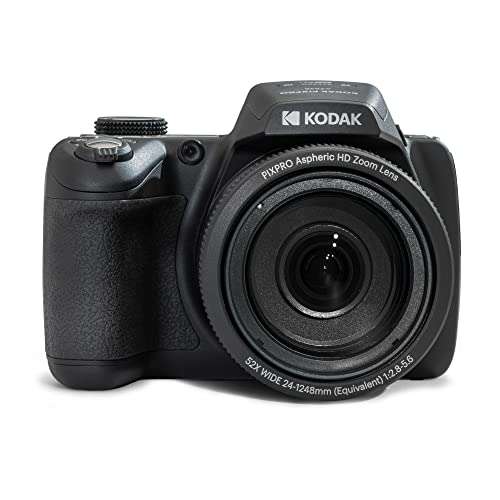





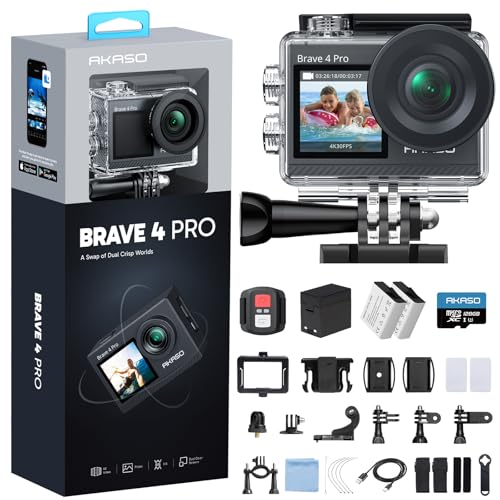
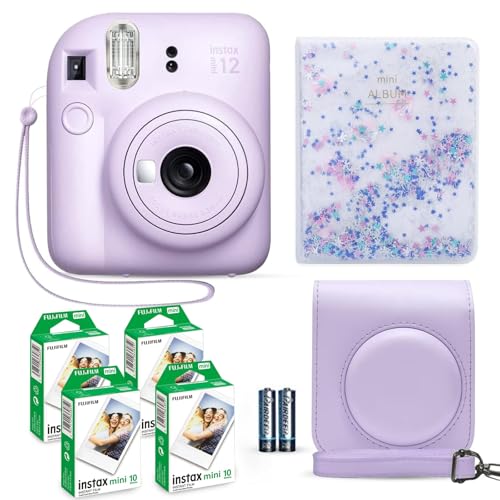


Nothing here needs a photography background. If a term matters, we explain it in everyday words the first time it appears. Use the comparison table below to see the current options side by side while you read, and do not worry about understanding everything at once. Most beginners only need the basics section and the part about their own kind of trip.
Cameras 101: The Basics
A camera does one job: it gathers light through a lens and records the picture on a sensor. The lens decides how wide or how close your view is, and the sensor decides how much detail and light the photo holds. Everything else, from screens to dials to video modes, exists to help those two parts do their work. A phone camera follows the same rules, but its lens and sensor must stay tiny to fit in a pocket, and that small size is the limit a real camera removes.
The broad family most beginners shop from is the best digital cameras, a group that runs from simple pocket models to advanced bodies with changeable lenses. For a first trip camera, the middle of that family is the friendly ground: automatic modes that handle the thinking, with manual controls waiting for the day you want them. Some buyers later drift toward the best cameras for photography as a hobby grows, but a trip camera should first be easy, light, and hard to set wrong.
Key Specs Explained in Plain English
Six specs decide almost everything about a trip camera. Learn these and you can ignore the rest of the listing with a clear conscience.
Features That Matter for Trips
A trip is not one photo setting, it is fifty. You move from bright plazas to dark cathedrals to moving buses in a single afternoon, so a trip camera earns its place by adapting without fuss. A helpful zoom range, an automatic mode you can trust, and a screen you can read in sunlight cover most of that ground.
Fast start up matters more than beginners expect, because the moment you want to capture rarely waits while a camera wakes. Simple phone transfer is the last quiet essential, since photos stuck on a card until you get home tend to stay there.
Zoom in Plain English
Zoom describes how much closer the lens can make distant things appear. Optical zoom moves real glass inside the lens and keeps the full quality of the photo, so it is the only number worth comparing. Digital zoom simply enlarges the middle of the picture and throws the rest away, which is why a photo can look close yet turn soft and grainy.
A modest optical zoom of about 3x to 5x handles cities, people, and food well. Only reach for long zooms of 20x or more if distant animals or mountain details are a real part of your trips.
Sensor Size and Image Quality
The sensor is the surface that records light, and bigger is genuinely better here. A larger sensor gathers more light, so photos stay clean and detailed in the evening and indoors, where small sensors turn grainy. Compact trip cameras often use a 1 inch sensor, which is a healthy step up from a phone, while larger cameras use APS C or full frame sensors at a real cost in size and price.
Megapixels, the number sellers shout about, mostly decide how big you can print. For sharing and normal prints, sensor size beats pixel count every time.
Size, Weight, and Ergonomics
Ergonomics is a grand word for a simple question: does the camera feel good in your hands for a whole day? Weight is the first part, since a camera that annoys your neck by lunch will stay in the bag by day three. Grip shape is the second part, because a small bump for your fingers stops slips and makes one handed shooting calmer.
Buttons you can find without looking matter on cold mornings and in crowds. If you can, hold the camera in a shop with its lens attached, because listings never tell you how a body feels at hour six.
Low Light Performance
Low light means every dim place a trip includes: restaurants, museums, evening streets, and the inside of a tent. Three things decide how a camera copes. A bigger sensor helps most, a lens that opens wide to let in more light comes next, and a higher ISO setting is the emergency lever that adds grain as it brightens the shot.
Sample photos on seller pages are taken in bright, kind light by skilled hands, so they flatter every camera. Judge low light claims by sensor size and lens openness rather than by those galleries.
Autofocus and Stabilization
Autofocus is the camera finding the sharp point for you, and modern systems that detect faces and eyes make people photos almost foolproof. For trips, quick and calm focusing beats exotic tracking modes, since your subjects are family, food, and places rather than racing cars. Stabilization is the system that smooths out your hand shake, and it matters most at dusk and when you zoom in, where small movements grow large. It cannot freeze a running child or a moving boat, so for action you still need a fast shutter setting or good light.
Pick by the Kind of Trip
The right camera changes with the journey. Find your trip below and treat the other sections as optional reading.
Family Holidays
Family trips need a camera that survives chaos gracefully. Priorities are a fast automatic mode, face finding focus for children who never pose twice, and a body tough enough for sandy hands and the odd knock. A moderate zoom covers the beach, the zoo, and the school play standard of shots most families actually take. Keep the setup simple enough that any adult in the group can pick it up and get a good photo, because the family camera that only one person understands spends half the holiday unused.
Road Trips
Road travel is kind to cameras, since the car carries the weight and charging is easy from the dashboard or a motel room each night. That freedom lets you choose a slightly larger body or a second lens without paying for it in sore shoulders. Drivers building a kit around the drive itself should look at the best cameras for road trips, where wide views for landscapes and quick grab shots at stops matter most. Pack the camera up front with you, not in the trunk, or half the views will pass before you can stop safely.
A City Trip in Europe
City breaks mean walking all day among crowds, museums with no flash rules, and dinners in low light. A small, quiet camera with a wide to moderate zoom fits that pattern, and a discreet body draws less attention in busy squares. Travelers planning that style of break will find the best cameras for europe trip compared with cobblestones, cafes, and church interiors in mind.
Battery life matters here too, since long museum days offer few chances to charge. A slim camera in a coat pocket beats a big one left at the hotel every single time.
Hiking Trips
On the trail, weight is measured in regret per mile. Choose the lightest camera that still takes the photos you want, protect it in a padded pouch inside your pack, and keep it reachable at the top rather than buried under lunch. Walkers comparing options built for the outdoors should start with the best cameras for hiking trips, where sealing against dust and drizzle counts for more than extra zoom. A wrist strap or a short tether is near essential, since the best viewpoint often stands next to a long drop.
When Your Phone Is Honestly Enough
Sometimes the honest answer is that you do not need a camera at all. If your trips are sunny, social, and mostly shared on a phone screen, a recent phone already does that job well and asks for no extra bag space. A separate camera earns its place when you zoom often, shoot in dim places, print photos, or simply enjoy holding a real camera.
That last reason counts more than experts admit, because a camera you enjoy is a camera you carry. Decide by your past trips: if your phone gallery is full of distant, dark, or blurry shots you wished were better, a camera is a fix rather than a luxury.
A Simple Budget Guide
Prices buy calm, more than they buy sharpness. Each step up mostly brings better low light results, sturdier build, and controls that get out of your way. Add about $60 to $120 to every band for the kit around the camera: a memory card, a spare battery, and a padded case.
About $200 to $400: The Starter Shelf
Simple compact cameras and the most basic kits live here. You get a real optical zoom, a sensor a step above a phone, and automatic modes that carry beginners kindly. Low light photos stay modest, and that is acceptable for sunny holiday shooting.
About $400 to $800: The Easy Middle
This band buys larger sensors, better screens, and cameras that stay pleasant as your skills grow. Most first time buyers who travel twice a year or more belong here, because the results jump while the learning curve stays gentle. It is also where changeable lens cameras begin, if you like the idea of adding a lens later.
About $800 and Up: For Keen Beginners
Spending more buys low light confidence, faster focus, and lenses for distance. Choose this band if photography is becoming part of the fun of travel itself, not just a record of it. Otherwise the middle band plus a spare battery will serve you just as happily.
Rookie Mistakes to Avoid
- Buying the biggest zoom on the shelf. Long zooms on cheap cameras turn distant photos soft, and the extra size rides along on every walk. Match the zoom to your real subjects instead.
- Judging a camera by megapixels. Pixel counts are the loudest number in the shop and one of the least useful. Sensor size and lens quality shape your photos far more.
- Forgetting the extras in the budget. A camera without a memory card, a spare battery, and a case is not ready for a trip. Price the whole kit before you fall for a body only deal.
- Taking a brand new camera straight on holiday. Unfamiliar menus cause missed moments and wrong settings. A week of practice at home is part of the purchase.
- Carrying the camera in checked luggage. Cameras and batteries belong in your cabin bag, where they are safer from knocks, theft, and temperature swings in the hold.
Getting Started: Setup and First Use
On the first evening, charge the battery fully, set the date and time, and take twenty practice photos around the house in automatic mode. Format the memory card inside the camera rather than on a computer, since the camera sets the card up exactly as it likes. Learn just three things before your trip: how to zoom, how to review and delete a photo, and how to switch the flash off for museums. Everything else can wait until you are home and curious.
Simple care habits protect the camera from the three classic trip hazards. Sand scratches lenses and jams zoom barrels, so keep the camera in a closed pouch at the beach and never set it on a towel. Water calls for the same pouch plus a dry cloth, and a splash proof rating still means wipe it dry, not rinse it.
Drops are prevented more than survived, so build the wrist strap habit from day one and loop it on every time you lift the camera. Clean the lens only with a lens cloth, never a shirt corner, and carry the spare battery where it stays dry.
Frequently Asked Questions
How many photos fit on one memory card during a trip?
A card of about 64 GB holds several thousand typical trip photos, which covers most holidays without a second card. Video changes the math fast, since a single minute of high quality footage can take as much room as hundreds of photos. A calm approach for beginners is one card in the camera and one spare in a different bag. That way a lost bag or a failed card costs you part of a trip, never the whole story of it.
Do I need to carry spare batteries for a trip camera?
Yes, one spare battery is the single most useful accessory a beginner can buy. Maker battery figures come from ideal conditions, and real days with cold air, video clips, and constant photo review run batteries down sooner. A spare also rescues the classic evening disaster of a dead camera at the best viewpoint of the trip. Keep the spare charged, store it in its own pocket or case, and rotate the two batteries so both stay in regular use.
Can a beginner camera cope with beach days and light rain?
Most beginner cameras cope with light rain and splashes if you wipe them dry soon after, but very few are built for sand and salt water spray without help. A simple rain cover or even a clear food bag with a hole for the lens handles showers well. At the beach, the bigger danger is sand in the zoom lens, which can jam it for good. Treat ordinary cameras as fair weather tools with sensible protection, and they will last for many trips.
Is one long zoom camera simpler than a camera with changeable lenses?
Yes, a single fixed lens camera with a long zoom is the simplest path for most beginners. There is nothing to swap, no sensor to expose to dust while changing lenses, and no extra glass to carry or insure. The trade is low light quality, since long zoom lenses gather less light than the separate lenses of a changeable system. Choose the fixed lens route unless you already know you want to grow into lenses later, because simplicity you use beats flexibility you never touch.
What should I do on the first day with a new camera?
Spend the first day on small experiments rather than settings menus. Photograph the same garden or street corner at morning, noon, and dusk to see how light changes your pictures, and try the zoom at its widest and longest settings. Take a few indoor shots with the flash off and on to learn what each looks like. Finish by moving the photos to your phone or computer, so the transfer process is familiar before a trip makes you tired and rushed.
Final Thoughts
Keep the decision small. Learn what the sensor and the zoom numbers mean, match the camera to your kind of trip, and leave budget room for a card, a spare battery, and a case. Skip the biggest numbers in the shop window, practice for a week at home, and let your phone keep the jobs it already does well.
Picked that way, the best cameras for trips are simply the ones that come along easily and come home full of photos you are glad you took. The product table above collects the current beginner friendly options in one place for a final look.