
Best Cameras for Hiking Trips 2026: Matching the Right Model to Your Routine
Disclosure: We may earn a commission when you buy through links on this page, at no extra cost to you. As an Amazon Associate I earn from qualifying purchases. Learn more

Discover the best cameras for hiking trips for your needs. We match features to real use cases so you avoid overpaying and get the right fit the first time.
There is no single camera that suits every trail, pack size and shooting style. The best cameras for hiking trips are the ones that match how far you walk, what you photograph and how much weight you will carry gladly. A summit landscape, a forest bird and a family trail moment each ask for something different, and the comparison table below helps you weigh those needs side by side.
Start with your routine rather than a spec sheet. Note your typical distance, the weather you hike in, and whether you shoot stills or video. Those answers narrow the field faster than any megapixel count, and they shape every section that follows.




Who Should Buy Which Cameras for Hiking Trips?
Pick by the hike you repeat most often, because a camera that feels fine on a short loop can become a burden on a long climb. If your outings are mostly day walks on marked trails, see our guide to the best cameras for hiking for a closer look at that style of use.
Day Hikers Who Photograph Landscapes and Viewpoints
You walk moderate distances and stop often for wide views, waterfalls and changing light. Prioritize image quality and a lens that covers wide scenes through short portrait range. A tilting screen helps with low compositions on uneven ground. You can accept a little more weight than a backpacker, since your pack returns to the car each night.
Backpackers Counting Every Ounce on Long Routes
You carry food, shelter and water for several days, so camera weight competes with essentials. Choose a compact body, a single versatile lens and charging that works from a small power bank. Battery life matters more than raw speed for you. A simple strap or chest carry keeps the camera reachable without unpacking at every stop.
Wildlife Watchers Who Need Reach on the Trail
You photograph birds, deer and distant animals that will not wait while you walk closer. Prioritize long optical zoom or a telephoto lens, fast autofocus and stabilization that calms hand shake at full reach. Quiet operation helps near wary subjects. Test the total weight on a practice walk before a big trip.
Trail Creators Who Record Video and Sound
You film your route, narrate on the move and post clips after the trip. Prioritize 4K video, a microphone input or good built in audio, and a screen that flips for self recording. Reliable autofocus matters more than a huge sensor for you. Pack a small wind cover for the microphone, because trail wind can ruin clear speech.
Key Features to Compare
Compare these factors in trail order: what you carry, what survives the weather, and what actually improves your photos once you are tired and the light is fading. That order is what separates the best cameras for hiking trips from models built mainly for a studio shelf.
Sensor Size and Image Quality for Trail Light
Sensor size shapes detail, dynamic range and performance when forest shade or dusk lowers the light. A 1 inch sensor in a compact camera beats a phone in depth and control while staying small. APS C sensors gather more light and suit changeable lenses. Full frame sensors give the most low light headroom but add weight and cost. Megapixels matter less than sensor size, so a moderate count on a larger sensor often looks cleaner.
Size, Weight and Grip During Long Carries
Total kit weight includes the body, lens, batteries and case, and that total is what your shoulders feel at mile eight. Weigh the full setup at home and carry it on a short hike first. A shaped grip helps when your hands are cold or damp, and controls you can reach without looking down save missed shots.
Weather Sealing and Build for Outdoor Use
Weather sealing uses gaskets around dials, doors and lens mounts to keep out drizzle and trail dust. It resists splashes, but it does not make a camera safe to submerge or leave in steady rain without cover. Matched sealed lenses matter, since an unsealed lens leaves a gap in the system. A tough body and a screen protector help with knocks against rock and pack hardware. For broader background on formats beyond the trail, see our guide to the best digital cameras.
Lens Range, Optical Zoom and Image Stabilization
A versatile zoom covering wide views to moderate telephoto handles most trail scenes with one lens, which saves weight and lens changes in dust. Optical zoom keeps full detail, while digital zoom crops the image and softens it. Longer reach suits wildlife but narrows the view and magnifies shake. Image stabilization steadies hand held shots and video, and it helps most at long focal lengths and in low light. Choose reach for your subject first, then check that stabilization supports it.
Battery Life and Ease of Use on the Move
Cold air, video recording and heavy screen use drain batteries faster than the rating on the box suggests. Carry at least one spare on a full day out, and prefer models that charge by USB so one power bank serves your phone and camera. Ease of use matters just as much: clear auto modes help new users, while direct dials for exposure suit experienced hikers who adjust quickly. Simple menus and fast phone transfer mean you share photos without a laptop back home.
Choosing a Camera Type for Your Hiking Style
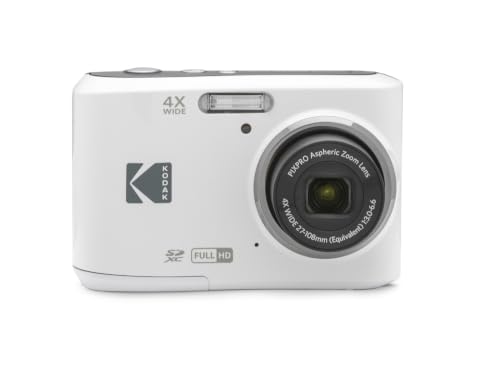
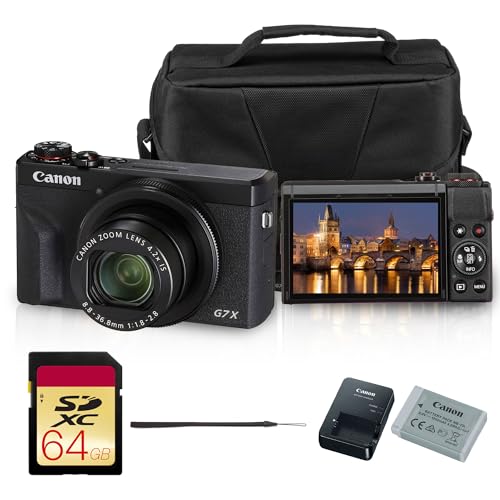
Compact cameras put a fixed lens and a capable sensor in a pocket sized body. They suit hikers who want a clear step past a phone with almost no carrying penalty, but the fixed lens limits reach.
Mirrorless cameras take changeable lenses, so one body can cover landscapes today and wildlife later as your lenses grow. They offer the best balance of image quality and size for most serious hikers, at a higher total cost once lenses are counted. Bridge cameras sit between the two, with a fixed but very long zoom that suits wildlife watchers who dislike carrying separate lenses.
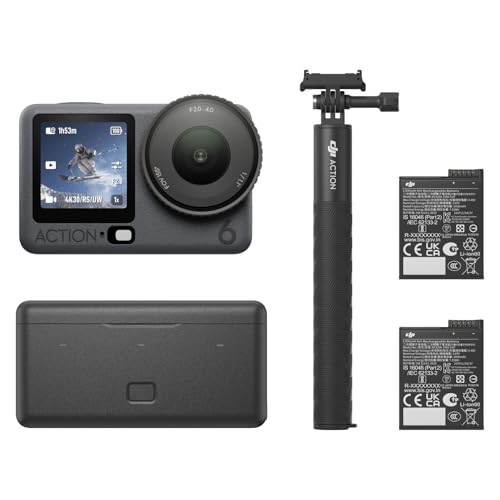
Action cameras are tiny, rugged and made for video in rough handling, though their wide fixed view limits still photo quality. If your trip mixes city sightseeing with trail days, see our guide to the best cameras for trips to compare how travel needs shift the choice.
Common Mistakes to Avoid When Buying Cameras for Hiking Trips
These errors usually show up only after the first long walk, when the trip photos are already taken.
- Buying on megapixels alone leaves you with a heavy camera whose tiny sensor still struggles in forest shade.
- Ignoring total kit weight means the camera stays at the trailhead once your pack feels full.
- Skipping weather sealing risks a dead camera after one wet ridge or a dusty desert section.
- Choosing long zoom without stabilization gives you blurry wildlife shots at full reach.
- Forgetting spare batteries ends your shooting by midday on cold or video heavy days.
- Overlooking warranty and service terms leaves you without help if a dial or door fails before a big trip.
Trail Care Habits That Keep Your Camera Working
Clean the lens with a lens cloth, not your shirt, because shirt fabric can hold grit that scratches coatings. Blow loose dust off first, then wipe in a slow circle from the center outward. Carry a spare battery in a warm inside pocket in cold weather, and rotate batteries so each one gets regular use.
Store the camera in a dry, padded bag that cushions knocks and keeps moisture away from dials and battery doors. After a wet hike, remove the battery and card, leave the doors open in a dry room, and let everything air out. Check straps and mounts for fraying before each season.
Questions Hikers Ask Before a Trip
What features matter most in a camera for hiking trips?
Weight, weather sealing and battery life matter most, because they decide whether the camera comes along and keeps working. One useful extra is built in location tagging, which records where each photo was taken so you can map your route later. Check that the tagging feature does not drain the battery heavily before you rely on it all day.
Which camera type is better for low light on hiking trips?
A mirrorless camera with a larger sensor is better for low light on hiking trips than a small compact or action camera. Larger sensors capture cleaner detail at dawn, dusk and under tree cover. A lens with a wide maximum aperture helps further, and it also softens backgrounds behind trail portraits in a way a small sensor cannot match.
Is a smartphone enough instead of a dedicated camera for hiking trips?
A smartphone is enough if you mostly share photos online and hike in good light. It falls short when you want long zoom, better dusk quality or controls that work with gloves. Battery sharing is another catch, since heavy camera use can drain the phone you rely on for maps and emergency calls on the same trip.
How much should I spend on a first camera for hiking trips?
Most first time buyers do well spending about $300 to $700 on the camera and its first lens or case. That range buys a real step past a phone without the weight of a full frame kit. Keep part of the budget for a spare battery, a card and a padded case.
What specs matter most for beginners buying a camera for hiking trips?
Beginners should look first at a helpful auto mode, image stabilization and a zoom range that covers wide scenes to moderate reach. A guided menu that explains settings in plain words shortens the learning curve on the trail. Skip long spec lists about burst speed for now.
Wrapping Up
Match the camera to your routine first: distance carried, subjects you love and weather you accept. Then compare sensor size, sealing, lens range and battery life in that order, and let price settle what remains. The right choice is the one you will carry on every hike, not the one with the longest spec sheet.
When you compare best cameras for hiking trips with those points in mind, use the product table above to confirm weight, zoom and price before you order. Pack it once on a short local walk, and you will know quickly whether it earns its place in your bag.


